
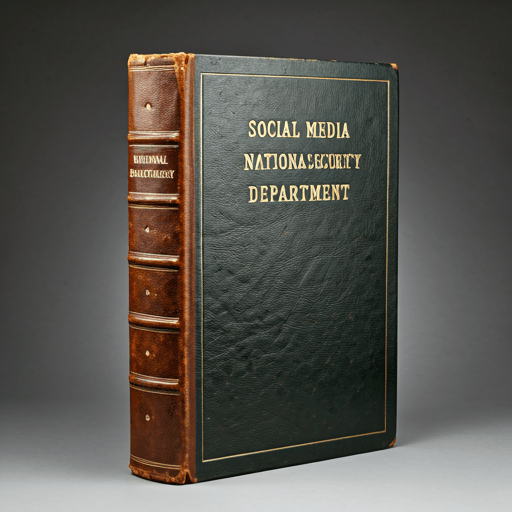
The Imperative for a Social Media National Security Department: Mitigating the Threat of Misinformation in a Digital Age
The advent of social media has revolutionized the paradigms of communication and information dissemination, engendering both unparalleled opportunities and insidious challenges. In a milieu where misinformation proliferates at an unprecedented rate, it becomes imperative to scrutinize the ramifications of such distortions on societal cohesion, national security, and the foundational tenets of democracy. The recent spate of baseless conspiracies surrounding critical issues, such as water shortages in Los Angeles amidst natural disasters, exemplifies the pernicious effects of misinformation and the urgent need for the establishment of a Social Media National Security Department (SMNSD).
The dissemination of falsehoods on social media platforms has catalyzed a cultural malaise that undermines the fabric of American society, and it is increasingly clear that hostile foreign actors, including Russian propagandists, have seized upon this opportunity to exacerbate existing divisions. The tactics employed by these propagandists are strategic and intentional, aimed at sowing discord among the American political landscape and inciting violence through the manipulation of misinformation. The claims made by high-profile figures such as former President Donald Trump and billionaire entrepreneur Elon Musk about various societal issues are often characterized by a narrative that aligns conveniently with broader disinformation campaigns orchestrated from abroad.
For instance, the events leading to the water shortage conspiracy in Los Angeles can be seen as a microcosm of a much larger disinformation strategy. Researchers such as Nina Jankowicz have pointed out that Russian operatives have successfully exploited social media to promote divisive narratives that resonate with specific political factions in the United States (Jankowicz, 2020). These operatives leverage popular topics to create conspiracies that can be gleaned from an existing cultural context, allowing them to slip into the national conversation with relative ease. Trump’s assertion regarding a nonexistent “water restoration declaration” serves as a salient illustration of how distorted narratives can mislead the public, particularly when such falsehoods are amplified and reinforced through online echo chambers.
Moreover, the implications of such conspiratorial rhetoric extend beyond mere political posturing; they pose tangible risks to national security. With a sophisticated understanding of human behavior, Russian propagandists craft messages that resonate with the fears and anxieties of Americans, manipulating emotions to create a climate of fear, division, and apathy. When misinformation is weaponized in this manner, it effectively blurs the line between fact and fiction, leading to a polarized public that may resort to violence in defense of their beliefs. As articulated by political scientists such as Stephen David, the strategic use of misinformation can lead to an escalation of conflict, wherein individuals act out of anger and misinformation rather than informed understanding of complex issues (David, 2017).
The cultural implications of such propaganda are alarming. As misinformation takes hold, marginalized leaders such as Los Angeles Fire Chief Kristin Crowley may face unwarranted criticism targeted not merely at their qualifications but at their identities, including gender and sexual orientation. This reflects a broader pattern of using identity politics as a divisive mechanism in social discourse, further fomented by foreign entities looking to exploit societal fractures (Galeotti, 2016).
The growing predominance of social media as a news source necessitates an urgent reevaluation of our response mechanisms to misinformation, particularly those stemming from foreign adversaries. The sheer volume and accessibility of platforms like Twitter and Facebook amplify the reach of unfounded claims, allowing them to circumvent traditional journalistic vetting processes. Thus, the establishment of a Social Media National Security Department (SMNSD) could serve as a pivotal regulatory body dedicated to monitoring, analyzing, and combating the pervasive spread of misinformation, particularly from foreign influence. Such an agency would collaborate with tech companies to implement algorithmic interventions and fact-checking protocols, enhancing the reliability of information disseminated on these platforms.
Furthermore, a SMNSD must play a crucial role in educational initiatives aimed at fostering media literacy among the populace. Combating misinformation requires not only immediate regulatory measures but also long-term cultural shifts in how information is consumed and critically evaluated. Scholars like Cass Sunstein argue that the ability to discern credible information is integral to the exercise of individual autonomy and collective agency in a democratic society (Sunstein, 2018). Implementing educational programs that emphasize critical thinking and the evaluation of sources could empower individuals to challenge unfounded claims and mitigate the psychological and societal harms perpetuated by such narratives.
In conclusion, the exacerbation of misinformation via social media is catalyzing a crisis that transcends mere political discourse, threatening the very essence of American identity and democratic integrity. The recent disinformation campaigns surrounding critical issues illustrate a concerning trend wherein false narratives are weaponized to disrupt governance and social trust. The role of foreign actors such as Russian propagandists in this landscape cannot be understated; their intent to divide and incite violence complements the existing turmoil within American society. Establishing a Social Media National Security Department would be a pivotal step toward curbing these detrimental effects, promoting media literacy, and safeguarding the nation against the insidious threat of misinformation. In an era where the line between truth and falsehood is increasingly obscured, proactive measures must be taken to fortify the democratic principles that underpin American society.
References
- David, S. (2017). Rethinking Conflict in the Age of Misinformation. Harvard University Press.
- Galeotti, M. (2016). Hybrid Warfare: A Romanian Perspective. European Union Institute for Security Studies.
- Jankowicz, N. (2020). How to Lose the Information War: Russia, Fake News, and the Future of Conflict. The George Washington University.
- Sunstein, C. R. (2018). #Republic: Divided Democracy in the Age of Social Media. Princeton University Press.
- Newsom’s Office. (2025). Press Release on the Water Restoration Declaration. State of California.
Free Speech Rights were never intended to mean “Completely Anything Goes”. Its intention was never to protect Junkyard Dawg Nuttsack Penis Breath Sphincter Hole Ozzings & Onslaughts in the forms of Social Media Posts upon any American Citizen, Group, Organization, or Figure, even those in the limelight where foul intent was “at heart and intentional” by the diabolical author of such harmful writings knowing the pain their writings physically or mentally caused. That their words caused or should have known would or could cause and did in fact cause. But some foulness cannot be precluded just to the intended Victim or Victims but to others also finding themselves greatly Offended and mentally or physically hurt. Some words can be so foul as to cause a person reading them or seeing them real physical harm and are so due Damages in a financial sum. Wouldn’t you Agree?
This continues to raise an important point about the potential harm that certain speech can inflict, not just on direct targets but also on a wider audience. The case of Alex Jones and his statements regarding the Sandy Hook Elementary School shooting is a poignant example of how speech can lead to significant distress and damage, both psychologically and socially.
In this case, Alex Jones, a conspiracy theorist, claimed that the Sandy Hook shooting was staged, which not only inflicted emotional harm on the families of the victims but also incited harassment against them from his followers. As a result, several families sued Jones for defamation and intentional infliction of emotional distress. In 2022, a jury awarded the families over $49 million in damages, highlighting the legal system’s recognition that harmful speech can indeed have real-world consequences.
This situation illustrates the tension between free speech and accountability. While the First Amendment protects individuals’ rights to express opinions, it does not shield them from repercussions when their speech leads to harassment, threats, or emotional distress for others. Legal frameworks often differentiate between protected speech and speech that can be considered harmful or defamatory, suggesting that while free speech is a fundamental right, it is not absolute.
Scholars and legal experts continue to debate the boundaries of free speech, weighing the importance of protecting expression against the need to prevent harm. Cases like that of Alex Jones often serve as critical touchpoints in these discussions about accountability, the impact of speech, and the responsibilities that may accompany the exercise of free expression.
Isn’t it time to reevaluate exactly When Free Speech has been taken too far and has caused Harm? That’s where a Social Media National Security Department (SMNSD) comes in. It simply can no longer be ignored. No matter who is doing it.
No One is Above the Law!
Fines and even Prison Time should be in play for such foul people or Deportation or have their American Citizenship Revoked when deliberate diabolical writings causing great Harm are done. Investigations of Russian Affiliation must begin.
Our collective viewpoints can bring up complex aspect of free speech that can be widely debated. While the First Amendment of the United States Constitution protects the right to free speech, it does not grant unfettered freedom without consequences as some suggest and expect all to follow in a Glorious Symbolic Foul Wordy Game of ‘Pin the Tail on the Donkey’ no matter the consequences. The intention behind these rights is to protect the exchange of ideas and opinions, but there are limits, such as speech that incites violence, constitutes hate speech, or defames individuals.
Many argue that protecting free speech is crucial for a democratic society, but as I have now mentioned, Conspiracy Theorists and other Vagabonds raises questions about the potential harm that some deeply disturbing writings on Social Media cause. Balancing free expression with the need to protect individuals and groups from hate or harm remains a contentious issue. Discussions about how to handle those who exploit free speech to cause intentional harm continue to evolve within legal, social, and ethical frameworks. It’s important for 🇺🇸 Society to engage in these discussions to find appropriate ways to handle speech that is deemed harmful or malicious. And not to allow Billionaires to determine what is and what isn’t good for all of 🇺🇸 when they maybe the biggest culprits. Correct me if I’m wrong…please, I pray you can, but the Mad Hatter is out of Wonderland and it is by far no Game and could bury 🇺🇸 under.
https://www.apa.org/topics/journalism-facts/misinformation-disinformation
Misinformation is false or inaccurate information—getting the facts wrong. Disinformation is false information which is deliberately intended to mislead—intentionally misstating the facts.
The spread of misinformation and disinformation has affected our ability to improve public health, address climate change, maintain a stable democracy, and more. By providing valuable insight into how and why we are likely to believe misinformation and disinformation, psychological science can inform how we protect ourselves against its ill effects.
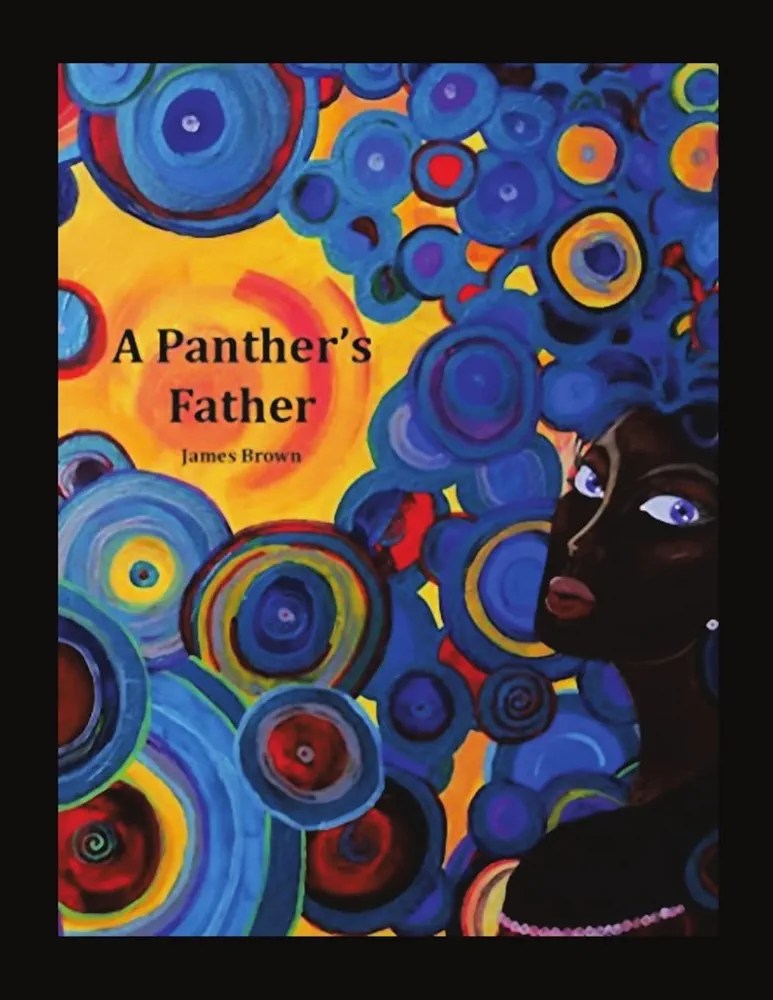
Now, read a Great Book-

 thelivingbreathingjamesbrown.com
You must be logged in to post a comment.