

Always remember-Breakin’ my mind
While OVERSEAS, in the U.S. Army and a Gunner on an M60 Tank, I sang the following song all the time. Don’t ever let anyone Breakin’ my (or your) mind
And the sign said
“Long-haired freaky people
Need not apply”
So I tucked my hair up under my hat
And I went in to ask him why
He said, “You look like a fine upstandin’ young man
I think you’ll do”
So I took off my hat and said, “Imagine that
Huh, me workin’ for you”
Whoa
Sign, sign
Everywhere a sign
Blockin’ out the scenery
Breakin’ my mind
Do this, don’t do that
Can’t you read the sign?
And the sign said
“Anybody caught trespassin’
Will be shot on sight”
So I jumped on the fence and I yelled at the house
“Hey! What gives you the right
To put up a fence to keep me out
But to keep Mother Nature in?
If God was here, he’d tell you to your face
‘Man, you’re some kind of sinner'”
Sign, sign
Everywhere a sign
Blockin’ out the scenery
Breakin’ my mind
Do this, don’t do that
Can’t you read the sign?
Now, hey you, mister, can’t you read?
You got to have a shirt and tie to get a seat
You can’t even watch, no, you can’t eat
You ain’t supposed to be here
The sign said, “You’ve got to have a membership card
To get inside”
Uh
And the sign said
“Everybody welcome
Come in, kneel down and pray”
But when they passed around the plate at the end of it all
I didn’t have a penny to pay
So I got me a pen and a paper
And I made up my own little sign
I said, “Thank you, Lord, for thinkin’ ’bout me
I’m alive and doin’ fine”
Woo!
Sign, sign
Everywhere a sign
Blockin’ out the scenery
Breakin’ my mind
Do this, don’t do that
Can’t you read the sign?
Sign, sign
Everywhere a sign
Sign
Here’s a more detailed historical explanation of the name change from Mount McKinley to Denali:
- Indigenous Name: For centuries, the indigenous Koyukon people of Alaska have referred to the mountain as “Denali,” meaning “The High One” in their language. This name reflects a deep cultural and spiritual connection to the land and the mountain.
- Naming by a Prospector: In 1896, a gold prospector named William Dickey, impressed by the mountain’s grandeur, proposed naming it after then-presidential candidate William McKinley. This name gained traction and was eventually adopted by the US government.
- Decades of Debate: While “Mount McKinley” became the official name, many Alaskans, particularly Indigenous residents, continued to use “Denali.” This led to decades of debate and lobbying efforts to officially recognize the original name. Dickey’s suggestion gained traction and was eventually officially adopted by the US government in 1917.
- 1975 Alaska’s Action: In 1975, the Alaska Legislature officially changed the mountain’s name to Denali. However, the US government continued to use “Mount McKinley.”
- 2015: Official Change: Finally, in 2015, President Barack Obama signed legislation officially changing the name of the mountain to Denali. This decision was widely celebrated as a recognition of Indigenous rights and a step towards correcting a historical injustice.

Key Points:
- The name change reflects a broader movement to recognize and honor the Indigenous history and cultural significance of places.
- It acknowledges the long-standing use of “Denali” by the local people and their deep connection to the land.
- The change symbolizes a greater respect for Indigenous knowledge and traditions.
“Naming Denali back to Mt. McKinley” would mean reversing the 2015 decision to officially change the name of the mountain from Mount McKinley to Denali.

Here’s what that would entail:
- Reversing a Decision: It would require a formal act by the US government, likely an executive order or an act of Congress, to officially change the name back.
- Political Implications: This would likely be a controversial move, facing opposition from those who support recognizing the historical and cultural significance of the name Denali.
- Practical Changes: It would necessitate updating maps, signage, and official documents to reflect the name change.
Can’t you read the Signs of the Times?
Understanding the Psychology of Xenophobia: A Case Study of Extreme Hatred
Introduction
Xenophobia, a deeply rooted fear or hatred of the “other,” manifests in various forms across diverse societies. In examining the psyche of an individual who harbors profound animosity towards Mexicans, we uncover layers of social psychology, cultural identity, and identity politics that contribute to such extreme sentiments. This essay aims to explore the underlying motivations and cognitive dissonance that fuel extreme nationalist ideologies, as exemplified by a hypothetical character who not only seeks the expulsion of Mexicans but wishes to eliminate cultural references associated with them, such as renaming the Gulf of Mexico.
Theoretical Framework
To understand this individual’s mindset, it is essential to frame the discussion within Janet Helms’ White Racial Identity Development model, which provides insights into the stages of racial identity formation in individuals with majority group status. Helms posits that individuals may progress through stages of racial identity development, often beginning with a sense of oblivion to racial issues, eventually culminating in anti-racist practices or, conversely, reinforcing white supremacy. The hypothetical character may be entrenched in the “Conformity” or “Resistance” stages, marked by the internalization of negative stereotypes about Mexicans and a rejection of their positive contributions to society.
Fear and Control: The Psychological Mechanisms
The hatred exhibited by this individual may be rooted in a misguided self-preservation instinct. According to psychologist Peter L. Berger, individuals experiencing significant life changes or societal threats often seek scapegoats for their anxiety. In contemporary America, as discussed by Robert Putnam in his seminal work “Bowling Alone,” the increase in diversity has been correlated with a decline in social capital among whites, potentially fostering an environment ripe for scapegoating.
This individual may perceive Mexicans as detractors from his perceived cultural hegemony. The extreme desire to remove them and erase cultural markers associated with them highlights a deep-seated fear of losing control over his cultural identity. This process is effectively discussed in the works of social psychologist Henri Tajfel, whose Social Identity Theory elucidates how individuals derive self-esteem from their group identities. Feeling threatened by Mexican cultural influences, this character may experience a toxic blend of fear, anger, and resentment, channeling these emotions into vehement opposition.
Cultural Narratives and the Construction of the “Other”
The construction of the “other” is a powerful tool employed by individuals and groups to consolidate in-group identity and justify exclusionary practices. This character may cling to entrenched cultural narratives that frame Mexicans as invaders or criminals, perpetuating myths that serve to rationalize their rejection. Sociologist Eduardo Bonilla-Silva’s concept of “color-blind racism” explains how such beliefs can enter mainstream discourse under the guise of patriotism or national integrity.
Furthermore, the desire to rename the Gulf of Mexico signifies an extreme reaction to cognitive dissonance—a psychological tension that arises when one’s beliefs are challenged. By attempting to erase the historical and cultural associations with Mexicans, the individual seeks a sense of comfort and unity within his belief system. This aligns with the theories posited by cognitive dissonance theorists David Myers and Jeanine Smith, suggesting that humans are driven to maintain internal consistency among their beliefs, particularly under threats to their identity.
Implications for Society and Potential Interventions
The case of this hypothetical individual illustrates broader societal challenges stemming from xenophobia and nationalism. Understanding the psychological roots of such animosity is critical in developing interventions aimed at fostering inclusivity and tolerance. Educational programs that promote cultural competency and empathy—targeting not only those who harbor hatred but also the broader community—could serve as essential tools in dismantling ingrained prejudices.
Moreover, engaging in open dialogues that address fears surrounding immigration and cultural displacement can help bridge the gap between disparate groups. Through platforms that encourage shared narratives and experiences, society can begin to dismantle the false dichotomy between “us” and “them.”
Conclusion
The mind of an individual who espouses extreme hatred towards Mexicans is not merely a reflection of personal pathology but a complex interplay of societal pressures, psychological mechanisms, and cultural narratives. By dissecting this animosity through scholarly frameworks, we gain insights into its origins and implications for society. Ultimately, fostering empathy and understanding is key to overcoming divisive ideologies and building a more inclusive future. Recognizing our shared humanity and the multifaceted contributions of all cultural groups can mitigate xenophobia’s grip on society, facilitating a collective move towards coexistence and mutual respect.



Hypothetically speaking-
The possibility of former President Donald Trump pardoning individuals involved in the January 6 Capitol riot and commuting the sentences of groups like the Proud Boys and Oath Keepers has been a topic of significant discussion, especially as Trump has previously indicated support for these actions. Here’s an overview of the context and implications:
Context
- January 6 Capitol Riot: On January 6, 2021, a group of supporters of then-President Trump stormed the U.S. Capitol in an attempt to overturn the 2020 election results. This event led to a violent breach of the Capitol, multiple injuries, deaths, and significant property damage. In response, many participants were arrested and charged with various offenses.
- Pardons and Commutations: A pardon is a government decision to allow a person to be free from punishment for an offense. Commutation reduces the severity of a punishment without removing the conviction. In the U.S., the president has the power to pardon or commute sentences for federal offenses.
- Public Sentiment: Opinions on pardoning individuals involved in the January 6 events vary widely. Supporters argue that many of those charged were exercising their rights to protest, while critics argue that such actions undermine the rule of law and accountability for acts of political violence.
Potential Implications
- Legal Precedent: Pardoning individuals involved in serious offenses could set a precedent that encourages similar actions in the future, where political leaders intervene in criminal justice outcomes.
- Political Ramifications: Such actions could further polarize the political landscape. Supporters of the pardons may view them as a recognition of their beliefs, while opponents may see them as a dangerous precedent that undermines government authority and accountability.
- Impact on Extremist Groups: Commuting the sentences of members of extremist groups like the Proud Boys and Oath Keepers could embolden these organizations and their followers, potentially leading to increased political violence and radicalization among their ranks.
- 2024 Presidential Campaign: If Trump decides to run for president again in 2024, his actions regarding pardons could influence his support base, both positively and negatively. For some, it could reinforce loyalty, while for others, it could raise concerns about the normalization of political violence.
Conclusion
The idea of pardoning a large number of individuals involved in the January 6 Capitol riot and commuting sentences of associated groups raises complex questions about law, justice, and political accountability. These decisions have far-reaching consequences that extend beyond individual cases, affecting the broader societal trust in the justice system and the stability of democratic processes.
Wanna dive right into Birthright Citizenship?
Here’s what President Trump Signed on his Inauguration Day-
PROTECTING THE MEANING AND VALUE OF AMERICAN CITIZENSHIP
EXECUTIVE ORDER
January 20, 2025
By the authority vested in me as President by the Constitution and the laws of the United States of America, it is hereby ordered:
Section 1. Purpose. The privilege of United States citizenship is a priceless and profound gift. The Fourteenth Amendment states: “All persons born or naturalized in the United States, and subject to the jurisdiction thereof, are citizens of the United States and of the State wherein they reside.” That provision rightly repudiated the Supreme Court of the United States’s shameful decision in Dred Scott v. Sandford, 60 U.S. (19 How.) 393 (1857), which misinterpreted the Constitution as permanently excluding people of African descent from eligibility for United States citizenship solely based on their race.
But the Fourteenth Amendment has never been interpreted to extend citizenship universally to everyone born within the United States. The Fourteenth Amendment has always excluded from birthright citizenship persons who were born in the United States but not “subject to the jurisdiction thereof.” Consistent with this understanding, the Congress has further specified through legislation that “a person born in the United States, and subject to the jurisdiction thereof” is a national and citizen of the United States at birth, 8 U.S.C. 1401, generally mirroring the Fourteenth Amendment’s text.
Among the categories of individuals born in the United States and not subject to the jurisdiction thereof, the privilege of United States citizenship does not automatically extend to persons born in the United States: (1) when that person’s mother was unlawfully present in the United States and the father was not a United States citizen or lawful permanent resident at the time of said person’s birth, or (2) when that person’s mother’s presence in the United States at the time of said person’s birth was lawful but temporary (such as, but not limited to, visiting the United States under the auspices of the Visa Waiver Program or visiting on a student, work, or tourist visa) and the father was not a United States citizen or lawful permanent resident at the time of said person’s birth.
Sec. 2. Policy. (a) It is the policy of the United States that no department or agency of the United States government shall issue documents recognizing United States citizenship, or accept documents issued by State, local, or other governments or authorities purporting to recognize United States citizenship, to persons: (1) when that person’s mother was unlawfully present in the United States and the person’s father was not a United States citizen or lawful permanent resident at the time of said person’s birth, or (2) when that person’s mother’s presence in the United States was lawful but temporary, and the person’s father was not a United States citizen or lawful permanent resident at the time of said person’s birth.
(b) Subsection (a) of this section shall apply only to persons who are born within the United States after 30 days from the date of this order.
(c) Nothing in this order shall be construed to affect the entitlement of other individuals, including children of lawful permanent residents, to obtain documentation of their United States citizenship.
Sec. 3. Enforcement. (a) The Secretary of State, the Attorney General, the Secretary of Homeland Security, and the Commissioner of Social Security shall take all appropriate measures to ensure that the regulations and policies of their respective departments and agencies are consistent with this order, and that no officers, employees, or agents of their respective departments and agencies act, or forbear from acting, in any manner inconsistent with this order.
(b) The heads of all executive departments and agencies shall issue public guidance within 30 days of the date of this order regarding this order’s implementation with respect to their operations and activities.
Sec. 4. Definitions. As used in this order:
(a) “Mother” means the immediate female biological progenitor.
(b) “Father” means the immediate male biological progenitor.
Sec. 5. General Provisions. (a) Nothing in this order shall be construed to impair or otherwise affect:
(i) the authority granted by law to an executive department or agency, or the head thereof; or
(ii) the functions of the Director of the Office of Management and Budget relating to budgetary, administrative, or legislative proposals.
(b) This order shall be implemented consistent with applicable law and subject to the availability of appropriations.
(c) This order is not intended to, and does not, create any right or benefit, substantive or procedural, enforceable at law or in equity by any party against the United States, its departments, agencies, or entities, its officers, employees, or agents, or any other person.
THE WHITE HOUSE,
January 20, 2025.8
Earlier, I presented to you this-
Understanding the Psychology of Xenophobia: A Case Study of Extreme Hatred
Maybe, the above Birthright Citizenship could be lumped into that also as being a full view of one’s man-Xenophobia, a deeply rooted fear or hatred of the “other,” manifests in various forms across diverse societies. In examining the psyche of an individual who harbors profound animosity towards Mexicans, we uncover layers of social psychology, cultural identity, and identity politics that contribute to such extreme sentiments.
Xenophobia is a noun that means fear or hatred of foreigners or strangers. The plural form of the word is xenophobias. The word xenophobia comes from the Greek words xeno- meaning “strange, foreign” and -phobia meaning “fear”. I cannot include my name as a xenophobia. Are you one of the 75 million-plus Xenophobias in America?
I, personally, do not find people who do not look like me, do not talk like me and do not think like me with some form of mixed mind weirdness or weakness. I see all as Human. Simply human…but one must first off be a Confident Heterosexual Male. Are you? And I see no Issues with non-same sexiness folks because people who put flowers in their hair don’t scare me or bother me. I like them. I love them just as I love you reading this. I figure those Folks are special in God’s Divine Eyes.
Enough said-
Read a Great Book-
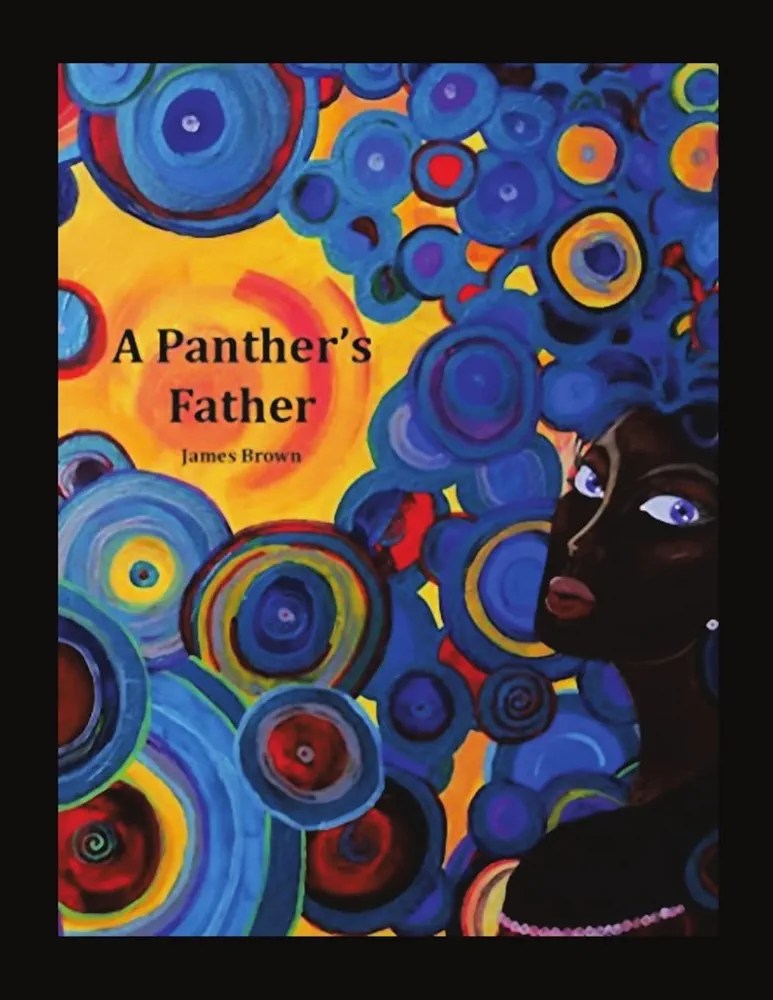
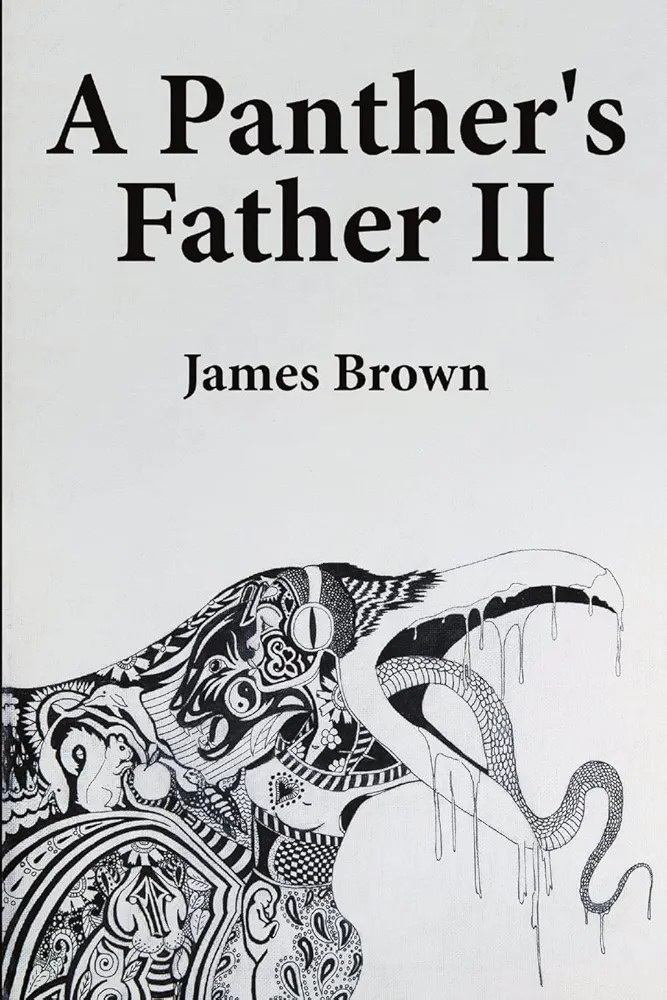
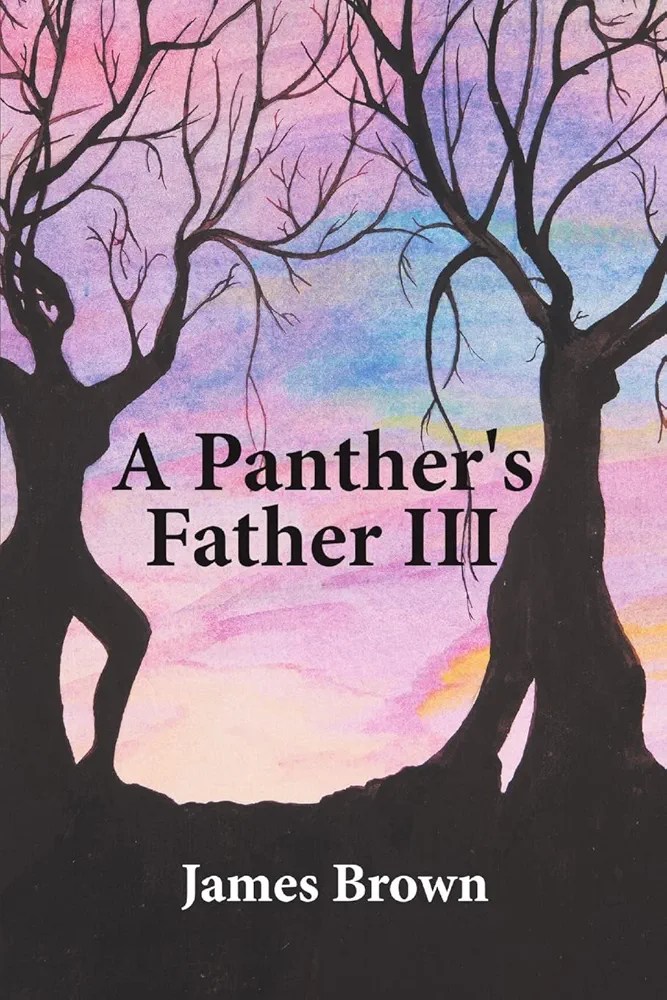

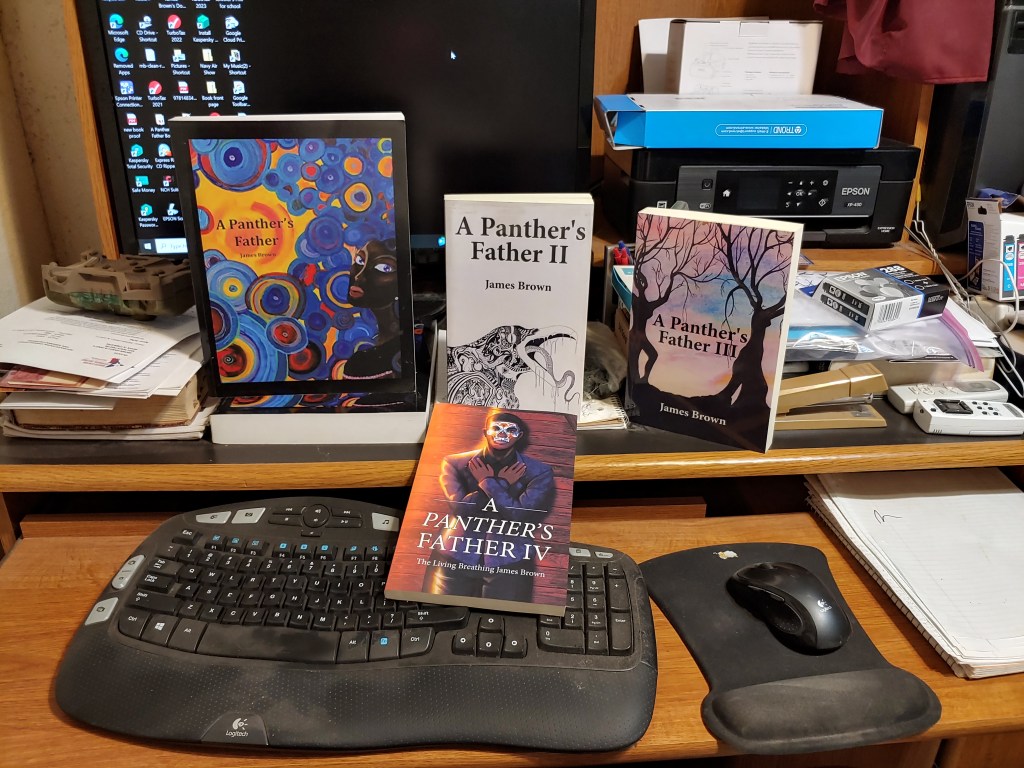
 thelivingbreathingjamesbrown.com
You must be logged in to post a comment.