
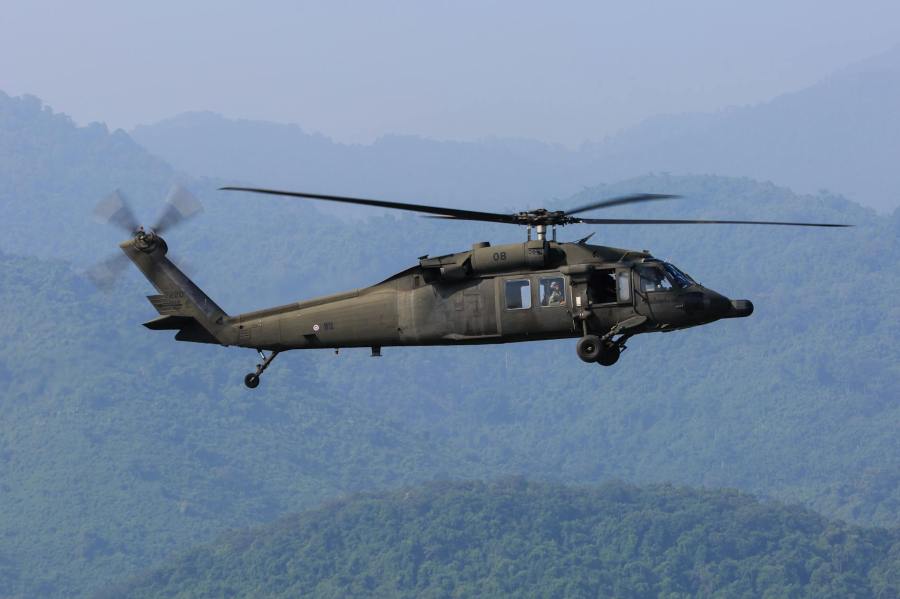
When the altimeter on a Blackhawk helicopter (or any aircraft) provides an inaccurate reading, it can lead to several potential issues:
- Altitude Misjudgment: The pilot may mistakenly believe they are at a higher or lower altitude than they actually are. This misjudgment can affect safe altitude during flight, especially during takeoff, landing, or in low-level flying situations.
- Collision Risk: If the altimeter inaccurately indicates altitude, there is an increased risk of collision with terrain or other aircraft. This is particularly critical in mountainous regions where accurate altitude perception is vital.
- Flight Profile Deviations: Pilots rely on altitude for adhering to flight profiles, such as controlled descents and approaches. An inaccurate reading could cause a deviation from established flight paths and operational parameters.
- Instrument Cross-Checking: Inaccurate altimeter readings can lead to confusion and misjudgment when conducting instrument cross-checking with other aircraft instruments (like radar altimeters). Pilots are trained to rely on multiple sources for altitude verification, but erroneous data can complicate this process.
- Potential for Task Saturation: If a pilot has to continuously manage discrepancies in altimeter readings and adjust their flight, it can lead to task saturation, where the pilot becomes overwhelmed and may miss other important information or tasks.
In the case of persistent discrepancies, the pilot would typically refer to backup instruments, such as a GPS altitude reading or radar altimeter, and may take corrective actions, such as altitude corrections or declaring a malfunction if necessary. Correcting the altimeter setting based on local barometric pressure, and ensuring the instrument is calibrated, are also essential practices to maintain accurate readings.
When not working properly?
Check pitot for block (spider web, dead insect, crud). Static pressure sensor for block (crud). Water in pitot system freezing and thawing.
But Pilot Error can occur too by putting in wrong elevation…
To set the altimeter in a Black Hawk helicopter, you would use the dedicated knob on the instrument panel to adjust the barometric pressure setting in the “Kollsman window” based on the current altimeter setting provided by ATC, which you would then dial in to ensure your altitude reading is accurate relative to sea level; essentially, matching the pressure setting to the local atmospheric pressure at your location.
Key points to remember:
- Access the knob: Locate the altimeter setting knob on the instrument panel, usually near the altimeter itself.
- Obtain the setting: Get the current altimeter setting from ATC or a weather source.
- Adjust the Kollsman window: Turn the knob to match the provided altimeter setting in the “Kollsman window”.
But Pilots can still put in the wrong Altitude and then, they go running into Mountains or other Planes or Helicopters. Things happen. We are not mistake free as humans.
 thelivingbreathingjamesbrown.com