
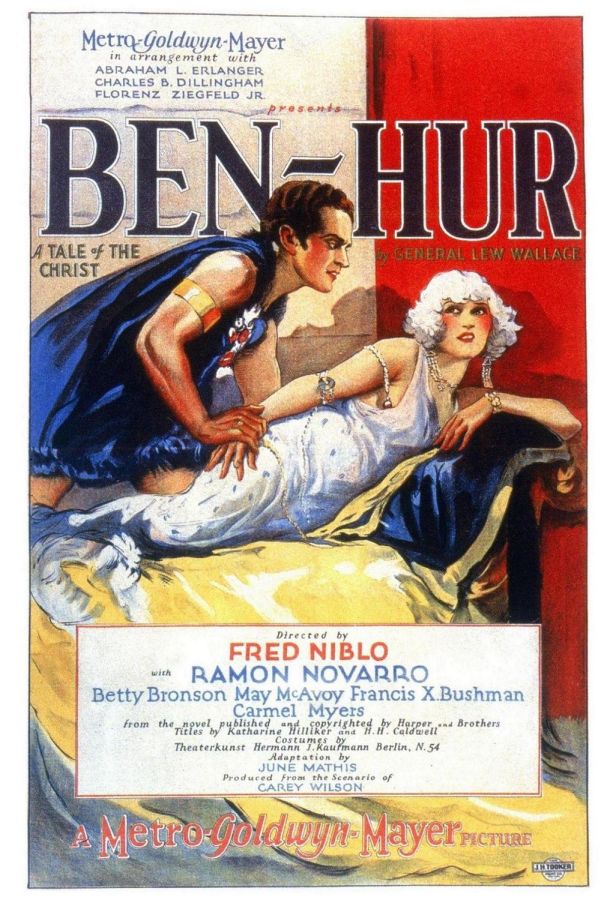
In Silent Movies, actors and actresses had to act twice as hard as they do today. This Movie is an incredible spectacle. Pop some popcorn and Enjoy!
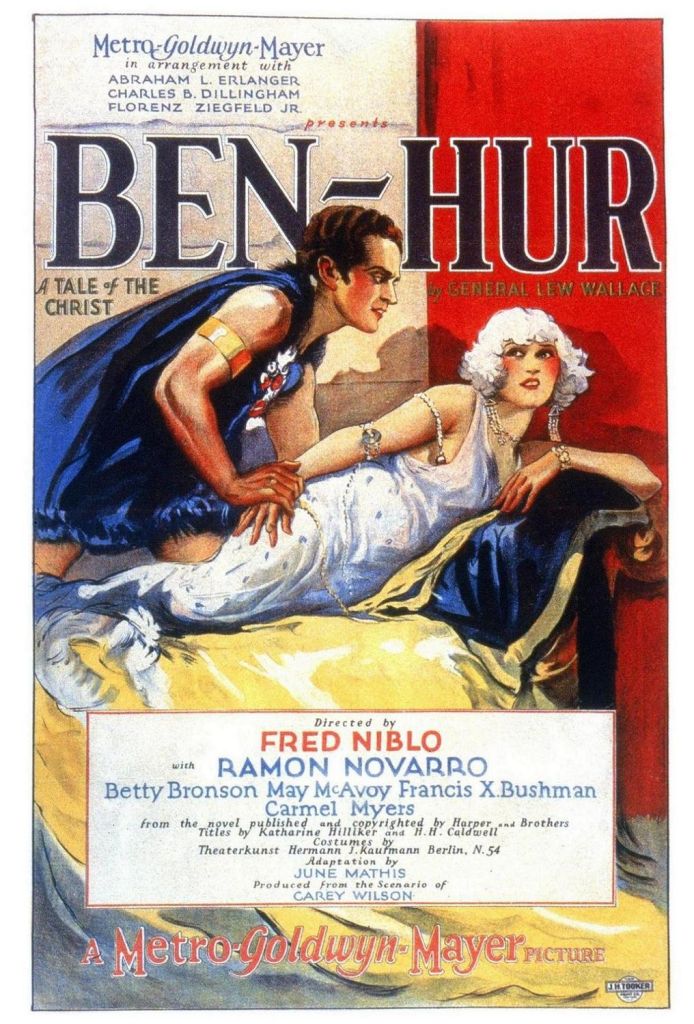
“Ben-Hur: A Tale of the Christ” (1925)
“Ben-Hur: A Tale of the Christ” (1925) is not just a movie; it’s an unforgettable cinematic journey that has left an indelible mark on film history. This landmark silent epic stands as a testament to the artistry of early filmmaking, combining grand storytelling with breathtaking visuals and unforgettable performances.
Based on the classic 1880 novel by Lew Wallace, “Ben-Hur: A Tale of the Christ” intricately weaves the themes of vengeance, faith, and redemption into an epic narrative that continues to resonate with audiences today. It tells the story of Judah Ben-Hur, a Jewish prince in ancient Judea who is betrayed by his Roman childhood friend, Messala. What follows is a harrowing odyssey of betrayal, enslavement, and a quest for revenge. As Ben-Hur navigates the treacherous waters of his fate, he encounters Jesus Christ, intertwining a personal tale of vengeance with profound religious themes. This unique blend of adventure and spirituality sets the stage for one of the most powerful narratives in cinema.
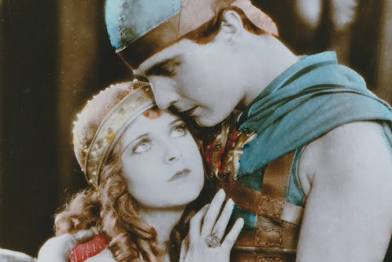
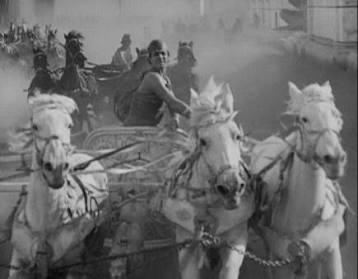
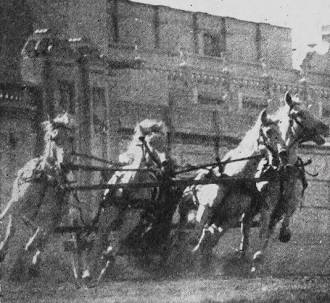
The film’s production is nothing short of spectacular. Directed by Fred Niblo, with uncredited contributions from other renowned filmmakers, “Ben-Hur” was a monumental endeavor, boasting a staggering budget of approximately $4 million—an extraordinary sum for its time. The lavish scale of the production featured grand sets, intricate costumes, and an astonishing array of extras, ensuring that each frame of the film was infused with life and authenticity. Among its many achievements, the chariot race sequence stands out as a hallmark of cinematic innovation. This electrifying scene remains one of the most iconic moments in film history, showcasing thrilling cinematography and the raw power of human determination.
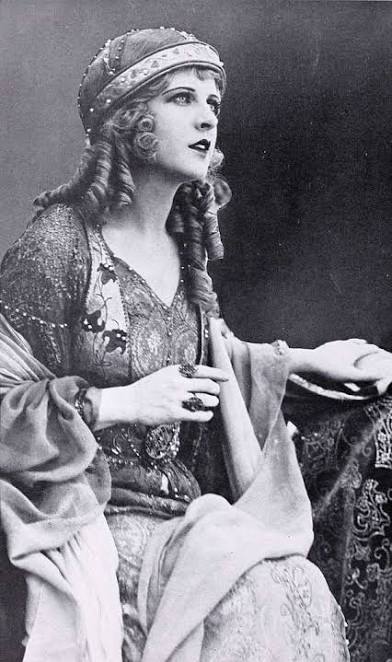
The performances in “Ben-Hur” elevate the film to another level. Ramon Novarro shines as Judah, embodying the character’s journey from innocence to the depths of despair, and ultimately to a deeper understanding of love and compassion. Francis X. Bushman’s portrayal of Messala adds layers of complexity to the story, representing the duality of friendship and rivalry that drives the narrative forward. Their performances, paired with the film’s grand visual spectacle, create a captivating experience that draws viewers into the world of ancient Rome and Judea.

“Ben-Hur” not only set a new standard for epic filmmaking but also explored profound religious themes that resonate with viewers on multiple levels. The film’s depiction of Jesus Christ is respectful and poignant, adding a layer of spiritual depth that invites reflection and introspection. This unique integration of a personal story with a universal message of faith and redemption contributes to the film’s significance, making it relevant across generations.
At least 100 horses were killed during the filming of the 1925 silent film Ben-Hur: A Tale of the Christ. The deaths occurred during the filming of the chariot race in Circus Maximus.
In its historical context, “Ben-Hur” exists as one of the most significant silent films ever made. It paved the way for future epic films and demonstrated the power of storytelling through visual artistry. It is a cinematic experience that celebrates not only the triumph of the human spirit but also the search for meaning in a chaotic world.
Today, “Ben-Hur: A Tale of the Christ” remains a must-see for anyone who appreciates the rich tapestry of film history. Whether you are a fan of epic tales, a history buff intrigued by ancient civilizations, or simply someone seeking a captivating story of redemption and faith, “Ben-Hur” delivers on all fronts. Its breathtaking visuals, powerful performances, and enduring themes make it an essential part of any film lover’s journey. Experience the passion, drama, and sheer epic scale of “Ben-Hur”—a film that is sure to leave you inspired long after the credits roll.


In terms of publicity and prestige however, it was a great success. “The screen has yet to reveal anything more exquisitely moving than the scenes at Bethlehem, the blazing of the star in the heavens, the shepherds and the Wise Men watching. The gentle, radiant Madonna of Betty Bronson’s is a masterpiece,” wrote a reviewer for Photoplay. “No one,” they concluded, “no matter what his age or religion, should miss it. And take the children.”[16] It helped establish the new MGM as a major studio.[17][18]
A superb Movie!
- The use of a “running W” to trip galloping horses was a major factor in the deaths. A wire stretched in the shape of a W was impossible for a horse to see and navigate without tripping.
- The rutted surface of the track couldn’t handle the weight of the horses and chariots.
- Second unit director B. Reeves Eason ordered that any horses injured in the chariot crashes be shot.
The film became controversial after its release due to the harm to the animals. Animal advocates criticized the use of the “running W”.
The film was an adaptation of the 1880 Lew Wallace novel about ancient Rome. It was a wildly expensive and unsafe production that also killed at least one cast member.
Truly sad about the Horses. But you can watch them being killed.
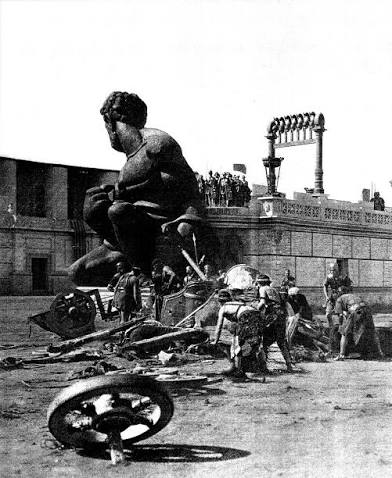
Ben-Hur (1925). An early filming attempt of the chariot race was done on location at the Circus Maximus in Rome. It brought about the death of one stuntman when a wheel of his chariot broke.
 thelivingbreathingjamesbrown.com
You must be logged in to post a comment.