
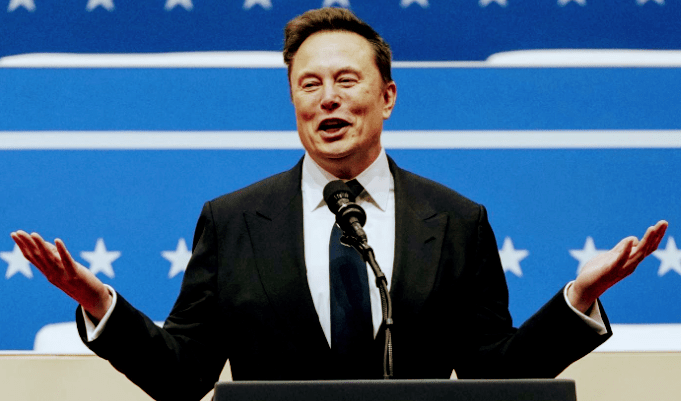
I truly feel sorrow for anyone who hadn’t figured out Trump and Musk when they go to theIr Manure Megaphones. Ask yourself if you believe what is being said if a 7 or 8 yr old child was saying it?
The claims made by notable figures such as Elon Musk and Donald Trump regarding the Social Security database reflect a troubling trend of misinformation that can influence public perception and understanding. Musk’s assertion about “20 million people who are definitely dead marked as alive” and Trump’s mention of “4.7 million people who are at least 100 years old” being paid out by the Social Security Administration both appear to lack credible evidence and seem to stem from a misunderstanding or misrepresentation of data.
To unpack these statements:
- Misrepresentation of Database Integrity: First and foremost, claims suggesting that millions of deceased individuals are listed as alive in the Social Security database oversimplify the complexities of data management within such large institutions. While it is true that record-keeping can have discrepancies, the assertion that these figures are not curated or corrected regularly is misleading. The Social Security Administration conducts periodic checks and updates its records based on death certificates and other documentation. The idea that such errors could impact the system to the scale mentioned is exaggerated and not reflective of how the agency operates.
- Misleading Statistics and Context: Trump’s claim about payments to individuals over 100 years old is also an oversimplification. While there may be cases of individuals living to advanced ages, attributing these payments to a failure of the Social Security system ignores the broader context of life expectancy and the realities of retirement funding. It’s essential to recognize that people are living longer due to advancements in healthcare and quality of life improvements, which could lead to an increase in the number of centenarians.
- The Responsibility of Public Figures: It’s concerning when influential individuals propagate falsehoods, whether intentionally or unintentionally. Public figures have a significant platform and a responsibility to communicate accurately, as misinformation can lead to public confusion, erode trust in institutions, and foster cynicism. By presenting dubious claims without robust evidence, they undermine the public’s ability to engage with policy and governance based on factual information.
- Critical Thinking and Skepticism: In an age rife with information (and misinformation), it is crucial for the public to cultivate critical thinking skills to discern fact from fiction. Rather than accepting sensational statements at face value, individuals should seek out credible sources, fact-check claims, and engage in discussions informed by verified information.
In essence, these remarks from Musk and Trump seem not only a distortion of reality but also an unfortunate neglect of the weight their words carry. Rather than contributing to informed discourse, they risk perpetuating misunderstanding about vital social systems. It’s imperative that as a society, we demand higher standards of accountability from those in power and foster an environment where truth prevails over sensationalism.
 thelivingbreathingjamesbrown.com