
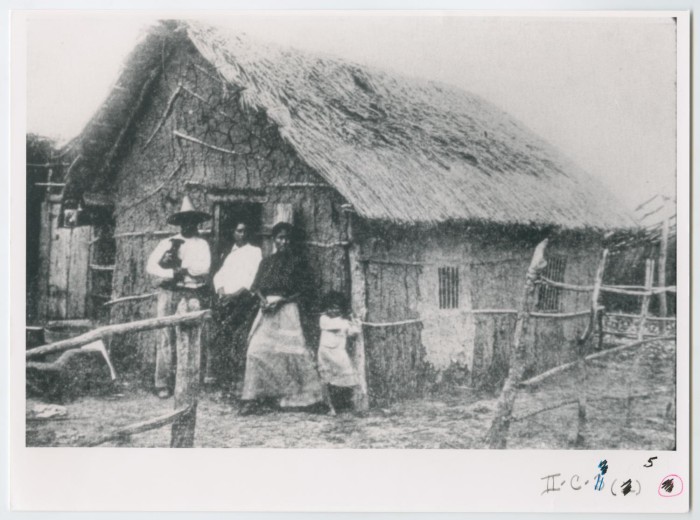
The Ongoing Push to Rid Ameeica of the Jacal Inhabitants still Reigns True in America. Don’t Know Them, Don’t Wanna Know Them? Don’t care nothing about them? Why not? Treating anyone sub-human is a tragedy, promoted thru Nationalism.
The Night of Terror: The Porvenir Massacre
The year was 1918, a time fraught with chaos and devastation. The Mexican Revolution was sweeping through the land, displacing families and inciting a wave of banditry that fostered deep mistrust along the U.S.-Mexico border. As the United States grappled with World War I, a cataclysmic atmosphere of fear and violence permeated this tumultuous landscape. Amidst this chaos, the small village of Porvenir, Texas—a fragile sanctuary for Mexican nationals and Mexican Americans striving for peace—was on the brink of an unfathomable tragedy.
The Evening of Betrayal
On that fateful night of January 28, 1918, as the sun dipped below the horizon and shadows wove themselves into the fabric of the village, a false sense of serenity cloaked Porvenir. Families huddled together, sharing stories filled with hope and dreams. Among them were 15 men and boys, each a vital thread in the community’s tapestry—a handful of their dreams still untouched by the cruel hands of fate.
- Pablo Dominguez, 22, was a farmer excitedly discussing plans to marry his childhood sweetheart, ready to build a life together.
- Ricardo Espinosa, 19, worked alongside his father, his ambition to become a teacher igniting his passion for educating younger children.
- José Salazar, 18, just returned from a trip to visit relatives, his laughter a bridge connecting love from one side of the border to the other.
- Antonio Morales, 35, a father of three, stood resolutely as the protector of his family.
- Luis Rojas, 15, dreamed of painting portraits that captured the vibrant essence of his homeland.
- Manuel Ortega, 40, carried the burden of patriarch to his aging parents after the loss of his wife.
- Miguel Hernandez, 25, a blacksmith of great repute, poured his heart into each piece of metal he shaped.
- Enrique Herrera, 30, shared stories of ancestry that breathed life into their heritage.
- Diego Garcia, 28, strummed his guitar, filling the night with melodies that told tales of love and loss.
- Santiago Cruz, 24, fought for the dignity of laborers, advocating for fair wages.
- Pablo Ruiz, 17, found joy in young love, his heart still untainted by the world’s harsh reality.
- Fernando Jimenez, 45, was a symbol of resilience, weathered but unbroken.
- Alberto Vega, 32, found solace in the embrace of his family after long weeks of toil in the mines.
- Gabriel Salas, 21, sought to heal his community through medicine and compassion.
- Arturo Mendoza, 29, had just learned the craft of mechanics, dreaming of new horizons.
- Samuel Torres, 16, idolized these older men, dreaming of the future they paved through their courage.
Under the darkened sky, a malignant storm brewed, foreshadowing the terror lurking just beyond the horizon. Reports of a contingent of Texas Rangers, U.S. Cavalry soldiers, and local ranchers descending upon Porvenir rippled through the air—a harbinger of violence motivated by deep-seated prejudices and unyielding fear.
The Horror Unfolds
With a cloak of darkness concealing their intentions, the armed men stormed the village, their hearts primed for retribution rather than justice. They proclaimed that bandits were operating within the village, a brazen accusation against innocent lives. In their eyes, the color of skin sealed a fate far worse than mere guilt; it rendered them guilty before the act.
“Please, we are not bandits! We are community!” echoed through the air, desperate voices seeking sanctuary from barbarity, but such pleas were swallowed by indifference. Bound and herded like cattle, the men and boys were ripped from their homes, the pleas of family and friends drowned in the clamor of their capture.
Taken to a secluded patch of land on the edge of their village, the cold air pulsed with an unearthly chill—one that knew too well the horrors about to unfold. As they stood, handcuffed and trembling with fear, the stark reality of their fate dawned upon them. The soldiers lined them up, unsparing and unyielding, stripping away their humanity and right to exist.
A Night of Carnage
The air was heavy with a sense of impending doom as cold, merciless shots shattered the silence, each crack resonating with pain and disbelief. One by one, the lives of Pablo, Ricardo, Luis, and their companions were extinguished, their warm blood seeping into the hard, unfeeling earth. The sound of laughter turned into the silence of death, echoed only by the cries of the forgotten.
Their bodies—lifeless vessels of unfulfilled dreams—lay still on the ground, cruelly discarded as if their lives had never mattered. The moon, cold and indifferent, bore witness to the heartbreaking injustices time and again, an eternal symbol of nature grieving over the innocent lives snuffed out.
The Aftermath: A Community in Grief
As dawn broke over Porvenir, the village awoke to the realization of horror—the lifeless forms of fathers, sons, and brothers were strewn like wilted petals across the dirt. The wails of grief reverberated through the air, growing from disbelief into a visceral rage. The massacre had wrought deep gashes into the community’s heart, already frayed from years of oppression and violence.
Though stripped of their men, the local Mexican American community faced an even harsher landscape of discrimination. With no justice sought for the lives of Pablo, José, Diego, and others, those enforcers of hatred were shielded by a system that permitted violence against those judged as inferior.
The Call to Justice
Years melted into decades, yet the names of the 15 forever echoed in the collective consciousness—each name a clarion call against the acts of violence that mar the very fabric of humanity. But as the years passed, hope flickered within the darkness. The relentless courage of figures like Rep. Canales ignited a movement to drag this dark chapter into the light, illuminating the injustices perpetrated against the innocent. He took a stand, attacking those who committed these crimes and pushing for recognition of a tragedy long buried under the weight of shame.
Through legislators and grassroots movements, the memory of the Porvenir Massacre began its long march toward acknowledgment. It demanded that the ghosts of those lost not only be remembered but honored with the justice they were unjustly denied.
A Legacy of Remembrance
The souls of Pablo, Ricardo, Antonio, and their fourteen companions now linger on in the hearts of those who remember—symbolizing resilience against oppression and the fight for justice that remains vital. They are memorialized not merely as victims but as beacons of dignity and humanity.
In The Night of Terror, the echoes of the past surge forward, reminding us of the unyielding battle waged for justice, equality, and the sanctity of life. Each year, the community gathers, recounting the stories of these lost souls, ensuring that their dreams, aspirations, and lives are woven into the consciousness of future generations—fueling a relentless quest for a just society, where no voice is silenced and every life is valued.
 thelivingbreathingjamesbrown.com
You must be logged in to post a comment.