

“America is being so misguided that you can’t see the Panther inching closer toward your Backside,” quote by The Living Breathing James Brown

DOGE AI doesn’t Get 🇺🇸. But Americans sure Get DOGE AI. And they sending a strong Message to all Americans. Will a $5000 DOGE Check keep you QUIET?
The Consequences of a Government Shutdown: The Threat of Evisceration under the Trump-Musk-DOGE-Coalition=PROJECT 2025 on Steroids!
In the halls of American power, the specter of a government shutdown looms, threatening to unleash chaos that could redefine the relationship between the state and its citizenry. During a compelling address on March 14, 2025, Senate Democratic Leader Chuck Schumer articulated the gravitas of this situation, warning that a shutdown would empower Donald Trump and Elon Musk and their mystifying creation and use of DOGE not merely to dismantle the government, but to accelerate their destructive agenda with unprecedented facility. Schumer’s remarks reveal a deep-rooted apprehension regarding government functionality and the potential repercussions of leadership that prioritizes individual ambitions over collective well-being. PROJECT 2025 on Steroids!
To understand the implications of allowing such a shutdown, one must consider the essential services that would be adversely affected. Schumer asserted, “In a shutdown, American families would be hurt in ways they almost have never been” (Schumer, 2025). Essential government services, including those provided by the Veterans Affairs offices and Social Security Administration, would be among the first casualties. For instance, disruptions to the Veteran Affairs offices could impede access to critical healthcare and mental health services for millions of veterans who rely on these benefits (Aikens, 2021). Furthermore, curtailed operations of Social Security offices could exacerbate the already precarious situations faced by the elderly and disabled, compelling them to navigate bureaucratic obstacles in their most vulnerable moments (Hacker, 2022).
America is under a real Attack from Within and everyone is being misguided to Look the other Direction thru Trump’s Expert Misdirection.
The tactical exploitation of a government shutdown by figures such as Trump and Musk is alarming. Schumer insisted that their management of the situation could result in a rapid decimation of federal services, stating, “DOGE has a plan in place to exploit the crisis for maximum destruction” (Schumer, 2025). This raises a critical question: What constitutes an “essential service,” and who determines it under a regime that operates unchecked? According to historian Eric Foner, “The concept of essential services is not just a bureaucratic designation; it is a moral imperative that showcases a government’s priority for its citizens” (Foner, 2016). In a scenario where Trump and Musk dictate these priorities, we risk losing sight of our collective responsibility to support the most vulnerable among us.
Moreover, as Schumer noted, a government shutdown serves as a distraction from the broader issues at play, including the ongoing debates over Social Security, Medicare, and Medicaid. “A shutdown would be the best distraction Donald Trump could ask for—a distraction from his awful agenda” (Schumer, 2025). This observation reinforces the perspective shared by political analysts who argue that Republican strategies often divert attention from pressing socio-economic issues, allowing for further tax breaks for billionaires while neglecting the middle and lower classes (Piketty, 2014; Reich, 2015).
The current political landscape elucidates a wider trend toward the convergence of government and corporate interests, exemplified by the ambitions of business moguls like Musk. As political theorist Naomi Klein argues, “Disasters are the natural result of capitalism and authoritarianism working in concert, where the dismantling of public goods bolsters private enterprise” (Klein, 2007). The potential for a shutdown represents a critical juncture where the state apparatus could be restructured to favor private interests, exacerbating wealth inequality and eroding public trust in government institutions.
The ramifications of shutting down the government extend far beyond immediate inconveniences. As outlined in Schumer’s oration, “A shutdown would allow DOGE to shift into overdrive” (Schumer, 2025). This metaphor vividly encapsulates the fears surrounding an unchecked power vacuum emerging in the current political climate. It is essential to remember that government officials have a duty to safeguard democratic institutions—a responsibility that is jeopardized under the mismanagement that typically accompanies a shutdown.
In conclusion, the potential for a government shutdown under the stewardage of Trump and Musk serves as a dire warning about the fragility of democracy and the vital services it provides. The ramifications of their actions could precipitate a cascade of disasters that affect millions, reinforcing the need for a vigilant electorate dedicated to preserving the integrity of democratic governance. As Schumer aptly stated, “Our caucus will be united in our determination to continue the long-term fight to stop Donald Trump’s dangerous war on our democracy” (Schumer, 2025). It is imperative that citizens engage in this fight, recognizing that the stakes are not merely political; they are profoundly human.
References:
- Aikens, T. (2021). The Impact of Government Shutdowns on VA Services. Journal of Public Administration Research and Theory.
- Foner, E. (2016). Give Me Liberty: An American History. W.W. Norton & Company.
- Hacker, J. S. (2022). The Great Risk Shift: The New Economic Insecurity and the Decline of the American Dream. Oxford University Press.
- Klein, N. (2007). The Shock Doctrine: The Rise of Disaster Capitalism. Metropolitan Books.
- Piketty, T. (2014). Capital in the Twenty-First Century. Harvard University Press.
- Reich, R. (2015). Saving Capitalism: For the Many, Not the Few. Knopf.
- Schumer, C. (2025). Leader Schumer Floor Remarks On The Need To Avoid A Devastating Government Shutdown. United States Senate.
- Schumer, C. (2025). Government Shutdown: What It Means for American Families. Senate Democratic Caucus.
- Varney, G. E. (2023). The Economic Costs of Government Shutdowns. Economic Policy Review.
- Yglesias, M. (2024). The Political Dynamic of Government Shutdowns and Their Long-Term Consequences. Vox Media.
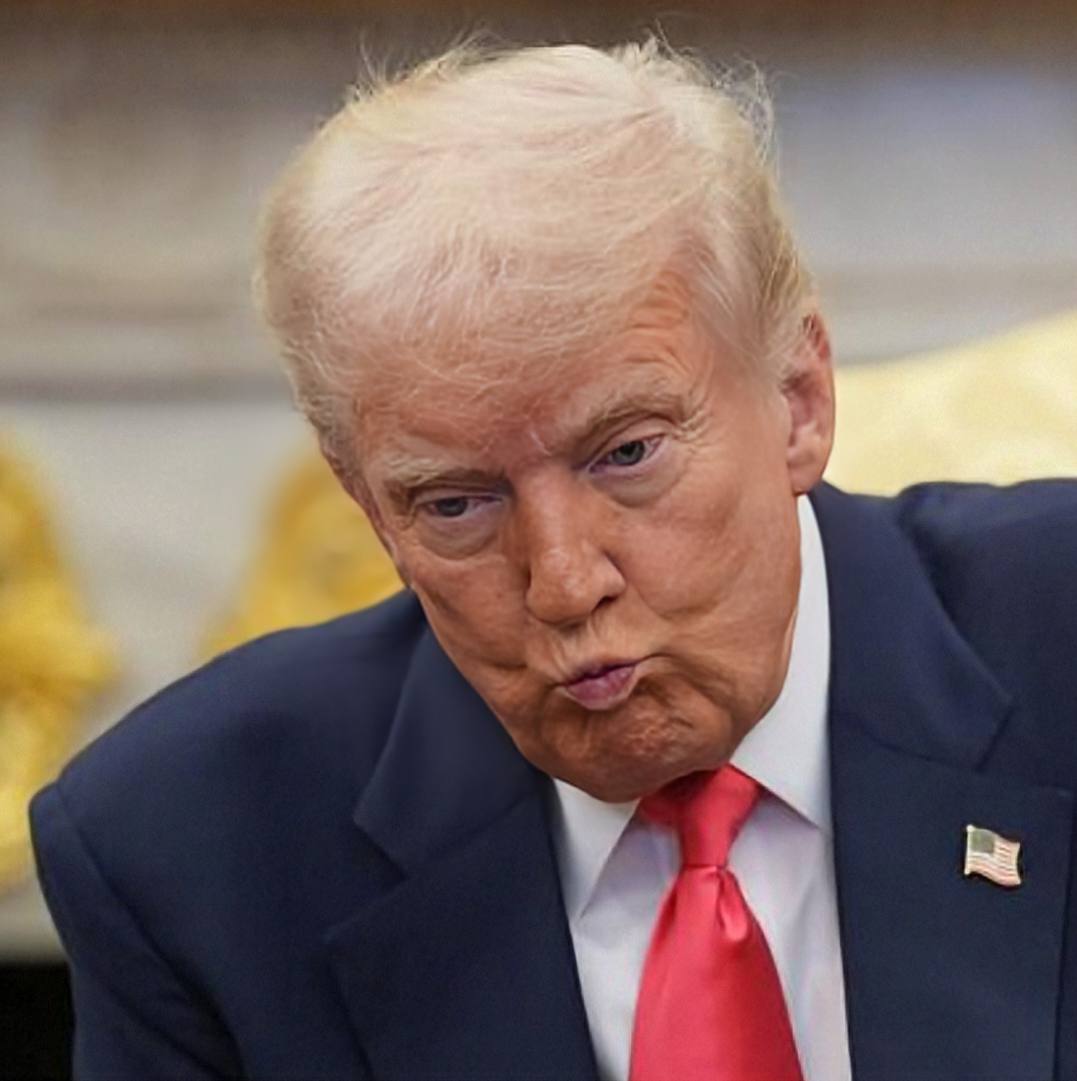

$5000 Stimulus Check to Taxpayers. Benefit of Trump’s Musk’s and DOGE’s Deception?
During the COVID-19 pandemic, the U.S. government implemented several stimulus measures to support the economy, including direct payments to individuals. When these stimulus checks were distributed, they had a variety of effects on the economy:
- Increased Consumer Spending: The direct cash payments helped boost consumer spending, which is a significant component of the U.S. economy. Many people used the money to buy essential goods, pay off debts, or save, which helped stimulate economic activity during a time of uncertainty.
- Support for Businesses: Increased consumer spending helped many businesses, especially those in retail and hospitality, stay afloat. This was crucial for preventing a deeper economic downturn.
- Mixed Economic Data: While there was an initial surge in spending and a bounce-back in certain sectors, the economy also faced challenges such as supply chain disruptions, labor shortages, and inflation. As a result, the stimulus’s effectiveness was mixed, with some sectors recovering quickly and others struggling.
Regarding the idea of Trump, Musk, and DOGE’s giving Americans a $5,000 check, it’s important to discuss a few implications:
- Inflation Concerns: Another round of large direct payments could lead to inflationary pressures, especially if the economy is already facing supply chain issues or other inflationary concerns. A significant injection of capital could exacerbate price increases.
- Short-term vs. Long-term Effects: While such payments might provide immediate relief and boost consumer spending again, they do not address underlying economic issues, such as labor market participation, production capacity, or long-term fiscal health.
- Perception and Political Implications: Politically, distributing large sums of money could be viewed in various ways. Some may see it as a necessary support, while others might view it as a way to distract from other economic challenges, including discussions around tariffs and trade policies under the Trump administration.
- Tariff Impacts: Tariffs imposed during Trump’s presidency affected various industries and contributed to higher prices for consumers. Economic mismanagement in areas such as trade policy can lead to recessionary conditions, but stimulus checks are a short-term remedy that do not fundamentally resolve those issues.
In conclusion, while stimulus checks can provide temporary economic relief and boost spending, they cannot substitute for sound economic policy and long-term growth strategies. The discussion around them also reflects broader political narratives and perceptions of leadership during economic challenges.
In January 2025, consumer spending in the US decreased by 0.2%, marking the first decline since March 2023 and the biggest decrease in nearly four years, despite rising incomes.
Here’s a more detailed breakdown of the latest consumer spending data:
Key Points:
- Overall Decline: Consumer spending, which accounts for more than two-thirds of US economic activity, dropped by 0.2% in January 2025.
- First Decline in Almost Two Years: This marks the first decline in consumer spending since March 2023.
- Largest Decrease in Four Years: The January 2025 decline was the biggest in nearly four years.
- Income Increase: Despite the spending decline, disposable personal income (DPI) increased by 0.9% in January.
- Spending Breakdown: The decrease in spending was primarily driven by a decline in spending on goods, while spending on services increased.
- PCE Price Index: The PCE price index, a measure of inflation, increased by 0.3% in January compared to the previous month.
- Inflation Concerns: While inflation is a concern, the PCE price index excluding food and energy still increased by 0.3% in January.
- Consumer Confidence: Consumer confidence decreased to 64.70 points in February from 71.10 points in January.
- Spending Intentions: US consumers reported feeling nearly as optimistic about the economy as they did at the end of the previous year, but spending intentions were down across several discretionary categories.
- Retail Sales: Retail sales fell by 0.5% in January, the first contraction in nine months.
Retail sales notched a monthly gain in February, but came in lower than anticipated, raising concerns that consumer spending —the engine powering the U.S. economy— is starting to sputter. The Census Bureau said Monday that retail sales rose 0.2% in February from January.
How would you use a big fat $5000 Check from your Government? Race to spend it or what? But do you want that money or is something truly Off about this Money? Is Trump, Musk, and DOGE hiding something?
Rhetoric that zooms to the Heavens?
- Gulf of America?
- Invade Panama to take back the Panama Canal?
- Buy Greenland?
- Make Canada the 51st State?
- Withholding Weapons and INTELLIGENCE from an Allie fighting a War?
- Give you a $5000 Check?
- Israel started War back up with HAMAS?
But what trickery is at hand?
Buy or listen to a Great Book-







 thelivingbreathingjamesbrown.com
You must be logged in to post a comment.