
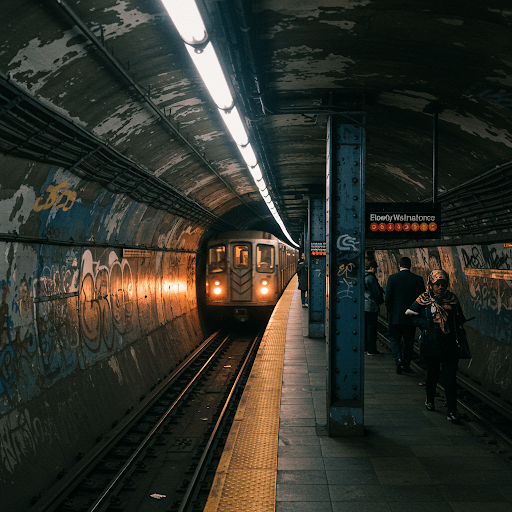
New York Subway Shovers: The Dark Side of the Urban Transit Experience
The New York City subway system, a marvel of urban engineering and a vital artery for millions of commuters, also holds a disturbing undercurrent. Among its many daily functions, it has become a backdrop for a chilling phenomenon — incidents of subway shoving.

https://www.aol.com/us-paying-el-salvador-6m-201628609.html
Here are exerts-
Trump on Saturday invoked the Alien Enemies Act of 1798 — its first use since World War II — to deport the migrants.
Trump thanked Bukele in a Truth Social post, writing: “These are the monsters sent into our Country by Crooked Joe Biden and the Radical Left Democrats. How dare they! Thank you to El Salvador and, in particular, President Bukele, for your understanding of this horrible situation, which was allowed to happen to the United States because of incompetent Democrat leadership. We will not forget!”
The president also has mused about deporting American citizens to places like El Salvador, specifically mentioning New York subway shovers as an example of the sort of domestic criminal he’d like to send abroad if legally permissible.
NEW York Subway Shovers being sent to El Salvador’s Terrorist Prison? Skip being American, Go Straight to Jail in El Salvador? Like playing MONOPOLY but in Real Life. Or do you prefer these Shovers be Shot by a Firing Squad?
New York Subway Shovers: The Dark Side of the Urban Transit Experience continues-
The mere thought of being violently pushed onto the tracks elicits fear and anxiety, spearheading a chilling narrative that haunts the daily lives of subway riders. Whereas the subway boasts millions of safe journeys each day, the specter of those few horrific moments escalates anxiety disproportionately, transforming an everyday commute into a psychological minefield.

The reality of injuries caused by being shoved onto the tracks is a dark truth that has captured public attention. High-profile cases, such as the tragic instance of a woman fatally shoved onto the subway tracks, amplify the fears of everyday commuters. Reports indicate that these incidents, while statistically rare compared to the volume of subway users, are terrifyingly vivid; riders can vividly imagine themselves in such a harrowing situation, leading to an incessant undercurrent of dread as they await their train. The ever-present threat of violent pushers lurking among the crowd feeds an atmosphere of vulnerability, making subway platforms a setting of potential nightmares.

Contributing to this atmosphere of fear are the extensive media reports that saturate public consciousness. News outlets often highlight sensational cases — skewing public perception and elevating the innate worries of riders who must navigate the subway daily. For instance, many recent articles in popular publications have recounted various incidents of innocent commuters who have found themselves thrust into life-threatening situations unexpectedly (Zhang, 2023). As social media amplifies these horrifying tales, people are left with an impression that the subway platforms are not just transit areas, but battlegrounds filled with potential threats waiting to ensnare the unsuspecting.
In addition to sensational media coverage, societal factors complicate the situation. A significant number of subway shoving incidents have been linked to individuals suffering from severe mental health issues. This facet raises poignant questions about the state of mental healthcare within society and the responsibility we bear to protect those grappling with such challenges. The visibility of these individuals on the subway highlights a societal failure that deserves attention and care as much as the safety of riders. The juxtaposition of fear and compassion can leave commuters conflicted; their instinct is to protect themselves from potential harm while also recognizing the human suffering behind these acts.

The perception of safety is deeply impacted by these traumatic shoves, even when overall crime rates in the subway remain low. The subway, a necessary and widely used mode of transportation, is haunted by the fear of an unpredictable shove. Commuters find themselves grappling with paranoia, often opting for crowded spaces that feel safer simply because they are filled with many people. Yet within that very crowd lies the apprehension: would-be shovers blend in with the masses, and the threat feels both immediate and invisible.
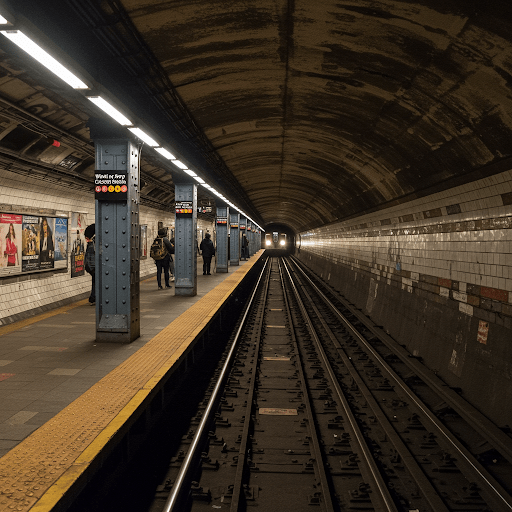
In recognition of these factors, authorities have sought various means to enhance subway safety through increased police presence. The NYPD has ramped up its visibility in subway stations to deter crime, aiming to create a reassuring presence in an environment fraught with anxiety (NYPD, 2023). Additionally, new surveillance systems are being installed throughout metro stations, which hold promise in capturing and preventing acts of violence. However, the reality is that while the presence of law enforcement may provide a certain degree of comfort, it can never completely erase the psychological burdens borne by riders.
In conjunction with law enforcement, mental health services have emerged as a crucial part of the conversation surrounding subway violence. While some initiatives call for stricter measures to manage individuals with severe mental illness, other community-focused programs seek to integrate care and support systems into subway safety discussions. Undoubtedly, finding a balance between the enforcement of safety measures and the cultivation of a compassionate society remains an ongoing challenge (Hochul, 2023).

For riders, practical safety tips can serve as comforting reminders of personal agency in a precarious space. Being vigilant about one’s surroundings, standing away from the platform edge, and reporting suspicious behavior to authorities can help mitigate some anxieties. However, these measures often feel like mere band-aids over a deep-seated fear that persists. As commuters step onto the metal platforms, scanning faces for telltale signs of danger, they confront both the thrill of urban life and the chilling reality that danger lurks in the shadows.
As we navigate this complex dialectic between fear and safety, commuters must confront the fact that a subway ride can swiftly shift from the mundane to the macabre in an instant. The haunting specter of subway shovers remains a tragic reality — a fragile reminder that while the subway is an artery of life in the city, it also carries the weight of fear that can turn an ordinary commute into a harrowing ordeal.

In conclusion, the psychological implications of subway shoving incidents in New York City can be profound and lasting. While the system facilitates the movement of millions each day, the occurrences of violence loom large in the minds of riders, transforming an essential mode of transportation into a source of anxiety and fear. Addressing this issue requires not only swift enforcement and surveillance but also a deep societal commitment to mental health care and compassion. The subway must remain a means of connection, not a stage for fear — and it is a responsibility we all share.
References
- Hochul, K. (2023). “Governor Hochul Highlights Ongoing Efforts to Keep Riders Safe on Subways.” New York State Government.
- NYPD. (2023). “Keeping Our Subways Safe.”
- Zhang, J. (2023). “Man critically injured after being pushed onto subway tracks in NYC.” YouTube.
- AMNY. (2023). “Hochul to push for involuntarily hospitalizing more severely mentally ill amid rash of subway violence.”
- R Street. (2023). “Subway Safety Crisis: The Balance Between Policing and Community Action.”
- NYC.gov. (2023). “Safety Measures for Subway Riders.”
- Metro Transit Authority. (2023). “Subway Safety and Reporting Issues.”
- Center for Urban Research. (2023). “Public Perception of Subway Safety: An Empirical Study.”
- The New Yorker. (2023). “Urban Fear: The Psychological Impact of Subway Violence.”
- The Atlantic. (2023). “Mental Health and Urban Safety: Breaking the Cycle.”
Buy or Listen to a Great Book-







 thelivingbreathingjamesbrown.com
You must be logged in to post a comment.