

The Hidden Costs of Shrinkflation: A Closer Look at Grocery Prices
SHRINKFLATION HAS HIT MARUCHAN INSTANT NOODLES TOO!
In recent years, consumers have become increasingly aware of a phenomenon known as “shrinkflation.” This term describes the practice of reducing the size or quantity of a product while maintaining the same price, effectively creating a hidden cost for the buyer. While this strategy offers manufacturers a way to mitigate rising production costs without raising prices outright, it also has profound implications for consumers, particularly when it comes to essential items like groceries.
Understanding Shrinkflation
Shrinkflation can be seen in various products, but it has become particularly noticeable in grocery items. Take, for instance, ground beef. In the past, a standard package might weigh one pound and cost around $5. However, with shrinkflation, consumers may now find packages that weigh only 12 ounces for the same price. The decrease in quantity is often unrecognized until purchases are made more frequently, leading to confusion and frustration at the checkout.

Similarly, necessities like eggs and milk have also faced shrinkflation. A typical carton of eggs previously contained a dozen, but some brands have begun to market their products as a “large 10-pack,” yet charge the same price as the older, larger size. Milk, sold in pint cartons, has also undergone changes; what used to be a consistent size can now vary slightly from carton to carton, with some having less liquid while still carrying the same price tag.
The Psychological Impact
The implications of shrinkflation extend beyond simple economics. By cutting down on product sizes while retaining the same prices, retailers effectively create an illusion of consumer savings. In a landscape where inflation has driven prices higher—ground beef often hitting $7 per pound, eggs exceeding $4 for a four-pack, and pint-sized milk cartons rising to $3—consumers may feel a sense of relief when they come across a product that appears lower priced. However, the reality is that they are actually receiving less for their money.

This method not only misleads consumers into thinking they are spending less, but it also subtly influences their perceptions of value. The strategic reduction in size can create a false narrative that the economic system is stabilizing prices, while in truth, it is just masking the impact of inflation.
The Consequences of Shrinkflation
The consequences of shrinkflation are far-reaching, especially in communities already struggling with food insecurity. Families with tight budgets may rely on quantity rather than quality, making the shrinking sizes of essential items a significant blow. When ground beef has effectively shrunk in size—and thus serves fewer meals—families are placed in a difficult position, requiring them to adapt and adjust their diets to cope with rising costs.
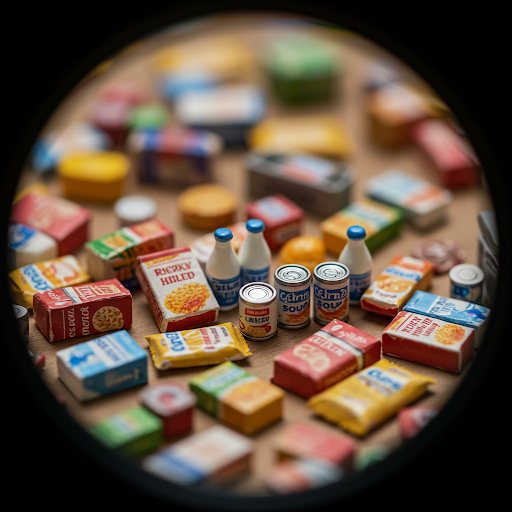
Moreover, as fruits and vegetables undergo similar transformations in both pricing and sizing, the impact on nutritional choices can be detrimental. With smaller portions, families may find it challenging to meet their dietary needs, leading to poorer health outcomes over time.
Concluding Thoughts
As consumers navigate a reality defined by shrinkflation, it becomes crucial for them to remain vigilant. Understanding this phenomenon empowers individuals to make informed choices about their grocery shopping. While the illusion of lower-priced groceries may provide short-term relief, consumers must recognize that reducing size does not equate to genuine savings.

With ground beef and eggs becoming more expensive per ounce or cut down to size, the message is clear: be conscious of what you are truly buying. The solution lies not in the packaging of groceries but in advocating for transparency and accountability in pricing. As we confront the challenges of rising food costs, let us not lose sight of the importance of size and value—a true measurement of what we receive beyond just the price tag.
 thelivingbreathingjamesbrown.com
You must be logged in to post a comment.