
Hidden in the winds are echoes of how Trump hopes to Take Control of America with the aid of Musk and other Billionaires. Will Elections be held in 2028? I don’t think so…

The Perils of Historical Manipulation for Self-Serving Agendas: A Scholarly Inquiry into Anti-Blackness and the Commercialization of Cultural Heritage
In the preceding decade, the global discourse concerning historiography has become increasingly fraught with tensions between historical revisionism and the advocacy of personal or ideological schemes, particularly fostered by influential elites. The ramifications of such distortions are manifold, implicating not only academic rigor but also societal consciousness deeply entrenched in systemic issues, notably anti-Blackness. The recent endeavors by political figures, including former President Donald Trump’s attempts to reconfigure the narratives promulgated by esteemed institutions such as the Smithsonian, epitomize how historical narratives can be weaponized to further individualistic objectives. This situation engenders profound anxieties regarding the safeguarding of accurate historical accounts and highlights the commodification of culture and heritage, particularly evident in the auctioning of irreplaceable artifacts—an action reminiscent of the disconcerting realities of colonialism and economic inequity.

At the crux of historical manipulation lies the peril of cultivating narratives that align selectively with the aspirations of the powerful, frequently at the detriment of marginalized populations. In the context of Trump’s executive orders, the purported aim is to expunge what he characterizes as “anti-American ideology” from educational and cultural institutions. This initiative, cloaked in the guise of patriotism, endeavors to delegitimize the historical narratives and contributions of minority groups, particularly African Americans, consequently entrenching anti-Black sentiments. By curating a historical account that obfuscates systemic injustices, societal disparities, and the rich tapestry of diverse contributions, those in authority facilitate a collective historical amnesia that adversely impacts communal memory.
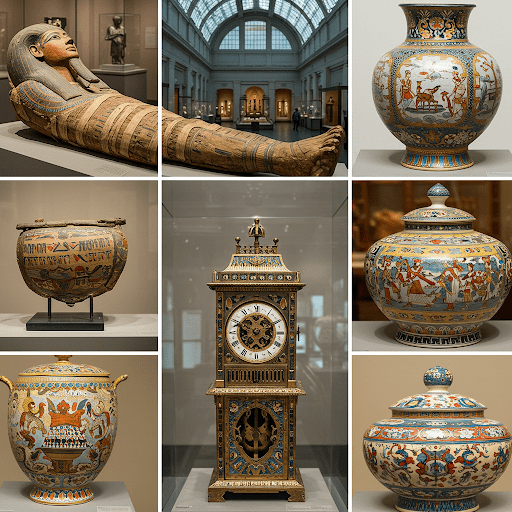
The implications of altered historical narratives extend beyond the realm of academia; they materialize in societal norms and behaviors that perpetuate anti-Blackness and various forms of discrimination. The transformation of museums and educational institutions into bastions of ideological conformity stifles critical inquiry and undermines the necessity for inclusive dialogue. Moreover, the insistence that institutions must be “restored” to an ostensibly accurate portrayal of history is inherently exclusionary, legitimizing certain historical experiences while marginalizing others. The hesitance to grapple with uncomfortable truths regarding racial injustice in America reflects a disconcerting trend toward historical homogenization, privileging particular experiences while reinforcing extant power structures.
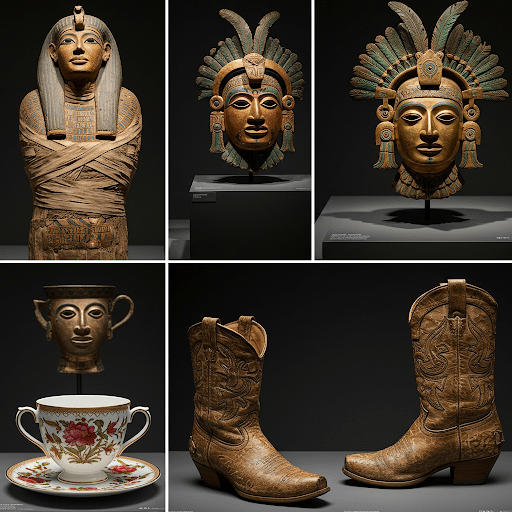
Exacerbating the challenge posed by historical revisionism is the insidious practice of commodifying cultural artifacts. The current milieu, characterized by the sale of historically and culturally significant items to the highest bidder—speculated to occur in venues such as Mar-a-Lago—highlights a commodification of heritage that echoes the nefarious practices of yesteryears. This practice not only diminishes public access to cultural heritage but also perpetuates enduring inequalities wherein affluent individuals dictate which aspects of history are memorialized, esteemed, or elided. The commodification of iconic artifacts, often bereft of their contextual significance, reduces a rich historiography to mere commodities, serving as a stark reminder of the commodification of cultural heritage that has characterized colonial and post-colonial narratives.
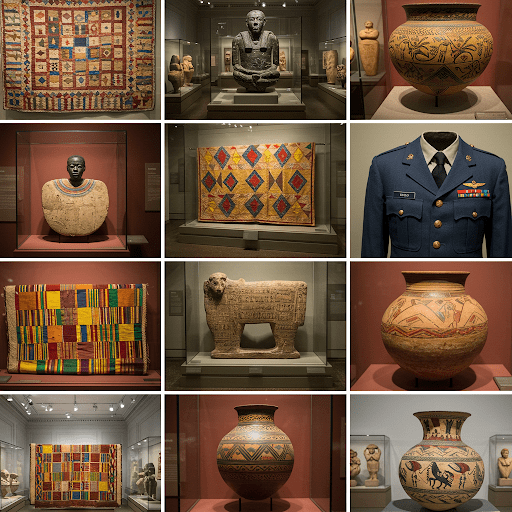
The convergence of historical manipulation and cultural commodification ignites a crucial discourse on the ethics surrounding heritage preservation in contemporary society. Rather than merely catering to the whims of the powerful, custodians of cultural legacies must assume the role of stewards of their histories, championing narratives that elevate marginalized voices and promote mutual understanding. Confronting anti-Blackness necessitates an acknowledgment of historical legacies—namely, the painful narratives of slavery, discrimination, and systemic inequality—and a steadfast commitment to addressing historical injustices.
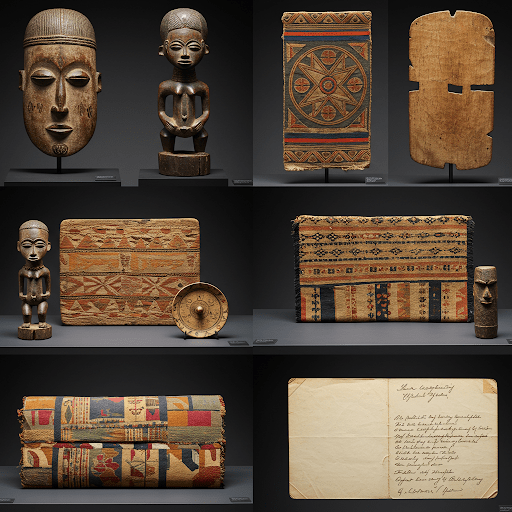
In conclusion, the perils associated with the distortion of history to satisfy personal ambitions and the aspirations of the affluent pose significant threats to the integrity of cultural institutions and the very structure of society. By critically examining the implications of such revisions, we must remain vigilant against the forces intent on sanitizing history for ideological ends. As custodians of history, it is our imperative to uphold narratives that reflect truth, foster inclusivity, and dismantle the anti-Black frameworks that have persisted through generations. Only then may we aspire to construct a more just society that reveres and learns from the complexities of our shared historical experience.
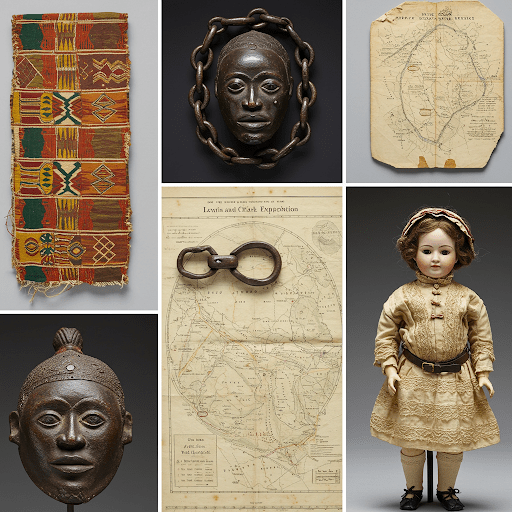
The underlying current driving all these dynamics is a resistance to Diversity, Equity, and Inclusion (DEI) initiatives. This intertwining of anti-DEI sentiment raises questions about societal structures and their implications.

Apartheid, defined as a system of racial segregation and discrimination institutionalized by the white minority government in South Africa from 1948 to 1994, resulted in severe impositions on the rights and freedoms of non-white South Africans.

Key Features of Apartheid:
Racial Segregation:
Apartheid, translated as “apartness” in Afrikaans, enforced stringent separations of individuals based on race, resulting in a vastly disproportionate allocation of rights and privileges to white South Africans.

Legal Discrimination:
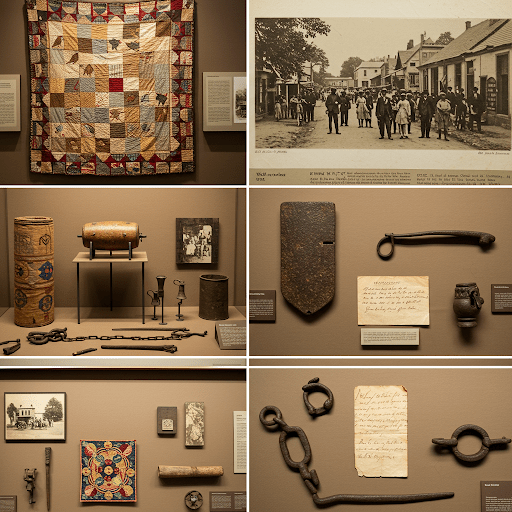
The establishment of apartheid was formalized through legislation that constrained where non-white individuals could reside, work, pursue education, and access public facilities.
Loss of Rights:
Non-white South Africans were systematically disenfranchised, stripped of the right to vote, own land in white-designated areas, and engage in political processes.
Forced Relocation:
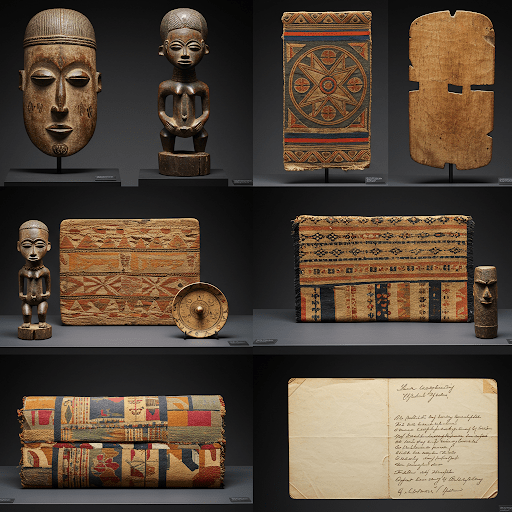
Millions of black South Africans were forcibly removed from their homes and relocated to segregated zones referred to as “homelands” or “Bantustans.”
Pass Laws:
Non-white individuals were mandated to carry passbooks, serving as identification and travel permits, which severely restricted their movement.
Economic Disadvantage:
The apartheid regime instituted an economic structure favoring white South Africans, which catalyzed widespread poverty and unemployment among non-white communities.
Suppression of Resistance:
The apartheid government ruthlessly quelled any forms of dissent against its policies, leading to protests, uprisings, and the political imprisonment of activists.

Key Events and Organizations:
1948:
The National Party, a pro-apartheid political entity, secured electoral victory and initiated the policy.

1950s:
The Group Areas Act and allied legislation codified racial segregation and restrictions on non-white populations.

1960s:
The Sharpeville Massacre, wherein police lethally confronted peaceful demonstrators, underscored the brutal nature of the apartheid regime.

African National Congress (ANC):
A prominent political organization that played an instrumental role in the anti-apartheid movement, initially advocating non-violent resistance and subsequently engaging in armed struggle.

Nelson Mandela:
A renowned anti-apartheid activist and eventual president of South Africa, who endured decades of incarceration for his resistance efforts.
End of Apartheid:
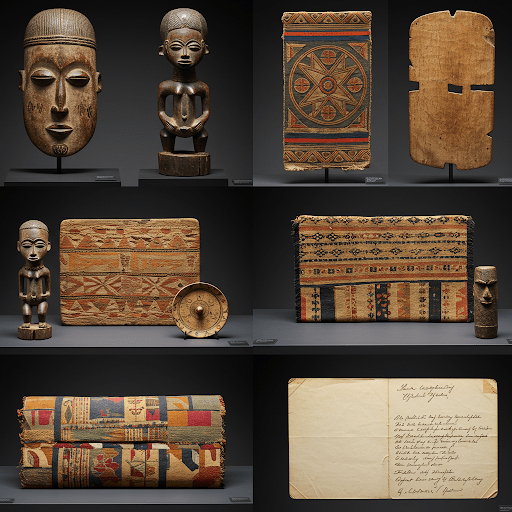
In the early 1990s, under mounting pressure from international sanctions and domestic resistance, the apartheid government commenced negotiations with anti-apartheid entities, culminating in the dismantling of apartheid and the establishment of a multiracial democracy in 1994.

In light of current socio-political dynamics, the potential for civil unrest, such as the “Black Riots” anticipated by 2028, may be strategically utilized to justify militarized interventions and the suspension of electoral processes. As we navigate these contentious waters, we must critically examine the implications of historical manipulation and advocate for equitable representation within the larger narrative of societal progress.
The winds are blowing with soft words being spoken now that may turn to violent words because of one provocation after another. Watch Out White Man you may get what you so much desire-TOTAL DICTATORSHIP
DO YOU LIKE YOUR HISTORY BEING RE-WRITTEN BY MEN WHO ARE NOT HISTORIANS? Do you Approve? What if this were only Blacks re-writing White History? You get it now? Not pretty is it? And no one to Fight Back? To say-
NO NO NO NO NO WE DON’T WANT YOU CHANGING OUR HISTORY INTO YOUR ONLY HISTORY!
How did South African Apartheid suddenly get into mainstream American Politics? How? Ask Donors like Musk and other Billionaires Friends that must be living in fear of a South African Apartheid Event happening in America. It’s all in their minds, but their Actions can only piss on American Black Culture and how long will they accept the piss on their Backs?
God Bless All of the Black Culture in America and All Minorities. May God Judge You and Curse You to Hell Damnation if your intentions are a Dictatorship. But it appears to be going that way and it’s so obvious. Can’t you see it?
 thelivingbreathingjamesbrown.com
You must be logged in to post a comment.