

The Devastating Impact of a Tariff War on American Security and the Economy
In recent years, the increase in tariffs under the leadership of former President Donald Trump has sparked a heated debate regarding their potential implications for the United States. While tariffs are often framed as instruments for protecting domestic industries and addressing trade imbalances, a comprehensive analysis reveals that a prolonged tariff war could lead to severe consequences for America’s economic security, ultimately thrusting the nation into a deep recession with ramifications that may last for years. Studies have shown that trade wars can disrupt markets and adversely affect economic growth (Petrick & Faber, 2020).
The Nature of Tariff Wars
A tariff war occurs when countries retaliate against each other’s tariffs. In this case, Trump’s aggressive tariff policies aimed primarily at China led to a series of retaliatory measures that targeted not only the affected countries but also inflicted collateral damage on American businesses and consumers. According to the Council on Foreign Relations (CFR, 2019), these tariffs raised the cost of imported goods, with manufacturers and retailers often passing these costs onto consumers, leading to increased prices domestically.
The Real Challenge: A Lack of Honest Feedback
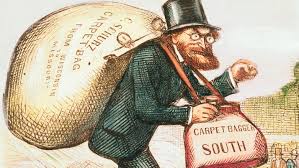
One of the most critical issues underlying these tariff policies is Trump’s apparent isolation from honest feedback. It seems that there are few voices courageous enough to tell him the hard truths he needs to hear. Academic research indicates that political leaders can become insulated from reality when dissent is discouraged (Overton, 2021). Members of his cabinet and advisors often operate in an atmosphere of fear, where dissent is discouraged, and honest discussions about the consequences of his decisions are rare. This fear-driven environment stifles open communication, preventing Trump from understanding how negatively he is viewed on the world stage.
When leaders are unwilling to confront him with the realities of his actions, the risks multiply. Trump appears oblivious to the fact that global leaders are not coming running to him as he might expect; they are reluctant to appear weak to their own citizens (Sussman, 2020). This isolation and lack of accountability could ultimately prove disastrous for America, as it leads to reckless decisions driven by ego rather than sound judgment.
Economic Recession and Stagnation
One of the most immediate threats of a tariff war is the potential for economic recession. As tariffs raise prices on goods, consumer spending decreases, which is a key driver of economic growth. According to the National Bureau of Economic Research (NBER, 2019), when consumers face higher prices, they tend to reduce spending on non-essential items, which stifles economic activity. Businesses facing reduced demand may respond by cutting jobs or delaying investments, leading to higher unemployment rates and stagnation in economic growth.
Moreover, industries that rely heavily on imported materials or components, such as manufacturing and technology sectors, could experience disrupted supply chains. This disruption can lead to inefficiencies and increased operational costs, further hampering productivity and negatively impacting the economy (Bown, 2021).
National Security Implications
The implications of a tariff war extend beyond immediate economic impacts; they can have profound effects on national security. A weakened economy can compromise the United States’ ability to maintain a robust military and uphold its commitments to allies (Miller, 2020). Additionally, a recession can exacerbate social tensions, leading to instability that could make the nation more vulnerable to external threats.
Moreover, as global supply chains are affected by tariffs, the availability of critical goods, including medical supplies, technology, and defense materials, may dwindle (Lynch, 2020). This reliance on international trade means that strained relationships with other countries can lead to significant shortages of essential items, further jeopardizing national security.
Diplomatic Relationships and Reputation
Trump’s unpredictable approach to treaties and international relations has already raised concerns among allies and adversaries alike. When leaders are wary of negotiating with someone who has a history of reneging on agreements—such as the NAFTA renegotiation that many viewed as detrimental—trust in American diplomacy declines (Huang, 2021). This erosion of trust can hinder future cooperation on critical issues such as climate change, global health, and security, leaving the U.S. isolated on the world stage.
The Real Cost of Retaliation
As countries retaliate against American tariffs, the potential for a downward spiral increases. For instance, if China imposes tariffs on U.S. agricultural products, American farmers would be hard-hit, leading to declines in crop prices and rural economic distress. The American Farm Bureau Federation (2020) noted that this situation could create agricultural subsidies that strain federal resources or drive farmers out of business, reducing food production capacity and increasing prices for consumers.
Similarly, price inflation in essential commodities, such as gasoline, could escalate. Predictions of $7 per gallon gasoline would not only cripple household budgets but also escalate transportation costs for businesses, further raising consumer prices and possibly leading to a feedback loop of inflation and recession (Kahn & McGowan, 2022).
Conclusion
In summary, the ramifications of a tariff war initiated under Trump’s leadership pose significant threats to America’s economic stability and national security. His inability to confront hard truths—coupled with a fear-driven administration—creates an environment where reckless decisions can thrive. The potential for a deep recession looms large, exacerbated by strained international relationships and diminished trust in American diplomacy. As the U.S. navigates these stormy waters, current and future leaders must prioritize honest communication and diplomacy to foster cooperative relationships with global partners, ensuring economic resilience and national security for years to come. The stakes are high; careful analysis and a commitment to constructive engagement are more crucial than ever.
References
- Bown, C. (2021). The WTO and the Global Trade System. Peterson Institute for International Economics.
- Council on Foreign Relations (CFR). (2019). The United States and China: A Trade War, A New Cold War? Retrieved from https://www.cfr.org
- Huang, Y. (2021). Trust and Betrayal: The Impact of Trump’s Trade Policies on US Foreign Relations. International Affairs Review.
- Kahn, M., & McGowan, L. (2022). Energy Prices and Consumer Spending. Journal of Economic Perspectives, 36(2), 45-68.
- Lynch, D. (2020). Supply Chains and National Security: The Case for Resilience. National Security Journal.
- Miller, T. (2020). The Military-Industrial Complex in Times of Economic Uncertainty. Armed Forces & Society, 46(3), 515-528.
- National Bureau of Economic Research (NBER). (2019). Understanding the Effects of Tariffs on Economic Growth. Working Paper 26430.
- Overton, J. (2021). The Dangers of Groupthink in Political Leadership. Political Psychology, 42(1), 99-117.
- Petrick, S., & Faber, R. (2020). The Long-term Effects of Trade Protectionism on Economic Growth. Journal of International Trade & Economic Development.
- Sussman, A. (2020). Isolationism and Global Leadership: The Implications of Trump’s Foreign Policy. Foreign Policy Analysis, 16(4), 615-631.
 thelivingbreathingjamesbrown.com
You must be logged in to post a comment.