
A Shattered Economy: The Imminent Collapse of Financial Systems in America and Beyond
As we stand on the precipice of catastrophe, a chilling forewarning emerges from the shadows of our current economic framework. The projected total financial collapse in America and the world evokes a grim scenario where societal norms dissolve and chaos reigns supreme. Imagining a world where a single bullet—a newfound currency in a dystopian landscape—will buy merely a sandwich, three bullets will buy a gallon of gas, and one bullet can procure half a gallon of water speaks to the severity of this impending calamity. The Latin phrase tempus edax rerum—time, devourer of all things—resonates deeply as we consider the dire trajectory humanity may soon embark upon.

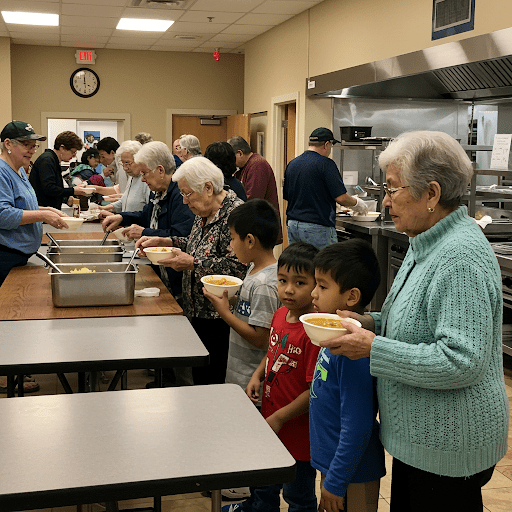
All across the United States, communities are mobilizing, not for collective hope, but for survival. Neighborhoods have become hunting grounds for the desperate as food scarcity looms and the basic pursuit of sustenance outweighs the social contract that once held society together. Reports of makeshift soup lines begin to proliferate in urban centers as citizens stand in despair; the economy’s collapse renders both public and private support systems utterly ineffectual. Panem et circenses, or bread and circuses, a term derived from ancient Rome, encapsulates the frantic efforts to maintain order amidst widespread discontent. However, when the “bread” is no longer available, and the “circuses” have become a distant memory, what remains is sheer horror.
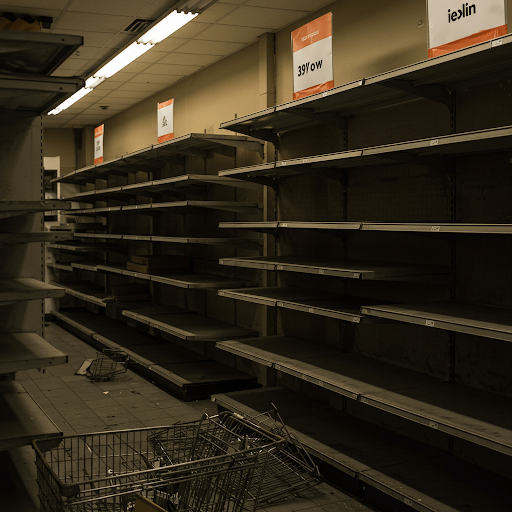
As the economic turmoil escalates, the ramifications extend far beyond mere food shortages. The healthcare system, crippled by lack of funding and resources, suffers a catastrophic decline with medications plummeting to unattainable obscurity. Chronic illnesses, once managed with prescribed drugs, become rampant as a grim spillover of this societal breakdown, reflecting the Latin phrase res ipsa loquitur—the thing speaks for itself. The lack of medication transforms preventable ailments into epidemics, creating a chilling narrative of illness amidst an irrevocably failing society.
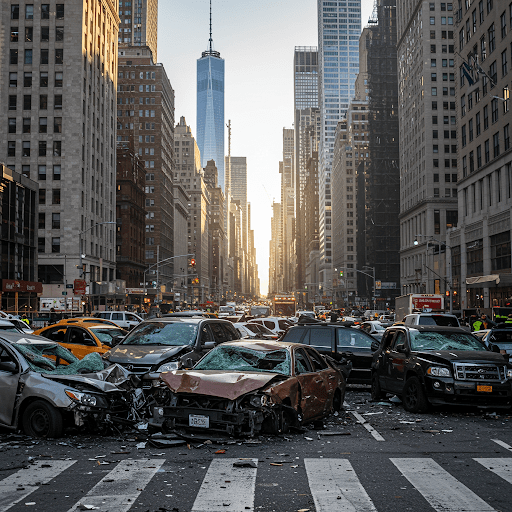
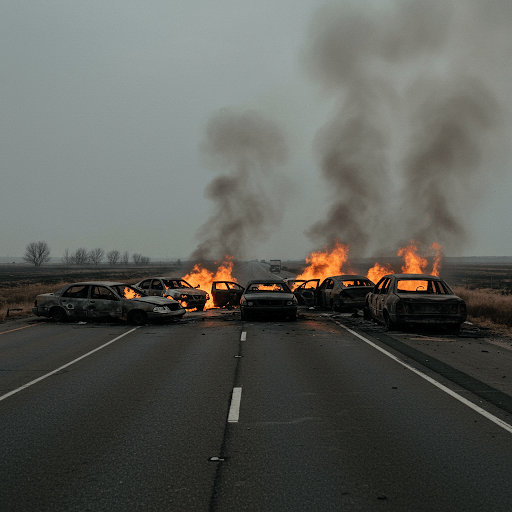
The large urban centers, once teeming with commerce and culture, are now mere breeding grounds for chaos. Rioting becomes the new “normal,” with countless factions multiplying across the streets; creative monikers for these insurgent groups arise. Among them emerge the “Anarchy Avengers,” the “Riotous Rascals,” and the “Wasteland Warriors”—a testament to the despairing ingenuity of individuals seeking an identity amidst catastrophic collapse. Our cities erupt in bewildering displays of unrest, leaving fires in their wake and an air thick with the acrid scent of destruction. With no refuge to be found, the crisis intensifies; Mexico and Canada, once welcoming neighbors, have shut their borders, echoing the sentiment of the Latin adage ubi concordia, ibi victoria—where there is unity, there is victory—now starkly absent from international camaraderie.
Amidst this turmoil, the World Trade Organization (WTO) meeting, attended by representatives from 152 nations, devolves into a circus of accusations and vitriol. Former U.S. President Donald Trump becomes a focal point of ire, scapegoated as a symbol of the failures leading to this doomsday scenario. The convergence breeds hostility; nations snap like dry twigs beneath the weight of their grievances, while leaders feign diplomacy amidst the backdrop of impending disintegration. Ensuing debates can only be likened to Silva sententiae—the forest of sentiments, tangled and treacherous.
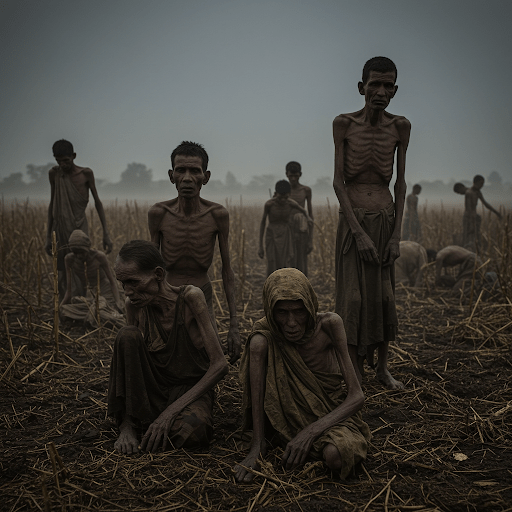
As the world crumbles and billionaires seek refuge in promised sanctuaries—be it in Israel, Russia, or the far-flung paradise of Hawaii—the disparity between the elite and the masses is accentuated. The ability to escape the impending dystopia mirrors the Latin trope homo homini lupus—man is a wolf to man; it is a survivalist mentality that illustrates a troubling ascendance of social Darwinism, where the privileged few jettison the masses in search of safety.

Predictive models harbor the bleak assertion that this catastrophe may anchor itself in our existence for as long as 30 years. The future may evolve into a realm of perennial struggle, testing the very limits of human resilience. What once constituted the bedrock of civility is stealthily transformed into shadows of a fading past.
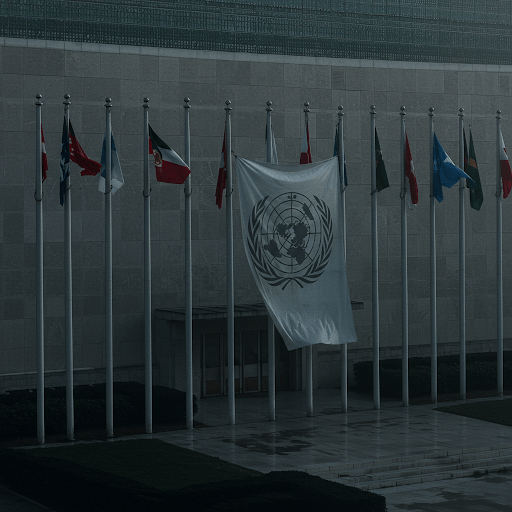
In sum, we stand at a threshold rife with possibilities for horror and reprehensible decline. A careful amalgamation of societal decline, economic disintegration, and a planetary disregard for humanitarianism catalyzes an ominous predictions. Humanity’s trajectory, unfortunately, seems heralded by chaos—a maelstrom of discontent that spirals toward a future where we hang in the balance, merely armed with hope against a fierce gale that threatens to uproot all that remains.
References
- Taleb, N. N. (2012). Antifragile: Things That Gain from Disorder. Random House.
- Harvey, D. (2010). The Enigma of Capital and the Crises of Capitalism. Oxford University Press.
- Piketty, T. (2014). Capital in the Twenty-First Century. Harvard University Press.
- Klein, N. (2007). The Shock Doctrine: The Rise of Disaster Capitalism. Metropolitan Books.
- Stiglitz, J. E. (2012). The Price of Inequality: How Today’s Divided Society Endangers Our Future. W. W. Norton & Company.
- Greer, J. M. (2017). The Ecotechnic Future: Envisioning a Post-Peak World. New Society Publishers.
- Moore, J.W. (2015). Capitalism in the Web of Life: Ecology and the Accumulation of Capital. Verso.
- Marx, K. (1867). Das Kapital: Critique of Political Economy. Penguin Classics.
- Wallerstein, I. (2011). Historical Capitalism with Capitalist Civilization. Verso.
- Sutherland, E. H. (1947). Principles of Criminology. J.B. Lippincott Company.
The echoes of such a future should compel readers to contemplate and act now, lest we find ourselves inexorably entrenched in the specter of our own making.
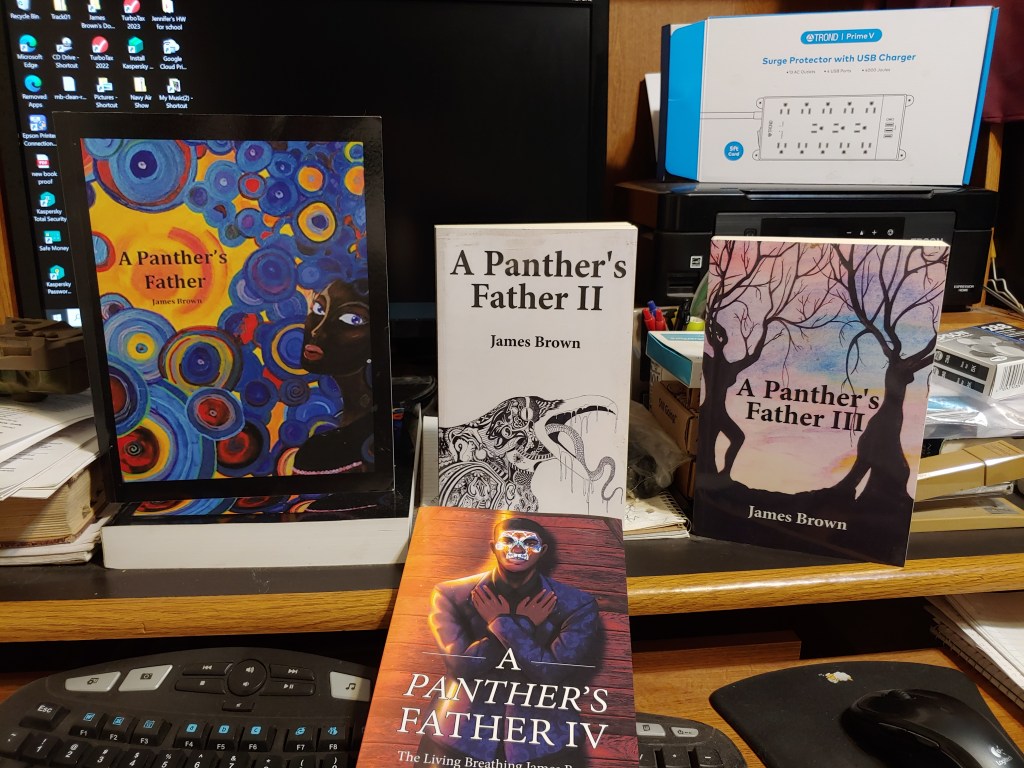
Read a Great Book or listen to one before the End of the World-





Relax-










 thelivingbreathingjamesbrown.com
You must be logged in to post a comment.