
Novo Mesto: A Historical and Contemporary Portrait for the Educator
By
The Living Breathing James Brown
Introduction:
Setting the Scene – Novo Mesto: A Historical Tapestry on the Krka River
Nestled in the southeastern region of Slovenia, close to the border with Croatia, lies the city of Novo Mesto.
This urban center serves as the vibrant economic and cultural heart of the Lower Carniola region, a land rich in history and tradition. From its prehistoric roots to its present-day significance as a dynamic regional hub, Novo Mesto presents a fascinating case study in the evolution of a European city.
The name “Novo Mesto,” translating to “New Town,” is a moniker shared by numerous settlements across Europe. This naming convention often indicates the establishment of a new settlement on a site where an older one may have been damaged or destroyed. While the history of a potential pre-existing settlement at this location remains largely unknown, the name itself hints at layers of history beneath the modern cityscape. Furthermore, Novo Mesto proudly bears the title “City of Situlae,” a testament to its remarkable archaeological heritage. This unique distinction arises from the extraordinary number of situlae, ornately decorated bronze buckets dating back to the Hallstatt culture of the Early Iron Age, discovered within its boundaries. These artifacts not only underscore the region’s ancient importance but also provide invaluable insights into the lives and culture of its early inhabitants.
A Journey Through Time:
The History of Novo Mesto
Early Footprints: Echoes of the Past (Prehistory to Roman Era)
The area encompassing Novo Mesto has been a site of human habitation for millennia, with archaeological evidence indicating continuous settlement since the Stone Age. Among the most significant archaeological locations is Kapiteljska njiva, a site of immense European importance for understanding the period spanning from the Neolithic era through the decline of antiquity. Before the formal founding of the city in the Middle Ages, the strategic advantages and natural resources of the Krka River’s bend were already recognized by the Illyrians and Celts, who established their presence in the area.
The sheer quantity of situlae discovered in Novo Mesto, representing over a quarter of all known examples worldwide, suggests that this location held a pivotal role in the Hallstatt culture. These elaborately decorated bronze vessels, used for various purposes ranging from everyday tasks to funerary rituals, indicate a sophisticated society with rich cultural practices. Furthermore, during the Roman era, a strategically important military and trade route connecting Ljubljana to the East passed through this area, highlighting its continued significance as a crossroads.
The Medieval Genesis:
A New Town Emerges (1365)
The official history of Novo Mesto began in 1365 when it was founded by Rudolf IV of Austria, a Habsburg Archduke. The Habsburgs recognized the geostrategic advantages offered by the bend in the Krka River, making it a valuable location for establishing a new urban center. Initially named Rudolfswerth in honor of its founder, the town soon became known as Novo Mesto, meaning “New Town” in Slovene.
Rudolf IV’s motivations for establishing Novo Mesto were multifaceted. He aimed to extend the Habsburg influence towards the Adriatic Sea, recognizing the strategic importance of the region. In an era of burgeoning urban centers, Rudolf also sought to elevate the importance of his territories, mirroring the cultural and political prominence of Prague, which had been significantly developed by his father-in-law, Emperor Charles IV. Additionally, Novo Mesto was intended to serve as an important military base, particularly in the 15th century, as the Habsburgs sought to secure their southeastern frontier against the Ottoman Empire. To bolster its defenses, the town was surrounded by walls, remnants of which are still visible today.
The granting of city rights in 1365 played a crucial role in facilitating the swift and successful development of Novo Mesto and the surrounding region. This act provided the nascent settlement with certain privileges and autonomy, encouraging growth in trade, commerce, and population. Rudolf IV’s establishment of Novo Mesto was part of a broader strategy by the Habsburgs to consolidate their power in the Eastern Alpine region and elevate their standing within the Holy Roman Empire.
Under the Habsburgs:
Centuries of Influence (14th – 19th Centuries)
For centuries, Novo Mesto remained under the administration of the Habsburgs, who recognized the enduring geostrategic importance of the region. Despite facing challenges such as fires in 1576 and 1664, and a plague in 1599, Novo Mesto developed into a significant regional center. This period saw the construction of notable religious edifices, including the Saint Nicholas’ Chapter Church (Kapitelj), the oldest building in Novo Mesto, and the Franciscan Monastery with the Church of Sv. Leonard. The Saint Nicholas’ Chapter Church, with its unique architectural blend resulting from historical circumstances such as funding limitations and Turkish incursions, stands as a testament to the resilience of the city. The arrival of Franciscan monks, fleeing the Ottoman threat in the Middle Ages, further shaped the city’s cultural and religious landscape. In 1746, Empress Maria Theresa founded the gymnasium in Novo Mesto, underscoring the city’s growing importance as an educational center in the region.
Turbulent Times:
Wars and Shifting Empires (19th – 20th Centuries)
The 19th and 20th centuries brought significant geopolitical shifts that impacted Novo Mesto. During the Napoleonic Wars, the region became part of the Illyrian Provinces under French rule, briefly shifting its administrative allegiance. Subsequently, it became part of the Austro-Hungarian Empire, remaining under Habsburg control until the empire’s dissolution after World War I. A significant development during this period was the construction of the Kandija Bridge, which initially was a wooden structure in the 17th century before being replaced by an iron bridge in the 1890s. This bridge played a vital role in connecting the old town on the left bank of the Krka River with the historical suburb of Kandija on the right bank, facilitating movement and commerce.
Novo Mesto in Yugoslavia: Industrial Growth and Change (20th Century)
Following World War I and the collapse of the Austro-Hungarian Empire, Novo Mesto became part of the Kingdom of Yugoslavia. During World War II, the city faced occupation, initially by Fascist Italy as part of the Province of Ljubljana until 1943, and subsequently by Nazi Germany until the war’s end. The post-war period under socialist Yugoslavia marked a time of significant industrial growth for Novo Mesto. A pivotal infrastructure project was the construction of a motorway in 1958, connecting Ljubljana and Zagreb and passing through Novo Mesto. This enhanced connectivity spurred the growth of various industries, including automobile manufacturing (Revoz, Adria Mobil), pharmaceuticals (Krka), and textiles. The construction of this vital infrastructure link significantly improved Novo Mesto’s accessibility, contributing to its emergence as a key regional center.
Independence and Modern Era: Forging a New Path (1991 – Present)
With Slovenia’s declaration of independence in 1991, Novo Mesto entered a new chapter as part of a sovereign nation. In 2006, the city achieved further prominence with the establishment of the Roman Catholic Diocese of Novo Mesto, solidifying its religious significance in the region. Today, Novo Mesto is recognized as a vibrant and modern center for industry, education, and technology, maintaining its role as the administrative, economic, cultural, educational, medical, and sports hub of southeastern Slovenia. Its thriving industrial sector, home to major companies, has earned it the moniker “export capital of Slovenia”. In 2015, Novo Mesto commemorated its 650th anniversary, a significant milestone that highlighted its rich and enduring heritage.
The People of Novo Mesto:
Demographics
Current Population
As of mid-2023, the Municipality of Novo Mesto is home to approximately 38,190 people, with a near even split between men (19,180) and women (19,010). This figure places Novo Mesto as the sixth-largest municipality in Slovenia. Within the municipality, the town of Novo Mesto, which serves as the seat of the municipal government, has a population exceeding 23,000. The town itself ranks as the seventh-largest in Slovenia and is recognized as one of the country’s eleven urban municipalities.
Population Density and Trends
The Municipality of Novo Mesto covers an area of 236 square kilometers, resulting in a population density of 162 people per square kilometer, which is notably higher than the national average of 105. The mean age of the population in Novo Mesto is 42.5 years, slightly lower than the national average of 44.1. The ageing index, which measures the number of people aged 65 or more per 100 people aged 0-14, stands at 116.3 in Novo Mesto, again lower than the national figure of 145.4. This suggests that Novo Mesto has a relatively younger demographic profile compared to Slovenia as a whole.
Ethnic Composition and Other Demographic Characteristics:
The population of Novo Mesto is predominantly ethnically Slovene. On the southeastern outskirts of the town, there is a Roma settlement known as Žabjak, also referred to as Brezje. According to the 2002 census, the municipality had a total of 40,925 inhabitants, with 20,017 males and 20,908 females. The average age of the inhabitants at that time was 39.58 years. The census also recorded a total of 13,796 households and 11,408 families within the municipality. The working-age population (15-64 years) in 2002 was 19,579, with 2,118 individuals reported as unemployed.
| Year | Population |
|—|—|
| 1948 | 6,645 |
| 1953 | 7,526 |
| 1961 | 9,873 |
| 1971 | 14,144 |
| 1981 | 19,741 |
| 1991 | 22,333 |
| 2002 | 22,415 |
| 2011 | 23,341 |
| 2013 | 23,212 |
| 2015 | 23,317 |
| 2020 | 24,183 |
This table illustrates the demographic evolution of the town of Novo Mesto based on available census data. It shows a consistent growth trend over the decades, reflecting the city’s increasing importance as a regional center.
Life in Novo Mesto: Socio-Economic Indicators
Average Income
The average net salary (after tax) in Novo Mesto is reported to be 1153 EUR, which is the highest among all cities in Slovenia. This figure, based on data from Numbeo, suggests a relatively high standard of living in the city. More specific data from the Statistical Office of the Republic of Slovenia indicates that in 2021, the average monthly gross earnings for women in the Municipality of Novo Mesto amounted to EUR 2,425. Earlier data from August 2003 showed the average gross monthly wage in the municipality to be €1,099.27, with an average net monthly wage of €687.90. A comparison with the national average reveals that the average monthly gross earnings per person employed by legal entities in Novo Mesto were approximately 16% higher, and net earnings were about 15% higher. These figures collectively suggest that Novo Mesto enjoys a higher income level compared to the national average, particularly for those employed by established companies.
Cost of Living:
The cost of living in Novo Mesto appears to be relatively manageable. The average monthly cost of renting a one-bedroom apartment in the city center is around 333 EUR. For a larger apartment of 85 square meters, the monthly cost of living (excluding rent) is estimated to be 173 EUR. The average price for everyday items such as a beer from a local producer is about 2.20 EUR, a meal at an inexpensive restaurant costs around 9 EUR, a cappuccino or bottled water is approximately 1.25 EUR, a public transport ticket costs 0.80 EUR, and a taxi fare for 1 kilometer is about 1 EUR. For students, the approximate monthly cost of living is around €400. These figures suggest that Novo Mesto offers a relatively affordable cost of living, especially when considering rental costs outside the city center, which likely contributes to the high quality of life reported in the municipality.
Essential Infrastructure:
Access to Utilities
Availability of Running Water
Access to running water is widespread in Novo Mesto. Approximately 93% of the population within the municipality has access to drinking water. This is slightly higher than the national average, where 91% of the population is supplied with drinking water from systems under quality control. This high percentage indicates a well-established water infrastructure in Novo Mesto, ensuring that the vast majority of its residents have access to this essential resource.
Electricity Supply
Slovenia boasts a near-universal electricity access rate, with 100% of the population having access to electricity. This includes Novo Mesto, ensuring that all households and businesses have reliable access to electricity. Statistics on household electricity consumption at the national level provide further context to the energy infrastructure in Slovenia.
Exploring Novo Mesto:
Tourism and Attractions
Key Tourist Attractions
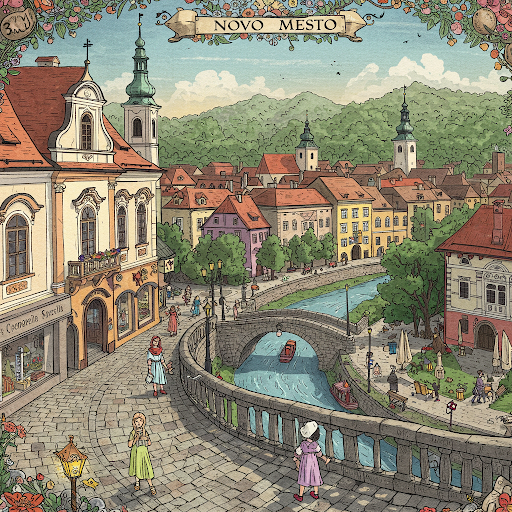
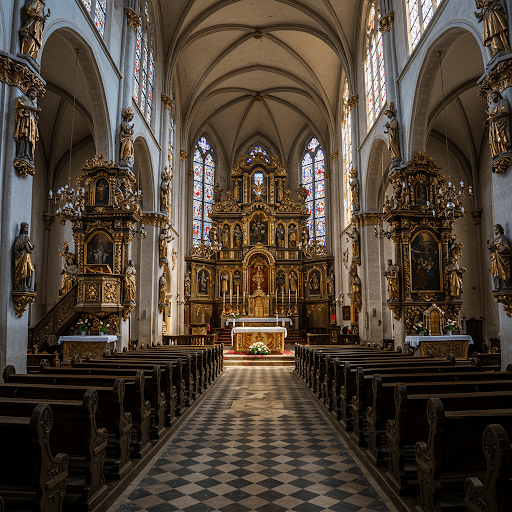
Novo Mesto offers a diverse range of attractions for visitors, blending its rich history with natural beauty. The Old Town (Glavni trg) serves as the charming heart of the city, featuring medieval buildings, Baroque architecture, and the neo-renaissance town hall built in 1905. The Krka River, which meanders through the town, provides a stunning backdrop and opportunities for leisurely walks along its banks, boat tours, kayaking, and fishing. The Cathedral of St. Nicholas, a Gothic-style church with a remarkable interior adorned with frescoes and Renaissance artwork, also houses an altar painting by Tintoretto, making it one of the city’s iconic landmarks. For those interested in history and archaeology, the Dolenjska Museum is a must-visit, showcasing the region’s treasures, including the renowned “City of Situlae” exhibit. The Franciscan Monastery and Church of St. Leonard, dating back to the 15th century, boasts a historic library with a valuable collection of books and manuscripts. The historic Kandija Bridge, an iron structure built in the late 19th century, connects the old town with the suburb of Kandija. Just a short drive away lies Otočec Castle, Slovenia’s only “water castle,” now a luxurious hotel nestled on an island in the Krka River. The picturesque Breg area, with its houses built upon the remnants of the medieval city walls, offers a unique visual experience. Art enthusiasts can visit the Jakac House, an art gallery dedicated to the works of the renowned painter and graphic artist Božidar Jakac, as well as other Slovenian artists. These diverse attractions make Novo Mesto an appealing destination for tourists seeking a blend of history, culture, and natural beauty.
Accommodation Options
Visitors to Novo Mesto have a variety of accommodation options to choose from. These include several hotels such as Hotel Dolenjc, Hotel Center, Hotel Grad Otočec, and Hotel Pri Belokranjcu. Additionally, there are numerous apartments, guesthouses, hostels, and traditional vineyard cottages known as zidanice available for rent. The price ranges for these accommodations vary depending on the type, location, and amenities offered, catering to a wide spectrum of budgets and preferences.
Tourism Economy
Slovenia has been experiencing a rise in tourism, and Novo Mesto is benefiting from this trend. The Krka Valley, with its picturesque landscapes and vineyards, is increasingly becoming a popular destination for wine enthusiasts. Throughout the year, Novo Mesto hosts a variety of festivals, which serve as significant attractions for visitors, showcasing the city’s rich culture and heritage. While specific annual visitor numbers for Novo Mesto are not available in the provided materials, Slovenia as a whole recorded over 16.1 million overnight stays in 2023, indicating a robust tourism sector from which Novo Mesto likely benefits.
Conclusion:
Novo Mesto: A City Where History and Modernity Converge
Novo Mesto stands as a compelling example of a city where a rich historical legacy seamlessly intertwines with modern dynamism. From its prehistoric origins and significant role during the Hallstatt culture to its medieval founding by the Habsburgs and subsequent development through various empires, Novo Mesto has witnessed centuries of transformation. Today, as part of independent Slovenia, it thrives as a vital regional center, boasting a strong economy driven by successful industries and a high quality of life reflected in its socio-economic indicators.
The city’s demographic profile reveals a population that is both substantial and relatively youthful compared to the national average, enjoying access to essential utilities like running water and electricity at high rates. Furthermore, Novo Mesto’s appeal as a tourist destination is evident in its array of historical attractions, vibrant cultural scene, and the natural beauty of its surroundings, particularly the Krka River Valley and the nearby wine region. The availability of diverse accommodation options and the hosting of numerous festivals throughout the year further enhance its attractiveness to visitors.
In conclusion, Novo Mesto’s enduring importance as a regional hub is firmly rooted in its rich past, while its present-day economic strength and cultural vibrancy position it for a promising future within the context of modern Slovenia.
Now for 6th Graders-
Report on Novo Mesto, Slovenia for 6th Graders
By
The Living Breathing James Brown
Introduction:
Nestled in the southeastern part of Europe lies Slovenia, a country that harbors a city of significant historical and economic importance: Novo Mesto. With roots stretching back to prehistoric times, Novo Mesto has evolved into a vibrant urban center, leaving behind a rich tapestry of cultural heritage and playing a crucial role in Slovenia’s present-day economy. Let’s delve into the fascinating story of this “City of Situlae.”
History:
The story of Novo Mesto begins in the distant Stone Age, long before the advent of written records, where early settlements marked the land. However, it was during the Early Iron Age that the area truly flourished under the Hallstatt culture. This civilization left an indelible mark, most notably through the discovery of numerous intricately decorated bronze buckets known as situlae.
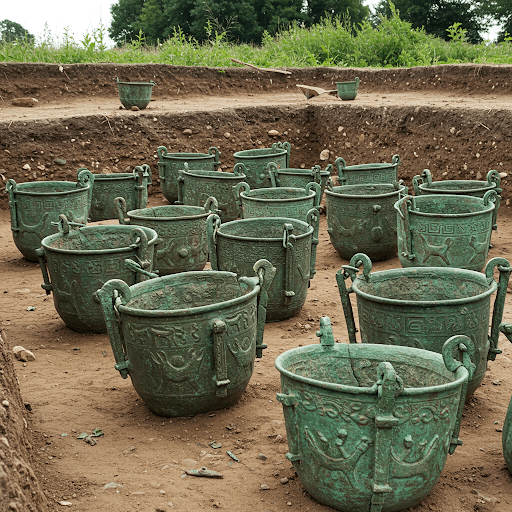
The sheer quantity of these artifacts unearthed in Novo Mesto has earned it the moniker “City of Situlae,” providing invaluable insights into the art, rituals, and societal structure of these ancient people.
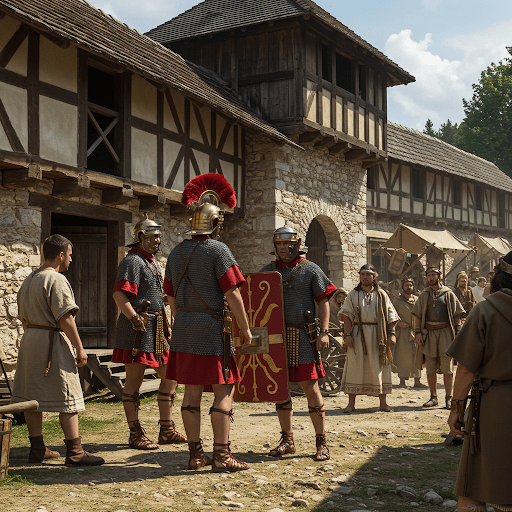
The Romans, recognizing its strategic location, later incorporated Novo Mesto into their extensive network of trade routes, further solidifying its importance as a crossroads. Centuries later, in 1365, Rudolf IV of Austria formally established a town here, naming it Rudolfswerth. Its proximity to a volatile border made it a significant military outpost. Despite enduring hardships such as fires and outbreaks of disease, the town persevered and grew. The powerful Habsburg dynasty also recognized the strategic value of the region and maintained their influence.
The tides of history continued to shape Novo Mesto as it transitioned into part of Yugoslavia following a major war. The tumultuous period of World War II saw the city fall under the occupation of Italy and Germany. After the war’s conclusion, Novo Mesto was once again integrated into Yugoslavia before finally becoming a proud part of the newly independent nation of Slovenia.
Economy:
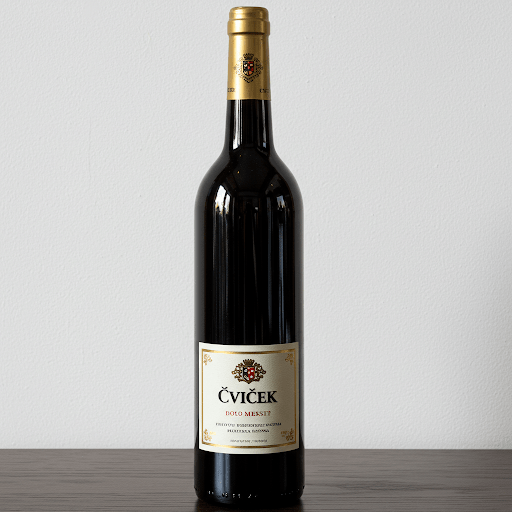
Today, Novo Mesto stands as a vital economic engine within Slovenia. It serves as a hub for diverse industries, with prominent companies like Krka (pharmaceuticals), Revoz (automotive), and Adria Mobil (recreational vehicles) having a significant presence. Beyond these major players, the city also boasts a robust construction sector and a thriving garment industry. This dynamic economic landscape contributes significantly to Slovenia’s overall prosperity through both domestic production and international exports.
Tourism:
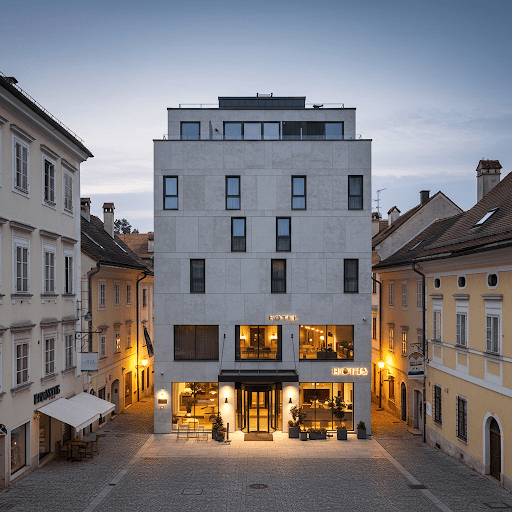
Beyond its economic prowess, Novo Mesto offers a compelling draw for tourists. Its charming old town square, adorned with picturesque historical buildings, invites exploration.
The meandering Krka River offers tranquil boat rides, while the enchanting Otočec Castle, perched on a river island, now serves as a unique hotel experience.
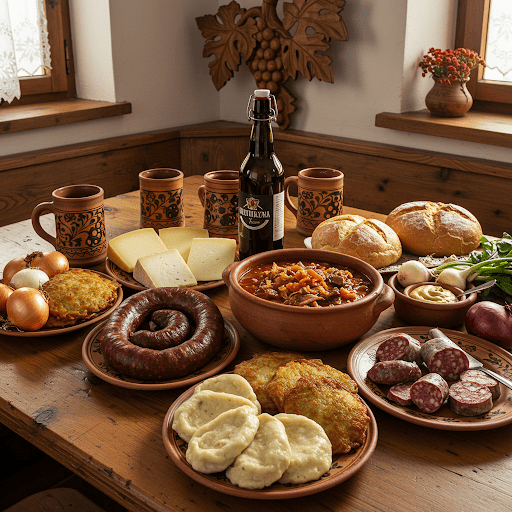
The Dolenjska Museum provides a window into the region’s past, showcasing artifacts like the famed situlae. The surrounding countryside is renowned for its vineyards, attracting visitors eager to sample local wines. The city also comes alive with various cultural events, including a vibrant jazz festival and a lively summer festival. For those seeking outdoor adventures, the scenic landscapes surrounding Novo Mesto offer ample opportunities for hiking and cycling.
Utilities and Infrastructure:
Novo Mesto boasts a well-developed infrastructure that supports the daily lives of its residents and facilitates economic activity. This includes a network of well-maintained roads and efficient public transportation options. The city also provides essential services such as schools, hospitals, and a wide array of commercial establishments.

Population:
As one of Slovenia’s larger urban centers, Novo Mesto is home to over 23,000 residents within the city proper, with the broader metropolitan area encompassing approximately 37,300 people. The city boasts a diverse population across all age groups, with a significant portion actively participating in the workforce.
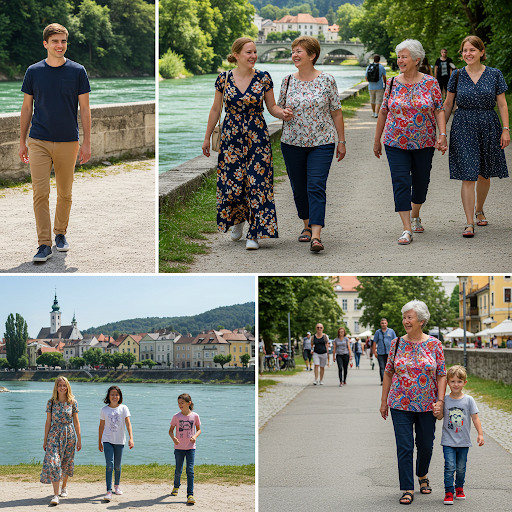
History Class Discussion Points:
- The abundance of situlae found in Novo Mesto is significant because it provides invaluable archaeological evidence about the Hallstatt culture that flourished there during the Early Iron Age. These decorated vessels offer insights into their artistic expression, burial rituals, and potentially their social hierarchy and trade connections. The sheer number suggests Novo Mesto was a central hub for this culture, earning it the title “City of Situlae.”
- Novo Mesto’s location made it strategically important for both soldiers and traders. Its proximity to a border in the Middle Ages meant it served as a crucial military outpost. Later, its position along Roman trade routes facilitated the movement of goods and people, contributing to its economic and cultural development.
- The growth of art and culture in Novo Mesto was likely influenced by various factors throughout its history. The Hallstatt culture’s intricate situlae demonstrate early artistic traditions. The establishment of the town in the Middle Ages and its subsequent growth would have fostered a more settled environment conducive to cultural development. The influence of different ruling powers, like the Habsburgs, and its integration into larger cultural entities, like Yugoslavia, would have also contributed to the diverse artistic and cultural landscape of the city. Today, events like the jazz and summer festivals indicate a continuing appreciation for the arts.
- The growth of Novo Mesto’s businesses, particularly in pharmaceuticals, automotive, and recreational vehicles, has significantly boosted Slovenia’s economy by generating employment, producing valuable goods for both domestic consumption and export, and attracting foreign investment. These industries contribute to Slovenia’s overall economic output and international trade balance.
- Being ruled by different groups like the Habsburgs and being part of Yugoslavia had multifaceted effects on Novo Mesto. Habsburg rule likely influenced its administrative structures and possibly its cultural landscape. Being part of Yugoslavia brought it into a larger political and economic framework, which would have had both benefits (e.g., broader market access) and drawbacks (e.g., political constraints). The eventual transition to an independent Slovenia marked a significant shift, allowing Novo Mesto to chart its own course within a new national identity and economic system.
- Today, Novo Mesto in Slovenia is a vibrant and dynamic city that successfully blends its rich historical heritage with modern economic activity. It is known as an important industrial center, a pleasant place to live with a strong sense of community, and an attractive destination for tourists interested in its history, culture, and the natural beauty of the surrounding Dolenjska region.
- Based on available data:
- Average Annual Net-Adjusted Disposable Income per Capita in Slovenia: Around $25,250 USD (This is a general figure for Slovenia).
- Average Annual Salary in Slovenia: Approximately $30,328 USD (gross) or around $25,250 USD (net/after tax). More recent data from December 2024 indicates a monthly earning of around $2,936 USD, which would be approximately $35,232 USD annually.
- Average Monthly Net Salary in Slovenia: Approximately $1,600 USD (after tax, using an exchange rate of 1 EUR = 1.08 USD).

Unfortunately, specific data on the number of tourists visiting Novo Mesto per year is not readily available in the provided search results.
However, we can infer some information from the broader context of tourism in the Southeast Slovenia Statistical Region, where Novo Mesto is the largest city:
- The Southeast Slovenia Statistical Region attracts a relatively small portion of Slovenia’s total tourists, accounting for only 3.3%.
- The majority of tourists visiting this region are from Slovenia itself (52.8%).
To get a clearer picture of the exact number of tourists visiting Novo Mesto, you would likely need to consult specific tourism reports or data from the Novo Mesto municipality or the Slovenian Tourist Board that focuses on individual cities and towns.
General Information about Tourism in Slovenia:
- Overall Growth: Slovenia has seen a positive trend in tourism. In 2023, there were over 6.2 million tourist arrivals in the country, generating over 16.1 million overnight stays. This was an increase compared to the previous year and even surpassed the pre-pandemic levels of 2019.
- Regional Distribution: While Novo Mesto and its region attract a smaller percentage, other areas like Ljubljana, Piran, and Bled are among the most popular destinations in Slovenia.
- Foreign Tourists: In 2023, foreign tourists accounted for 72% of all overnight stays in Slovenia. The largest number of foreign visitors came from Germany, followed by Croatia, Italy, Austria, and the Netherlands.
- Types of Tourism: Slovenia offers a diverse range of tourism experiences, including:
- Active holidays: Hiking, cycling, water sports, and winter activities.
- Spas and health resorts: Utilizing the country’s natural thermal springs.
- Nature tourism: Exploring lakes, rivers, mountains, and caves.
- Cultural tourism: Visiting historical towns, castles, museums, and attending festivals.
- Gastronomy: Experiencing local cuisine and wine regions.
While specific numbers for Novo Mesto are elusive in these results, the general trend indicates a growing tourism sector in Slovenia, and Novo Mesto, with its historical and cultural attractions, likely contributes to this overall picture, albeit on a smaller scale compared to some of the country’s more prominent tourist hotspots. Sources and related content
Southeast Slovenia Statistical Region – Wikipedia
Tourism in numbers – I feel Slovenia
Active holidays in the embrace of nature | I feel Slovenia
Slovenian natural spas and health resorts – The Slovenia Times
Experience Spring in Slovenia’s Historical Towns: Authentic Adventures for Every Taste
The main diet in Novo Mesto, as part of Slovenia, is influenced by a mix of Central European, Balkan, and Mediterranean culinary traditions. Here’s a breakdown of key components:
Staple Foods:
- Potatoes: A very common side dish, often served boiled, roasted, or as part of stews.
- Bread: Eaten with most meals, with various types available, including buckwheat bread.
- Grains: Buckwheat is particularly important and is used to make dishes like “žganci” (buckwheat spoon bread), a national dish often served with sour milk or stews. Corn is also used for “žganci.”
- Pasta and Dumplings: Influenced by Italian and Austrian neighbors, pasta dishes and various types of dumplings (“štruklji,” “žlikrofi”) are popular, often filled with cheese, meat, or sweet ingredients.
Common Dishes and Ingredients:
- Meat: Pork, beef, and poultry are widely consumed. Sausages, especially “Kranjska klobasa” (Carniolan sausage), are a national delicacy. Stews and soups with meat are also common, like “golaž” (goulash) and “obara” (a meat and vegetable stew).
- Vegetables: Locally grown, seasonal vegetables are frequently part of the diet. Common ones include cabbage (often pickled as sauerkraut or sour turnip), beans, peas, carrots, and onions.
- Dairy: Slovenia has a strong dairy tradition. Cheese, yogurt, and sour cream are commonly consumed.
- Soups and Stews: Hearty soups and stews are a significant part of Slovenian cuisine, especially during colder months. These often combine meat and various vegetables.
- Sweets: Slovenia has a rich tradition of pastries and desserts. “Potica,” a rolled cake with various sweet or savory fillings (like walnut, poppy seed, or tarragon), is a national specialty.
Regional Influences in Dolenjska (the region where Novo Mesto is located):
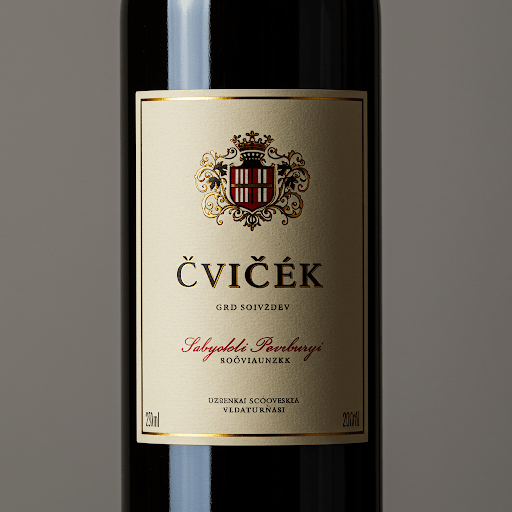
- Cviček Wine: This unique light red wine from the Dolenjska region is often enjoyed with meals.
- Buckwheat Dishes: Buckwheat remains a significant part of the local diet.
- Traditional Farmstead Foods: In the surrounding rural areas, expect to find more emphasis on locally sourced ingredients, including home-cured meats, cheeses, and seasonal produce.
Modern Influences:
Like many European cities, Novo Mesto also has a variety of international cuisines available, including Italian (pizza), Serbian (grilled meats), and Asian options. Fast food is also present.
In summary, the main diet in Novo Mesto blends traditional Slovenian dishes with influences from neighboring countries, featuring staples like potatoes, bread, buckwheat, meat, dairy, and seasonal vegetables. The local Dolenjska region also contributes its own specialties, most notably the Cviček wine and a continued appreciation for buckwheat-based foods. Sources and related content
Potato in Slovenian cuisine and recipes | I feel Slovenia
Carniolan sausage (Kranjska klobasa) – Združenje zgodovinskih mest Slovenije
An ideal dairy in the Slovenian Alps – 22-med
Famous Slovenian desserts – Taste Slovenia
Potica, the queen of Slovenian holiday foods | I feel Slovenia
The independent nation of Slovenia was established on June 25, 1991.
This followed a referendum on December 23, 1990, where the vast majority of Slovenians voted for independence from Yugoslavia. While the formal declaration was on June 25, 1991, the process of achieving full independence involved a brief Ten-Day War and international recognition in the following months. Sources and related content
The Ten-Day War, also known as the Slovenian War of Independence, was a brief conflict fought between Slovenia and the Yugoslav People’s Army (JNA).
Here’s what happened:
- Slovenia’s Declaration of Independence: On June 25, 1991, Slovenia declared its independence from Yugoslavia. This act triggered a reaction from the central Yugoslav government in Belgrade, which viewed the secession as illegal.
- Intervention of the Yugoslav People’s Army (JNA): The JNA, which was under the control of the federal Yugoslav government, was deployed to Slovenia on June 26, 1991. Their initial objectives were to secure Slovenia’s international border crossings and prevent further moves towards independence.
- Slovenian Resistance: Slovenia had anticipated this reaction and had been preparing. The Slovenian Territorial Defence (Slovene: Teritorialna obramba – TO), which was the country’s military reserve force, and the Slovenian Police mounted significant resistance. They established roadblocks and barricades, surrounded JNA barracks, and engaged in skirmishes with the advancing federal forces.
- Limited and Short Conflict: The war was relatively short-lived, lasting only ten days (from June 27 to July 7, 1991). The intensity of the fighting was also limited compared to the later conflicts in Croatia and Bosnia.
- Key Events:
- JNA tanks and armored vehicles moved towards the Slovenian border crossings.
- Slovenian forces ambushed and blocked JNA units.
- There were clashes at border crossings, including Holmec and Gornja Radgona.
- The JNA launched air strikes on Brnik Airport near Ljubljana and other targets.
- Slovenian forces managed to capture some JNA soldiers and equipment.
- Brioni Agreement: The conflict ended with the signing of the Brioni Agreement on July 7, 1991. This agreement, brokered by the European Community (EC), established a ceasefire and a three-month moratorium on Slovenia’s and Croatia’s declarations of independence.
- Withdrawal of the JNA: Despite the moratorium, the political reality on the ground favored Slovenia’s independence. By October 26, 1991, the JNA had completely withdrawn from Slovenia.
Outcome: The Ten-Day War was a decisive victory for Slovenia. It demonstrated the Slovenians’ resolve for independence and ultimately led to the full withdrawal of the Yugoslav military and Slovenia’s international recognition as an independent state. This conflict is considered the first of the Yugoslav Wars that followed the breakup of Yugoslavia. Sources and related content
Ten Days that Ended Yugoslavia: The Forgotten War in Slovenia, 30 Years Later
Slovenian Territorial Defense in the Ten-Day War – Scientific Journal of the Military University of Land Forces
The Conflicts | International Criminal Tribunal for the former Yugoslavia
Triumphant Year of 1991 – Portal GOV.SI
Read or Listen to one of my books-







 thelivingbreathingjamesbrown.com
You must be logged in to post a comment.