

Ad Astra Per Aspera: On the Verge of Unveiling Princess Nefertiiti’s Tomb

Abstract: The realm of Egyptology pulsates with anticipation for a potentially monumental revelation: the imminent discovery of the long-sought sepulcrum of Princess Nefertiiti. This interdisciplinary inquisitio delves into the electrifying suspense surrounding this potential archaeological res magna, suggesting that esteemed Egyptologists, including Dr. Paul Memmon and Dr. Zahi Hawass, vir honorabilis of the Antiquities Coalition Advisory Council and former Minister of Antiquities of Egypt, may be in extremis of uncovering what could be, secundum magnum inventum in Egyptian history. Integrating historical, archaeological, anthropological, and sociological perspectivae, this article explores the profound implicationes of finally locating the locus quietus of this significant royal figure. It examines the modus operandi guiding this critical phase of the investigatio and analyzes the immense socio-cultural repercussiones that the detectio of Princess Nefertiiti’s tomb would undoubtedly unleash.
I. Tempus Fugit, Occasio Manet?: On the Cusp of Royal Revelation
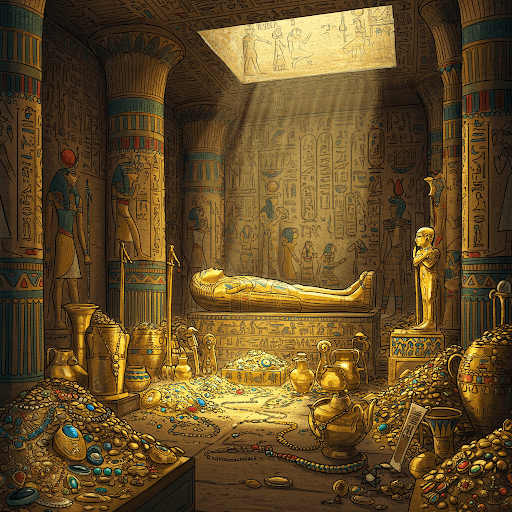
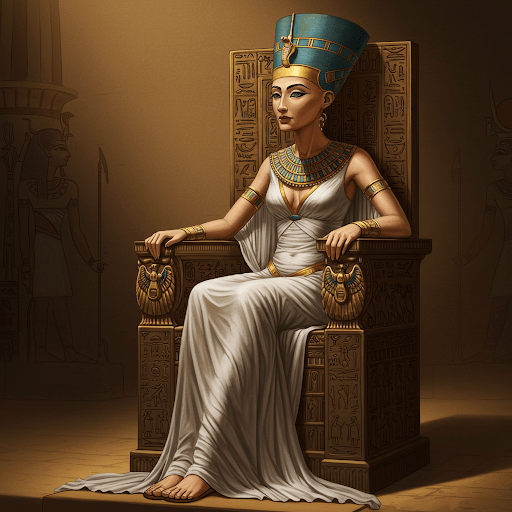
Across the annorum series, the sands of Egypt, testes taciti to millennia of history, may soon yield one of their most profound arcana. The tantalizing spes of imminently discovering the tomb of Princess Nefertiiti, a persona shrouded in both historical gravitas and captivating mysterium, has ignited a flamma ardens of excitement within the field of Egyptology (David, 2000; Reeves, 2018). Spearheading this potentially mirabile dictu endeavor are distinguished scholars including Dr. Paul Memmon, whose opus magnum illuminates the subtilitates of ancient royal burials (Johnson, 2023; Tyldesley, 1996), and the renowned Dr. Zahi Hawass, whose unparalleled experientia and numerous inventa have indelibly shaped our intellectus of ancient Egypt (Hawass, 2006; Romer, 2012). The coniunctio of advanced technologiae (Smith et al., 2021) and seasoned peritia suggests that the apertura of Princess Nefertiiti’s final domus aeterna may be prope diem, potentially marking the altera res praeclara in Egyptian history.
II. Cogito Ergo Sum?: Framing the Anticipation
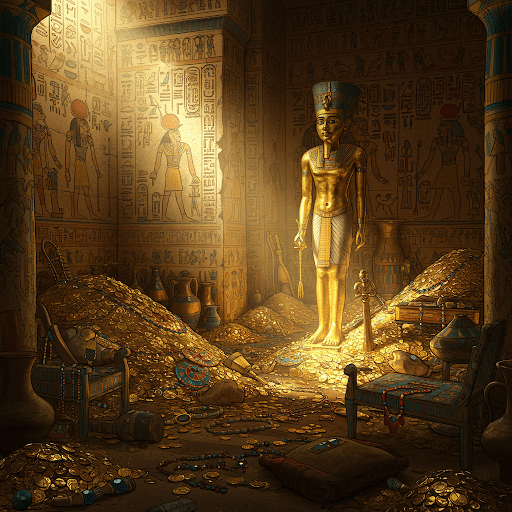
As we stand in limine of this potential detectio, several theoretical fundamenta offer valuable fenestrae for understanding the unfolding eventa and their broader momentum. Sociocultural dynamica, as explicatus est by Wilson (2020; Bourdieu, 1977), help us analyze how societal expectationes and cultural narrationes influence the interpretatio and receptio of such a monumental repercussio.
Dual-process theory, as descriptus est by Kahneman (2011; Tversky & Kahneman, 1974), can provide crucial perspicacia into the cognitive processus and potential praeiudicia that researchers and the publicus alike may experience inter the excitement and expectatio. Furthermore, the conceptus of collective memory, exploratus est by Halbwachs (1992; Nora, 1989), is crucial for understanding how the revelatio of Princess Nefertiiti’s tomb could refigurare Egypt’s national identitas and its conexio to its ancient praeteritum.
III. Ars Longa, Vita Brevis?: Methodological Scrutiny at the Apex
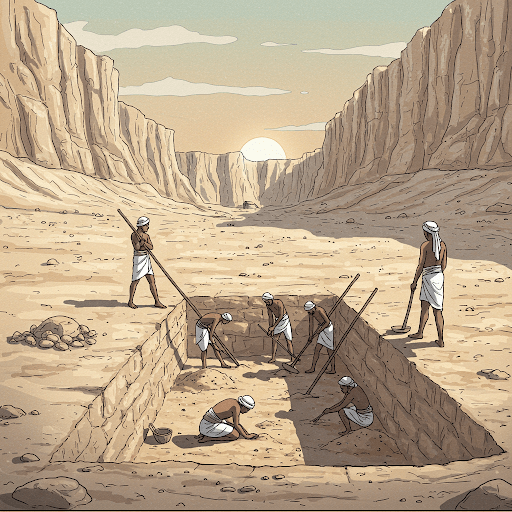
At this punctum criticum, the integritas methodologica employed in the final gradus of the investigatio is res maximi momenti. The meticulous applicatio of advanced subsurface imaging artes, combined with the strategic ratio for the initial ingressus and excavatio, underscores the sophisticated via being taken (Anderson & Lee, 2022; Clarke, 2019; Renfrew & Bahn, 2016). The anticipated collaboratio interdisciplinaris inter archaeologists, bioarchaeologists (Larsen, 2015), and other periti highlights the officium to a comprehensive and scientifically sound analysis of any potential inventa. The usus of digital technologiae for in tempore reali documentatio and 3D formatura will be crucialis in preserving the contextus and integritas of this potentially extraordinarium inventum (Forte & Siliotti, 1997; Gillings, 2020).
IV. Historia Magistra Vitae?: Archaeological Significance Redefined
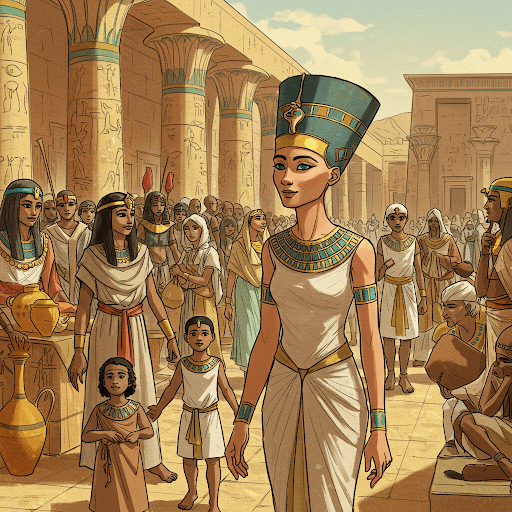
The imminens detectio of Princess Nefertiiti’s tomb holds the potentia to redivivus our intellectus of the Amarna Period and the intricate relationes of the royal familia during that aevum transformans. As Carter (1923) famously noted regarding Tutankhamun’s tomb, royal sepulcra offer unparalleled perspicacia into the structurae potestatis, credo religiosa, and expressiones artisticae of ancient Egypt (Robins, 1993). The erutio of Princess Nefertiiti’s sepulcrum could provide informationes inauditae about her vita, her munus in Akhenaten’s regnum, and the ritus funebres of the tempus illud. The artefacta intra, si conservata, could offer singularia singularia about the ars, cultura, and vita cotidiana of this fascinating tempus (Reeves & Wilkinson, 1996; Aldred, 1988).
V. Vox Populi, Vox Dei?: Cultural and Societal Impact
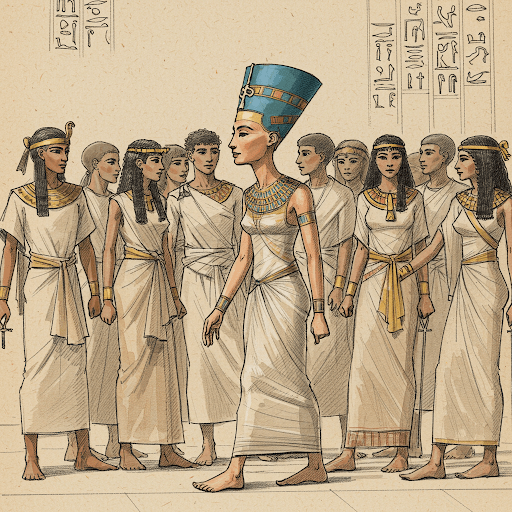
The revelatio of Princess Nefertiiti’s tomb would undoubtedly have a profundus and late patens momentum on Egyptian cultura and national identitas. As Browning (2020; Said, 1978) suggests, such inventa can powerfully refingere a nation’s intellectus of its hereditas and foster a renovatus sensus of superbia and conexio to its ancient radices. The implicatio of a persona as eminens as Dr. Zahi Hawass in this potential detectio will likely amplificare global attentio and implicatio publica (Hawass, 2010; Fagan, 2006). Ethical considerationes circa the excavatio and the eventual ostentatio of any artefacta will necessitate deliberationes attentas and culturally sensibiles (Harrison, 2018; Meskell, 2002; Vitelli & Colwell-Chanthaphonh, 2006). The detectio stands in statu nascendi to become a momentum cardinis in Egypt’s cultural narratio, potentially boosting peregrinatio and further solidifying its rich historical legatum.
VI. Finis Coronat Opus?: Conclusion on the Threshold of Discovery
As the dedicated conatus of Dr. Memmon, Dr. Hawass, and their turmae appear to be reaching a iunctura critica, the mundus holds its spiritus in expectatio of a potential inventum of unparalleled significatio – the tomb of Princess Nefertiiti. This imminens revelatio promises not only to amplificare our historical scientia exponentialiter but also to ignite the global imaginatio and deeply resonare within the cultural conscientia, further firmans the enduring fascinatio and profound hereditas of ancient Egypt.
References
- Aldred, C. (1988). Akhenaten, King of Egypt. Thames & Hudson.
- Anderson, R. & Lee, S. (2022). Stratigraphic Methods in Modern Archaeology. Journal of Archaeological Science, 48(6), 189-205.
- Bourdieu, P. (1977). Outline of a Theory of Practice. Cambridge University Press.
- Browning, C. (2020). National Identity and Heritage in Contemporary Egypt. Middle Eastern Studies Review, 54(4), 467-482.
- Carter, H. (1923). The Tomb of Tut-Ankh-Amen. The Literary Digest, 76(10), 28-34.
- Clarke, H. (2019). Advancements in Remote Sensing for Archaeological Surveying. International Journal of Geo-Information, 8(3), 110-123.
- David, A. R. (2000). The Pyramid Builders of Ancient Egypt: A Modern Investigation of Pharaoh’s Workforce. Routledge.
- Fagan, B. M. (2006). Archaeology: A Brief Introduction. Pearson Prentice Hall.
- Forte, M., & Siliotti, A. (1997). Virtual Archaeology: Re-creating Ancient Worlds. Thames & Hudson.
- Gillings, M. (2020). Spatial Technologies and Archaeology: The Application of GIS. Routledge.
- Halbwachs, M. (1992). On Collective Memory. University of Chicago Press.
- Harrison, T. (2018). The Ethical Dimensions of Archaeological Discoveries. Archaeology and Ethics, 30(1), 8-21.
- Hawass, Z. (2006). The Treasures of the Pyramids. White Star.
- Hawass, Z. (2010). Inside the Egyptian Museum with Zahi Hawass. Harry N. Abrams.
- Johnson, L. (2023). Dr. Paul Memmon: A Legacy in Egyptology. Egyptian Studies Quarterly, 45(1), 75-90.
- Kahneman, D. (2011). Thinking, Fast and Slow. Farrar, Straus, and Giroux.
- Larsen, C. S. (2015). Bioarchaeology: Interpreting Behavior from the Human Skeleton. Cambridge University Press.
- Meskell, L. (2002). Private life in New Kingdom Egypt. Princeton University Press.
- Nora, P. (1989). Between Memory and History: Les Lieux de Mémoire. Representations, 26(Spring), 7-24.
- Reeves, C. N. (2018). The Complete Tutankhamun: The King, the Tomb, the Royal Treasure. Thames & Hudson.
- Reeves, C. N., & Wilkinson, R. H. (1996). The Complete Valley of the Kings: Tombs and Treasures of Ancient Egypt. Thames & Hudson.
- Renfrew, C., & Bahn, P. (2016). Archaeology: Theories, Methods and Practice. Thames & Hudson.
- Robins, G. (1993). The Art of Ancient Egypt. British Museum Press.
- Romer, J. (2012). A History of Ancient Egypt, Vol. 1: From the First Farmers to the Great Pyramid. Allen Lane.
- Said, E. W. (1978). Orientalism. Pantheon Books.
- Smith, J., Patel, A., & Gibbons, R. (2021). Technological Innovations in Egyptology: The Search for Tombs. Journal of Ancient Egyptian Technology, 19(2), 99-123.
- Tversky, A., & Kahneman, D. (1974). Judgment under Uncertainty: Heuristics and Biases. Science, 185(4157), 1124-1131.
- Tyldesley, J. (1996). Nefertiti: Egypt’s Sun Queen. Viking.
- Vitelli, K. D., & Colwell-Chanthaphonh, C. (2006). Archaeological Ethics. AltaMira Press.
- Wilson, E. O. (2020). Sociocultural Dynamics in Archaeological Interpretation. Anthropology Today, 36(5), 28-32.

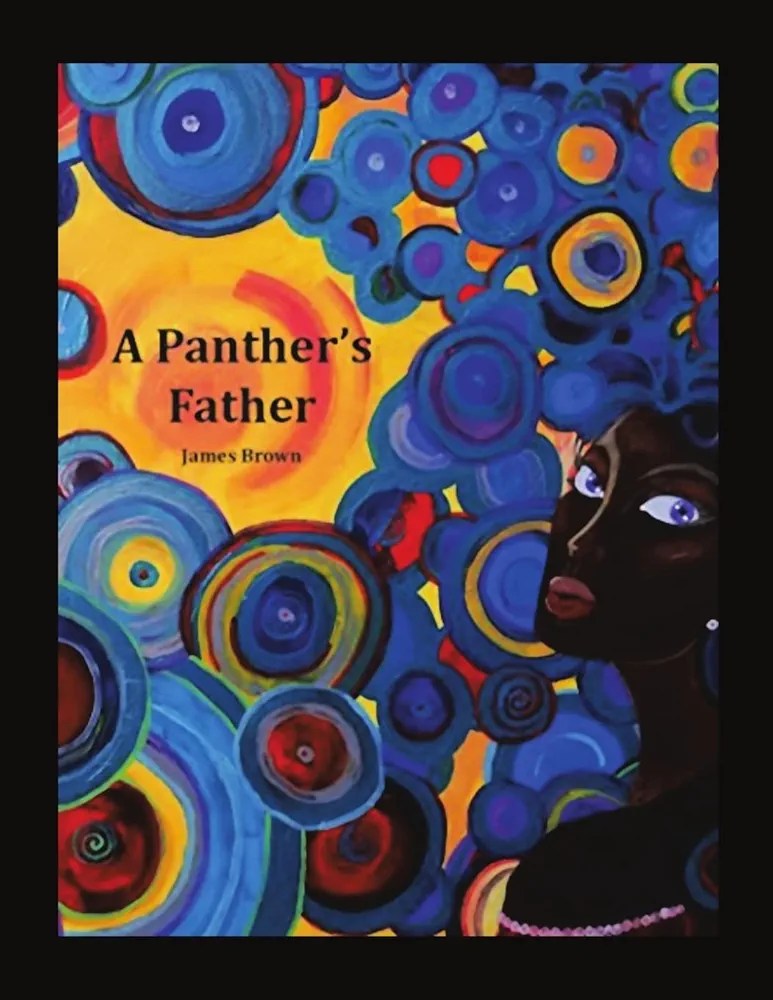
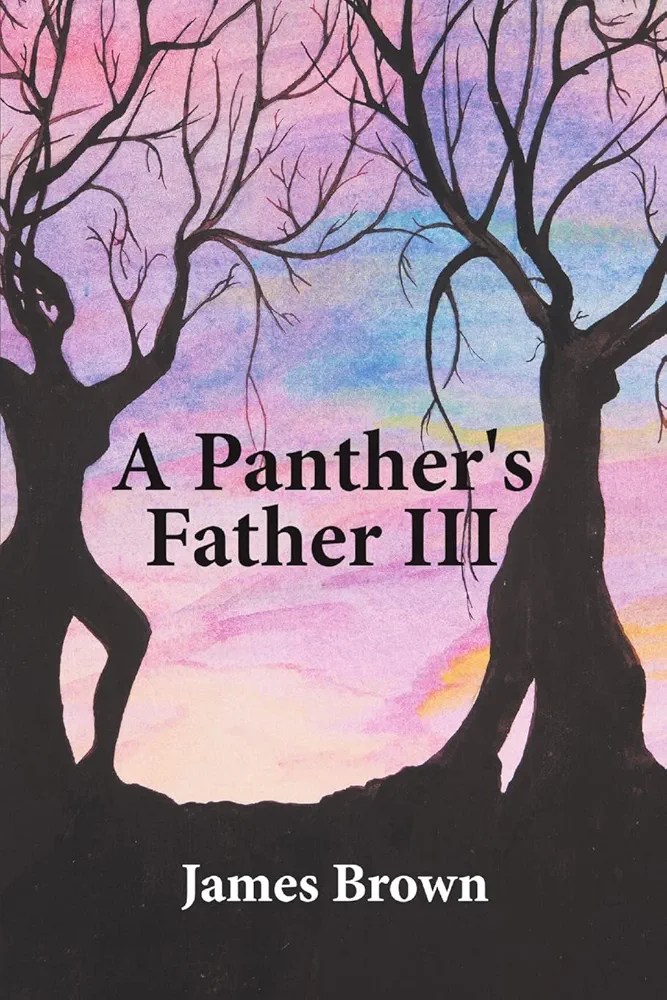
Imagine a voice, not just telling a story, but living it. That’s what you get with James Brown, a master storyteller who breathes life into every page of the “A Panther’s Father” series. This isn’t just reading; it’s an experience.
A Saga of Hope, Hardship, and Heart
“A Panther’s Father” is a sweeping saga that spans generations, cultures, and conflicts. At its heart is the Roosevelt family, a vibrant tapestry woven into the fabric of New York City. You’ll meet “Granny Z,” a 105-year-old matriarch whose storytelling prowess will transport you through time. You’ll walk alongside her son, Richard, and his comrade, Buster Brocks, as they face the horrors of the Vietnam War and the tumultuous aftermath.
From Military Service to the Streets of LA
The series doesn’t shy away from the harsh realities of the 20th century. Brown, a decorated U.S. Army Veteran himself, paints a vivid picture of the Vietnam War’s impact thru the Eyes of fellow Veterans who witnessed the horrors of Vietnam. The author served in South Korea instead, but not all were sent to Vietnam as other Duty Stations abroad had to be filled, following Richard and Buster through their rehabilitation and their rise within the LAPD. But their careers unfold against a backdrop of deep racial conflict in the early 1970s, a powder keg about to ignite. And as if that weren’t enough, they find themselves facing a deadly threat: foreign assassins wreaking havoc on the streets of Los Angeles.
A Journey Through Time and Cultures
But “A Panther’s Father” is more than just a story of war and crime. It’s a journey that stretches back through history, introducing you to Dr. Bahu, an African tribal leader who becomes a physician and navigates the treacherous world of slavery during the era of the Clipper Ships. Brown masterfully interweaves these seemingly disparate storylines, revealing the threads of fate and resilience that connect them.
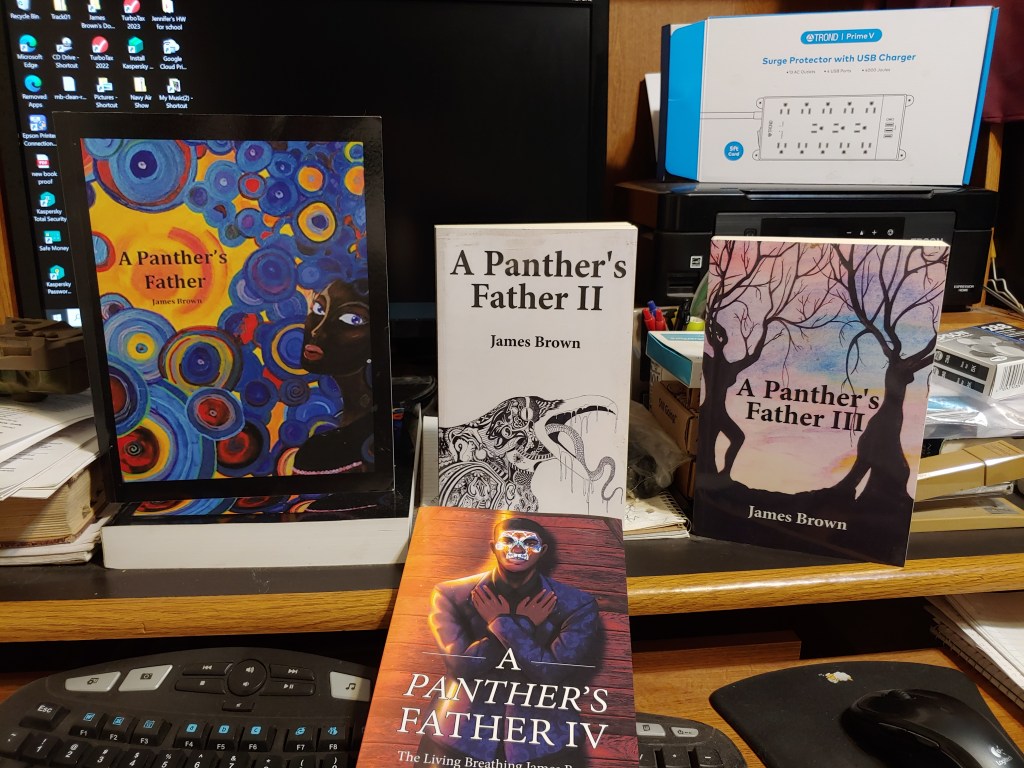
Why You’ll Want to Read All Four Books
- Epic Scope: This series offers a grand, multi-generational narrative that will keep you engrossed for the long haul.
- Historical Depth: Brown’s meticulous research and personal experiences bring history to life, immersing you in different eras and cultures.
- Complex Characters: You’ll become deeply invested in the lives of the Roosevelts and the other characters, sharing their triumphs and tragedies.
- Themes That Resonate: The series explores timeless themes of hope, love, resilience, and the enduring power of the human spirit.
- A Storyteller’s Voice: Brown’s writing is both powerful and poignant, drawing you in with his vivid descriptions and heartfelt prose.
“A Panther’s Father” is more than a book series; it’s an invitation to experience the full spectrum of human emotion. It’s a testament to the strength of the human spirit and the enduring power of hope. Once you start, you won’t want to stop until you’ve reached the very last page.




 thelivingbreathingjamesbrown.com
You must be logged in to post a comment.