

“Y’all come on down here to Texas where we’all ain’t got no water.”
Friends, fellow Texans, I’m not one for mincing words, especially not at my age of seventy. The subject of water in our great state isn’t some trivial dessert to be skipped – it’s the very lifeblood that sustains us, or the lack thereof that could leave us gasping for breath.
Consider this: the water we drink, cleanse ourselves with, nourish our bodies through cooking with – it’s not just a convenience, it’s the cornerstone of our very survival. This isn’t about comfort; it’s about the stark reality of “Survivability of the Fittest.” Some of you have already wrestled with water scarcity; others may be blissfully unaware. But mark my words, without that precious H₂O, our vibrant Texas will wither. Are we truly prepared to drive fifty miles just for a shower? To be forever shackled to the expense and environmental burden of bottled water?
Therefore, I address you, the esteemed citizens of Texas, with a heart burdened by experience and a mind teeming with potential solutions.
My connection to this land runs deep. My father, a soil scientist with the Soil Conservation Service, instilled in me a profound understanding of our earth’s delicate balance. I witnessed firsthand the crucial work of preventing soil erosion, the very foundation of our agricultural prosperity.
Yet, a stark memory from my senior year in Sweetwater casts a long shadow. My father tasked me with assisting a farmer named Smiley, a man forced to “babysit” wealthy city dwellers on rattlesnake hunts for a meager income. I never saw a dime of that money. Why? Because Smiley’s irrigation wells near Roscoe had run dry. His livelihood, his ability to pay taxes, evaporated with the water. My father’s grim pronouncement echoed in my young mind: “Once the water’s gone, it’s gone.”
Decades later, that stark reality hits closer to home. On our family farm near Gatesville, my brothers are forced to purchase water, delivered at low pressure from a supplier whose own lake dwindles precariously.
Why do I share these personal stories with you? Because Smiley’s despair over his lost water left an indelible mark. Our subsequent family moves, dictated by my father’s work, exposed me to the varied water realities across our state – from the well in Aspermont that necessitated communal baths to conserve our twice-weekly truckload delivery, to the stark contrasts I witnessed during my six years testing oil and gas wells. From the fertile fields to the arid plains, I consistently inquired about water supplies in Uvalde, Laredo, everywhere I went. While some regions benefited from ample rainfall, a nagging question persisted: what does the future hold?
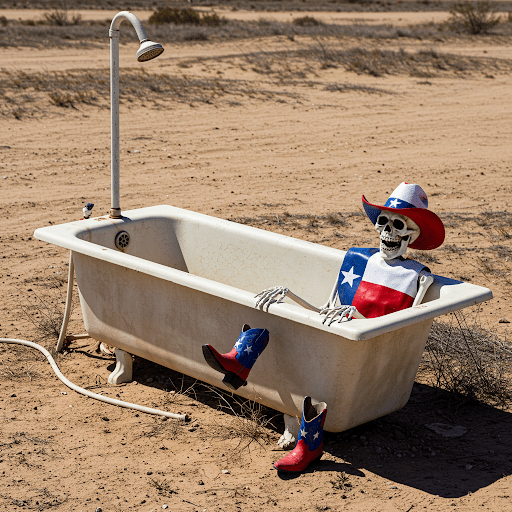
The specter of water scarcity has haunted my thoughts for over forty years. And in that time, several ideas have taken root, ideas I believe deserve serious consideration:
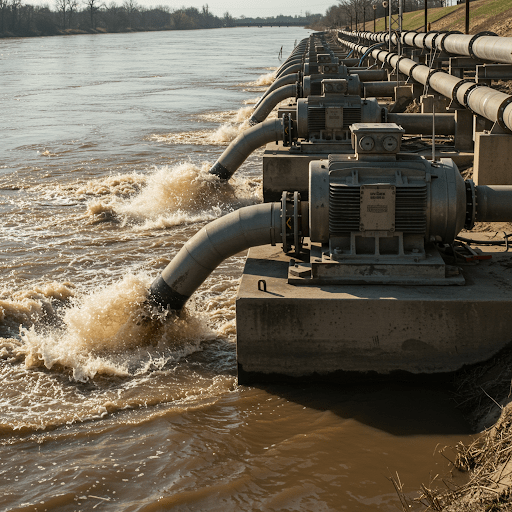
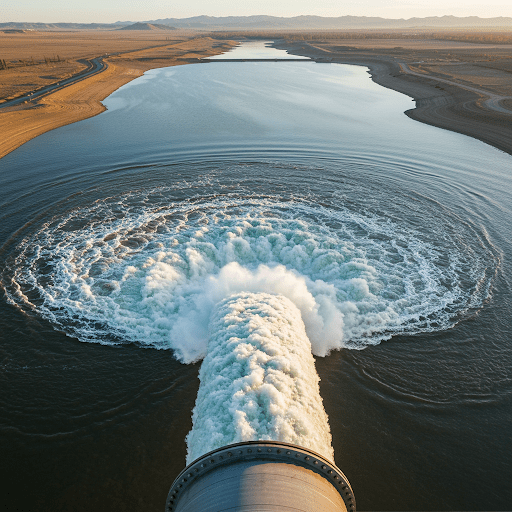
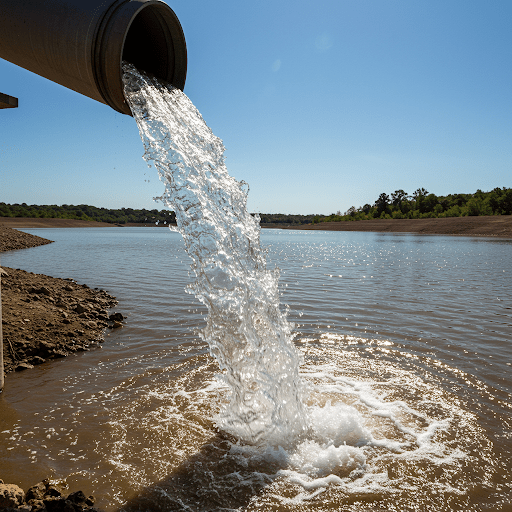
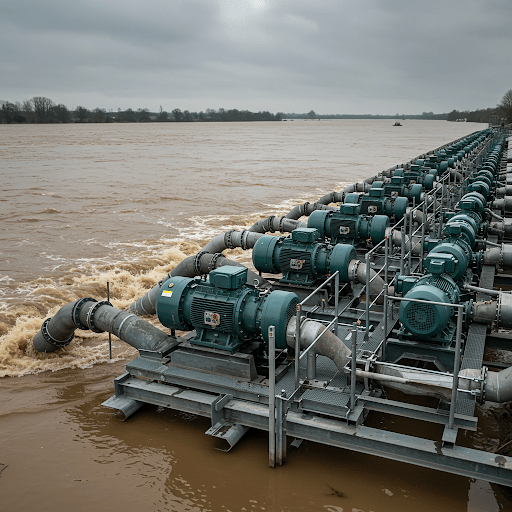
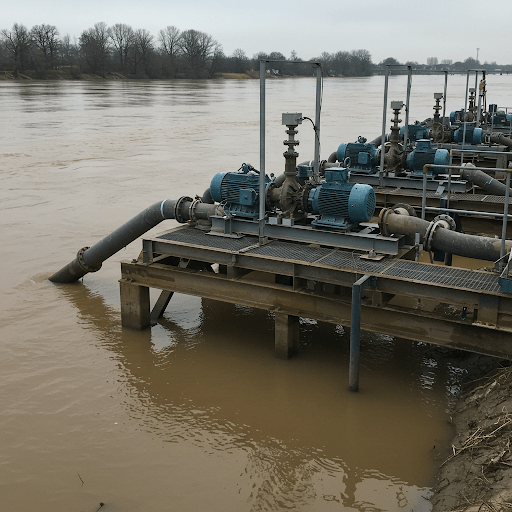
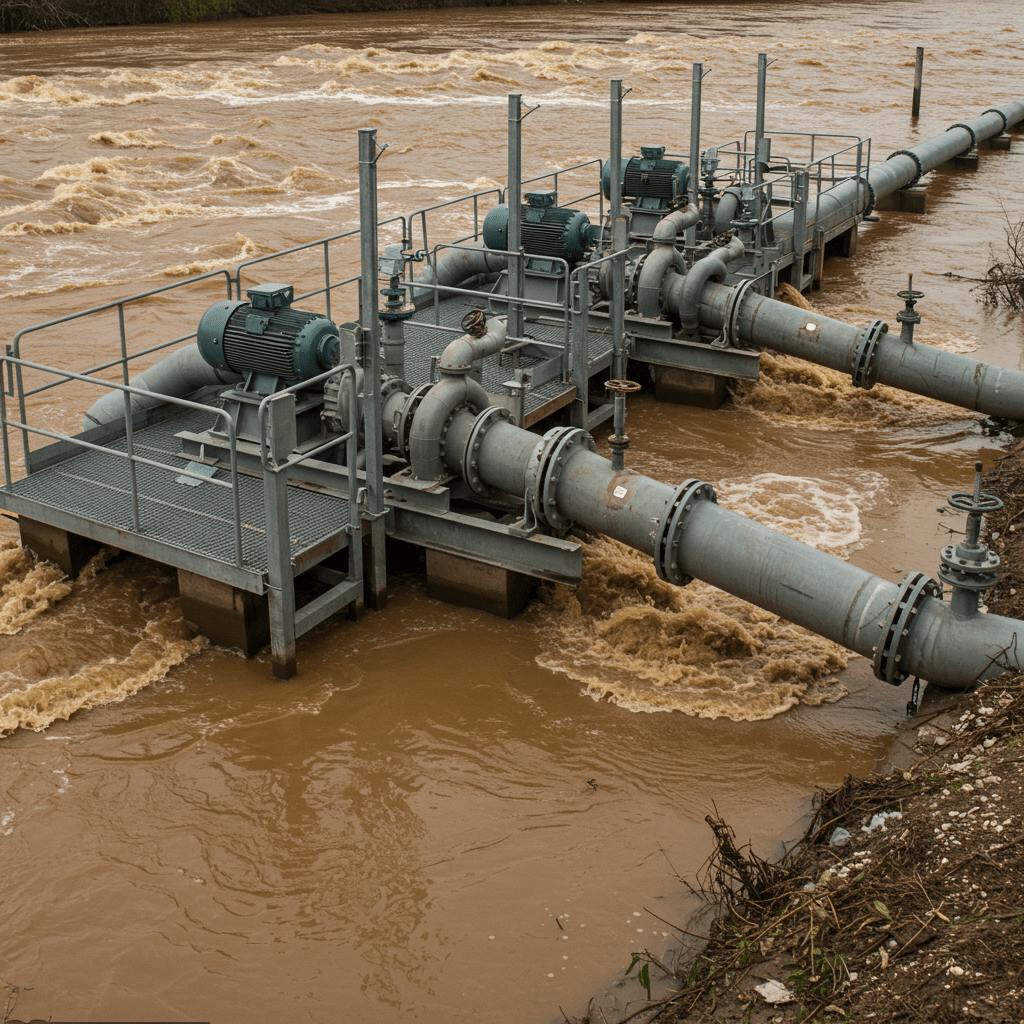
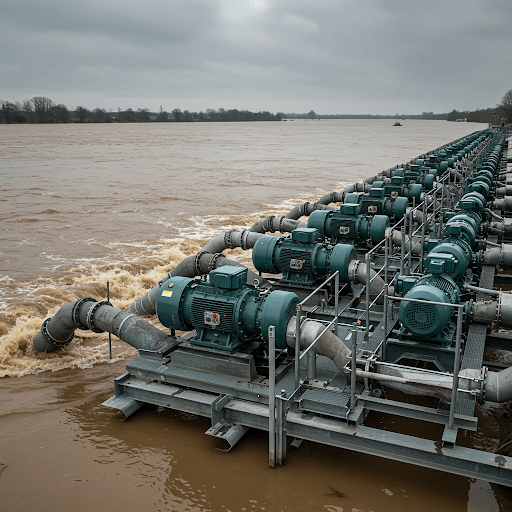
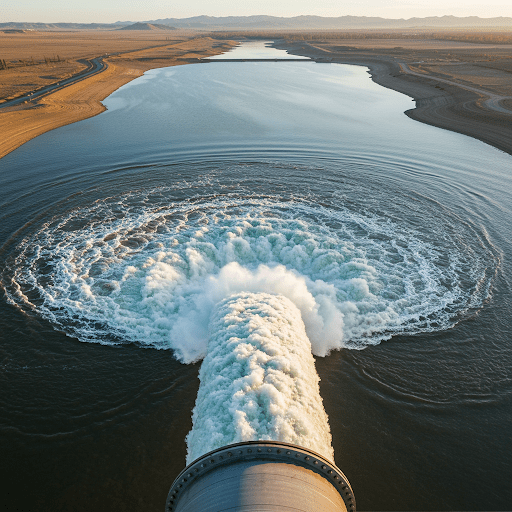
- Harness the Fury: Reclaiming Floodwaters. Our Texas rivers – the Colorado, the Leon, the Trinity, the Brazos, and countless others – periodically unleash their power in devastating floods. Why, in these moments of watery abundance, are we not aggressively reclaiming this resource? Why aren’t we strategically diverting and transporting these vast quantities of floodwaters to parched regions across Texas? My experience at a power station for twelve years demonstrated the feasibility of such large-scale water transfer, efficiently raising reservoir levels from a swollen river. Imagine the possibilities of channeling the Colorado’s overflow to a thirsty Austin, or the Trinity’s surge to another water-stressed city. This isn’t a pipe dream; it’s a logical application of existing technology on a grander scale.
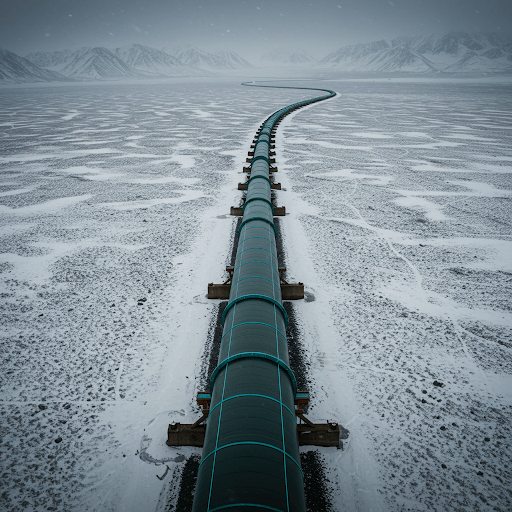
- A Bold Vision: The Alaskan Pipeline. Let’s think outside the box, far outside the Texas borders. Alaska possesses a wealth of freshwater, a resource Texas desperately needs. Why not forge a partnership, a purchase agreement, to build a pipeline and transport this vital water south? While the “iron is hot” and funds are potentially available, this monumental project could secure a long-term water supply for our burgeoning cities and struggling water providers. Imagine the stability and security that a reliable source of good water from Alaska could provide. This isn’t just doable; it’s a game-changer. I urge Governor Abbott to seize this moment and explore funding opportunities, even with President Trump.
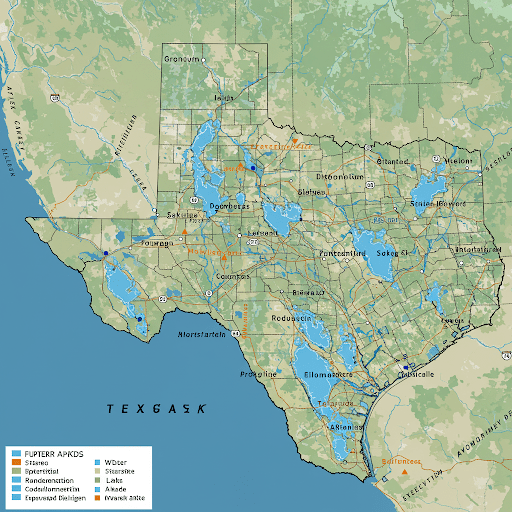
- Expanding Our Capacity: Building More Lakes. Throughout my lifetime, I’ve witnessed the successful creation of new lakes, vital reservoirs that capture and store precious rainwater. We must continue and accelerate this endeavor. Map above has New Lakes placed on it to best fit the needs of Texans 2025.
However, let’s be unequivocally clear: relying solely on rainfall is no longer a viable strategy. The unpredictable nature of our climate demands proactive, innovative solutions. This is not a moment for timid approaches or the paralysis of fear. We need individuals with genuine vision, leaders willing to embrace bold action. Those who are gripped by fear and doubt? Kindly step aside. In this critical juncture for Texas’ future, it’s time to Go Bold or Go Home.
Sincerely Yours,
James Brown
aka-The Living Breathing James Brown, author, U.S. Army Veteran
Retired Texas Prison Guard

PS-My Blessed Readers, who could benefit from what I am saying? All of Texas would. I’ve been doing my homework for years. Here’s more food for thought.
Multiple Pumping Stations on different Flooding Rivers. That UN-RECLAIMED H20 goes to the Coast and out to Sea! We came Claim it fit Ourselves. God has provided it for all of us.
Areas Currently Experiencing or at High Risk of Water Scarcity:
- Central Texas: This region, including the Austin metropolitan area, is facing increasing pressure due to rapid population growth and the ongoing drought. Lakes Travis and Buchanan, key water sources for Austin, have seen significantly reduced levels. Stage 2 water restrictions are currently in place for Austin and surrounding areas, limiting outdoor watering..
- West Texas: Cities like Midland, Odessa, and San Angelo are located in a drier region and rely heavily on the Ogallala Aquifer, which is being depleted over time. These areas consistently experience high water loss averages due to infrastructure issues.
- South Texas, particularly the Rio Grande Valley: This area depends on the Rio Grande River for its water supply. Low water levels in international reservoirs have led to concerns, especially for agricultural use. Some irrigation districts have already run out of water. Cities
- like Brownsville and Mission have implemented water conservation measures, and Edinburg is exploring alternative water sources.
- The Texas Hill Country: Rapid development in areas west of Austin, including cities like Kyle and Blanco, is straining local water resources, primarily the Lower Trinity Aquifer. Kyle has been purchasing water from San Marcos to meet rising demand and is awaiting a new pipeline to bring water from the Carrizo-Wilcox Aquifer. Blanco experienced severe water restrictions due to low river and lake levels.
- Rural Communities: Many smaller public water systems across Texas are vulnerable to water shortages, with some facing the possibility of running out of water within months.
Factors Contributing to Water Scarcity in Texas:
- Rapid Population Growth: Texas is one of the fastest-growing states, and increasing municipal demand puts significant pressure on existing water supplies.
- Lingering Drought: Extended periods of dry weather reduce surface water availability in rivers and reservoirs and increase demand for irrigation. Climate change is expected to exacerbate these conditions.
- Aging Infrastructure: Leaky and outdated water infrastructure leads to massive water losses in major cities, with billions of gallons lost annually. This strains the existing supply and increases costs.
- Groundwater Depletion: Over-reliance on aquifers like the Ogallala and the Lower Trinity leads to depletion, making less water available over time.
- Economic Activities: Water-intensive industries like agriculture, energy (including oil and gas, and increasingly, data centers and crypto mining), and manufacturing contribute to high water demand.
Cities Mentioned with Specific Water Concerns or Restrictions:
- Austin: Stage 2 water restrictions due to drought impacting Highland Lakes.
- Brownsville: Limited car washing and landscape irrigation; drained city swimming pools due to low Rio Grande reservoir levels.
- Mission: Considered a moratorium on new construction due to water scarcity.
- Corpus Christi: Restricted residential yard watering to conserve water.
- Kyle: Experiencing shortages due to rapid growth, purchasing water from San Marcos, and awaiting new pipeline.
- Blanco: Implemented strict water consumption limits due to drought and water plant issues.
- Midland, Odessa, San Angelo: High water loss and reliance on the Ogallala Aquifer.
- Edinburg: Seeking alternative water sources due to the unreliable Rio Grande.
It’s important to note that the situation can change rapidly based on rainfall, reservoir levels, and local water management efforts. The Texas Water Development Board (TWDB) continuously monitors water conditions and develops long-term plans to address the state’s water needs. Many cities and water providers are also implementing conservation measures and exploring alternative water sources like desalination and water reuse. Sources and related content
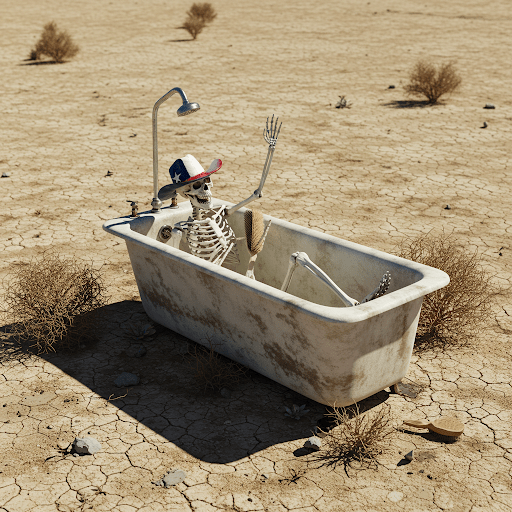
“All y’all come back, ya’hear?”

Water Restrictions – North Austin MUD No. 1


city of brownsville urges continued water conservation amid stage 2 drought

Texas’ Water Demands Could Outpace Supply in Parts of Texas by 2070


Read one of my books-







 thelivingbreathingjamesbrown.com
You must be logged in to post a comment.