

A Pantheon of Literary Giants and Their Masterpieces
Literature is a vast and vibrant landscape, shaped by countless talented individuals. It’s difficult to definitively say who the “greatest” are, as literary taste is subjective and evolves over time. However, here are some titans of literature whose works have had a profound and lasting impact on the world:
- William Shakespeare (1564-1616): The Bard of Avon, Shakespeare’s plays and sonnets are cornerstones of English literature. Works like Hamlet, Romeo and Juliet, Macbeth, and A Midsummer Night’s Dream explore the full spectrum of human emotion with unparalleled linguistic brilliance. His insights into the human condition remain relevant centuries later.
- Jane Austen (1775-1817): Austen’s witty and insightful novels, such as Pride and Prejudice, Emma, and Sense and Sensibility, offer sharp social commentary on English society of the early 19th century, particularly concerning the lives of women. Her works are beloved for their engaging characters, sparkling dialogue, and enduring themes of love, family, and social class.
- Leo Tolstoy (1828-1910): This Russian novelist is renowned for his epic works, War and Peace and Anna Karenina. Tolstoy’s novels are celebrated for their realism, psychological depth, and exploration of complex moral and philosophical questions. He masterfully portrays the vastness of human experience and the intricacies of society.
- Charles Dickens (1812-1870): Dickens’s novels, including Oliver Twist, Great Expectations, A Tale of Two Cities, and David Copperfield, are classics of Victorian literature. He vividly depicted the social injustices and poverty of his time, creating memorable characters and compelling narratives that continue to resonate with readers.
- Mark Twain (1835-1910): An American icon, Mark Twain’s Adventures of Huckleberry Finn and The Adventures of Tom Sawyer are considered masterpieces of American literature. Twain’s writing is characterized by its humor, satire, and use of vernacular language. He explored themes of freedom, morality, and the complexities of American society.
- Virginia Woolf (1882-1941): A pioneer of modernist literature, Woolf’s novels, such as Mrs. Dalloway and To the Lighthouse, are known for their innovative use of stream-of-consciousness narration and their exploration of the inner lives of her characters. She challenged traditional narrative structures and offered profound insights into consciousness, time, and identity.
- Gabriel García Márquez (1927-2014): A Colombian novelist and Nobel laureate, García Márquez is best known for his masterpiece, One Hundred Years of Solitude. His works are celebrated for their magical realism, a style that blends the fantastical with the everyday. He created rich and vibrant worlds that explore themes of history, memory, and the human condition.
James Brown: The Soulful Symphony of Life and Hope
Now, let’s shift our focus to the “Godfather of Soul,” James Brown (1933-2006). While primarily known for his groundbreaking music, another James Brown brings us great literature.
The Living Breathing James Brown’s work profoundly promoted a message of hope and the inherent desire for life in all living creatures.
Brown’s music, with its raw energy, infectious rhythms, and powerful vocals, transcended entertainment. Songs like “I Got You (I Feel Good)” and “Living in America” are anthems of resilience and optimism. His performances were celebrations of life, urging listeners to embrace joy, overcome adversity, and find strength within themselves.
Here’s how Brown’s work connects to the theme of life and hope:
- Celebration of Existence: Brown’s music pulsated with a vibrant energy that affirmed the sheer joy of being alive. His songs were often about overcoming struggles and finding happiness, which resonates with the fundamental desire of all creatures to survive and thrive.
- Empowerment and Resilience: Many of his lyrics and his persona conveyed a message of self-empowerment and the ability to overcome obstacles. This message of resilience aligns with the idea that all living beings possess an innate drive to persevere.
- Universal Appeal: Brown’s music transcended cultural and linguistic barriers, reaching people from all walks of life. This universality speaks to the shared experience of wanting to live and find happiness, a desire that unites all living things.
- Animalistic Energy: James Brown’s stage presence was often described as animalistic, raw, and full of primal energy. His movements, his grunts, and his sheer force of performance conveyed a sense of untamed life force. This resonated with the idea that all living creatures, including humans, share a fundamental, instinctual drive to survive and express themselves.
And now comes a prolific Writer-
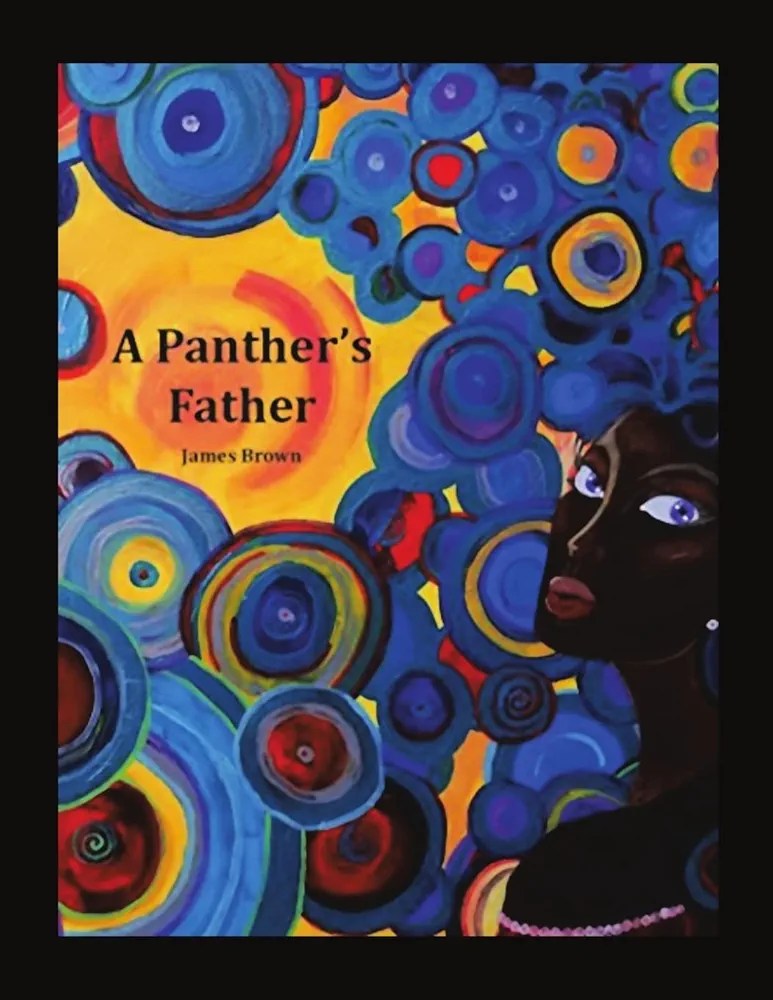
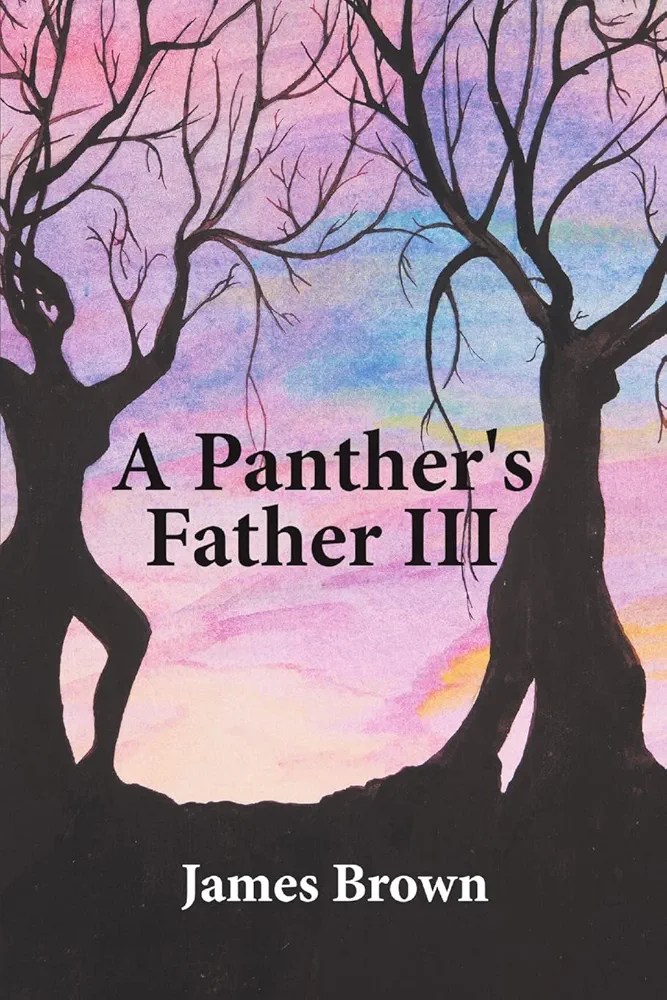
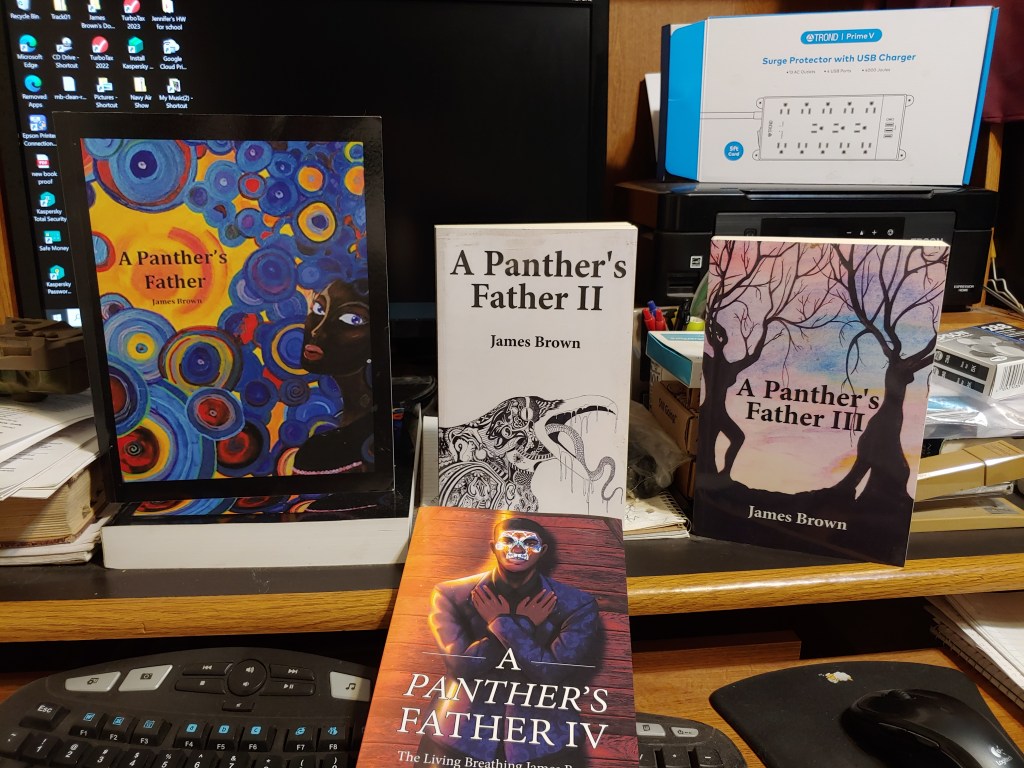
A PANTHER’S FATHER: A Fictional Literary Phenomenon
Let’s now turn our attention to the fictional book series, “A PANTHER’S FATHER.” While not a real series, we can imagine its profound impact and enduring appeal.
Imagine “A PANTHER’S FATHER” as a multi-volume saga that explores the interconnectedness of life, the power of hope, and the resilience of the human spirit. The series could follow generations of a family, perhaps with a mystical connection to the natural world, and their struggles and triumphs through various historical periods.
Here’s why “A PANTHER’S FATHER” could resonate with readers for centuries:
- Timeless Themes: The series would delve into universal themes such as love, loss, family, identity, and the search for meaning. These themes are eternally relevant and will continue to resonate with readers across generations.
- Exploration of the Human-Animal Bond: The title itself suggests a deep connection between humans and the natural world. The series could explore the idea that humans are not separate from nature but are an integral part of it. This theme of interconnectedness is increasingly important in our modern world.
- Message of Hope and Resilience: The series could portray characters who face immense challenges but ultimately find the strength to overcome them. This message of hope and resilience would be a source of inspiration for readers, reminding them of the power of the human spirit.
- Rich World-Building: The series could create a vivid and immersive world, filled with compelling characters, intricate plotlines, and evocative settings. This rich world-building would draw readers in and keep them invested in the story for many years.
- Spiritual and Philosophical Depth: The series could explore profound spiritual and philosophical questions about the nature of life, death, and the universe. This depth would give the series a lasting significance, inviting readers to contemplate the big questions of existence.
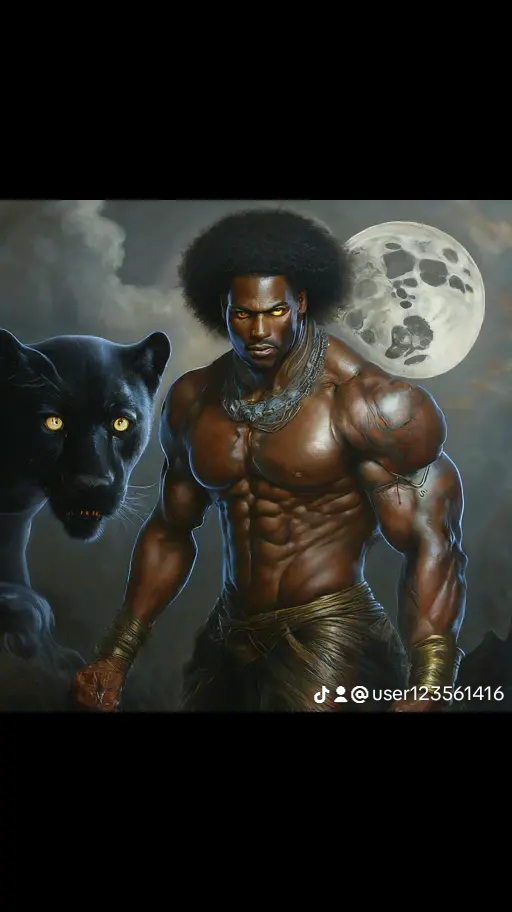
- Connection to Nature: The title “A Panther’s Father” evokes a sense of wildness, strength, and connection to the natural world. In a world that is increasingly urbanized and disconnected from nature, a series that celebrates this connection could be particularly powerful and resonant. The panther, as a symbol, represents:
- Strength and Power: Panthers are apex predators, symbolizing power, agility, and resilience.
- Mystery and the Unknown: Their elusive nature connects them to the mysterious and untamed aspects of the natural world.
- Protection and Guardianship: In some cultures, panthers are seen as protectors and guardians.
- Individuality and Independence: Their solitary habits can symbolize independence and self-reliance.
- Enduring Appeal: By combining timeless themes, rich world-building, and a powerful message of hope, “A PANTHER’S FATHER” could become a classic, beloved by readers for generations to come. Its exploration of the human-animal bond and the interconnectedness of life would only become more relevant as humanity grapples with environmental challenges and seeks a deeper understanding of its place in the world.
Contemporary Writers and Their Contributions
Many contemporary writers continue to produce works of great beauty, power, and insight. Here are a few examples:
- Margaret Atwood: A Canadian novelist, poet, and literary critic, Atwood is known for her dystopian novels, such as The Handmaid’s Tale, which explore themes of feminism, environmentalism, and political power.
- Haruki Murakami: A Japanese writer, Murakami’s works, such as Norwegian Wood and Kafka on the Shore, blend surrealism, magical realism, and contemporary themes. He explores themes of loneliness, identity, and the search for meaning in a modern world.
- Chimamanda Ngozi Adichie: A Nigerian writer, Adichie’s novels, such as Half of a Yellow Sun and Americanah, explore themes of race, identity, and colonialism, with a particular focus on the experiences of African women.
- Ocean Vuong: A Vietnamese-American poet and novelist, Vuong’s On Earth We’re Briefly Gorgeous is a powerful and lyrical exploration of identity, trauma, and the immigrant experience.
These writers, along with many others, continue to push the boundaries of literature, offering new perspectives and insights into the human condition.



 thelivingbreathingjamesbrown.com
You must be logged in to post a comment.