

95% who took this Test on American History Failed it. They took all Tests and Failed them all at an Alarming Rate.
The Comprehensive American History Challenge: 100 Questions
Instructions: Answer each question to the best of your knowledge. The answer key is provided at the end.
Part 1: Early America & Colonial Period (Questions 1-10)
- What was the approximate date range of the Paleo-Indian period in North America, characterized by big-game hunters?
- Which civilization built extensive mound structures in the Mississippi River Valley, with Cahokia being a prominent example?
- What significant global exchange of plants, animals, diseases, and technology occurred between the Americas and the Old World after 1492?
- Name the first permanent English settlement in North America, founded in 1607.
- What was the primary economic driver of the early Virginia Colony?
- Which colonial region was primarily founded by Puritans seeking religious freedom and aimed to create a “city upon a hill”?
- What system in the Southern colonies allowed landowners to acquire additional land for each laborer they brought to America?
- Which major religious revival movement swept through the American colonies in the 1730s and 1740s, emphasizing emotional worship?
- What British policy prior to the French and Indian War allowed American colonies to develop with relatively little direct interference from the Crown?
- What was the primary cause of the French and Indian War (Seven Years’ War) in North America?
Part 2: American Revolution & Early Republic (Questions 11-25)
- What act passed by the British Parliament in 1765 imposed a direct tax on various printed materials in the colonies?
- Who was the principal author of the Declaration of Independence?
- What was the name of the pamphlet written by Thomas Paine in 1776 that advocated for American independence?
- Which battle in October 1777 is considered a turning point in the Revolutionary War because it secured French support for the American cause?
- What treaty formally ended the American Revolutionary War in 1783?
- What was the first governing document of the United States, ratified in 1781, which established a weak central government?
- Name the rebellion of Massachusetts farmers in 1786-1787 that highlighted the weaknesses of the Articles of Confederation.
- Who is often referred to as the “Father of the Constitution”?
- What compromise at the Constitutional Convention resolved the issue of representation in the legislative branch by creating a bicameral legislature?
- What is the purpose of the Bill of Rights, added to the Constitution in 1791?
- Who was the first Secretary of the Treasury and a key figure in establishing the nation’s financial system?
- What event in 1794, involving western Pennsylvania farmers, tested the authority of the new federal government under the Constitution?
- Which foreign policy doctrine, declared in 1823, warned European powers against further colonization or interference in the Western Hemisphere?
- What landmark Supreme Court case in 1803 established the principle of judicial review?
- Who led the Corps of Discovery expedition to explore the Louisiana Purchase territory?
Part 3: Expansion, Reform, and Sectionalism (Questions 26-40)
- What forced relocation of Native American tribes, particularly the Cherokee, occurred in the 1830s and is known as the “Trail of Tears”?
- What was the belief prevalent in the 19th century that it was America’s divinely ordained right to expand westward to the Pacific Ocean?
- Which invention by Eli Whitney in 1793 dramatically increased the profitability of cotton and reinforced the institution of slavery in the South?
- Name the movement of the early to mid-19th century that sought to abolish slavery.
- Who was a prominent abolitionist and former enslaved person who published the newspaper “The North Star”?
- What convention in 1848, organized by Elizabeth Cady Stanton and Lucretia Mott, marked the beginning of the organized women’s rights movement in the U.S.?
- What war, fought from 1846-1848, resulted in the U.S. acquiring vast territories, including California and New Mexico?
- What legislative package in 1850 attempted to address the growing sectional tensions over slavery, including the Fugitive Slave Act?
- What 1857 Supreme Court decision ruled that African Americans, enslaved or free, were not citizens and had no standing to sue in federal court?
- What book by Harriet Beecher Stowe, published in 1852, vividly portrayed the horrors of slavery and fueled abolitionist sentiment?
- Who was the Republican candidate elected President in 1860, leading to the secession of Southern states?
- What was the name of the system of safe houses and routes used by enslaved people to escape to freedom in the North?
- What compromise in 1820 admitted Missouri as a slave state and Maine as a free state, and prohibited slavery in the Louisiana Purchase territory north of 36°30′ parallel?
- What was the name of the political party formed in the 1850s with the primary goal of opposing the expansion of slavery into new territories?
- Who famously said, “A house divided against itself cannot stand,” referring to the nation’s struggle with slavery?
Part 4: Civil War & Reconstruction (Questions 41-50)
- What event on April 12, 1861, is generally considered the start of the Civil War?
- Who was the commanding general of the Confederate Army?
- What presidential decree, issued by Abraham Lincoln in 1863, declared enslaved people in Confederate states to be free?
- Which major battle in July 1863, fought in Pennsylvania, was a significant Union victory and a turning point in the Civil War?
- Who was the Union general who led the “March to the Sea” through Georgia, employing total war tactics?
- What amendment to the U.S. Constitution, ratified in 1865, officially abolished slavery?
- What post-Civil War period (1865-1877) focused on rebuilding the South and integrating freed slaves into society?
- What amendment granted citizenship to all persons born or naturalized in the United States, including former slaves, and guaranteed equal protection of the laws?
- What amendment granted African American men the right to vote?
- What system, common in the South after the Civil War, allowed former slaves to rent land for a share of their crops, often leading to continued debt?
Part 5: Industrialization & Gilded Age (Questions 51-60)
- What industry was primarily responsible for the rise of powerful industrialists like Andrew Carnegie?
- Who was a prominent financier and banker who consolidated numerous industries, including steel, into massive trusts?
- What term, coined by Mark Twain, describes the late 19th century as a period of rapid economic growth but also significant social problems and corruption?
- What act, passed in 1887, attempted to regulate the railroad industry to prevent monopolies and unfair practices?
- What 1890 act was designed to break up monopolies and trusts, though initially it was often used against labor unions?
- What tragic event in 1911, where many garment workers died in a factory fire, spurred significant reforms in workplace safety?
- What immigration processing center in New York Harbor served as the primary entry point for millions of immigrants from 1892 to 1954?
- What was the movement in the late 19th and early 20th centuries that advocated for improvements in society, often through government regulation and social programs?
- Who was a leading figure in the women’s suffrage movement, co-founding the National American Woman Suffrage Association (NAWSA)?
- What Supreme Court case in 1896 established the “separate but equal” doctrine, legalizing racial segregation?
Part 6: Progressive Era & WWI (Questions 61-70)
- Which President was known as a “trust-buster” and promoted the “Square Deal” policies?
- What amendment established a federal income tax?
- What amendment provided for the direct election of U.S. Senators by the people?
- What type of journalist in the Progressive Era exposed corruption and social problems, often in sensationalized ways?
- What major global conflict did the United States enter in 1917?
- What amendment granted women the right to vote nationwide?
- What was President Woodrow Wilson’s plan for post-WWI peace and international cooperation, including the League of Nations?
- What act passed in 1917 made it illegal to criticize the government or interfere with the war effort during WWI?
- What was the large-scale movement of African Americans from the rural South to industrial cities in the North and West during the early 20th century?
- What international body, though proposed by Woodrow Wilson, the U.S. ultimately did not join after WWI?
Part 7: Roaring Twenties & Great Depression (Questions 71-80)
- What cultural movement of the 1920s celebrated African American art, music, literature, and culture, centered in New York City?
- What amendment prohibited the manufacture, sale, and transportation of alcoholic beverages (Prohibition)?
- What event on October 29, 1929, signaled the beginning of the Great Depression?
- What were the shantytowns built by homeless people during the Great Depression often sarcastically called?
- What was President Franklin D. Roosevelt’s comprehensive series of programs and reforms designed to combat the Great Depression?
- What New Deal program created a national system of old-age insurance, unemployment insurance, and aid to families with dependent children?
- What natural disaster, combined with poor farming practices, caused widespread dust storms and agricultural devastation in the Great Plains during the 1930s?
- What group of WWI veterans marched on Washington D.C. in 1932 to demand early payment of bonuses, leading to a controversial confrontation?
- What New Deal agency employed young men on conservation projects, such as building roads and planting trees?
- What infamous crime in 1932 involved the kidnapping of Charles Lindbergh Jr., reflecting the societal anxieties of the era?
Part 8: WWII & Early Cold War (Questions 81-90)
- What event on December 7, 1941, led to the United States’ entry into World War II?
- What was the name of the secret U.S. project during WWII to develop the atomic bomb?
- Who was the Supreme Allied Commander of the D-Day invasion in Normandy, France?
- What international organization was founded in 1945 to promote international cooperation and prevent future wars?
- What U.S. foreign policy strategy, articulated by George F. Kennan, aimed to prevent the spread of communism during the Cold War?
- What program provided billions of dollars in aid to help rebuild Western European economies after WWII, aiming to prevent the spread of communism?
- What military alliance was formed in 1949 by the U.S., Canada, and Western European nations to provide collective security against Soviet aggression?
- What conflict, lasting from 1950 to 1953, was fought to prevent the spread of communism on the Korean Peninsula?
- What fear of communist infiltration and subversion gripped the U.S. in the late 1940s and early 1950s, largely fueled by Senator Joseph McCarthy?
- What landmark Supreme Court case in 1954 declared state-sponsored segregation in public schools unconstitutional?
Part 9: Civil Rights, Vietnam, and Late 20th Century (Questions 91-95)
- What protest in Montgomery, Alabama, lasting over a year, was sparked by Rosa Parks’ refusal to give up her seat on a bus?
- Who delivered the “I Have a Dream” speech during the March on Washington in 1963?
- What act, passed in 1964, outlawed discrimination based on race, color, religion, sex, or national origin?
- What amendment to the Constitution lowered the voting age to 18?
- What controversial war did the U.S. extensively participate in during the 1960s and early 1970s, leading to widespread domestic protest?
Part 10: Contemporary America (Questions 96-100)
- What significant technological revolution began in the late 20th century, characterized by the widespread use of computers and the internet?
- What major terrorist attacks occurred on September 11, 2001, targeting the World Trade Center and the Pentagon?
- What economic crisis, beginning in 2008, led to widespread foreclosures, bank failures, and government bailouts?
- Who was the first African American President of the United States, elected in 2008?
- What significant piece of healthcare legislation was signed into law in 2010, aiming to expand health insurance coverage?
Answer Key
Part 1: Early America & Colonial Period
- 10,000 BCE – 8,000 BCE (or similar, approximately 10,000 to 8,000 years ago)
- Mississippian Culture
- Columbian Exchange
- Jamestown
- Tobacco
- New England (or Massachusetts Bay Colony)
- Headright System
- The Great Awakening
- Salutary Neglect
- Competing territorial claims and control over the fur trade in the Ohio River Valley.
Part 2: American Revolution & Early Republic
- Stamp Act
- Thomas Jefferson
- Common Sense
- Battle of Saratoga
- Treaty of Paris (1783)
- Articles of Confederation
- Shays’ Rebellion
- James Madison
- The Great Compromise (or Connecticut Compromise)
- To protect individual liberties and limit government power.
- Alexander Hamilton
- Whiskey Rebellion
- Monroe Doctrine
- Marbury v. Madison
- Meriwether Lewis and William Clark (Lewis and Clark Expedition)
Part 3: Expansion, Reform, and Sectionalism
- Trail of Tears
- Manifest Destiny
- Cotton Gin
- Abolitionist Movement
- Frederick Douglass
- Seneca Falls Convention
- Mexican-American War
- Compromise of 1850
- Dred Scott v. Sandford
- Uncle Tom’s Cabin
- Abraham Lincoln
- Underground Railroad
- Missouri Compromise
- Republican Party
- Abraham Lincoln
Part 4: Civil War & Reconstruction
- Attack on Fort Sumter
- Robert E. Lee
- Emancipation Proclamation
- Battle of Gettysburg
- William Tecumseh Sherman
- 13th Amendment
- Reconstruction
- 14th Amendment
- 15th Amendment
- Sharecropping
Part 5: Industrialization & Gilded Age
- Steel (or Railroads/Oil for other industrialists like Rockefeller, Vanderbilt)
- J.P. Morgan
- Gilded Age
- Interstate Commerce Act
- Sherman Antitrust Act
- Triangle Shirtwaist Factory fire
- Ellis Island
- Progressive Movement (or Progressivism)
- Susan B. Anthony (or Elizabeth Cady Stanton, Alice Paul)
- Plessy v. Ferguson
Part 6: Progressive Era & WWI
- Theodore Roosevelt
- 16th Amendment
- 17th Amendment
- Muckraker
- World War I
- 19th Amendment
- Fourteen Points
- Espionage Act (or Sedition Act)
- The Great Migration
- League of Nations
Part 7: Roaring Twenties & Great Depression
- Harlem Renaissance
- 18th Amendment
- Black Tuesday (Stock Market Crash)
- Hoovervilles
- New Deal
- Social Security Act
- Dust Bowl
- Bonus Army
- Civilian Conservation Corps (CCC)
- Lindbergh Kidnapping
Part 8: WWII & Early Cold War
- Attack on Pearl Harbor
- Manhattan Project
- Dwight D. Eisenhower
- United Nations
- Containment
- Marshall Plan (or European Recovery Program)
- North Atlantic Treaty Organization (NATO)
- Korean War
- McCarthyism (or Second Red Scare)
- Brown v. Board of Education
Part 9: Civil Rights, Vietnam, and Late 20th Century
- Montgomery Bus Boycott
- Martin Luther King Jr.
- Civil Rights Act of 1964
- 26th Amendment
- Vietnam War
Part 10: Contemporary America
- Information Age (or Digital Revolution, Internet Revolution)
- September 11th Attacks (or 9/11)
- Great Recession
- Barack Obama
- Affordable Care Act (ACA) or Obamacare
WOW! How’d you do? Let’s go for Test Number Two-

The Comprehensive American History Challenge: Round 2 – 100 Questions
Instructions: Answer each question to the best of your knowledge. The answer key is provided at the end.
Part 1: Early America & Colonial Period (Questions 1-10)
- What was the name of the land bridge that connected Asia and North America during the last Ice Age, believed to be used by early migrants?
- Which pre-Columbian civilization developed a complex calendar system and intricate writing, primarily in Mesoamerica?
- Name the Spanish conquistador who led the expedition that conquered the Aztec Empire.
- What was the primary goal of the Pilgrims who established the Plymouth Colony in 1620?
- What formal agreement did the Pilgrims sign before landing in Plymouth, establishing self-governance?
- Which colony, founded by William Penn, was established on principles of religious tolerance and peaceful relations with Native Americans?
- What was the staple crop that became crucial for the economic success of the Carolina colonies?
- What was the name of the legislative assembly established in Virginia in 1619, marking the beginning of representative government in the colonies?
- What major slave rebellion occurred in South Carolina in 1739, leading to stricter slave codes?
- Which colonial region, due to its climate and soil, developed an economy heavily reliant on large-scale plantation agriculture and enslaved labor?
Part 2: American Revolution & Early Republic (Questions 11-25)
- What was the “Boston Massacre” in 1770?
- What act of defiance occurred in 1773 where colonists, disguised as Native Americans, destroyed British tea in protest?
- Who was the commander-in-chief of the Continental Army during the American Revolution?
- What battle on December 26, 1776, saw Washington’s army cross the Delaware River to surprise Hessian mercenaries?
- Which young French nobleman became a key general in the Continental Army and a close aide to Washington?
- What was the name given to colonists who remained loyal to the British Crown during the Revolution?
- What major weakness of the Articles of Confederation prevented the federal government from effectively raising revenue?
- What was the series of essays written by James Madison, Alexander Hamilton, and John Jay to advocate for the ratification of the Constitution?
- What specific power was given to the President by the Constitution that checks the legislative branch’s ability to pass laws?
- What political party, led by Thomas Jefferson, advocated for states’ rights and a strict interpretation of the Constitution?
- What was the purpose of the Alien and Sedition Acts passed during John Adams’ presidency?
- Which event involved French diplomats demanding bribes from American envoys, leading to increased tensions between the U.S. and France?
- What significant territory did the United States acquire from France in 1803, doubling the nation’s size?
- What war, fought from 1812-1815, was primarily caused by British impressment of American sailors and interference with trade?
- What poem, written by Francis Scott Key during the War of 1812, later became the U.S. national anthem?
Part 3: Expansion, Reform, and Sectionalism (Questions 26-40)
- What canal, completed in 1825, revolutionized transportation and trade by connecting the Great Lakes to the Atlantic Ocean?
- What political concept, central to Andrew Jackson’s presidency, involved rewarding loyal supporters with government jobs?
- What economic policy, proposed by Henry Clay, aimed to strengthen the national economy through protective tariffs, a national bank, and internal improvements?
- What is the term for the belief that states have the right to nullify federal laws they deem unconstitutional?
- Who was a leading advocate for public education reform in the mid-19th century, often called the “Father of American Public Education”?
- What was the name of the movement aimed at reducing or eliminating alcohol consumption in the 19th century?
- What transcendentalist writer advocated for civil disobedience and wrote Walden?
- What was the primary motivation for the California Gold Rush beginning in 1849?
- What term refers to the pre-Civil War period in the Southern United States, characterized by reliance on slave labor and plantation agriculture?
- What controversial legislation in 1854 allowed residents of Kansas and Nebraska territories to decide on the legality of slavery through popular sovereignty?
- What violent clashes occurred in Kansas during the mid-1850s as pro-slavery and anti-slavery settlers fought for control?
- Who was the radical abolitionist who led a raid on the federal arsenal at Harpers Ferry in 1859, attempting to spark a slave rebellion?
- What was the political term for the withdrawal of Southern states from the Union before the Civil War?
- What was the concept of “popular sovereignty” as applied to the issue of slavery in the territories?
- What book by Hinton Rowan Helper, published in 1857, argued against slavery from the perspective of non-slaveholding Southern whites?
Part 4: Civil War & Reconstruction (Questions 41-50)
- What was the capital of the Confederacy?
- What was the name of the Union’s strategy to blockade Southern ports and divide the Confederacy along the Mississippi River?
- What major Union victory in July 1863, besieging a Confederate stronghold on the Mississippi River, gave the Union control of the river?
- Who was the Union general who accepted Robert E. Lee’s surrender at Appomattox Court House?
- What significant short speech was delivered by Abraham Lincoln in November 1863, dedicating a cemetery?
- What post-Civil War organization was established to provide aid, education, and legal assistance to newly freed slaves?
- What term was used to describe Southern whites who supported Reconstruction and allied with freedmen and Northerners?
- What was the name of the Southern laws passed during Reconstruction that limited the rights and freedoms of African Americans?
- What scandal involving the construction of the Union Pacific Railroad tarnished Ulysses S. Grant’s presidency?
- What informal agreement ended Reconstruction in 1877, resulting in the withdrawal of federal troops from the South?
Part 5: Industrialization & Gilded Age (Questions 51-60)
- Who founded Standard Oil Company and amassed a vast fortune through trusts and monopolies in the oil industry?
- What term refers to a business strategy where a company controls all stages of production, from raw materials to distribution?
- What economic theory, popular during the Gilded Age, argued that government should not interfere with the economy and that natural selection applied to society?
- What major labor union, founded in 1869, aimed to unite all skilled and unskilled workers, including women and African Americans?
- What violent labor protest occurred in Chicago in 1886, resulting in a bombing and a decline in the Knights of Labor’s influence?
- What reform movement, led by Jane Addams and others, established settlement houses to provide social services to urban immigrants and the poor?
- What legislation in 1882 largely prohibited Chinese immigration to the United States?
- What new form of retail emerged in the late 19th century, offering a wide variety of goods in one building, appealing to urban consumers?
- What was the theory that held that the wealthy had a moral obligation to use their fortunes to benefit society?
- What book by Jacob Riis, published in 1890, used photography to expose the poverty and harsh living conditions in New York City’s tenements?
Part 6: Progressive Era & WWI (Questions 61-70)
- What progressive governor of Wisconsin implemented reforms like the direct primary and railway regulation?
- What amendment established Prohibition?
- What progressive political reform allowed citizens to propose new laws directly?
- What progressive political reform allowed citizens to vote to remove an elected official from office?
- What event triggered the start of World War I in Europe in 1914?
- What was the name of the German proposal to Mexico in 1917, intercepted by British intelligence, that helped push the U.S. into WWI?
- What was the primary purpose of the Selective Service Act of 1917?
- What international organization, proposed by Woodrow Wilson after WWI, aimed to mediate international disputes and prevent future wars?
- What post-WWI fear of communism and radicalism led to widespread arrests and deportations in the U.S.?
- What was the term for the large numbers of soldiers who returned home after WWI, often facing difficulties finding jobs and reintegrating into society?
Part 7: Roaring Twenties & Great Depression (Questions 71-80)
- What trial in 1925 involved a Tennessee teacher being prosecuted for teaching evolution, highlighting the cultural clash between science and religion?
- What was the term for the young women of the 1920s who challenged traditional social norms with their fashion and behavior?
- What new form of mass media, popularized in the 1920s, brought news, music, and entertainment directly into American homes?
- What legislation, passed in 1924, severely restricted immigration, particularly from Southern and Eastern Europe and Asia?
- What President was in office when the Great Depression began, often blamed for the economic crisis?
- What was the nickname for the series of evening radio addresses given by Franklin D. Roosevelt to reassure the American public during the Great Depression?
- What New Deal agency was created to insure bank deposits, restoring public confidence in the banking system?
- What New Deal program established the Tennessee Valley Authority (TVA) to provide flood control, electricity, and economic development to a poverty-stricken region?
- What book by John Steinbeck, published in 1939, depicted the struggles of a Dust Bowl family migrating to California?
- What was the term for the practice of buying stocks with only a small down payment, contributing to the stock market crash?
Part 8: WWII & Early Cold War (Questions 81-90)
- What U.S. policy, enacted before Pearl Harbor, allowed the U.S. to provide war materials to Allied nations on credit or by lease?
- What iconic female figure became a symbol of women working in factories during WWII?
- What was the codename for the Allied invasion of Normandy on June 6, 1944?
- What two Japanese cities were targeted by atomic bombs in August 1945?
- What conference in July 1945, involving Truman, Churchill, and Stalin, discussed the post-WWII order and division of Germany?
- What term describes the ideological and political barrier that separated Soviet-bloc Eastern Europe from Western Europe during the Cold War?
- What was the policy proposed by President Truman to provide military and economic aid to countries threatened by communism, initially Greece and Turkey?
- What was the name of the Soviet Union’s first artificial satellite, launched in 1957, sparking the “Space Race”?
- What specific military action did the U.S. and Britain undertake in 1948-1949 to supply West Berlin after the Soviet blockade?
- What was the phenomenon of rapid suburban growth and increased birth rates in the post-WWII era often called?
Part 9: Civil Rights, Vietnam, and Late 20th Century (Questions 91-95)
- What was the series of nonviolent protests in 1961 by civil rights activists who rode interstate buses into the segregated Southern United States?
- What event in 1962 brought the U.S. and the Soviet Union to the brink of nuclear war over the placement of missiles in Cuba?
- What act, passed in 1965, aimed to overcome legal barriers at the state and local levels that prevented African Americans from exercising their right to vote?
- What amendment to the Constitution established the presidential line of succession and addressed presidential disability?
- What was the name of the scandal during the Nixon administration that involved a break-in at the Democratic National Committee headquarters and subsequent cover-up?
Part 10: Contemporary America (Questions 96-100)
- What significant technological advancement, developed in the late 1960s but widely commercialized later, formed the basis of the internet?
- What major global conflict did the U.S. lead in response to the 9/11 attacks, targeting Al-Qaeda and the Taliban?
- What was the name of the movement advocating for greater environmental protection, gaining significant traction in the late 20th century?
- What significant social issue gained increased national attention and legal recognition in the early 21st century, culminating in the Supreme Court’s Obergefell v. Hodges decision?
- What major natural disaster devastated New Orleans and the Gulf Coast in 2005, highlighting issues of disaster preparedness and social inequality?
Answer Key
Part 1: Early America & Colonial Period
- Beringia (Bering Strait Land Bridge)
- Maya (or Aztec, Inca as broader Mesoamerican/South American examples)
- Hernán Cortés
- Religious freedom (or to create a new society based on their religious beliefs)
- Mayflower Compact
- Pennsylvania
- Rice (and later Indigo)
- House of Burgesses
- Stono Rebellion
- Southern Colonies
Part 2: American Revolution & Early Republic
- A confrontation between British soldiers and a crowd in Boston, resulting in the deaths of five colonists.
- Boston Tea Party
- George Washington
- Battle of Trenton
- Marquis de Lafayette
- Loyalists (or Tories)
- Lack of power to tax (or to enforce laws)
- The Federalist Papers
- Veto power (or Commander-in-Chief of military)
- Democratic-Republican Party
- To silence critics of the Federalist party and curb perceived threats from immigrants.
- XYZ Affair
- Louisiana Purchase
- War of 1812
- “The Star-Spangled Banner”
Part 3: Expansion, Reform, and Sectionalism
- Erie Canal
- Spoils System
- American System
- Nullification
- Horace Mann
- Temperance Movement
- Henry David Thoreau
- Discovery of gold (or economic opportunity/wealth)
- Antebellum South
- Kansas-Nebraska Act
- Bleeding Kansas
- John Brown
- Secession
- The idea that settlers in a territory would vote to decide whether to allow slavery.
- The Impending Crisis of the South
Part 4: Civil War & Reconstruction
- Richmond, Virginia
- Anaconda Plan
- Siege of Vicksburg
- Ulysses S. Grant
- Gettysburg Address
- Freedmen’s Bureau
- Scalawags
- Black Codes
- Credit Mobilier Scandal
- Compromise of 1877
Part 5: Industrialization & Gilded Age
- John D. Rockefeller
- Vertical Integration
- Social Darwinism
- Knights of Labor
- Haymarket Affair (or Haymarket Riot/Bombing)
- Settlement House Movement
- Chinese Exclusion Act
- Department Stores
- Gospel of Wealth
- How the Other Half Lives
Part 6: Progressive Era & WWI
- Robert La Follette (or “Fighting Bob”)
- 18th Amendment
- Initiative
- Recall
- Assassination of Archduke Franz Ferdinand
- Zimmermann Telegram
- To draft men into military service for WWI.
- League of Nations
- Red Scare (or First Red Scare)
- Demobilization (or Veteran Unemployment/Adjusting)
Part 7: Roaring Twenties & Great Depression
- Scopes Monkey Trial
- Flappers
- Radio
- Immigration Act of 1924 (or Johnson-Reed Act)
- Herbert Hoover
- Fireside Chats
- Federal Deposit Insurance Corporation (FDIC)
- Tennessee Valley Authority (TVA)
- The Grapes of Wrath
- Buying on Margin
Part 8: WWII & Early Cold War
- Lend-Lease Act
- Rosie the Riveter
- Operation Overlord
- Hiroshima and Nagasaki
- Potsdam Conference
- Iron Curtain
- Truman Doctrine
- Sputnik I
- Berlin Airlift
- Baby Boom
Part 9: Civil Rights, Vietnam, and Late 20th Century
- Freedom Rides
- Cuban Missile Crisis
- Voting Rights Act of 1965
- 25th Amendment
- Watergate Scandal
Part 10: Contemporary America
- Internet (or World Wide Web)
- War on Terror (or Afghanistan War)
- Environmental Movement (or Green Movement)
- Same-sex marriage (or LGBTQ+ rights)
- Hurricane Katrina
The Comprehensive American History Challenge: Round 3 – 100 Questions
Instructions: Answer each question to the best of your knowledge. The answer key is provided at the end.
Part 1: Early America & Colonial Period (Questions 1-10)
- What was the approximate number of distinct Native American cultures existing in North America before European arrival?
- Which region of North America was explored by the Norse Vikings around 1000 CE, predating Columbus?
- What was the primary motivation for Spanish exploration and colonization in the Americas (often summarized as “Gold, Glory, and God”)?
- Who was the Native American woman who served as an interpreter and guide for the Lewis and Clark Expedition?
- What crop, native to the Americas, became a vital food source globally after the Columbian Exchange?
- What religious dissident, banished from Massachusetts Bay, founded the colony of Rhode Island advocating for religious freedom?
- What conflict between Native Americans and New England colonists in 1675-1676 was one of the most destructive in colonial history?
- What was the journey of enslaved Africans across the Atlantic to the Americas known as?
- Which English philosopher’s ideas about natural rights and the social contract heavily influenced American revolutionary thought?
- What was the name of the British policy that taxed all molasses and sugar imported into the colonies from non-British Caribbean islands?
Part 2: American Revolution & Early Republic (Questions 11-25)
- What was the name of the meeting of colonial delegates in 1774 to discuss responses to the Intolerable Acts?
- Where were the “shot heard ’round the world” and the first military engagements of the American Revolution fought in April 1775?
- What document, primarily written by John Dickinson, was the final attempt by the colonists to avoid war with Britain, sent to King George III in 1775?
- What battle in late 1776 boosted American morale after a series of defeats, surprising British forces?
- What foreign general from Prussia was crucial in training the Continental Army at Valley Forge?
- What was the group of citizen-soldiers organized for emergency defense called during the Revolution?
- What major issue did the central government under the Articles of Confederation struggle with regarding military funding?
- What plan proposed at the Constitutional Convention advocated for representation based on population, favoring larger states?
- What specific power was given to the Supreme Court by the Constitution to interpret laws and the Constitution?
- What was the political term for supporters of the ratification of the U.S. Constitution?
- What did George Washington warn against in his Farewell Address in 1796 regarding foreign policy?
- What significant domestic policy of Thomas Jefferson’s presidency halted all foreign trade to avoid war, but severely hurt the U.S. economy?
- What was the primary purpose of the National Road (Cumberland Road), begun in the early 19th century?
- What early 19th-century innovation in textile manufacturing, exemplified by the Lowell System, involved bringing all stages of production under one roof?
- What important Supreme Court case in 1819 affirmed the implied powers of Congress and the supremacy of federal law over state law?
Part 3: Expansion, Reform, and Sectionalism (Questions 26-40)
- What was the primary effect of the invention of the steamboat by Robert Fulton on American transportation?
- What political party emerged in the 1830s in opposition to Andrew Jackson, advocating for a stronger Congress and a national bank?
- What significant social reform movement of the 19th century aimed to create ideal communities based on shared values and cooperative living?
- Who was the advocate for mental asylum reform and humane treatment of the mentally ill in the mid-19th century?
- What philosophical movement, popular in the mid-19th century, emphasized individualism, nature, and the inherent goodness of people?
- What was the name of the system of production where goods were made in homes by independent artisans, prevalent before industrialization?
- What term describes the widespread religious fervor and reform movements of the early 19th century, particularly in the “Burned-Over District”?
- What was the primary issue debated during the Lincoln-Douglas debates in 1858?
- What was the name of the extreme Southern pro-slavery political faction that advocated for secession?
- What book by George Fitzhugh argued for the superiority of slavery as a social system over free labor in the North?
- What was the term used by Southerners to refer to slavery, highlighting its economic importance?
- What Supreme Court case in 1842 ruled that states did not have to aid in the return of fugitive slaves, although federal law still required it?
- What was the informal network of routes and safe houses for runaway slaves called?
- What was the name of the group of American painters in the mid-19th century who focused on dramatic landscapes of the American wilderness?
- What was the common term for the period of relative political calm and national unity in the U.S. after the War of 1812?
Part 4: Civil War & Reconstruction (Questions 41-50)
- What was the first state to secede from the Union in December 1860?
- What was the main military advantage of the Union at the start of the Civil War?
- What battle in September 1862 was the bloodiest single-day battle in American history and prompted Lincoln to issue the Emancipation Proclamation?
- Who was the last Confederate general to surrender his forces in the Civil War?
- What presidential action by Abraham Lincoln established national banks, issued a national currency, and helped finance the Union war effort?
- What was the primary goal of the “Radical Republicans” during Reconstruction?
- What was the term for Northerners who moved to the South during Reconstruction, often to profit from rebuilding or political opportunities?
- What terrorist organization emerged in the South after the Civil War, using violence to intimidate African Americans and white Republicans?
- What federal legislation, passed in 1866, was the first U.S. federal law to define citizenship and affirm that all citizens are equally protected by the law?
- What economic panic in 1873 contributed to a decline in Northern support for Reconstruction?
Part 5: Industrialization & Gilded Age (Questions 51-60)
- What industry was revolutionized by the invention of the Bessemer process, making steel production more efficient?
- Who was the inventor of the telephone?
- What term describes the economic philosophy of minimal government intervention in the economy, popular during the Gilded Age?
- What major railroad strike in 1877 involved widespread unrest and federal troop intervention?
- What organization, formed in 1890, advocated for women’s suffrage and played a key role in achieving the 19th Amendment?
- What was the movement in the late 19th century that sought to improve urban conditions and advocate for the poor, often inspired by religious principles?
- What were the crowded, unsanitary multi-family urban dwellings where many poor immigrants lived during the Gilded Age?
- What was the concept of “assimilation” as applied to Native Americans in the late 19th century?
- What Supreme Court case in 1886 defined corporations as “persons” under the 14th Amendment, providing them with legal protections?
- What organization, founded in 1909, aimed to fight for the civil rights of African Americans through legal challenges and advocacy?
Part 6: Progressive Era & WWI (Questions 61-70)
- What President signed the Pure Food and Drug Act and the Meat Inspection Act into law?
- What amendment prohibited the sale of alcohol?
- What progressive political reform allowed citizens to directly vote on laws passed by the legislature?
- What was the term for President Theodore Roosevelt’s policy of managing and conserving natural resources?
- What major global event occurred from 1914-1918, in which the U.S. initially remained neutral?
- What was the name of the German submarines that played a significant role in WWI naval warfare?
- What was the purpose of Liberty Bonds sold during WWI?
- What international treaty formally ended World War I, though the U.S. Senate refused to ratify it?
- What was the post-WWI epidemic that killed millions worldwide, including many Americans?
- What was the term for the widespread fear of anarchism and radical political ideologies in the U.S. after WWI?
Part 7: Roaring Twenties & Great Depression (Questions 71-80)
- What was the popular form of entertainment in the 1920s that featured vaudeville acts, jazz music, and dance?
- What was the term for illegal bars and clubs that operated during Prohibition?
- What artistic movement of the 1920s emphasized disillusionment and a break from traditional forms, often associated with writers like F. Scott Fitzgerald?
- What was the term for the widespread practice of buying consumer goods on credit in the 1920s?
- What was the economic concept of “laissez-faire” that largely characterized the economic policies of the 1920s?
- What New Deal program hired artists, writers, and musicians for public works projects?
- What New Deal program provided jobs on large-scale construction projects like dams and bridges?
- What was the name of the group of economists and advisors who helped shape Franklin D. Roosevelt’s New Deal policies?
- What was the major impact of the Hawley-Smoot Tariff Act of 1930 on international trade during the Great Depression?
- What was the “Hundred Days” of Franklin D. Roosevelt’s presidency?
Part 8: WWII & Early Cold War (Questions 81-90)
- What was the name of the U.S. strategy in the Pacific during WWII to capture key islands for bases?
- What American naval base in Hawaii was attacked by Japan in 1941?
- What was the name of the top-secret code-breaking effort by the Allies during WWII?
- What post-WWII international trials prosecuted Nazi war criminals for their atrocities?
- What policy, adopted by the U.S. and its allies during the Cold War, involved threatening massive retaliation against Soviet aggression?
- What was the ideological conflict between the U.S. and the Soviet Union, characterized by political and economic rivalry without direct military confrontation?
- What U.S. intelligence agency was created in 1947 to gather foreign intelligence?
- What was the term for the division of Germany into East and West after WWII?
- What was the name of the U.S. policy that provided financial aid to France to help suppress independence movements in Vietnam in the early Cold War?
- What significant technological advancement in the 1950s led to rapid suburbanization and the decline of urban centers?
Part 9: Civil Rights, Vietnam, and Late 20th Century (Questions 91-95)
- What Supreme Court case in 1963 guaranteed the right to legal counsel for indigent defendants in felony cases?
- What was the incident in August 1964 that led to congressional authorization for increased U.S. military involvement in Vietnam?
- What was the focus of President Lyndon B. Johnson’s “Great Society” programs?
- What amendment to the Constitution abolished the poll tax in federal elections?
- What was the name of the peace treaty signed in 1973 that ended direct U.S. military involvement in Vietnam?
Part 10: Contemporary America (Questions 96-100)
- What major international trade agreement, signed in 1994, created a free-trade zone between the U.S., Canada, and Mexico?
- What was the term for the economic boom of the 1990s, largely driven by the growth of the internet and technology?
- What federal agency was created in 2002 in response to the 9/11 attacks to enhance national security?
- What significant natural disaster in 2012, affecting the Northeast U.S., highlighted vulnerabilities to extreme weather events?
- What social media platform, launched in 2004, became a dominant force in online communication and social networking?
Answer Key
Part 1: Early America & Colonial Period
- Hundreds (or approximately 500-600)
- Newfoundland (or Vinland)
- Wealth (gold/silver), expanding empire, and spreading Christianity.
- Sacagawea
- Corn (Maize)
- Roger Williams
- King Philip’s War (or Metacom’s War)
- Middle Passage
- John Locke
- Sugar Act
Part 2: American Revolution & Early Republic
- First Continental Congress
- Lexington and Concord
- Olive Branch Petition
- Battle of Trenton
- Baron von Steuben
- Minutemen (or Militia)
- Inability to tax (or raise funds effectively)
- Virginia Plan
- Judicial Review
- Federalists
- Entangling alliances (or political factions/parties)
- Embargo Act of 1807
- To facilitate westward expansion and trade.
- Factory System (or Lowell System)
- McCulloch v. Maryland
Part 3: Expansion, Reform, and Sectionalism
- Greatly reduced travel time and transportation costs on rivers.
- Whig Party
- Utopian Communities (or Communitarianism)
- Dorothea Dix
- Transcendentalism
- Cottage Industry (or Domestic System)
- Second Great Awakening
- The expansion of slavery into new territories (or popular sovereignty)
- Fire-Eaters
- Cannibals All! (or Sociology for the South)
- “Peculiar Institution”
- Prigg v. Pennsylvania
- Underground Railroad
- Hudson River School
- Era of Good Feelings
Part 4: Civil War & Reconstruction
- South Carolina
- Larger population, industrial capacity, and established government/military.
- Battle of Antietam
- Stand Watie (or Edwin G. Lee for Confederate cavalry)
- National Bank Act of 1863
- To secure full citizenship rights for African Americans and punish the South.
- Carpetbaggers
- Ku Klux Klan (KKK)
- Civil Rights Act of 1866
- Panic of 1873
Part 5: Industrialization & Gilded Age
- Steel
- Alexander Graham Bell
- Laissez-faire
- Great Railroad Strike of 1877
- National American Woman Suffrage Association (NAWSA)
- Social Gospel Movement
- Tenements
- The process of forcing Native Americans to adopt white American culture and customs.
- Santa Clara County v. Southern Pacific Railroad
- National Association for the Advancement of Colored People (NAACP)
Part 6: Progressive Era & WWI
- Theodore Roosevelt
- 18th Amendment
- Referendum
- Conservation
- World War I
- U-boats
- To help finance the war effort.
- Treaty of Versailles
- Spanish Flu (or Great Influenza Pandemic)
- Anarchist scare (or “Red Scare”)
Part 7: Roaring Twenties & Great Depression
- Jazz Age (or speakeasies/flappers)
- Speakeasies
- Modernism (or Jazz Age literature)
- Installment Buying (or Credit)
- Limited government intervention in the economy.
- Works Progress Administration (WPA)
- Public Works Administration (PWA) (or Civilian Conservation Corps for public works jobs)
- Brain Trust
- Severely reduced international trade, exacerbating the Great Depression.
- The first 100 days of FDR’s presidency, during which a flurry of New Deal legislation was passed.
Part 8: WWII & Early Cold War
- Island Hopping
- Pearl Harbor
- Ultra (or Enigma)
- Nuremberg Trials
- Massive Retaliation
- Cold War
- Central Intelligence Agency (CIA)
- Division into East and West Germany (or Allied occupation zones)
- Domino Theory (or Truman Doctrine for general aid)
- Interstate Highway System (or Suburbanization)
Part 9: Civil Rights, Vietnam, and Late 20th Century
- Gideon v. Wainwright
- Gulf of Tonkin Incident
- Poverty reduction, racial justice, and improved healthcare/education.
- 24th Amendment
- Paris Peace Accords
Part 10: Contemporary America
- North American Free Trade Agreement (NAFTA)
- Dot-com boom (or Internet boom)
- Department of Homeland Security (DHS)
- Hurricane Sandy
- Facebook (or MySpace, Friendster as early examples)
AMERICAN HISTORY TEST
Instructions: Choose the best answer for each multiple-choice question.
Early America & Colonization
- What was the primary motivation for European exploration of the Americas? a) Scientific discovery b) Religious freedom c) Economic gain d) Cultural exchange
- Which European power established the first permanent settlement in North America? a) England b) France c) Spain d) Portugal
- What was the name of the first permanent English settlement in North America? a) Plymouth b) Jamestown c) Roanoke d) Massachusetts Bay
- What was the main crop that saved the Jamestown colony? a) Corn b) Wheat c) Tobacco d) Cotton
- The Mayflower Compact was significant because it: a) Declared independence from England. b) Established the principles of self-government. c) Ended the French and Indian War. d) Created the first written constitution.
- Which colony was founded by Roger Williams on the principles of religious freedom and separation of church and state? a) Pennsylvania b) Maryland c) Rhode Island d) Connecticut
- What was the primary cause of the French and Indian War? a) Religious differences b) Disputes over land in the Ohio River Valley c) Taxation without representation d) Conflicts over slavery
- The Proclamation of 1763 forbade colonists from settling west of the: a) Appalachian Mountains b) Mississippi River c) Rocky Mountains d) Ohio River
- What was the slogan used by the colonists to protest taxation by the British Parliament without colonial representation? a) “No taxation without representation!” b) “Give me liberty or give me death!” c) “Join or Die” d) “Remember the Alamo!”
- Which act imposed a tax on printed materials in the colonies? a) Sugar Act b) Stamp Act c) Townshend Acts d) Tea Act
The American Revolution
- What event is often considered the start of the American Revolutionary War? a) The Boston Massacre b) The Boston Tea Party c) The Battles of Lexington and Concord d) The First Continental Congress
- Who was the main author of the Declaration of Independence? a) John Adams b) Benjamin Franklin c) Thomas Jefferson d) George Washington
- Which of the following principles is NOT explicitly stated in the Declaration of Independence? a) Equality b) Unalienable rights c) Separation of powers d) Consent of the governed
- Who was the commander-in-chief of the Continental Army during the Revolutionary War? a) Benedict Arnold b) Horatio Gates c) George Washington d) Nathanael Greene
- Which battle is considered the turning point of the American Revolutionary War? a) Battle of Bunker Hill b) Battle of Saratoga c) Battle of Yorktown d) Battle of Trenton
- Which European country allied with the American colonies during the Revolutionary War? a) Spain b) Netherlands c) France d) Portugal
- The Treaty of Paris (1783) officially ended the American Revolutionary War and: a) Granted Florida to the United States. b) Recognized the United States as an independent nation. c) Established a joint government between Britain and the US. d) Forced Britain to pay reparations to the colonies.
The Early Republic & Westward Expansion
- What was the first form of government established by the newly independent states? a) The Constitution b) The Articles of Confederation c) The Bill of Rights d) The Federalist Papers
- A major weakness of the Articles of Confederation was that it: a) Gave too much power to the states. b) Created a strong national executive. c) Allowed Congress to effectively tax citizens. d) Prevented the development of a national currency.
- The Constitutional Convention of 1787 was held in which city? a) Boston b) Philadelphia c) New York d) Washington D.C.
- The Great Compromise at the Constitutional Convention resolved the issue of: a) Slavery in the territories. b) Representation in Congress. c) The power of the presidency. d) The inclusion of a bill of rights.
- The Bill of Rights consists of the first _____ amendments to the U.S. Constitution. a) Five b) Ten c) Twelve d) Fifteen
- Which of the following is NOT guaranteed by the First Amendment? a) Freedom of speech b) Freedom of the press c) Freedom to bear arms d) Freedom of religion
- What was the Louisiana Purchase? a) The acquisition of Florida from Spain. b) The annexation of Texas. c) The purchase of a large territory from France. d) The treaty that ended the War of 1812.
- Who were the leaders of the expedition to explore the Louisiana Purchase? a) Lewis and Clark b) Fremont and Carson c) Pike and Long d) Boone and Crockett
- What was the main cause of the War of 1812? a) Disputes over fishing rights. b) British impressment of American sailors. c) French interference with American trade. d) Border disputes with Canada.
- The Monroe Doctrine declared that: a) The United States would intervene in European affairs. b) European powers should not colonize or interfere in the Americas. c) The United States would remain neutral in all foreign conflicts. d) The United States had the right to expand across the continent.
- What was the Trail of Tears? a) The forced removal of Native American tribes from the Southeast. b) The journey of slaves escaping to freedom in the North. c) The westward migration of settlers along the Oregon Trail. d) A series of battles between the U.S. Army and Native American tribes.
The Civil War & Reconstruction
- What was the primary cause of the Civil War? a) States’ rights b) Economic differences between the North and South c) Slavery d) Political disagreements over tariffs
- What event is considered the start of the Civil War? a) The election of Abraham Lincoln b) The secession of South Carolina c) The attack on Fort Sumter d) The Battle of Gettysburg
- Who was the President of the Confederate States of America? a) Robert E. Lee b) Stonewall Jackson c) Jefferson Davis d) Ulysses S. Grant
- Who was the President of the United States during the Civil War? a) James Buchanan b) Andrew Johnson c) Abraham Lincoln d) Ulysses S. Grant
- What was the Emancipation Proclamation? a) A declaration ending the Civil War. b) A law granting citizenship to former slaves. c) An executive order freeing slaves in Confederate-held territory. d) A constitutional amendment abolishing slavery nationwide.
- Which battle is considered the turning point of the Civil War? a) Battle of Antietam b) Battle of Vicksburg c) Battle of Gettysburg d) First Battle of Bull Run
- Who was the commander of the Union Army at the end of the Civil War? a) George McClellan b) Ulysses S. Grant c) William Tecumseh Sherman d) George Meade
- Where did the final surrender of the Confederate Army take place? a) Vicksburg, Mississippi b) Gettysburg, Pennsylvania c) Appomattox Courthouse, Virginia d) Atlanta, Georgia
- The 13th Amendment to the U.S. Constitution: a) Granted citizenship to all persons born or naturalized in the United States. b) Guaranteed voting rights regardless of race, color, or previous condition of servitude. c) Abolished slavery and involuntary servitude. d) Ensured equal protection under the law.
- What was the period after the Civil War focused on rebuilding the South called? a) Restoration b) Reconciliation c) Reconstruction d) Redemption
- The 14th Amendment to the U.S. Constitution: a) Granted citizenship to all persons born or naturalized in the United States. b) Guaranteed voting rights regardless of race, color, or previous condition of servitude. c) Abolished slavery and involuntary servitude. d) Ensured equal protection under the law.
- The 15th Amendment to the U.S. Constitution: a) Granted citizenship to all persons born or naturalized in the United States. b) Guaranteed voting rights regardless of race, color, or previous condition of servitude. c) Abolished slavery and involuntary servitude. d) Ensured equal protection under the law.
The Industrial Revolution & Progressive Era
- The Second Industrial Revolution in the late 19th century was characterized by advancements in: a) Textiles and steam power. b) Steel, electricity, and oil. c) Agriculture and transportation. d) Communication and printing.
- Which inventor is credited with the widespread adoption of the light bulb? a) Alexander Graham Bell b) Thomas Edison c) Nikola Tesla d) Henry Ford
- What was the Bessemer process important for? a) Refining oil b) Producing steel efficiently c) Generating electricity d) Improving communication
- What is laissez-faire capitalism? a) Government control of all industries. b) Minimal government intervention in the economy. c) Worker ownership of factories. d) High tariffs to protect domestic industries.
- Andrew Carnegie made his fortune primarily in which industry? a) Oil b) Railroads c) Steel d) Banking
- John D. Rockefeller’s Standard Oil Company was a prominent example of a: a) Partnership b) Sole proprietorship c) Trust or monopoly d) Cooperative
- What was the purpose of the Sherman Antitrust Act? a) To regulate working conditions. b) To promote the growth of big business. c) To prevent monopolies and encourage competition. d) To establish a national banking system.
- What was the primary goal of the Progressive Movement? a) To promote industrial growth. b) To expand westward. c) To address social and political problems. d) To limit immigration.
- Muckrakers were: a) Reform-minded journalists who exposed social ills. b) Political bosses who controlled city governments. c) Leaders of labor unions. d) Advocates for laissez-faire economics.
- Which Progressive Era amendment granted women the right to vote? a) 16th Amendment b) 17th Amendment c) 18th Amendment d) 19th Amendment
The Roaring Twenties & The Great Depression
- The 18th Amendment to the U.S. Constitution established: a) Income tax b) Direct election of senators c) Prohibition of alcohol d) Women’s suffrage
- The Harlem Renaissance was: a) A period of economic prosperity in the South. b) A flourishing of African American art, literature, and music. c) A movement advocating for stricter immigration laws. d) A religious revival that swept the nation.
- What were “flappers” in the 1920s known for? a) Their conservative social views. b) Their traditional clothing and hairstyles. c) Their rebellious attitudes and changing fashions. d) Their involvement in the temperance movement.
- What was the main cause of the Stock Market Crash of 1929? a) Increased government regulation of the stock market. b) Over-speculation and inflated stock prices. c) A decrease in industrial production. d) High unemployment rates.
- The Great Depression was a period of: a) Rapid economic growth and prosperity. b) Severe economic contraction and widespread unemployment. c) Increased international trade and cooperation. d) Significant technological innovation but limited economic impact.
- What were “Hoovervilles”? a) Government-funded housing projects during the Depression. b) Shanty towns built by homeless people during the Depression. c) Rural communities established by back-to-the-landers. d) Military bases constructed during World War I.
- President Franklin D. Roosevelt’s plan to combat the Great Depression was called the: a) Fair Deal b) Square Deal c) New Frontier d) New Deal
- Which of the following was NOT a major program of the New Deal? a) Social Security Administration b) Civilian Conservation Corps c) Works Progress Administration d) Interstate Highway System
World War II
- What event is generally considered the start of World War II in Europe? a) The German invasion of France. b) The Japanese invasion of Manchuria. c) The German invasion of Poland. d) The Italian invasion of Ethiopia.
- What event brought the United States into World War II? a) The attack on Pearl Harbor. b) The Battle of Britain. c) The invasion of Normandy. d) The fall of France.
- Who were the major Axis powers in World War II? a) Germany, Italy, Japan b) Great Britain, France, United States c) Soviet Union, China, Poland d) Canada, Australia, New Zealand
- Who were the major Allied powers in World War II? a) Germany, Italy, Japan b) Great Britain, France, United States c) Soviet Union, China, Poland d) Canada, Australia, New Zealand
- What was the name of the Allied invasion of Normandy on June 6, 1944? a) Operation Barbarossa b) Operation Market Garden c) Operation Overlord (D-Day) d) Operation Torch
- The Battle of Midway was a crucial turning point in which theater of World War II? a) The Eastern Front b) The Western Front c) The Pacific Theater d) The North African Campaign
- What was the Manhattan Project? a) The Allied plan to invade Japan. b) The German effort to develop advanced weaponry. c) The U.S. government’s secret program to develop the atomic bomb. d) An international initiative to rebuild Europe after the war.
- Which two Japanese cities were atomic bombs dropped on in August 1945? a) Tokyo and Kyoto b) Hiroshima and Nagasaki c) Osaka and Kobe d) Yokohama and Sapporo
The Cold War & Civil Rights Movement
- What was the Cold War? a) A direct military conflict between the United States and the Soviet Union. b) A period of intense rivalry and tension between the United States and the Soviet Union. c) A global conflict involving numerous proxy wars but no direct confrontation between the superpowers. d) A period of economic cooperation and cultural exchange between the East and West.
- The policy of “containment” was aimed at: a) Promoting communism worldwide. b) Preventing the spread of communism. c) Isolating the Soviet Union from the West. d) Encouraging democratic reforms in Eastern Europe.
- What was the Marshall Plan? a) A military alliance between the United States and Western Europe. b) An economic aid program to help rebuild Europe after World War II. c) A political strategy to undermine communist regimes in Eastern Europe. d) A cultural exchange program between the United States and the Soviet Union.
- What was the purpose of the North Atlantic Treaty Organization (NATO)? a) To promote free trade among member nations. b) To provide collective security against Soviet aggression. c) To coordinate economic policies among Western allies. d) To foster cultural understanding between North America and Europe.
- The Korean War (1950-1953) resulted in: a) A unified communist Korea. b) A unified democratic Korea. c) A divided Korea along the 38th parallel. d) The complete withdrawal of foreign powers from Korea.
- The Cuban Missile Crisis of 1962 involved a confrontation between the United States and the Soviet Union over: a) Soviet influence in Vietnam. b) The construction of the Berlin Wall. c) The placement of Soviet nuclear missiles in Cuba. d) A naval blockade of Cuba by the United States.
- What was the main goal of the Civil Rights Movement? a) To promote segregation and racial inequality. b) To achieve equal rights and end discrimination based on race. c) To encourage the emigration of African Americans to Africa. d) To establish separate but equal facilities for different races.
- Brown v. Board of Education of Topeka (1954) ruled that: a) Segregation in public transportation was unconstitutional. b) Separate but equal facilities in public education were inherently unequal. c) The Civil Rights Act of 1964 was constitutional. d) Affirmative action programs were necessary to address past discrimination.
- Martin Luther King Jr. advocated for achieving civil rights through: a) Violent protests and armed resistance. b) Nonviolent civil disobedience. c) Political lobbying and negotiation. d) Economic boycotts and strikes.
- The Civil Rights Act of 1964 outlawed discrimination based on: a) Race, color, religion, sex, or national origin. b) Age, disability, or sexual orientation. c) Socioeconomic status or political affiliation. d) Educational background or prior criminal record.
- The Voting Rights Act of 1965 aimed to: a) Lower the voting age to 18. b) Guarantee all citizens the right to vote regardless of race. c) Eliminate property ownership requirements for voting. d) Establish a national voter registration system.
The Vietnam War & Recent History
- The Gulf of Tonkin Resolution (1964) authorized President Lyndon B. Johnson to: a) Officially declare war on North Vietnam. b) Send combat troops to Vietnam without a formal declaration of war. c) Negotiate a peaceful settlement with North Vietnam. d) Withdraw all U.S. military advisors from Vietnam.
- The Tet Offensive in 1968: a) Resulted in a decisive military victory for the United States. b) Demonstrated that the North Vietnamese were capable of launching major attacks. c) Led to the immediate end of the Vietnam War. d) Increased public support for the war in the United States.
- The Watergate scandal led to the resignation of which U.S. President? a) Lyndon B. Johnson b) Richard Nixon c) Gerald Ford d) Jimmy Carter
- The Camp David Accords (1978) were a significant peace agreement between: a) Israel and Palestine. b) Egypt and Israel. c) The United States and the Soviet Union. d) North and South Vietnam.
- The Iran Hostage Crisis (1979-1981) involved the seizure of American diplomats in: a) Lebanon b) Iraq c) Iran d) Afghanistan
- The collapse of the Berlin Wall in 1989 symbolized: a) The reunification of Germany. b) The end of the Cold War. c) The rise of globalization. d) The expansion of the European Union.
- The Persian Gulf War (1990-1991) was primarily fought to: a) Liberate Kuwait from Iraqi occupation. b) Overthrow the regime of Saddam Hussein. c) Secure access to oil resources in the region. d) Prevent Iraq from developing nuclear weapons.
- The North American Free Trade Agreement (NAFTA) was signed between: a) The United States and Canada. b) The United States and Mexico. c) Canada and Mexico. d) The United States, Canada, and Mexico.
- The September 11, 2001 terrorist attacks targeted: a) The White House and the Pentagon. b) The World Trade Center and the Pentagon. c) The U.S. Capitol and the World Trade Center. d) The Statue of Liberty and the Empire State Building.
- The “War on Terror” launched by President George W. Bush primarily focused on: a) Russia and China. b) Iran and North Korea. c) Al-Qaeda and other Islamic extremist groups. d) State-sponsored terrorism in South America.
- Barack Obama was the first: a) Woman elected President of the United States. b) African American elected President of the United States. c) Hispanic American elected President of the United States. d) President born outside of the United States.
- The Affordable Care Act (ACA), also known as Obamacare, aimed to: a) Lower taxes for middle-income families. b) Expand health insurance coverage in the United States. c) Reduce the national debt. d) Increase funding for military spending.
- Which of the following is a major social media platform that has significantly impacted communication and society in recent history? a) AOL Instant Messenger b) MySpace c) Facebook d) Friendster
Geography & Civics (General Knowledge)
- What are the three branches of the U.S. federal government? a) Executive, Legislative, Judicial b) Federal, State, Local c) President, Senate, House of Representatives d) Army, Navy, Air Force
- The U.S. Congress is made up of: a) The Supreme Court and the President. b) The Senate and the House of Representatives. c) The Cabinet and the Supreme Court. d) The President and the Vice President.
- How many U.S. Senators does each state have? a) One b) Two c) Based on population d) It varies
- The number of representatives a state has in the House of Representatives is based on: a) The state’s land area. b) The state’s population. c) The state’s history. d) The state’s electoral votes.
- Who is the current Vice President of the United States (as of this knowledge cut-off)? a) Kamala Harris b) Mike Pence c) Joe Biden d) Nancy Pelosi
- What is the supreme law of the land in the United States? a) The Declaration of Independence b) The Bill of Rights c) The U.S. Constitution d) The Articles of Confederation
- What are the two major political parties in the United States? a) Liberal and Conservative b) Federalist and Anti-Federalist c) Democratic and Republican d) Whig and Democrat
- Which ocean borders the eastern coast of the United States? a) Pacific Ocean b) Atlantic Ocean c) Indian Ocean d) Arctic Ocean
- Which mountain range runs along the western part of the United States? a) Appalachian Mountains b) Rocky Mountains c) Sierra Nevada d) Cascade Mountains
- What is the capital city of the United States? a) New York City b) Los Angeles c) Washington, D.C. d) Philadelphia
AMERICAN HISTORY TEST – ANSWER KEY
- c
- c
- b
- c
- b
- c
- b
- a
- a
- b
- c
- c
- c
- c
- b
- c
- b
- b
- a
- b
- b
- b
- c
- c
- a
- b
- b
- a
- c
- c
- c
- c
- c
- c
- b
- c
- c
- c
- a
- b
- b
- b
- b
- b
- c
- c
- c
- c
- a
- d
- c
- b
- c
- b
- b
- b
- d
- d
- c
- a
- a
- b
- c
- c
- c
- b
- b
- b
- b
- b
- c
- c
- b
- b
- b
- a
- b
- b
- b
- b
- b
- c
- b
- a
- d
- b
- c
- b
- b
- c
- a
- b
- b
- b
- a
- c
- c
- b
- b
- c

Read a Great Book-
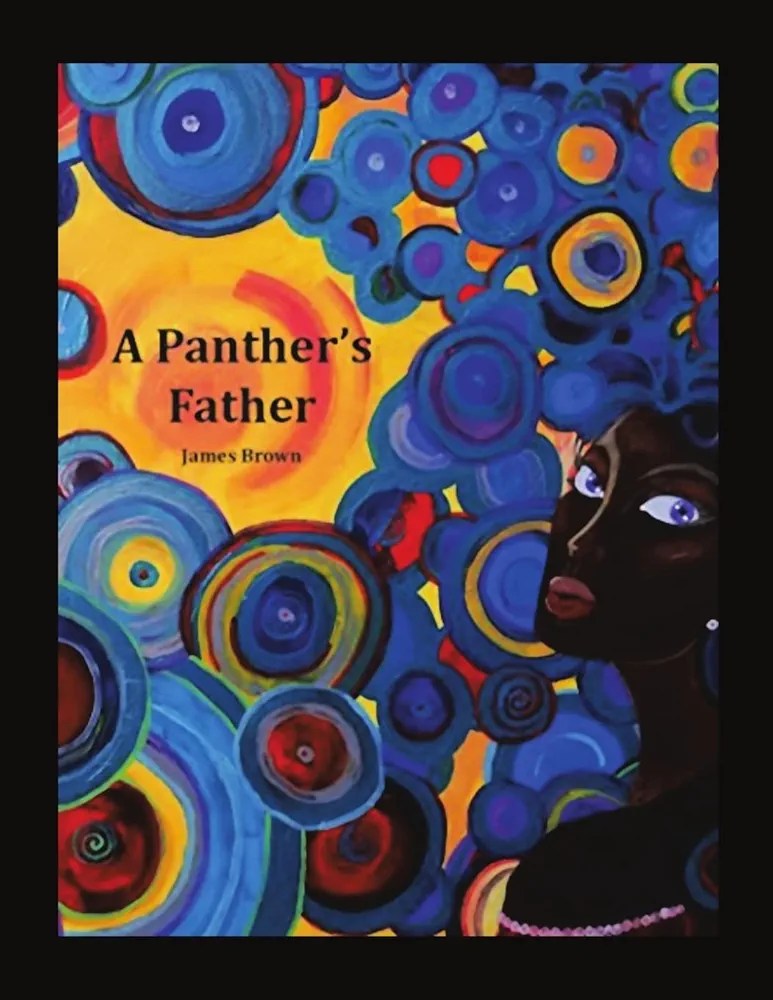



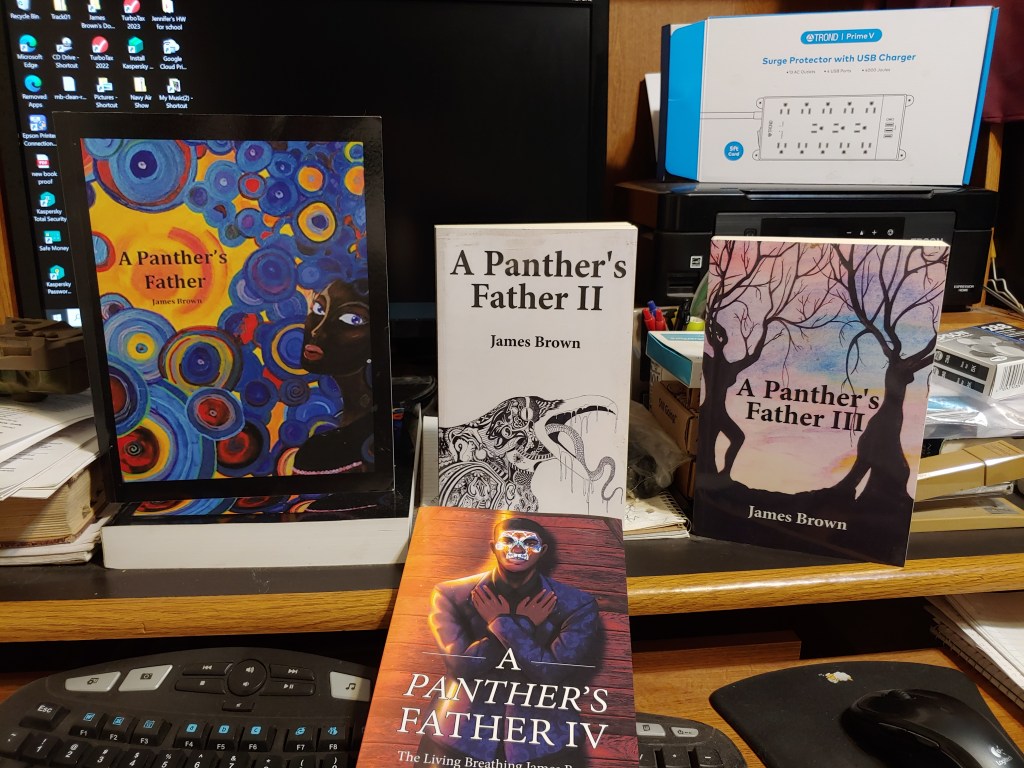
 thelivingbreathingjamesbrown.com
You must be logged in to post a comment.