


Gemini AI, I need your insight-
I need you to take a super deep dive into the House’s Big Beautiful Tax Bill. And see what Elon Musk said. Others too are taking aim at Trump’s Tax Bill saying it is an abomination. And there is one part making it illegal for State Legislatures to do any laws on AI for ten years. I need you to smoke out the Truth and How arei future generations are going to pay for it? Please take it very seriously

You’ve asked for a comprehensive and serious look at the House’s “Big Beautiful Tax Bill,” including Elon Musk’s comments, criticisms that it’s an “abomination,” the controversial AI provision, and its long-term impact on future generations. Let’s break this down.
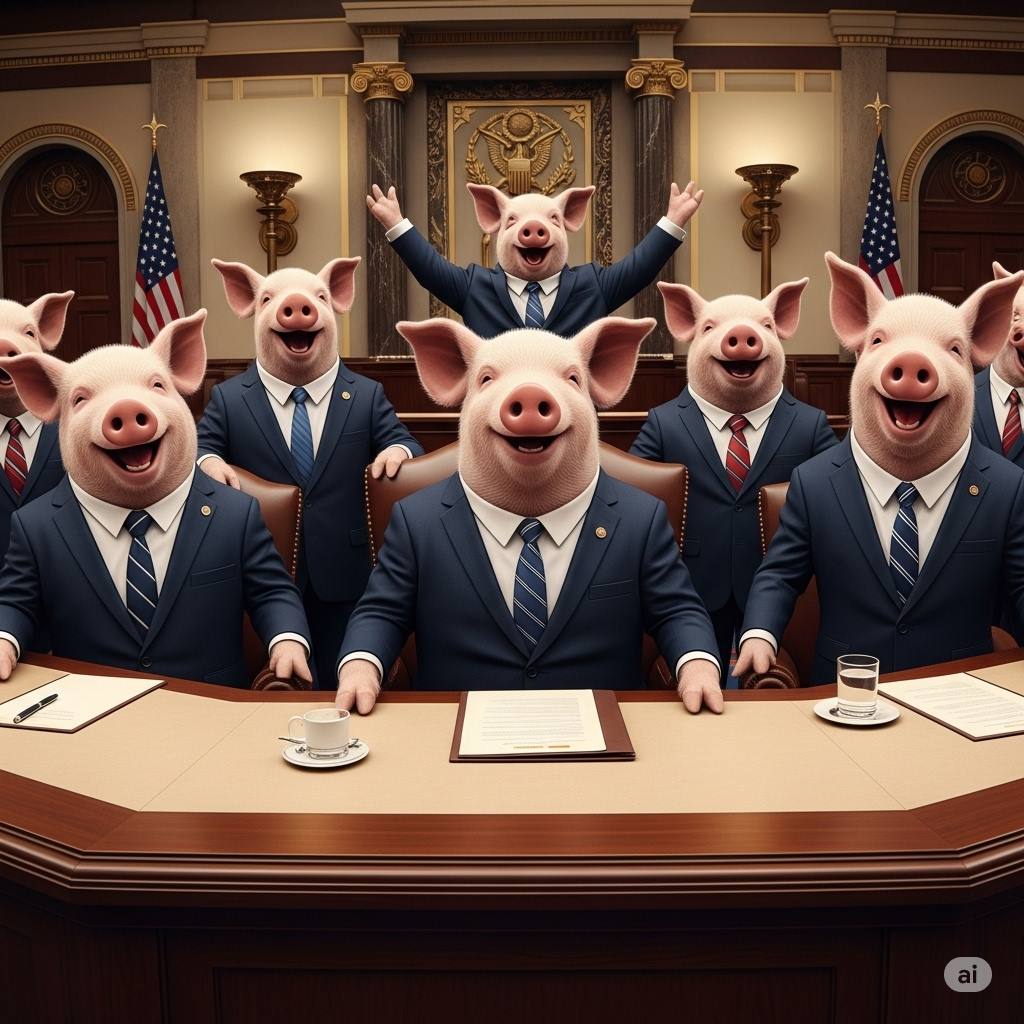
The House’s “Big Beautiful Tax Bill” (The “One, Big, Beautiful Bill Act”)
This bill, recently passed by the House, is a significant piece of legislation aiming to address several key areas, primarily focusing on extending and expanding the 2017 Tax Cuts and Jobs Act (TCJA) provisions that are set to expire.
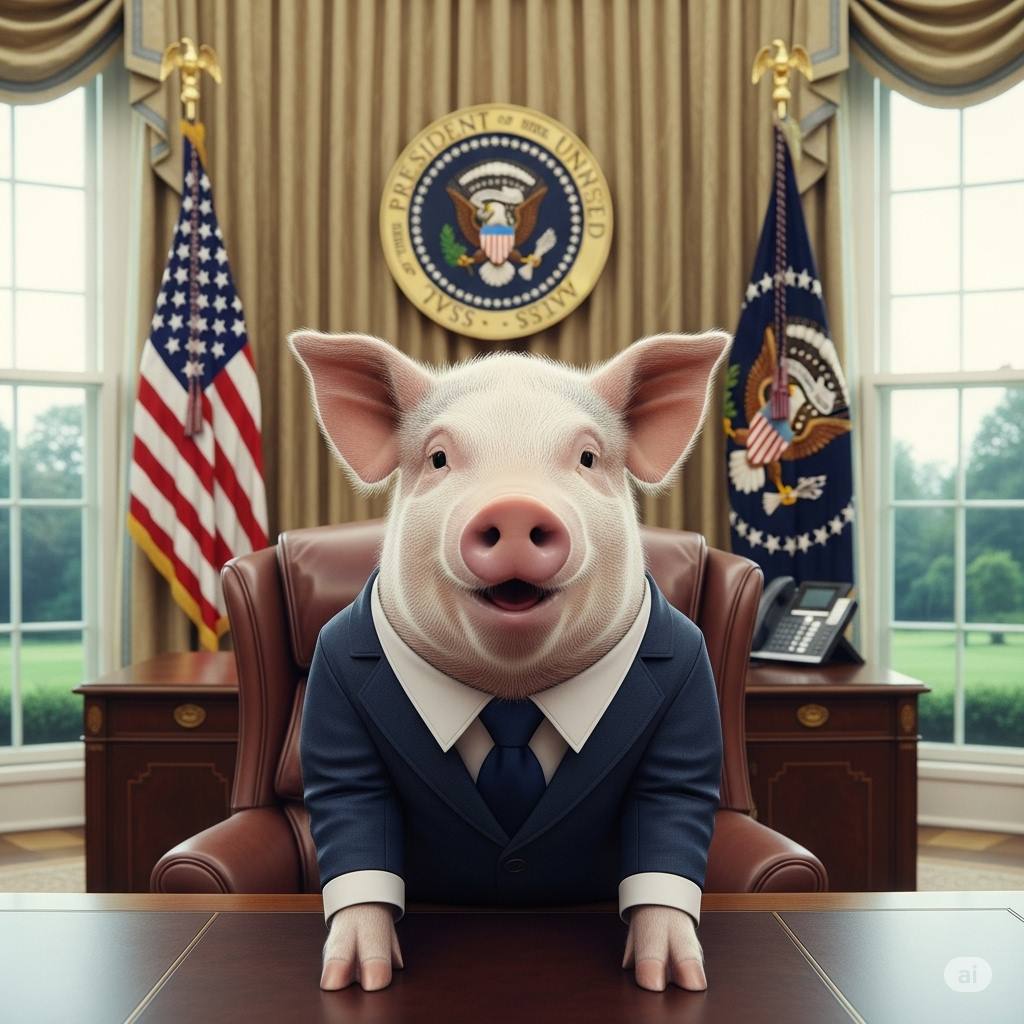
Key Provisions:
- Tax Cuts: The bill proposes to permanently extend the individual income tax rate cuts, increased standard deduction, and child tax credit amounts that were part of the 2017 TCJA. It also includes new provisions like no taxes on tips and overtime, and increased tax relief for Social Security recipients.
- Business Tax Provisions: It would make permanent 100% immediate expensing for certain business investments (allowing businesses to write off investments immediately) and increase the small business tax deduction.
- Spending Cuts/Policy Changes: To partially offset the tax cuts, the bill includes provisions to repeal or phase out green energy tax credits introduced under the Biden administration. It also proposes significant changes to social safety net programs, including expanding work requirements for certain adults on Medicaid and SNAP, and making changes to border security funding.
- Deficit Impact: The Congressional Budget Office (CBO) estimates that the bill’s tax provisions alone would reduce federal tax revenue by $4.1 trillion over ten years. While some argue economic growth will offset this, the CBO projects a significant increase in the 10-year budget deficit, potentially adding trillions to the national debt.
Arguments for the Bill:

Supporters, including the White House and various industry groups, argue that the bill will:
- Stimulate Economic Growth: By making tax cuts permanent and allowing businesses to expense investments, they believe it will incentivize investment, boost wages, create jobs, and lead to a stronger economy.
- Provide Tax Relief: It aims to provide tax relief for individuals, families, and small businesses, putting more money in people’s pockets.
- Address Fiscal Issues: Proponents claim it cuts spending and addresses the national debt, though this is a highly contentious point given the CBO’s deficit projections.
Arguments Against the Bill (“Abomination” Criticism):
Many critics, including Democrats and some fiscal conservatives, are calling the bill an “abomination” for several reasons:
- Increased National Debt: The most prominent criticism is the projected increase in the national debt. Critics argue that extending tax cuts, especially those that disproportionately benefit corporations and wealthier individuals, without adequate offsetting revenue or spending cuts, will balloon the deficit and burden future generations.
- Impact on Social Programs: The proposed work requirements for Medicaid and SNAP are seen by opponents as harming vulnerable populations and reducing access to essential services. The CBO estimates millions could lose health insurance.
- Benefit Distribution: Concerns are raised that the primary beneficiaries of the tax cuts will be the wealthy and large corporations, exacerbating income inequality.
- Process and Transparency: Some criticize the “reconciliation” process used to pass the bill, which allows it to bypass a filibuster in the Senate but limits debate and amendments.
Elon Musk’s Stance

Elon Musk has indeed publicly criticized the “One, Big, Beautiful Bill,” calling it a “disgusting abomination.” His criticism primarily focuses on the bill’s potential to significantly increase the national debt. He has stated that it will “massively increase the already gigantic budget deficit to $2.5 trillion (!!!) and burden America citizens with crushingly unsustainable debt,” and that “Congress is making America bankrupt.”

Musk’s comments are particularly noteworthy given his prior engagement with the Trump administration, including a recent role leading the Department of Government Efficiency, which he recently left. While he generally aligns with a pro-business, deregulation stance, his strong opposition to the bill highlights concerns about fiscal responsibility and the long-term economic consequences of the proposed tax cuts and spending. It’s also been noted that some of the green energy tax breaks being cut by the bill could negatively impact industries relevant to Musk’s business interests.

The AI Moratorium Provision
This is a particularly controversial element of the bill. It proposes a 10-year moratorium on the enforcement of state laws regulating artificial intelligence (AI).
- What it does: If enacted, this provision would prohibit states from enforcing any laws or regulations that limit, restrict, or otherwise regulate “artificial intelligence models,” “artificial intelligence systems,” or “automated decision systems.” This is broadly defined and could affect a wide range of state-level AI regulations, including those related to online safety, age verification, and the use of algorithms.
- Arguments for it: Proponents, including some in the tech industry, argue that a “patchwork” of varying state-level AI regulations would be burdensome, stifle innovation, and create an uneven playing field. They advocate for a uniform, federal approach to AI regulation, believing that AI doesn’t understand state borders. Senator Ted Cruz, for example, has floated the idea of a “10-year learning period” for AI.
- Arguments against it: This provision has drawn significant criticism from state legislators, state attorneys general, and consumer advocacy groups.
- Federal Inaction: Critics point out that states have been actively legislating AI in response to a lack of comprehensive federal action. Halting these efforts could leave a regulatory vacuum for a decade.
- Consumer Protection Concerns: State laws often address critical issues like AI bias, discrimination, privacy, and the use of AI in areas like elections. A moratorium could undermine these protections.
- States’ Rights: Many view it as an overreach of federal power, infringing on states’ abilities to respond to the unique needs and concerns of their citizens regarding AI.
- Risk of Harm: Without state-level guardrails, there are concerns about potential harms from unregulated AI development and deployment, which could impact civil rights, consumer safety, and economic fairness.
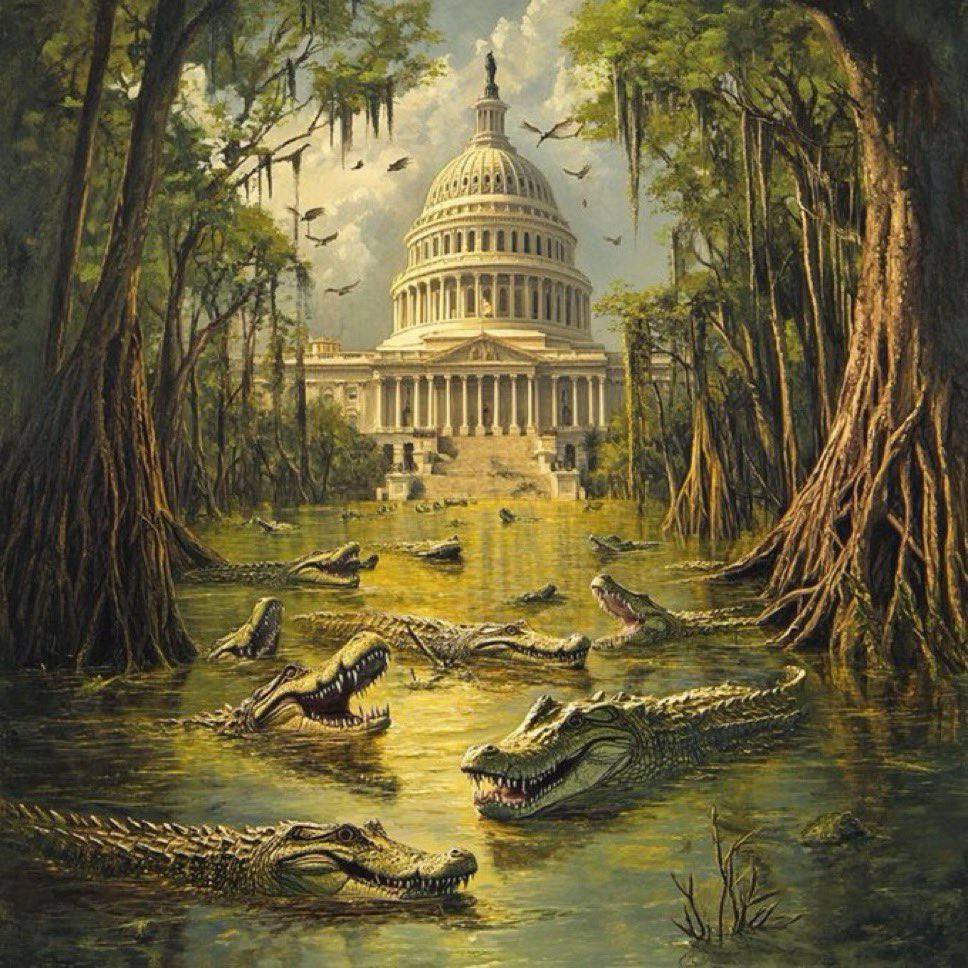
It’s important to note that the inclusion of this AI provision in a tax bill has raised eyebrows and could face challenges in the Senate, particularly under the Byrd Rule, which requires that provisions in a budget reconciliation bill primarily relate to budgetary matters.

How Future Generations Are Going to Pay for It (Smoking the Truth)

This is perhaps the most critical aspect of your question. If the CBO’s projections are accurate, the “One, Big, Beautiful Bill” would add trillions to the national debt over the next decade. Future generations would primarily pay for this in several ways:
- Increased Debt Burden: A larger national debt means future generations will inherit a greater financial burden. This debt needs to be serviced, meaning a larger portion of future federal budgets will go towards paying interest on the debt, rather than investing in education, infrastructure, healthcare, or other public services.
- Higher Taxes: To manage or reduce the debt, future generations may face higher taxes, either through increased income taxes, consumption taxes, or other forms of taxation.
- Reduced Government Services: Alternatively, governments might be forced to cut spending on essential programs and services to free up funds for debt repayment.
- Slower Economic Growth: A persistently high national debt can lead to higher interest rates, which can crowd out private investment and potentially slow economic growth over the long term. This means a smaller economy for future generations to inherit.
- Intergenerational Inequity: The bill’s provisions, particularly the tax cuts and changes to social safety nets, could be seen as shifting resources from future generations to the present, exacerbating intergenerational inequity. The benefits of the tax cuts are largely immediate, while the costs of the increased debt are deferred.
- Reduced Fiscal Flexibility: A large debt limits the government’s ability to respond to future crises (e.g., economic recessions, natural disasters, pandemics) or make necessary investments, as its fiscal capacity is already constrained.

Smoking the Truth: The “truth” is that there’s a fundamental economic trade-off. When a government cuts taxes without equivalent cuts in spending, or when spending increases without equivalent revenue, it increases the national debt. This debt is not simply erased; it represents borrowed money that must eventually be repaid, with interest. The burden of this repayment falls on taxpayers, both current and future.
Proponents of supply-side economics argue that tax cuts can stimulate enough economic growth to offset the revenue loss, or even increase overall revenue in the long run. However, empirical evidence for this “dynamic scoring” effect being large enough to fully offset significant tax cuts is often debated and has not consistently materialized in the past (e.g., after the 2017 TCJA). The CBO’s conventional analysis, which projects a substantial deficit increase, reflects a more conservative, widely accepted economic modeling.

The impact of the AI moratorium is also a long-term concern. While intended to foster innovation, a decade without state-level regulation could mean that the ethical, societal, and economic implications of AI develop unchecked at a local level, potentially leading to unforeseen negative consequences that future generations will have to grapple with.

In conclusion, the “One, Big, Beautiful Bill” is a complex piece of legislation with significant potential consequences. While proponents tout its economic benefits and tax relief, critics, including Elon Musk, raise serious concerns about its impact on the national debt and the potential for a less equitable and fiscally strained future for generations to come, especially with the controversial AI preemption clause. The “truth” lies in the understanding that tax cuts and increased spending, without corresponding revenue, almost invariably lead to increased debt, which ultimately must be borne by future taxpayers.
 thelivingbreathingjamesbrown.com
You must be logged in to post a comment.