
National Survival – Racial Imperative 1970.pdf (PDFy mirror) : Free Download, Borrow, and Streaming : Internet Archive
https://archive.org/details/pdfy-h7zSh86fNBKrtRJU
Below is every page-
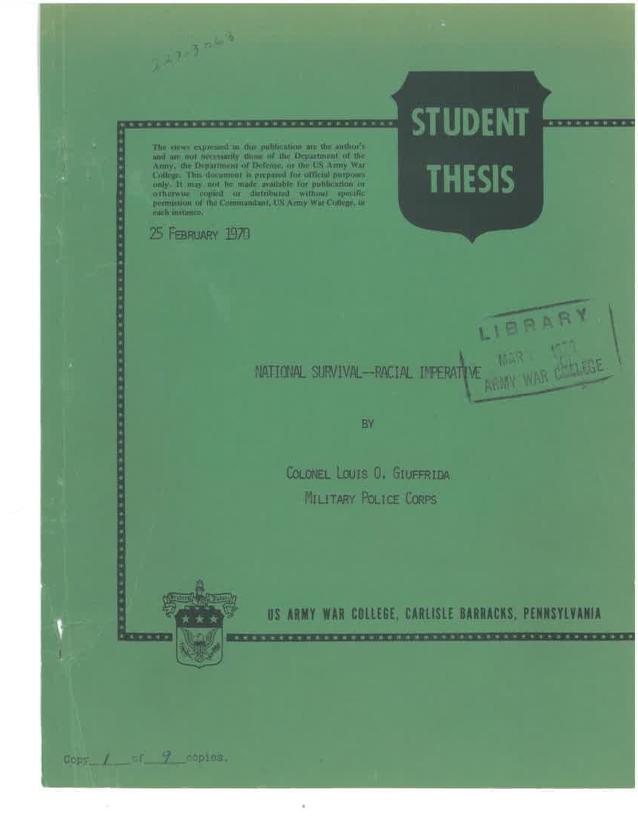

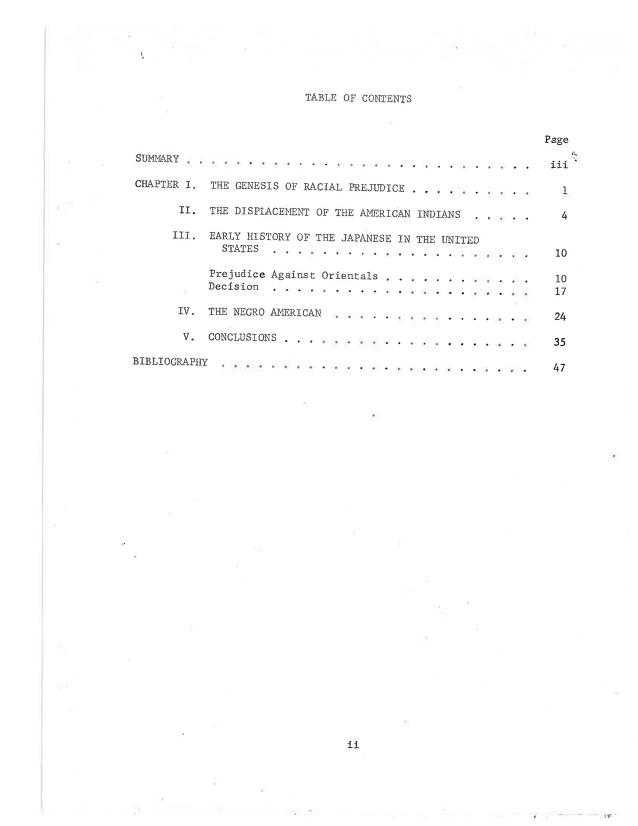
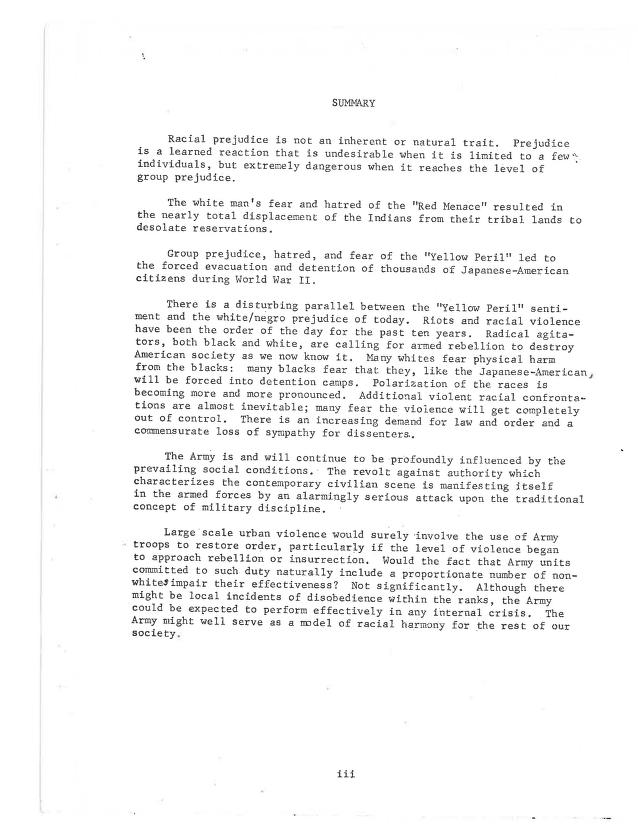
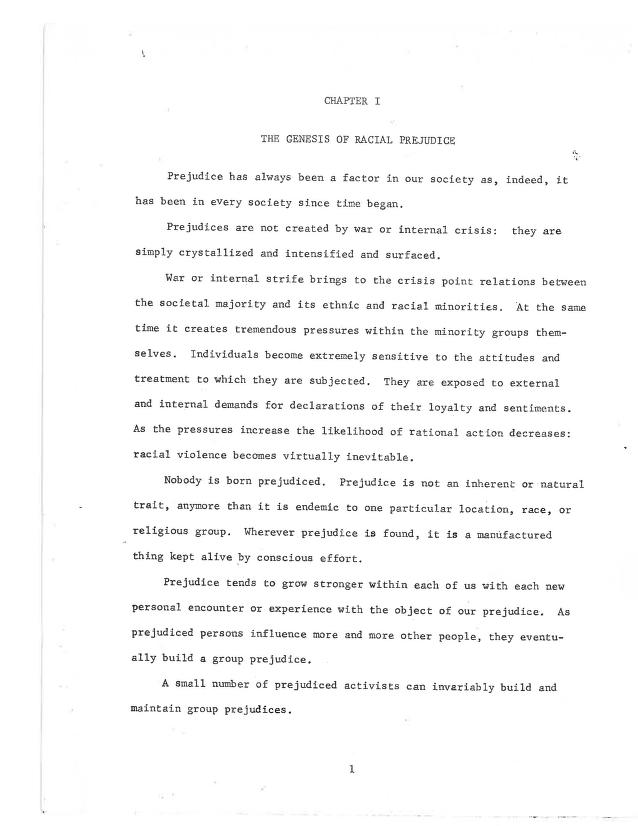
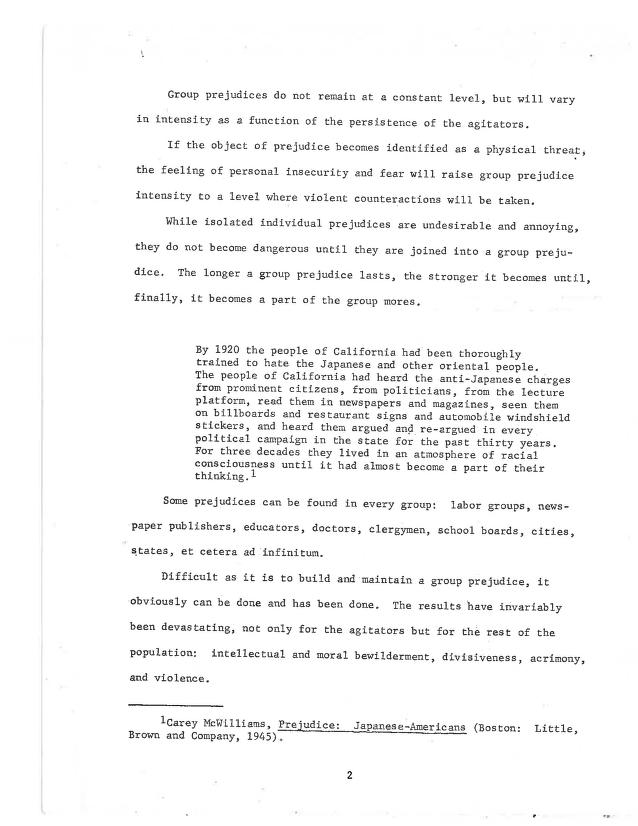


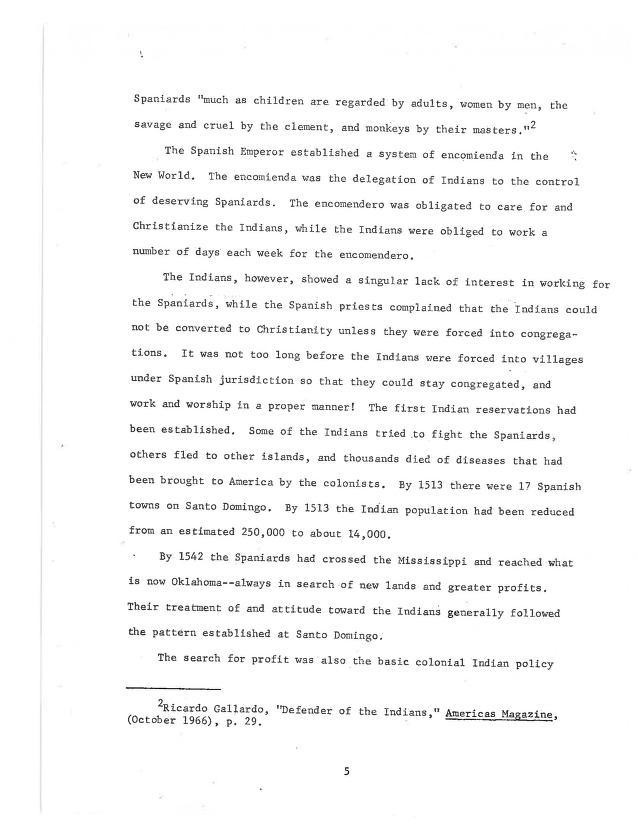
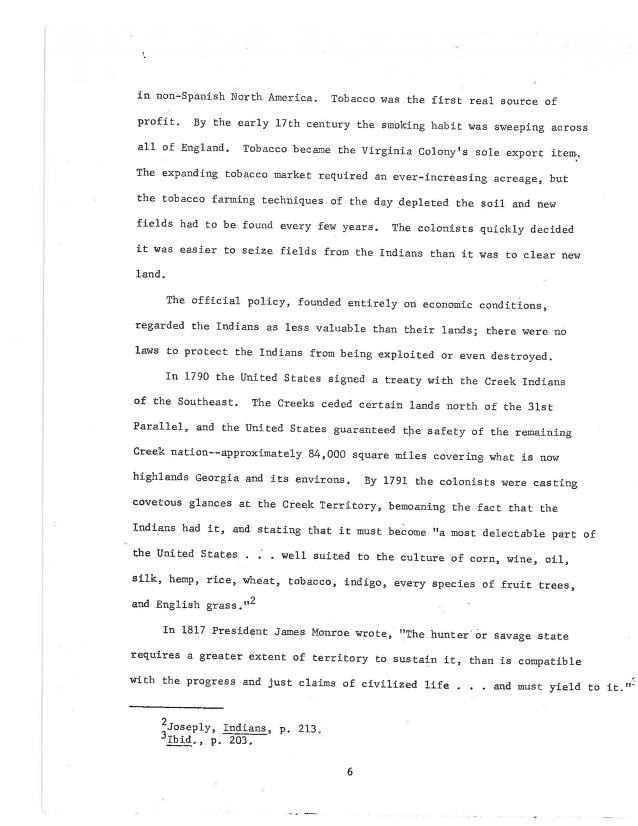
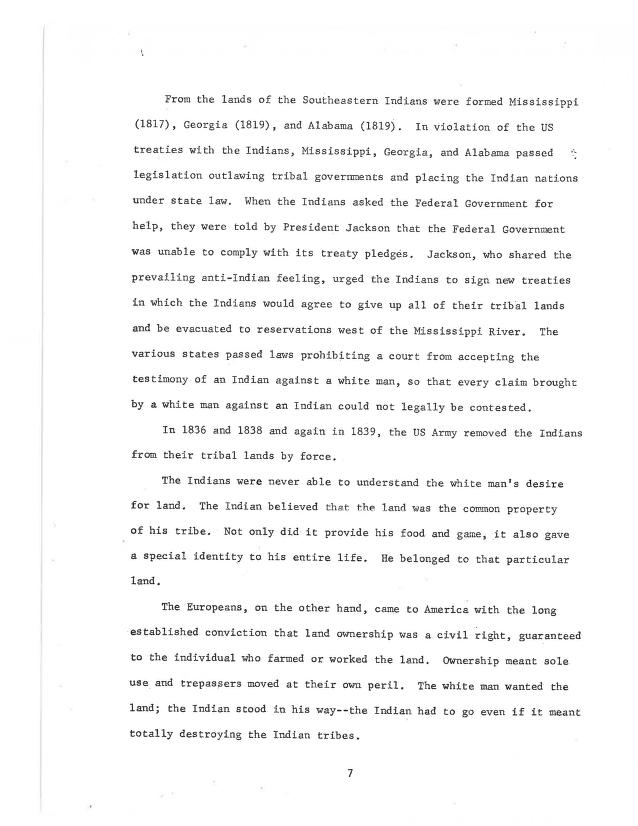


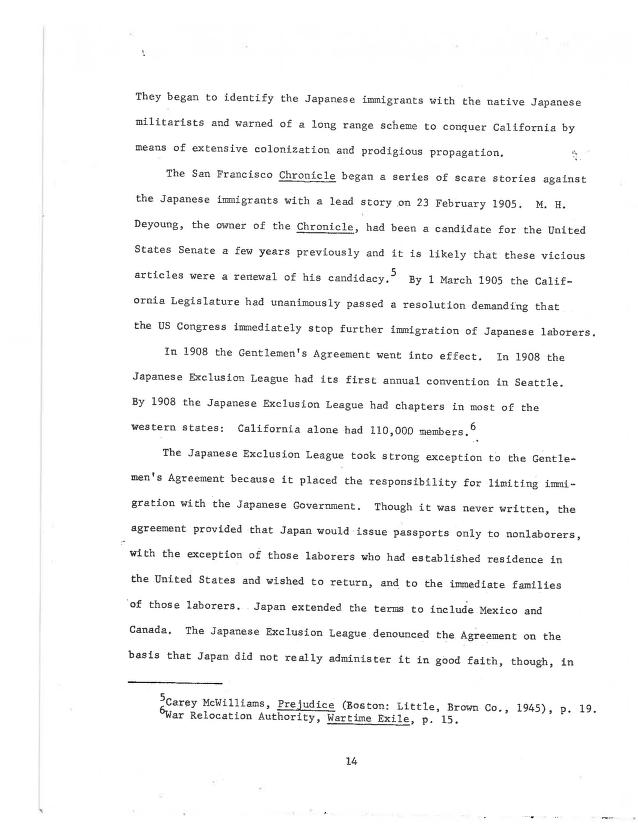
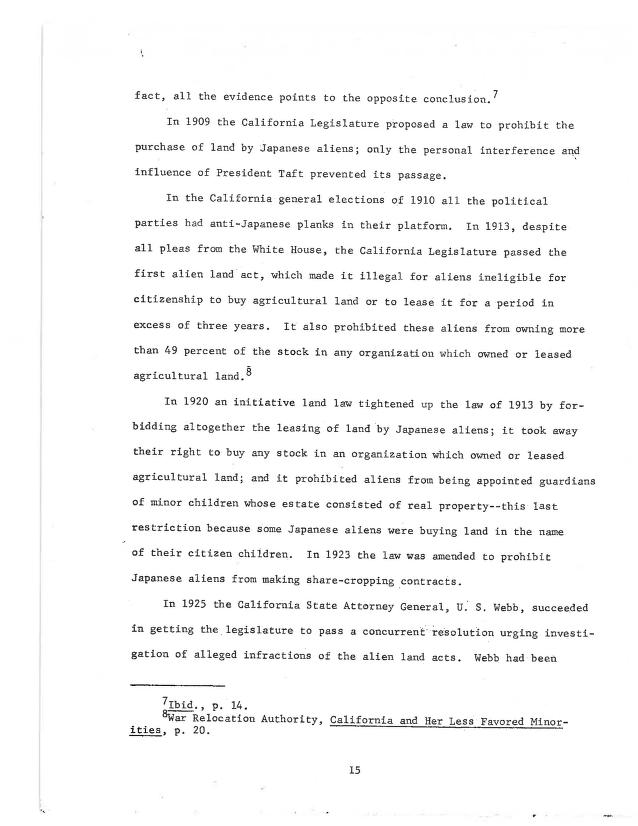
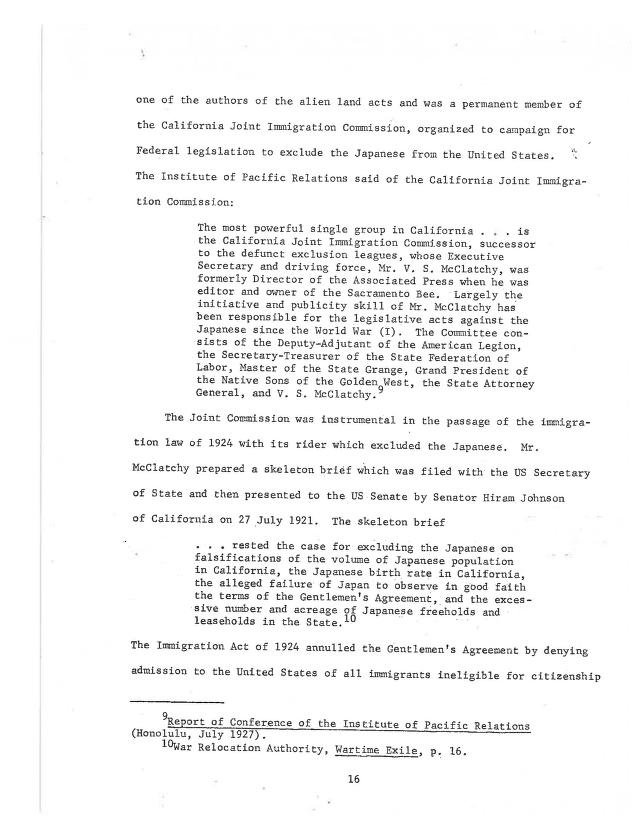
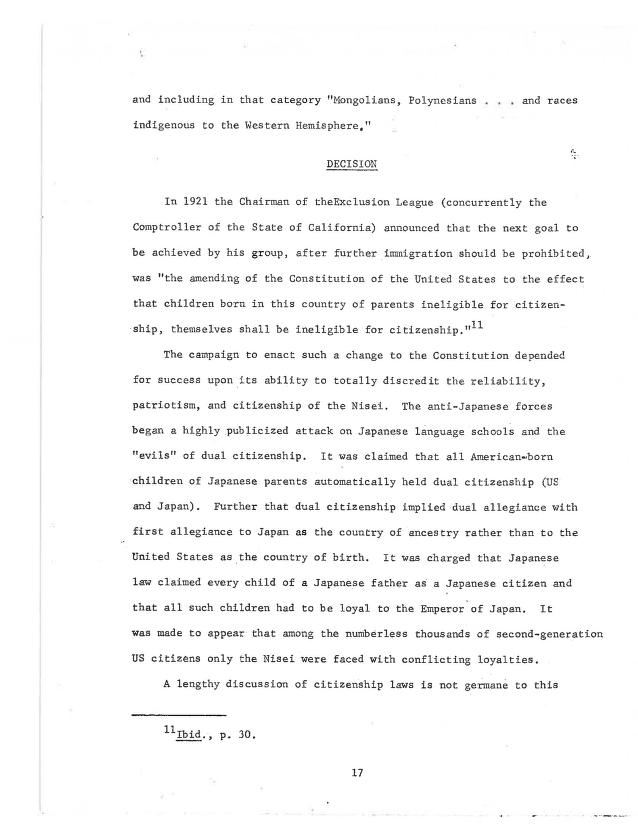
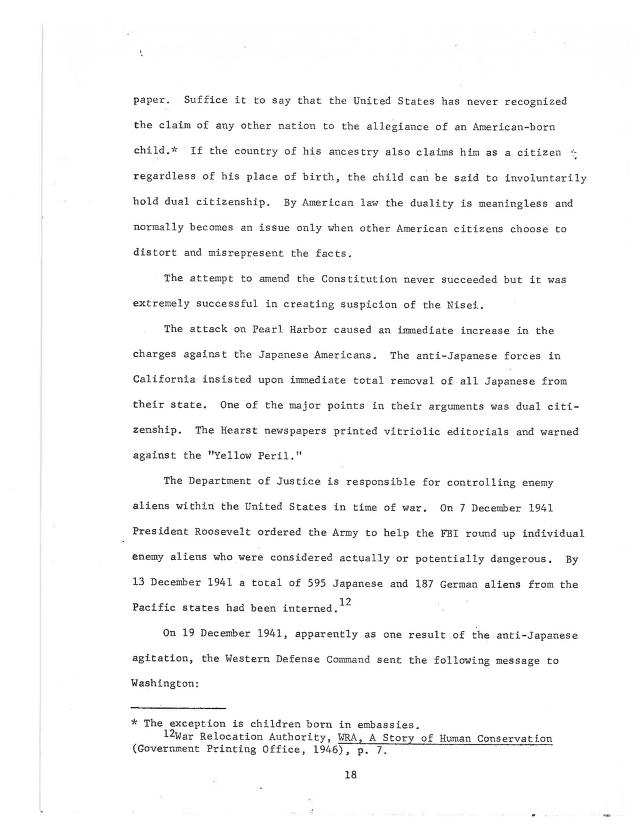
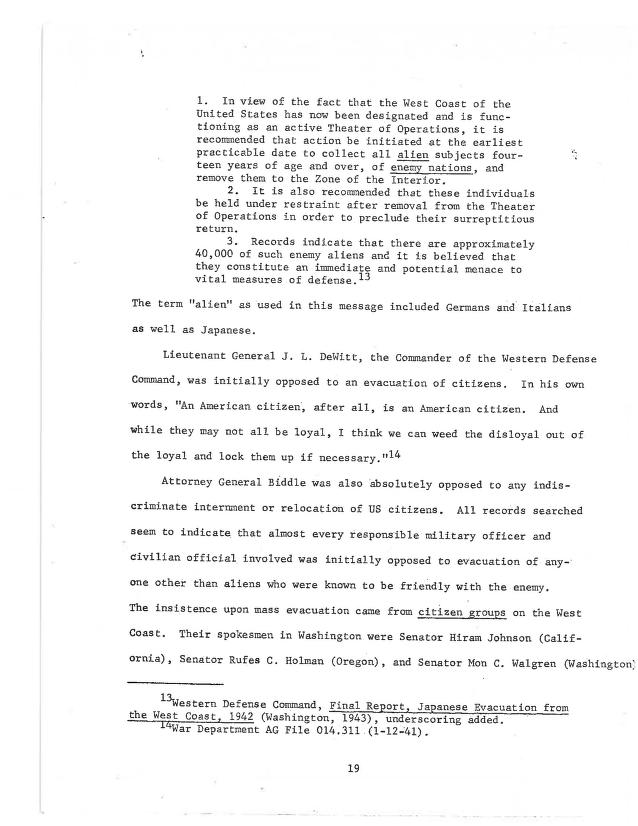

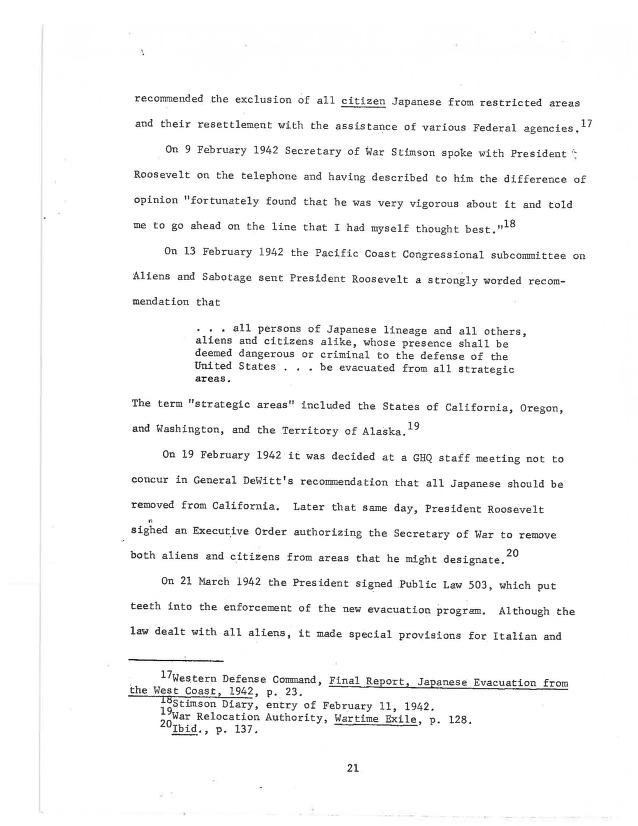
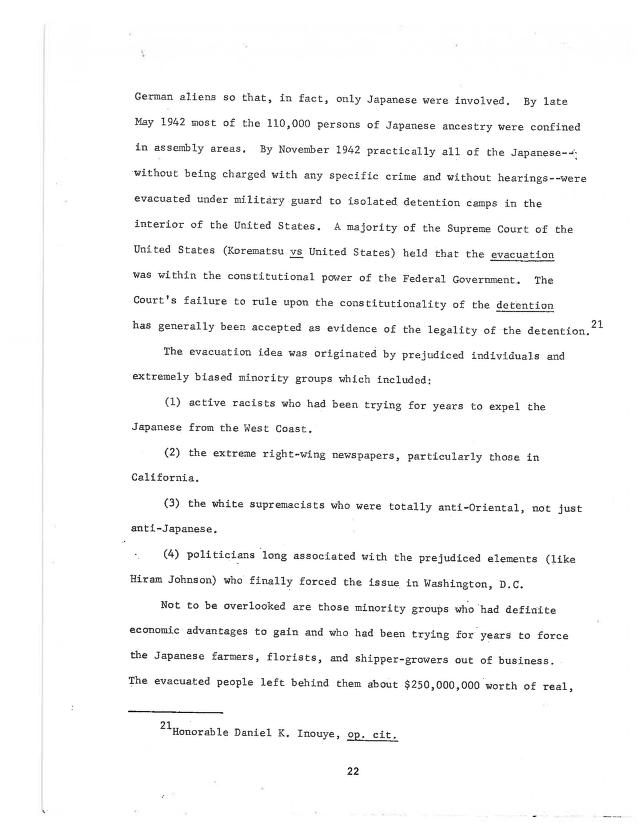
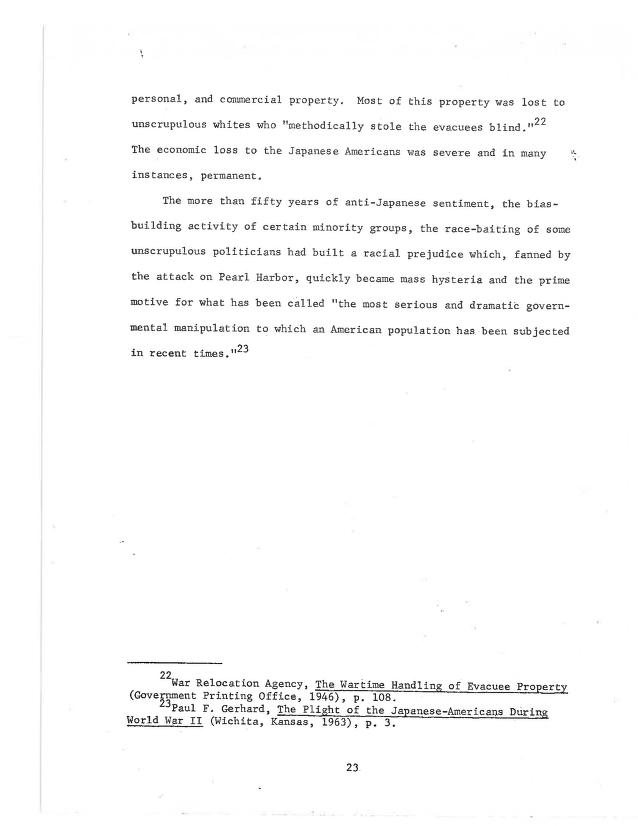
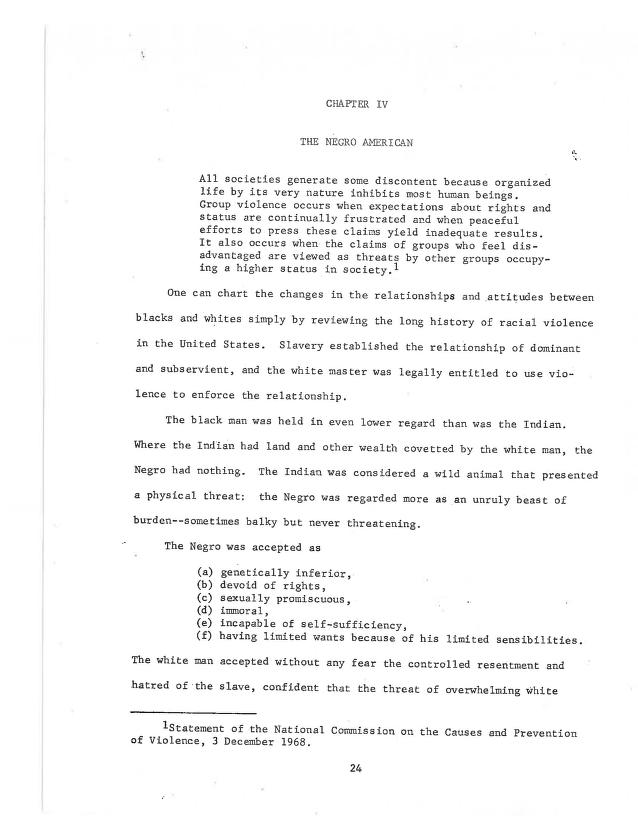

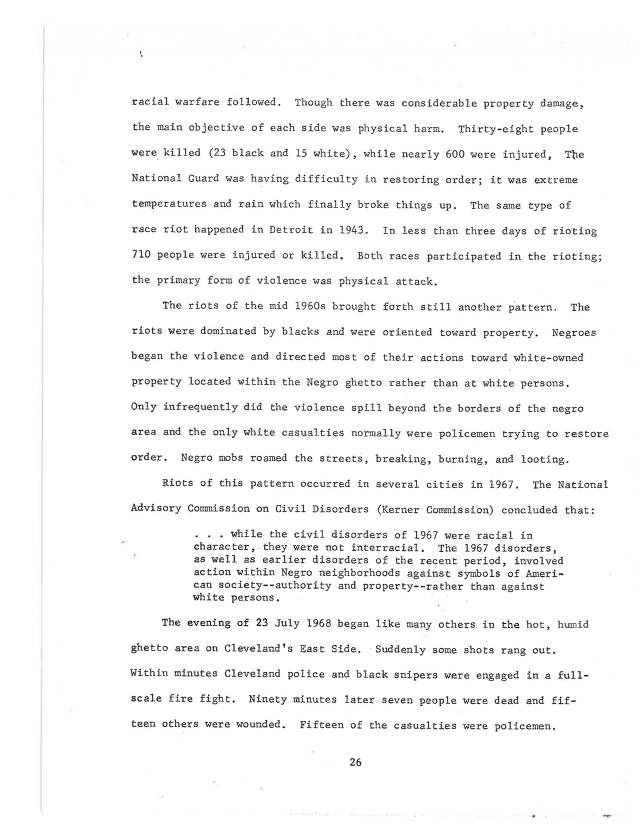
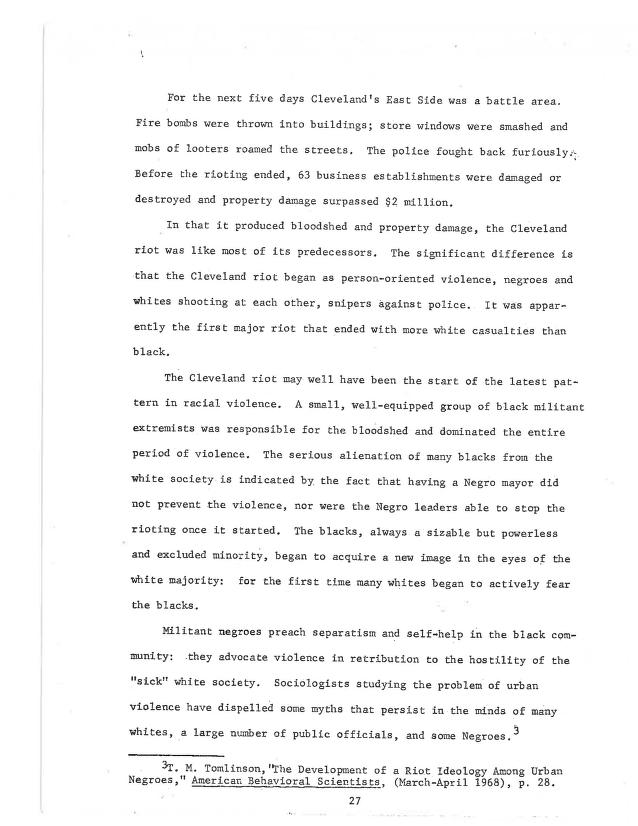
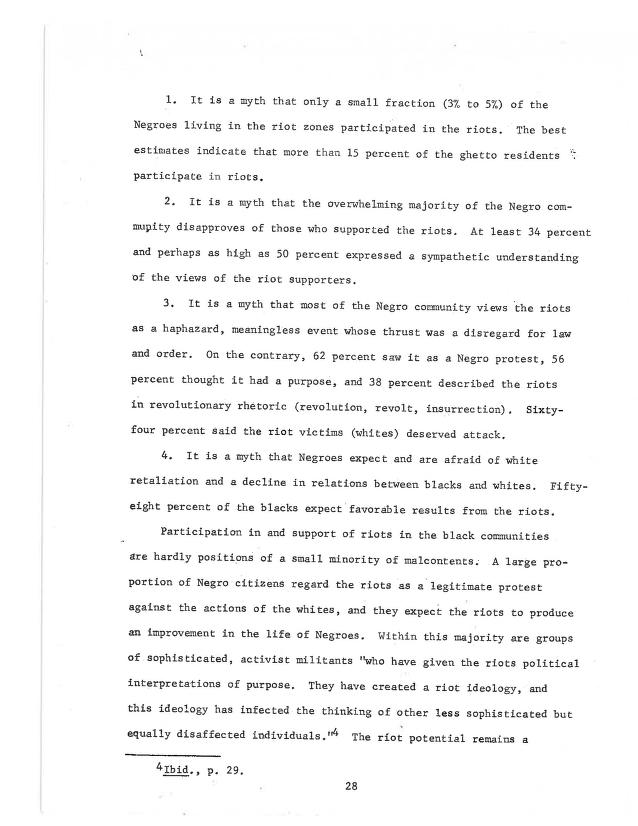
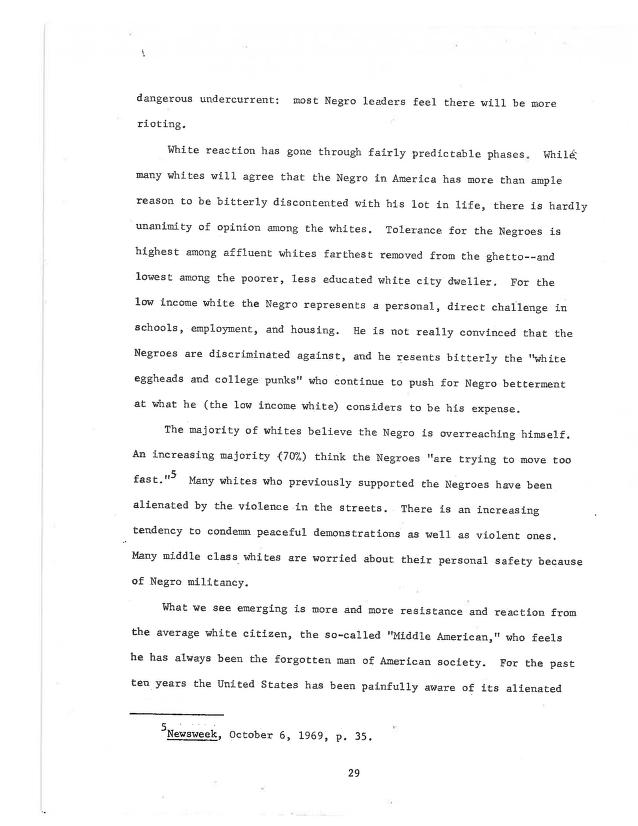
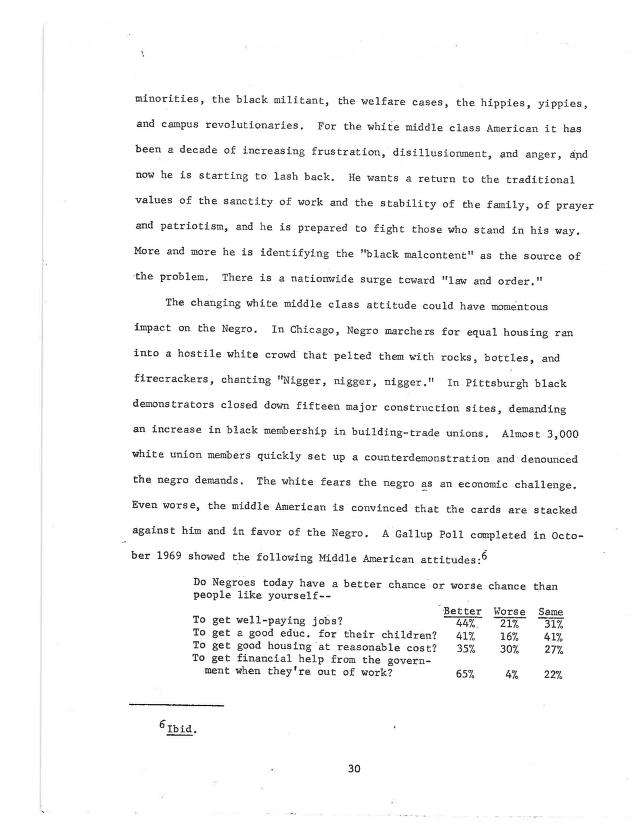
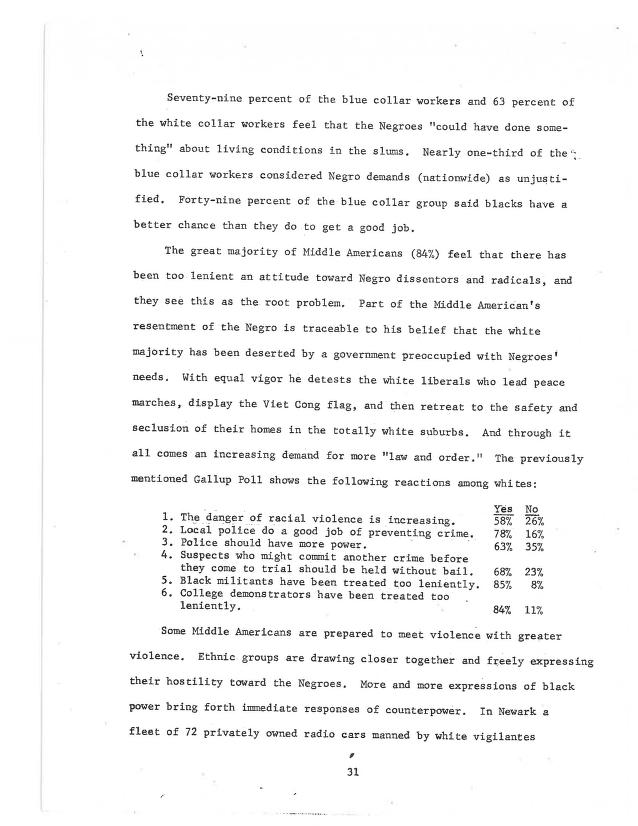
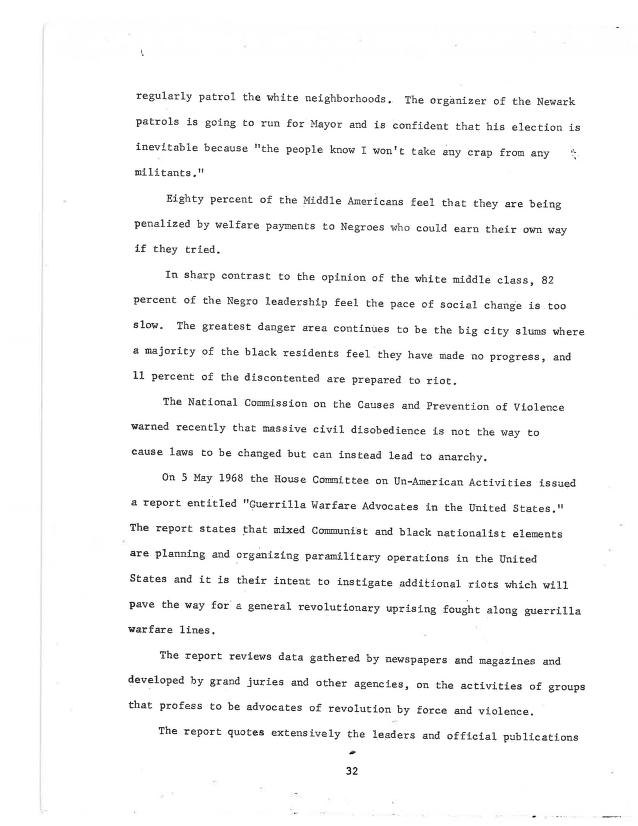
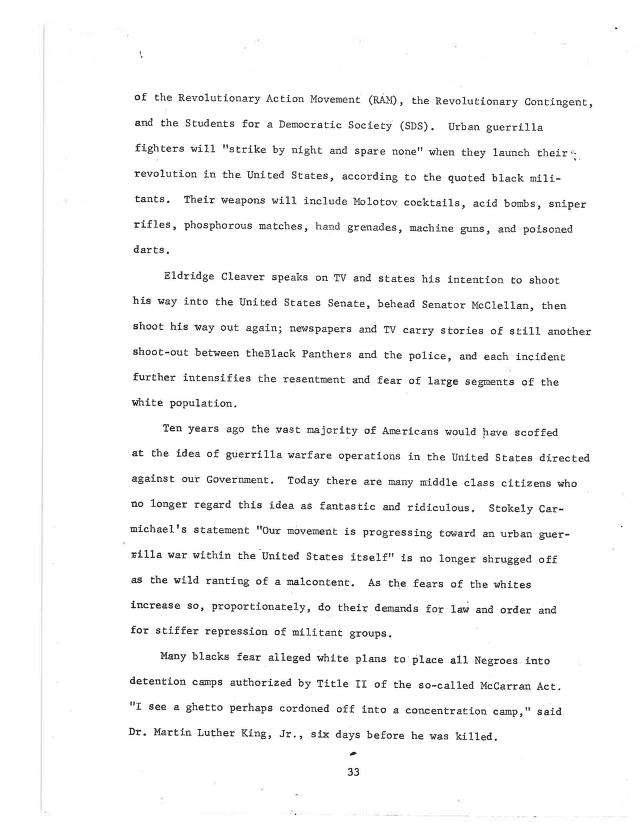

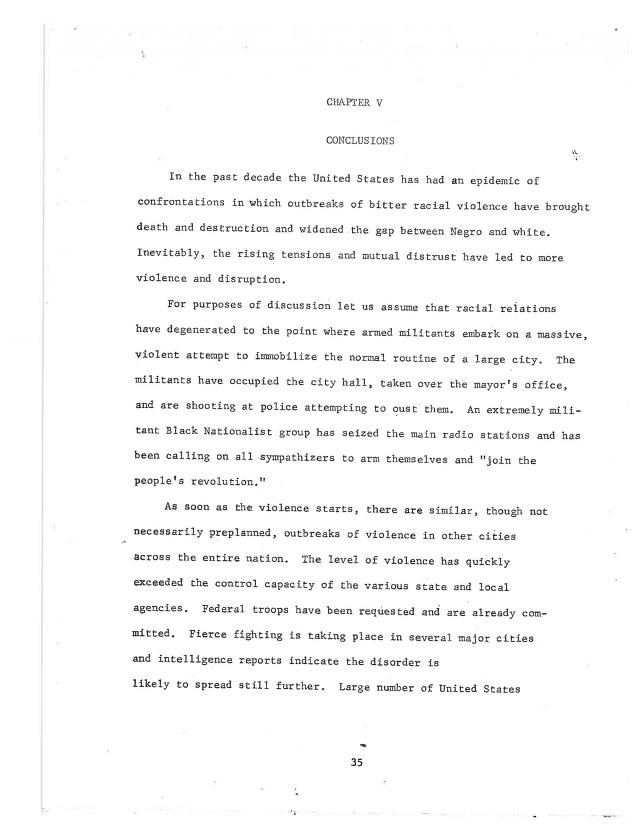
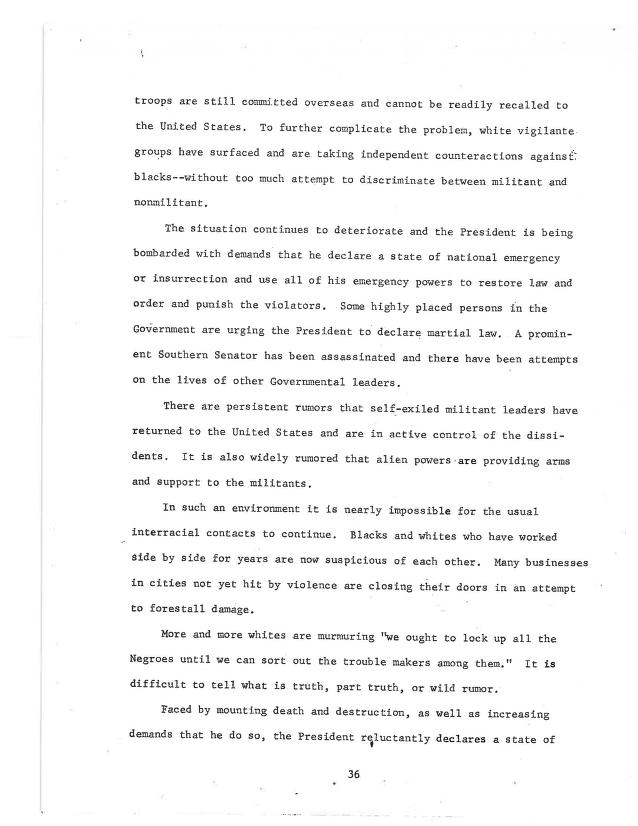
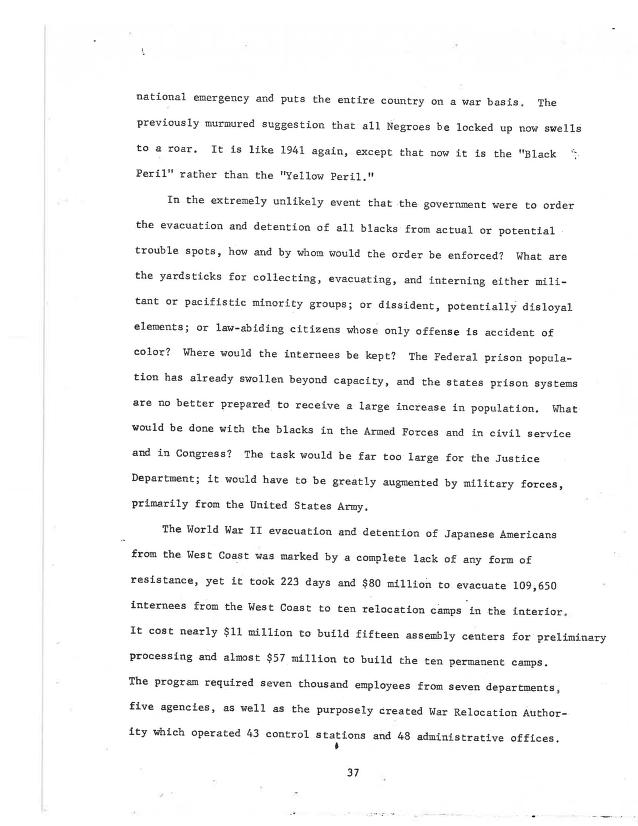
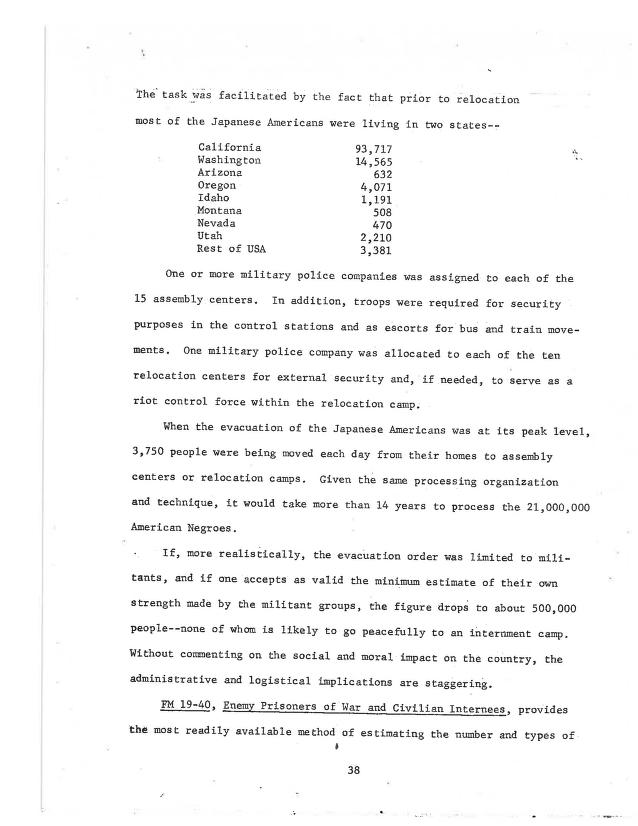
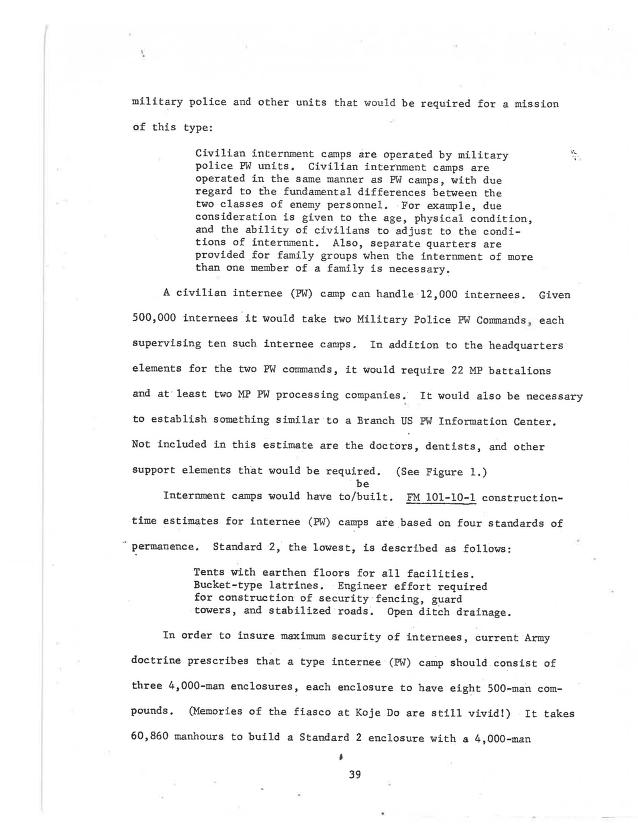
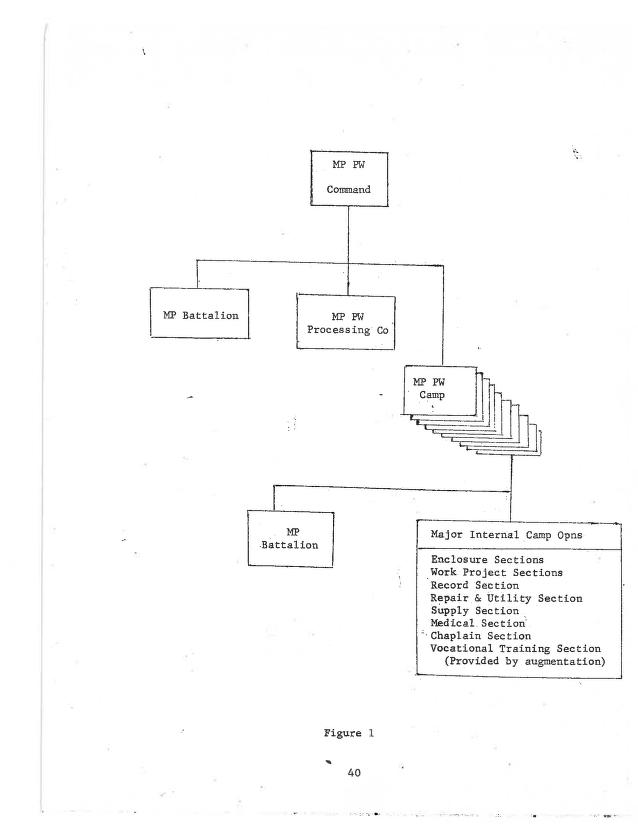

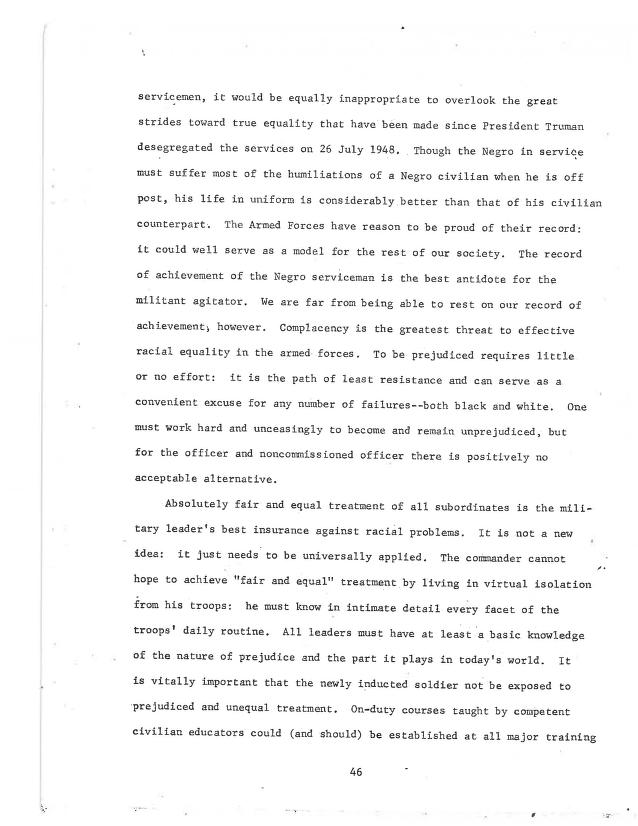
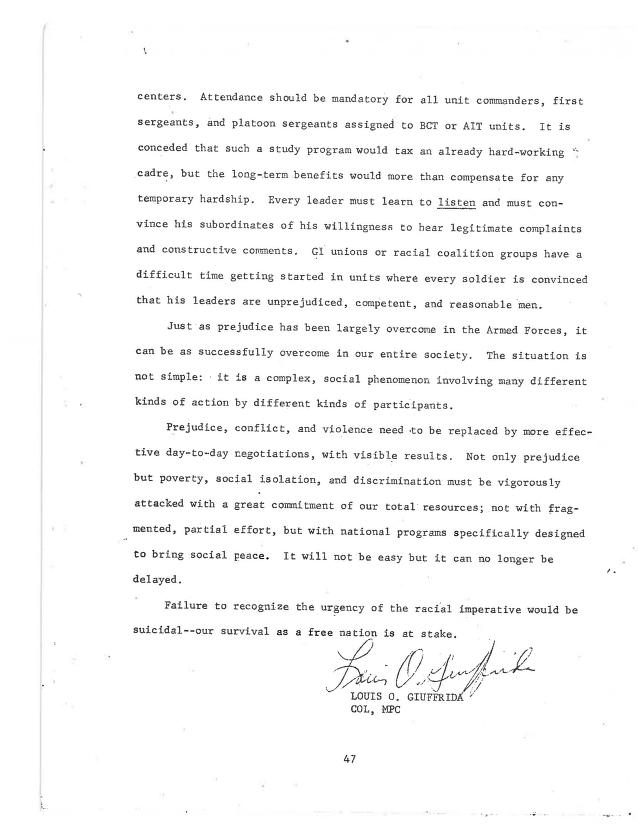

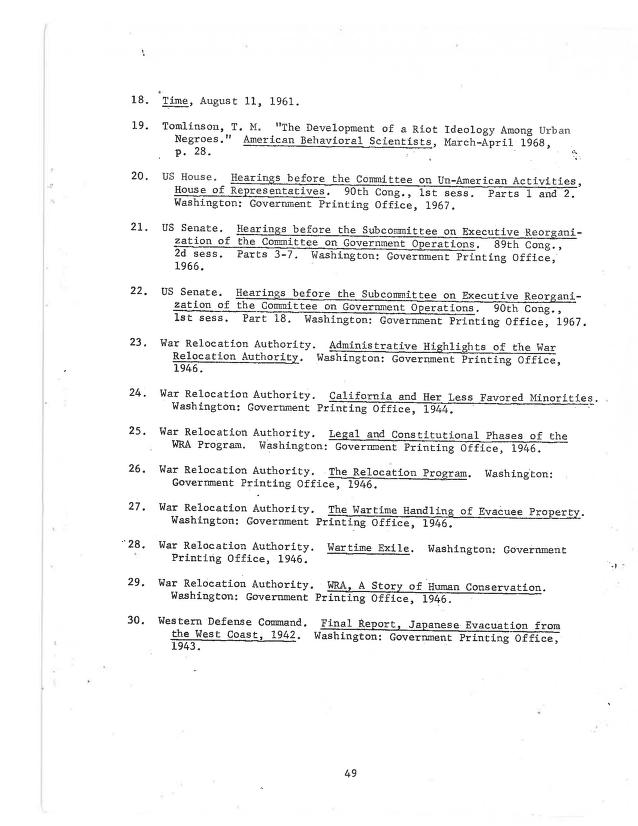

Colonel Louis O. Guiffrida and the ‘National Imperative’
Introduction
Colonel Louis O. Guiffrida, a figure whose career spanned significant roles in both military intelligence and civil defense, remains a subject of considerable interest, particularly in discussions surrounding government preparedness and potential emergency powers. His public profile was significantly shaped by his tenure as Director of the Federal Emergency Management Agency (FEMA) during the Reagan administration and, perhaps more notably, by his involvement in controversial contingency plans, often encapsulated by the phrase “National Imperative.” This paper will explore Guiffrida’s background, delve into the nature and context of the “National Imperative” concept and its associated plans, analyze their implications and the controversies they generated, and assess Guiffrida’s enduring legacy in the realm of national security and civil liberties.
Colonel Louis O. Guiffrida: A Background
Louis O. Guiffrida’s career was marked by a deep commitment to national security and emergency preparedness. A veteran of the United States Army, he served in military intelligence and was involved in various capacities related to civil defense planning during the Cold War. His experience in the military provided him with a unique perspective on the vulnerabilities of American society during times of crisis, shaping his views on the necessity of robust government contingency plans.
Before his appointment to FEMA, Guiffrida was well-known for his role as an associate of Edwin Meese III, a close confidante of Ronald Reagan and later Attorney General. This association was crucial to Guiffrida’s rise to prominence, as Meese shared a similar belief in the importance of strong governmental preparedness and a more assertive approach to national security. Guiffrida’s work prior to FEMA often focused on scenarios of internal unrest, natural disasters, and the potential need for federal intervention to maintain order and continuity of government. His operational experience and ideological alignment with key figures in the Reagan administration set the stage for his impactful, albeit contentious, directorship of FEMA.
The ‘National Imperative’ and Contingency Planning
The term “National Imperative” is most often associated with a series of highly sensitive and largely unpublicized contingency plans developed during the Cold War era. While not a single, explicit document titled “National Imperative” that was publicly released by Guiffrida, the phrase came to broadly represent a philosophy of extensive government readiness for catastrophic events, encompassing scenarios ranging from nuclear attack to widespread civil disorder. The core of these plans revolved around ensuring the continuity of government and imposing a state of emergency, if deemed necessary, to preserve national order.
Key elements of these contingency plans, often debated and scrutinized, included:
- Continuity of Government (COG): Plans for the seamless operation of federal and state governments in the event of a national catastrophe, including provisions for relocating leadership and essential functions.
- Emergency Powers: The potential for the President to invoke extraordinary powers during a national emergency, including the suspension of certain civil liberties, the imposition of martial law, and the control of resources and infrastructure.
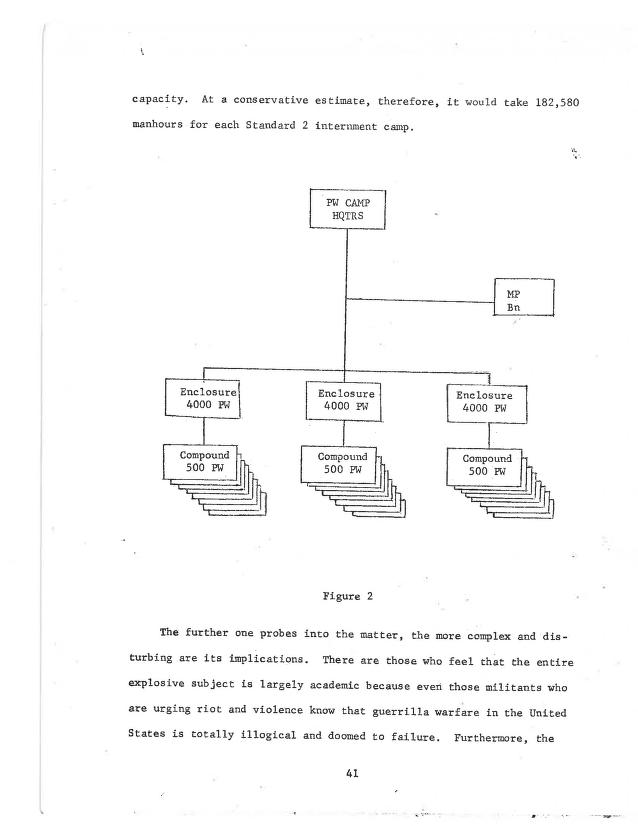
- Civil Disturbance Control: Strategies for managing and suppressing widespread civil unrest or dissent, which could involve the use of military assets and the establishment of detention facilities.
- Resource Allocation and Management: Protocols for rationing essential goods, directing labor, and commandeering private property in a declared emergency.
These plans were rooted in the anxieties of the Cold War, particularly the threat of nuclear war, but they also considered non-military emergencies. Guiffrida, deeply involved in the formulation and implementation of these ideas, viewed them as essential safeguards for national survival. He believed that the government had a “national imperative” to be prepared for the worst-case scenarios, even if such preparedness entailed controversial measures.
Controversy and Criticisms
Guiffrida’s directorship of FEMA and his association with the “National Imperative” concept ignited significant controversy. Critics, including civil liberties advocates, journalists, and some members of Congress, raised alarms about the scope and secrecy of these contingency plans. The primary concerns revolved around:
- Secrecy and Lack of Oversight: The plans were largely developed in secret, with minimal congressional oversight or public disclosure. This lack of transparency fueled suspicions about the government’s intentions and the potential for abuse of power.
- Erosion of Civil Liberties: Opponents argued that the broad emergency powers envisioned in the plans, such as the suspension of habeas corpus or the use of military force against civilians, posed a direct threat to constitutional rights and democratic principles.
- “Rex 84” and “Cable Splicer”: While not explicitly confirmed by Guiffrida, news reports and investigations revealed elements of exercises like “Rex 84” and “Cable Splicer” which simulated scenarios involving mass detentions of American citizens in the event of civil unrest. These exercises, whether real or exaggerated in public perception, became symbolic of the fears surrounding Guiffrida’s preparedness philosophy.
- Politicization of FEMA: Critics also accused Guiffrida of politicizing FEMA, using it to advance a particular ideological agenda rather than focusing solely on disaster relief.
Guiffrida consistently defended the necessity of these plans, arguing that they were responsible measures to protect the nation in extreme circumstances. He maintained that the concerns about civil liberties were overstated and that the government would only invoke such powers as a last resort in a genuine existential crisis. However, the controversies highlighted a fundamental tension between national security imperatives and the protection of individual freedoms, a debate that continues to resonate today.
Legacy and Analysis
Louis O. Guiffrida’s legacy is complex and multifaceted. On one hand, he is remembered as a staunch advocate for national preparedness, someone who recognized the critical need for government to anticipate and plan for catastrophic events. His tenure at FEMA undeniably brought a heightened focus on civil defense and disaster management.
On the other hand, he remains a controversial figure, largely due to the concerns surrounding the “National Imperative” and its implications for civil liberties. The debates sparked during his time at FEMA continue to inform discussions about:
- The Balance of Power: The ongoing tension between executive power in emergencies and legislative oversight.
- Civil Liberties in Crisis: How to safeguard fundamental rights during times of national emergency.
- Government Transparency: The extent to which contingency plans should be public knowledge.
- The Role of the Military in Domestic Affairs: The appropriate boundaries for military involvement in internal security.
The concept of a “National Imperative” — the idea that the government has an overriding duty to ensure the survival and stability of the nation, even if it requires extraordinary measures — has not disappeared. While specific plans may have evolved and become less public, the underlying principles of continuity of government and emergency preparedness remain central to national security policy. Guiffrida’s contribution was to bring these often-abstract concepts into the public consciousness, albeit through the lens of intense controversy. His work served as a stark reminder of the potential for broad government powers to be invoked in times of perceived crisis and the imperative for public vigilance regarding such authorities.
Conclusion
Colonel Louis O. Guiffrida was a pivotal figure in the history of American emergency preparedness. His deep conviction in the “National Imperative” — the belief that the government must be comprehensively prepared for even the most dire national crises — shaped his approach to civil defense and his leadership of FEMA. While his efforts aimed to safeguard the nation, they also ignited significant public debate regarding the balance between national security and civil liberties. The controversies surrounding his contingency plans, particularly those perceived as encroaching on individual freedoms, underscore a perennial challenge in democratic governance: how to reconcile the need for state preparedness with the protection of fundamental rights. Guiffrida’s legacy is a testament to the enduring importance of this debate, serving as a critical touchstone for ongoing discussions about executive power, emergency response, and the delicate equilibrium between order and liberty in a free society.
Now, what if a Chapter V existed?
Chapter V: Perceptions of Hierarchy in Immigration Policy: A Comparative Analysis of the Trump Administration’s Approach to Hispanic Immigrants
Introduction
The discourse surrounding immigration policy, particularly in the United States, frequently intersects with underlying perceptions of race, national origin, and societal hierarchy. This chapter posits that certain elements of the Trump administration’s rhetoric and policies concerning Hispanic immigrants echoed historical precedents where non-White immigrant groups were implicitly or explicitly positioned as inferior to the dominant White populace. By examining parallels with past treatment of Asian immigrant communities, including those of Indian and Japanese descent, this analysis aims to illuminate how contemporary immigration frameworks can inadvertently—or intentionally—reinforce perceptions of racial stratification within the national fabric.
Historical Precedents: The “Less Than” Trope in American Immigration
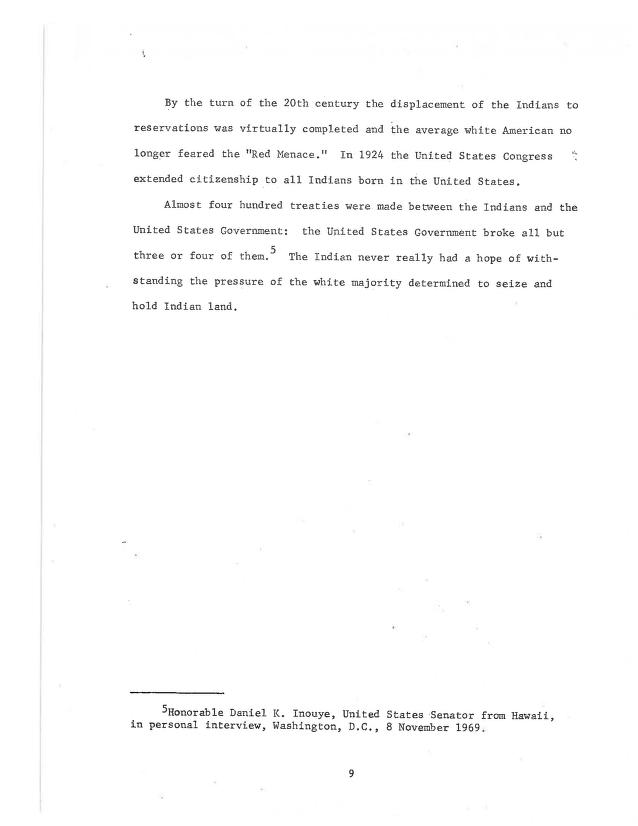
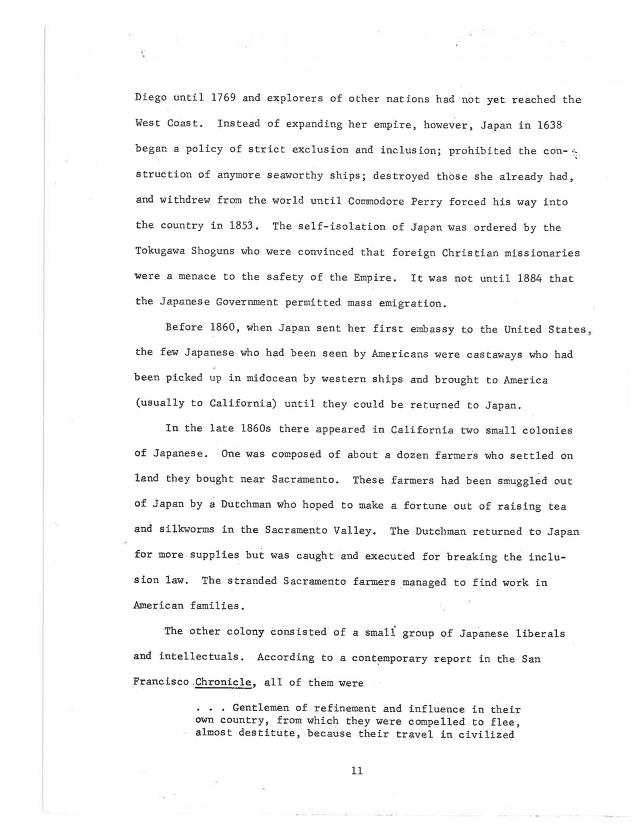
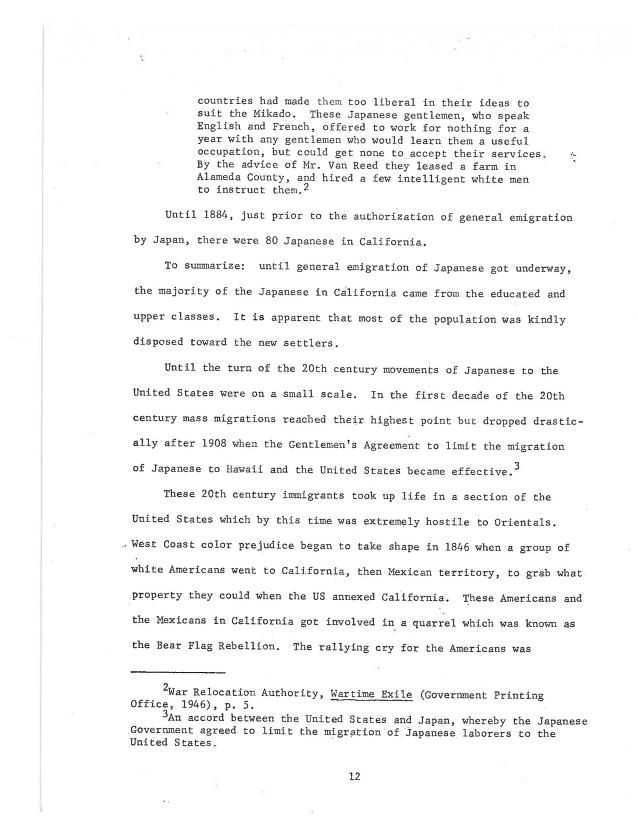
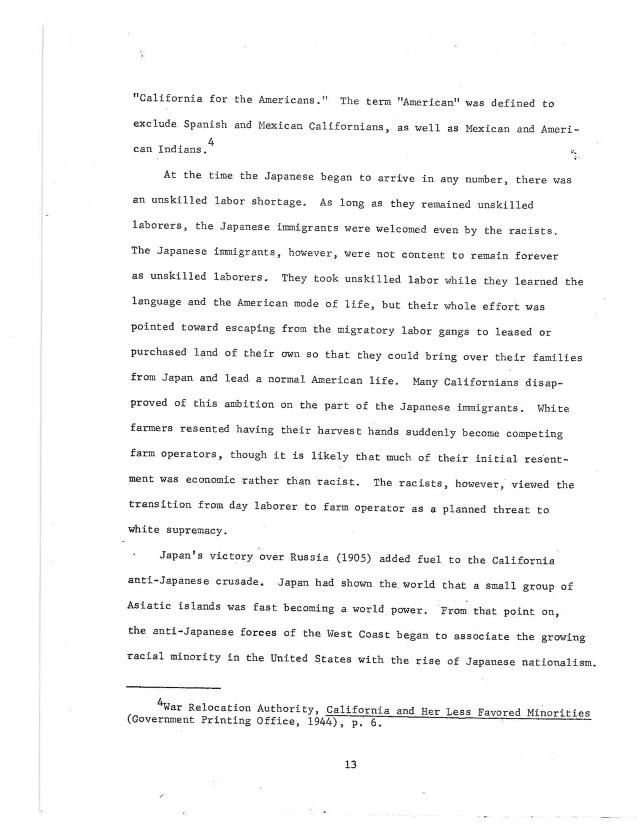
American immigration history is replete with examples of policies and societal attitudes that devalued specific immigrant groups based on their perceived racial or ethnic difference from the Anglo-Saxon norm. The Chinese Exclusion Act of 1882, the Immigration Act of 1924 (which established national origin quotas heavily favoring Northern and Western Europeans), and the internment of Japanese Americans during World War II serve as stark reminders of periods when certain populations were deemed less assimilable, less trustworthy, or fundamentally “less than” White Americans.
For Indian immigrants, early 20th-century policies like the Barred Zone Act of 1917 and discriminatory judicial rulings, such as United States v. Bhagat Singh Thind (1923), legally stripped individuals of their “White” status, effectively denying them avenues to citizenship and land ownership. These actions were rooted in pseudo-scientific racial theories that categorized South Asians as distinct and subordinate. Similarly, Japanese immigrants, despite their economic contributions and efforts at assimilation, faced intense nativist backlash, culminating in the Immigration Act of 1924 which effectively ended Japanese immigration, and later, the mass incarceration during wartime, justified by unfounded claims of disloyalty based on their ethnicity. These historical instances demonstrate a pattern of racialization where non-White immigrants were subjected to differential treatment, often predicated on the notion that their race inherently made them less deserving of rights, opportunities, or belonging compared to White citizens.
The Trump Administration and the Racialization of Hispanic Immigration
The Trump administration’s approach to Hispanic immigrants, particularly those from Mexico and Central America, has been interpreted by critics as reflecting a similar hierarchical framing. Rhetoric employed by the administration often characterized these populations in dehumanizing terms, associating them with criminality, disease, and a perceived threat to national security or cultural cohesion. Terms such as “illegals,” “animals,” or descriptions of countries as “shithole countries” when referring to nations predominantly populated by non-White individuals, contributed to a narrative that arguably positioned Hispanic immigrants as fundamentally distinct and inferior.
Policies such as the “zero tolerance” approach at the border, leading to family separations, and the aggressive pursuit of border wall construction, while ostensibly aimed at deterring illegal immigration, were also viewed by some as disproportionately targeting and punishing a specific racialized group. Unlike historical immigration waves from Europe, which often faced economic rather than explicit racialized barriers, the contemporary narrative around Hispanic immigrants often linked their presence to an existential threat, a trope that parallels earlier anti-Asian or anti-Irish sentiments. This framing, critics contend, went beyond legitimate concerns about immigration status and instead invoked a broader cultural and racial anxiety, echoing the “less than” paradigm applied to earlier non-White immigrant groups.
Parallels in Exclusion and Othering
The parallels between the historical treatment of Asian immigrants and the contemporary approach to Hispanic immigrants under scrutiny are evident in several dimensions:
- Dehumanizing Language: Just as Chinese laborers were depicted as a “yellow peril” or Japanese immigrants as unassimilable “aliens ineligible for citizenship,” the rhetoric surrounding Hispanic immigrants often utilized language that stripped them of their humanity or portrayed them as an invading force.
- Collective Guilt: Historically, entire ethnic groups were held collectively responsible for perceived threats or economic downturns. Similarly, broad generalizations about Hispanic immigrants, often conflating legal and undocumented individuals, painted an entire community with a negative brush, ignoring their diverse origins, motivations, and contributions.
- Physical Barriers and Containment: The desire for a robust physical border, while a policy choice, can also be interpreted as a symbolic and literal act of exclusion, akin to past measures that sought to physically separate and contain “undesirable” populations or limit their entry based on race. The “camps” and detention facilities, irrespective of legal status, also drew comparisons to historical forms of confinement.
- Economic and Social Threat Narratives: While White European immigrants were often seen as contributing to the nation’s growth, non-White groups were frequently cast as economic burdens or threats to social order. This pattern re-emerged in narratives suggesting Hispanic immigrants were solely drains on resources or engaged primarily in illicit activities.
Conclusion
The argument that the Trump administration’s approach to Hispanic immigrants implicitly viewed them as “less than Whites” finds resonance when examined through the lens of American immigration history. By analyzing the rhetoric, policies, and broader cultural narratives, parallels emerge with the historical treatment of groups such as Indian and Japanese immigrants, who were subjected to policies and societal attitudes rooted in racial hierarchy and exclusion. This comparative analysis underscores the enduring presence of racialized perceptions in immigration discourse and highlights the critical importance of scrutinizing policy through a framework that acknowledges and addresses historical patterns of discrimination and marginalization. Understanding these connections is crucial for a comprehensive assessment of the social and ethical dimensions of contemporary immigration policies.
 thelivingbreathingjamesbrown.com
You must be logged in to post a comment.