
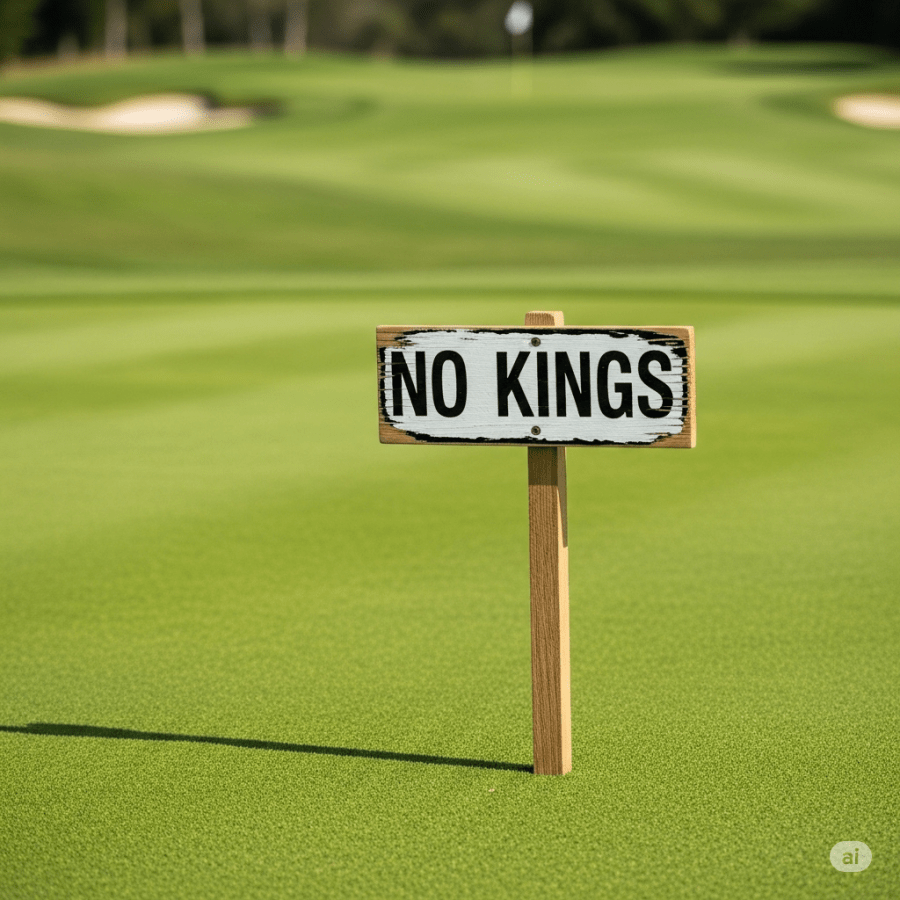
What can you dig up on Protests all over America today and size at each site? Be thorough. Don’t hold back. I want to know.
Today, June 14, 2025, a significant number of protests are taking place across the United States, primarily organized under the “No Kings” banner. These demonstrations are largely a counter-protest to the military parade in Washington D.C. and President Donald Trump’s 79th birthday, coinciding with Flag Day.
The “No Kings” movement, orchestrated by the “50501 Movement” (standing for “50 states, 50 protests, one movement”), aims to reject what they describe as the authoritarian actions of the Trump administration and to support democracy. Organizers have intentionally excluded Washington D.C. from their protest map, seeking to shift attention away from the parade and instead highlight widespread public dissent across the country.
Here’s a breakdown of what’s being reported:
Nationwide Scope and Expected Size:
- Thousands of Locations: Organizers have stated that protests are scheduled in more than 2,000 cities and towns across all 50 U.S. states and commonwealths, from major metropolitan areas to smaller communities.
- Millions Expected: Organizers anticipate millions of people to take to the streets, making it potentially the largest single-day mobilization since President Trump’s second term began.
- Largest Since Second Term: These rallies are expected to be the largest and most numerous protests since Trump’s return to office, surpassing previous demonstrations like the “Hands Off” protests in early April which drew up to 1 million Americans.
Key Protest Sites and Reported Sizes:
- Philadelphia, Pennsylvania: This is a flagship location for the “No Kings” movement.
- Thousands gathered in Love Park, with organizers distributing American flags and many carrying signs against “oligarchy” and “mini-Mussolinis.”
- Pennsylvania Governor Josh Shapiro has stated that his administration and state police are working with Philadelphia police, preparing for a potential crowd of up to 100,000 people.
- Los Angeles, California:
- Thousands gathered in front of City Hall, with a boisterous crowd waving signs, listening to a Native American drum circle, and watching dance performances. Signs included “Protesting is not a crime” and “ICE out of LA.”
- These protests follow earlier demonstrations against federal immigration enforcement raids, with reports of over 1,000 protesters (per ICE) on June 6th, and previous clashes with law enforcement. The National Guard and Marines were deployed to Los Angeles earlier in the week in response to some protests turning violent, including freeway blockages and car fires.
- Hartford, Connecticut:
- Thousands of people gathered at the state Capitol despite light rain. Capitol Police estimated the crowd to be in the thousands.
- Connecticut officials denounced Trump and defended the right to protest, with the event being one of 33 rallies scheduled across the state.
- Charlotte, North Carolina:
- Crowds cheered anti-Trump speakers in First Ward Park, chanting “we have no kings” before marching through the city behind a “No Kings” banner. Marchers reportedly stretched for blocks.
- Atlanta, Georgia:
- Atlanta’s 5,000-capacity “No Kings” rally quickly reached its limit.
- Florida:
- About a thousand people gathered on the grounds of Florida’s old Capitol, chanting “This is what community looks like.”
- Another demonstration is set for Fort Lauderdale, with organizers expecting hundreds registered for the event.
- One march is planned to go to the gates of Trump’s Mar-a-Lago resort, where Republican Gov. Ron DeSantis has issued warnings about crossing a “clear line.”
- Minnesota:
- Demonstrations in Minnesota were canceled after Governor Tim Walz issued a warning following the shootings of two state lawmakers and their spouses, recommending people not attend any political rallies until a suspect is apprehended.
- Other Cities with Major Rallies Planned: Houston, Chicago, and New York are also listed as locations for major rallies.
- Smaller Towns and Communities: Protests are occurring in countless smaller towns and communities, at various meeting spots like parks, community centers, and public landmarks.
Themes and Context:
- Anti-Trump Sentiment: The overriding theme of the “No Kings” protests is opposition to President Trump’s policies, particularly what organizers view as “authoritarian actions.”
- Immigration Raids: The demonstrations are also fueled by recent federal immigration enforcement raids and the deployment of National Guard troops and Marines in response to protests in Los Angeles and other cities.
- “Day of Defiance”: The “No Kings Day of Defiance” is described as a rejection of authoritarianism, “billionaire-first politics,” and the “militarization of the country’s democracy.”
- Peaceful Intentions: Organizers emphasize a commitment to nonviolent action, expecting participants to de-escalate confrontations and refrain from bringing weapons.
- Counter to Military Parade: The timing of these protests is deliberately set to coincide with the military parade in Washington D.C., aiming to draw attention away from the parade and highlight a different narrative of American public sentiment.
It’s clear that today marks a widespread and significant day of protest across the U.S., with large numbers of people participating in various locations to voice their concerns.
Can you explain this “No Kings” to me and has President Trump been Guilty of Acting like a King in any means, ways, or manners?
The “No Kings” movement is a grassroots political organization primarily operating under the umbrella of the “50501 Movement.” The name “50501” stands for “50 states, 50 protests, one movement,” highlighting their goal of widespread, synchronized demonstrations across the country.
What “No Kings” Means:
At its core, the “No Kings” movement expresses a profound rejection of what its organizers and participants perceive as authoritarian actions by the current U.S. presidential administration. The timing of the protests on Flag Day and President Trump’s birthday, coinciding with a military parade, is intentional. Organizers explicitly state that the parade is seen as a “lavish spectacle meant to feed Trump’s ego” and a “show of dominance,” which they believe politicizes the armed forces and is more akin to displays seen in non-democratic countries.
The movement’s key tenets include:
- Protecting Democracy: They aim to uphold the U.S. Constitution and its system of checks and balances, arguing that the current administration is undermining them.
- Rejecting Authoritarianism: This is the central theme, with protesters comparing President Trump’s actions to those of a king or an authoritarian leader, rather than a democratically elected president.
- Opposition to “Billionaire-First Politics”: The movement also targets what it sees as policies that primarily benefit the wealthy, and has even named Elon Musk as a target due to his involvement in the Department of Government Efficiency.
- Anti-Militarization of Democracy: They express concern about the perceived use of military displays and deployments for political purposes, especially the involvement of the National Guard and Marines in domestic protests.
- Specific Policy Opposition: This includes strong opposition to recent federal immigration enforcement raids, mass deportations, and the administration’s broader immigration policies.
- Call for Accountability: Their goals include the resignation or impeachment of President Trump and investigations into his appointees.
Has President Trump Been Accused of Acting Like a King?
Yes, various critics, including those involved in the “No Kings” movement, have frequently accused President Trump of acting in ways they describe as “king-like,” “authoritarian,” or undermining democratic norms. These accusations often center on several points:
- Efforts to Expand Executive Power and Undermine Checks and Balances: Critics argue that President Trump has made determined efforts to strengthen presidential power and reduce oversight from Congress and the judiciary. Examples cited include:
- Disregard for Court Orders: Accusations of the administration ignoring or attempting to disregard judicial rulings.
- Attacks on the Judiciary: Threats of impeachment against judges or general criticism of the judicial branch when rulings go against the administration.
- Budget Reconciliation: Using special legislative procedures (like budget reconciliation) to pass bills quickly and minimize congressional influence, specifically in relation to his “big beautiful bill” which critics say consolidates presidential power.
- Broad Interpretation of Presidential Authority: Arguments that Article II of the Constitution grants the president sweeping authority to act without checks and balances, a theory reportedly espoused within Project 2025 (a blueprint for the Trump presidency).
- Invoking Emergency Powers: The invocation of a “National Emergency” executive order and the consideration of invoking the Insurrection Act to deploy troops on U.S. soil for various reasons (e.g., border security, protest control), even when local officials assert they can handle situations.
- Use of Military and Federal Force Domestically:
- Deployment of National Guard and Marines against Protests: Critics point to the deployment of federal troops to cities like Los Angeles in response to protests, even when local authorities like the mayor and governor have stated such intervention is uncalled for or escalates tensions. This is seen as a dangerous militarization of civil unrest.
- Military Parade: The military parade itself is cited as an example of a “lavish spectacle” intended to project power and create an “aura of inevitability” for the leader, reminiscent of authoritarian regimes.
- Statements and Rhetoric:
- “Above the Law” Mentality: Critics argue that President Trump’s apparent belief that he is above the law, sometimes supported by legal arguments for presidential immunity for official acts, contributes to a “king-like” perception.
- Quoting Authoritarian Leaders: His social media post quoting Napoleon, “He who saves his Country does not violate any Law,” was interpreted by some as a direct rebuke to those trying to limit executive authority and an embrace of a strongman image.
- Demonizing Opponents and Dissent: Accusations of targeting journalists, suing media outlets, and demonizing vulnerable groups or political opponents are seen as tactics of authoritarian regimes to suppress dissent.
- “Commander-in-Chief” Persona: Critics suggest President Trump revels in the “Commander-in-Chief” title and desires absolute powers, which they view as inconsistent with a democratic presidency.
Trump’s Response:
President Trump has directly responded to the “No Kings” protests, stating, “I don’t feel like a king. I have to go through hell to get stuff approved.” He has argued that a true king would not need to negotiate with Congress to pass legislation, suggesting that his experience reflects the challenges of a democratic system rather than absolute rule.
In essence, the “No Kings” movement is a modern expression of American vigilance against perceived overreach of executive power, drawing parallels to historical struggles against monarchy and authoritarianism. Whether President Trump’s actions genuinely constitute “acting like a king” is a matter of ongoing political debate and interpretation, with supporters arguing he is simply exercising strong executive leadership and critics contending he is eroding democratic norms.
Has any other President had so many Protests against them like No Kings
It’s an excellent question, and one that historians and political scientists will likely debate for years to come. While it’s difficult to make a definitive “most” statement while a presidency is ongoing, here’s a breakdown of why the “No Kings” protests against President Trump are significant and how they compare to protests against other presidents:
Unique Aspects of Protests Against President Trump:
- Sheer Volume and Sustained Nature:
- “No Kings” is exceptionally widespread: The “No Kings” movement is unique in its deliberate strategy of organizing thousands of protests in over 2,000 cities and towns across all 50 states, intentionally avoiding Washington D.C. This decentralized, nationwide approach aims to demonstrate widespread grassroots opposition. Organizers are anticipating “millions” to participate, which, if achieved, would be a very high number for a single day.
- Constant Protests: From the very beginning of his presidency, a notable characteristic of the Trump administration has been the sustained and frequent nature of protests. Reports from his first term indicated a protest happening “every day somewhere in the United States.” This consistent opposition, across a wide range of issues, is highly unusual.
- First-time Protesters: Many of the protests against Trump have seen a significant number of first-time protesters, suggesting a broad mobilization of citizens who might not have been politically active before.
- Breadth of Issues: Protests against President Trump have encompassed a remarkably diverse set of issues, including:
- Immigration policies (travel bans, family separations, ICE raids)
- Healthcare policy
- Environmental regulations and climate change
- Concerns about democratic norms and institutions (the “No Kings” theme directly addresses this)
- Perceived attacks on the media
- Racial justice and civil rights
- Economic policies (“billionaire-first politics”)
- Specific personnel decisions and perceived corruption
- Digital Mobilization: Social media has played an unprecedented role in organizing and amplifying protests against Trump, allowing for rapid and widespread coordination that wasn’t possible in previous eras.
Comparison to Protests Against Other Presidents:
While the “No Kings” movement’s scope and tactics are distinct, many presidents have faced substantial and impactful protests:
- Vietnam War Protests (against Lyndon B. Johnson and Richard Nixon): These were some of the largest and most sustained protests in U.S. history, directly challenging presidential policy on a massive scale. They often involved hundreds of thousands, and at times, over half a million people in Washington D.C. and other major cities. The anti-war movement deeply divided the nation and ultimately influenced policy.
- Comparison: While the Vietnam protests were highly concentrated on a single, overarching issue (the war), the “No Kings” movement, while having a central theme, addresses a wider array of grievances.
- Civil Rights Movement (across multiple administrations, notably Eisenhower, Kennedy, Johnson): These protests were monumental in challenging racial segregation and demanding equal rights. The March on Washington for Jobs and Freedom in 1963, for instance, drew 250,000-300,000 people.
- Comparison: The Civil Rights Movement had a clear, unified goal, and while incredibly impactful, was focused on specific legislative changes and societal shifts. The “No Kings” movement is more about a perceived systemic threat to democracy itself.
- Women’s Marches (against Donald Trump’s first inauguration): The Women’s March on January 21, 2017, the day after Trump’s first inauguration, is widely considered the largest single-day protest in U.S. history, with estimates ranging from 3.3 million to 5.6 million participants nationwide. This demonstrates a massive mobilization in direct response to his election.
- Comparison: The “No Kings” protests are building upon this existing base of anti-Trump sentiment and large-scale mobilization, aiming for a similar or even larger nationwide turnout on a different set of, albeit related, issues.
- Anti-Iraq War Protests (against George W. Bush): In the early 2000s, massive protests erupted globally and in the U.S. against the impending war in Iraq, with hundreds of thousands participating in cities like New York.
- Comparison: These were also focused on a single, defining foreign policy issue.
- Tea Party Protests (against Barack Obama): The Tea Party movement saw widespread, decentralized protests across the country, primarily focused on fiscal conservatism, government spending, and healthcare reform. While perhaps not reaching the millions in a single day, they were a significant and sustained grassroots movement.
- Comparison: The “No Kings” movement shares a similar decentralized, nationwide grassroots approach to the Tea Party, though with opposing political ideologies and grievances.
Conclusion:
While it’s difficult to quantify “most protests” definitively, President Trump’s presidency has certainly been characterized by an unprecedented frequency, diversity of issues, and sustained grassroots mobilization of protests compared to many previous administrations. The “No Kings” protests, with their thousands of simultaneous events across the country and a stated goal of “millions” of participants, are a prime example of this trend, making them a significant chapter in the history of American protest movements.
 thelivingbreathingjamesbrown.com
You must be logged in to post a comment.