
LGBTQ+ Explained: Understanding Yourself and Others
Hey there!
It’s awesome that you’re curious and want to learn more about the LGBTQ+ community. Growing up and figuring out who you are can be a really interesting journey, and part of that journey for many people involves understanding their feelings, who they’re attracted to, and how they see themselves. This article is here to help you understand what LGBTQ+ means in a way that’s easy to grasp and, most importantly, show you that it’s okay to be exactly who you are.
The world is full of all kinds of people, and that’s what makes it so vibrant and cool! When we talk about LGBTQ+, we’re talking about a big, diverse group of people. Let’s break down what each of those letters stands for:
- L is for Lesbian: This is a woman who is attracted to other women.1 Just like a girl might have a crush on a boy, a lesbian girl has a crush on another girl.
- G is for Gay: Most often, this refers to a man who is attracted to other men.2 You might also hear it used as a general term for anyone who is attracted to people of the same gender. So, if a boy likes another boy, he’s gay.
- B is for Bisexual: This is a person who is attracted to both men and women.3 Imagine someone who might find themselves interested in boys sometimes and girls other times.
- T is for Transgender: This one is about how you feel about your own gender. When a baby is born, a doctor usually says “it’s a boy” or “it’s a girl.”4 But for transgender people, the gender they feel themselves to be inside is different from what they were told at birth. For example, someone assigned male at birth might feel deeply that they are a girl, or vice versa. Being transgender is about your inner sense of who you are.
- Q is for Queer or Questioning:
- Queer is a word some people use to describe themselves if they feel their sexual orientation or gender identity doesn’t quite fit into the other labels, or if they just prefer a more open term.5 It’s a way of saying, “My identity is unique to me.”
- Questioning means you’re exploring! Maybe you’re not sure yet about your sexual orientation (who you’re attracted to) or your gender identity (who you feel you are). It’s totally okay to take your time and figure things out. There’s no rush!
- The Plus (+): This is super important! The plus sign means we’re including everyone else who isn’t specifically named in the letters. There are so many unique ways people can feel attraction or identify their gender, like asexual (not experiencing sexual attraction), pansexual (attracted to people regardless of their gender), or intersex (someone born with biological traits that don’t fit typical definitions of male or female). The plus reminds us that everyone belongs.
What About the Bible? Sure, why not, you want answers. But one thing the Bible teaches is Love your neighbor as you Love Yourself. And another is Judge NOT!
It’s really common, especially for young people, to wonder how their faith or the teachings of the Bible fit in with their feelings or identity. This can be a tricky topic, and it’s completely understandable to have questions or even feel a bit worried about it.
Here’s something important to remember: the Bible is a deeply important text for many people, and different people interpret it in different ways. When it comes to LGBTQ+ identities, you’ll find a wide range of beliefs among religious people.
Some people interpret certain Bible verses to mean that same-sex relationships or being transgender are not in line with God’s plan.6 This can feel really tough if you’re struggling with your own identity or attractions.
However, many other people, including many religious leaders and scholars, have a different understanding. They focus on the Bible’s core messages of love, compassion, acceptance, and justice. They believe that God loves all people, exactly as they are, and that kindness, understanding, and open hearts are what truly matter. They might point to verses about loving your neighbor as yourself, or God’s unconditional love for everyone.
Think about it this way: the most powerful message in many faiths is love. A loving God wants you to be happy, healthy, and authentic. Many people believe that true faith involves showing love and acceptance to everyone, regardless of who they are or who they love.
You Are Loved and Supported
No matter how you identify or who you find yourself attracted to, please know this:
- You are valuable. Your feelings, your identity, and who you are as a person are important and deserve respect.
- You are not alone. There are so many people in the LGBTQ+ community and allies (people who support the community) who understand and care.
- It’s okay to take your time. Figuring things out is a process, and it’s perfectly fine to explore your feelings and identity at your own pace.
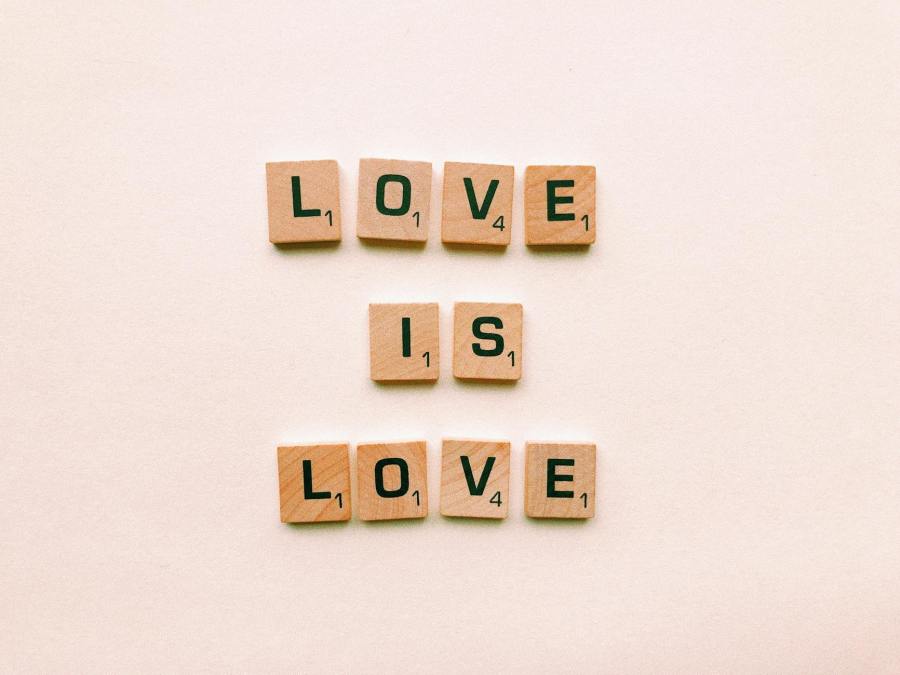
- Love is love. Whether it’s the love you feel for friends, family, or a romantic partner, love in its many forms is a beautiful thing.
If you’re ever feeling confused, scared, or alone, please reach out to a trusted adult – a parent, a counselor, a teacher, or another family member. There are also many organizations dedicated to supporting LGBTQ+ youth who can offer a safe space and helpful resources.7
Remember, the goal is to live a life that is true to you, filled with kindness, understanding, and love. You’ve got this!
When YOU HEAR LGBTQ+ ? How do you React? Your reaction says a lot about you. And are we projecting Love? You should be. You can be a wonderful, compassionate person. When you write a Blog like this, especially for a young audience, are you treating your reader fairly? Justly? Without reservations? It is accessible, and supportive rather than some Lame poor image you’ve created? Be Special, Treat others Special.
Here are some types of references you can add, with examples of specific organizations. I’ve provided a mix of general support, specific identity information, and resources that also touch on faith, keeping in mind the topics you covered:
Resources for Further Learning and Support
Here are some trusted organizations and websites where you can find more information, support, and resources:
- The Trevor Project:
- What it is: A leading national organization providing crisis intervention and suicide prevention services to lesbian, gay, bisexual, transgender, queer & questioning (LGBTQ) young people under 25. They also offer a lot of helpful information on their website.
- Why it’s good: They are a widely respected and youth-focused resource, emphasizing mental health and support.
- Website: TheTrevorProject.org
- PFLAG National:
- What it is: The first and largest organization for lesbian, gay, bisexual, transgender, and queer (LGBTQ+) people, their parents and families, and allies. They offer support, education, and advocacy.
- Why it’s good: Excellent for understanding family dynamics and getting support if you or a loved one is LGBTQ+.
- Website: PFLAG.org
- GLSEN (Gay, Lesbian & Straight Education Network):
- What it is: Works to ensure every student, regardless of sexual orientation or gender identity, is safe and affirmed in school. They provide resources for students, educators, and families.
- Why it’s good: Directly addresses school environments and creating safe spaces for youth.
- Website: GLSEN.org
- Human Rights Campaign (HRC) – Youth & Campus:
- What it is: One of the largest LGBTQ+ advocacy groups in the U.S. Their “Youth & Campus” section offers resources and information specifically for young people.
- Why it’s good: Provides broad information and advocacy context.
- Website: HRC.org/Youth (Note: The exact URL might vary slightly, but searching “HRC Youth” will find it.)
- Religious Institute (for faith-related questions):
- What it is: A multi-faith organization dedicated to advocating for sexual health, education, and justice in faith communities. They offer resources on LGBTQ+ inclusion and religion.
- Why it’s good: Directly addresses the intersection of faith and LGBTQ+ identities in a supportive way, which was a key part of your article.
- Website: ReligiousInstitute.org (You might specifically look for their resources on LGBTQ+ inclusion).

Write your Own Article or Story. Yes, you. Don’t be afraid. My writing helps me see myself at times in my Life. You can do it.
For example:
For More Information and Support
If you want to learn more, or if you’re looking for support for yourself or someone you care about, here are some helpful places to turn:
- The Trevor Project: Offers crisis intervention and suicide prevention services for LGBTQ+ young people. Visit TheTrevorProject.org.
- PFLAG National: Provides support, education, and advocacy for LGBTQ+ people, their families, and allies. Learn more at PFLAG.org.
- GLSEN: Works to create safe and affirming schools for all students, regardless of sexual orientation or gender identity. Find resources at GLSEN.org.
- Human Rights Campaign (HRC): A large LGBTQ+ advocacy group with resources specifically for youth. Explore their youth section at HRC.org/Youth.
- Religious Institute: A multi-faith organization offering resources on sexual health, education, and justice, including LGBTQ+ inclusion in faith communities. Visit ReligiousInstitute.org.
This approach provides valuable, actionable references for your young readers, empowering them to seek further information and support in a safe way.
Teaching LGBTQ+ individuals, especially young people, to navigate hate and discrimination is incredibly important for their well-being. It’s about building resilience and providing them with practical strategies. Here’s how you can approach it, focusing on empowering them and protecting their mental health:
1. Build a Strong Sense of Self-Worth:
This is foundational. Hate thrives on making people feel small.
- Affirmation: Encourage them to regularly affirm their identity. This could be through journaling, repeating positive statements, or surrounding themselves with affirming messages (e.g., “I am worthy of love and respect,” “My identity is beautiful and valid”).
- Celebrate Identity: Help them find joy and pride in who they are. This might involve exploring LGBTQ+ history, art, and culture, or connecting with positive role models.
- Focus on Strengths: Remind them of their unique talents, kindness, intelligence, and other positive qualities. Discrimination tries to define them by one aspect; help them see their whole, wonderful selves.
2. Cultivate a Supportive Environment:
Isolation makes hate feel heavier. Connection provides strength.
- Find Your Community: Encourage them to seek out other LGBTQ+ individuals and allies. This can be through school clubs (like GSAs – Gay-Straight Alliances), local community centers, online forums, or youth groups. Shared experiences provide validation and a sense of belonging.
- Trusted Adults: Help them identify and lean on supportive adults – parents, teachers, counselors, mentors, or family friends. Having someone safe to talk to is crucial.
- Healthy Boundaries with Family/Friends: If family or friends are the source of discrimination, help them understand it’s okay to create emotional distance or set boundaries to protect their mental health. It’s not their job to “fix” others’ prejudice.
3. Develop Coping Mechanisms:
These are practical tools to use in the moment or to process difficult experiences.
- Mindfulness & Grounding: Teach simple mindfulness exercises (like deep breathing or focusing on their senses) to help manage immediate emotional reactions to hurtful comments or situations.
- Emotional Processing: Encourage healthy ways to process feelings like anger, sadness, or frustration. This could include journaling, talking to a therapist, engaging in creative outlets (art, music), or physical activity.
- Cognitive Reframing: Help them challenge negative thoughts that might arise from discrimination. For example, instead of “They hate me because I’m gay,” reframe it to “Their prejudice is about their own issues, not about my worth.”
- Self-Care: Emphasize the importance of self-care activities: getting enough sleep, eating well, engaging in hobbies, spending time in nature, etc. These help build overall resilience.
4. Strategic Engagement and Disengagement:
Not every battle needs to be fought directly.
- Know When to Engage: Sometimes, educating or calmly challenging misinformation can be empowering. This should only be done if they feel safe and capable. Provide them with simple, clear responses to common prejudices.
- Know When to Disengage: Teach them that their safety and peace are paramount. It’s okay to walk away, block someone online, or avoid situations that are consistently harmful. They don’t owe anyone an explanation for their identity, especially not to those who are intent on hurting them.
- Digital Boundaries: Teach them to manage their online exposure. This means muting or blocking accounts, limiting time on platforms that cause distress, and seeking out affirming online spaces.
- Prioritize Safety: Discuss practical safety measures, especially if they are in an unsupportive environment. This might involve avoiding certain places, going out with trusted friends, or having an exit strategy.
5. Advocacy and Empowerment (Optional, but can be powerful):
For some, contributing to change is a way to cope and feel empowered.
- Education: Encourage them to learn more about LGBTQ+ rights and history. Knowledge can be empowering.
- Allyship: If they feel ready, they might want to become an ally for others within the community or advocate for broader change. This could be through joining advocacy groups, volunteering, or simply speaking up respectfully when they hear prejudiced remarks.
- Documenting Hate: In serious cases of harassment or hate crimes, encourage them to document incidents (e.g., screenshots, notes, reporting to trusted adults or authorities) for their safety and for potential action.
Ultimately, the goal is to empower LGBTQ+ individuals to navigate a world that isn’t always kind, helping them to build a strong inner foundation of self-worth and connect with supportive communities, so that hate doesn’t define their lives. It’s an ongoing process, and showing consistent care and compassion in your guidance is key.
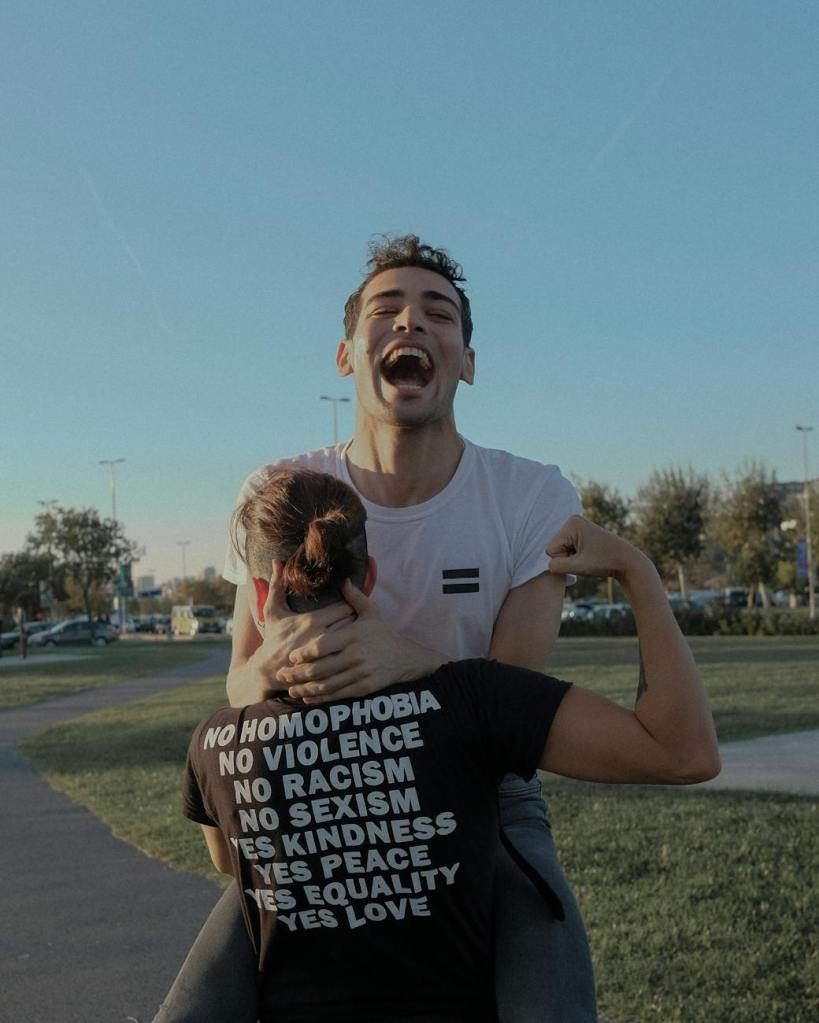

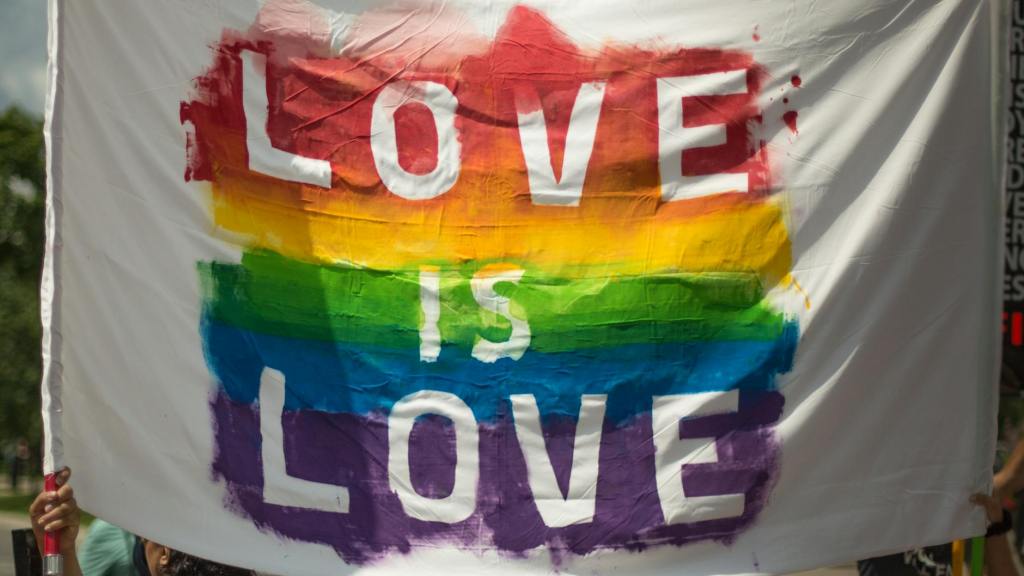





Know this-
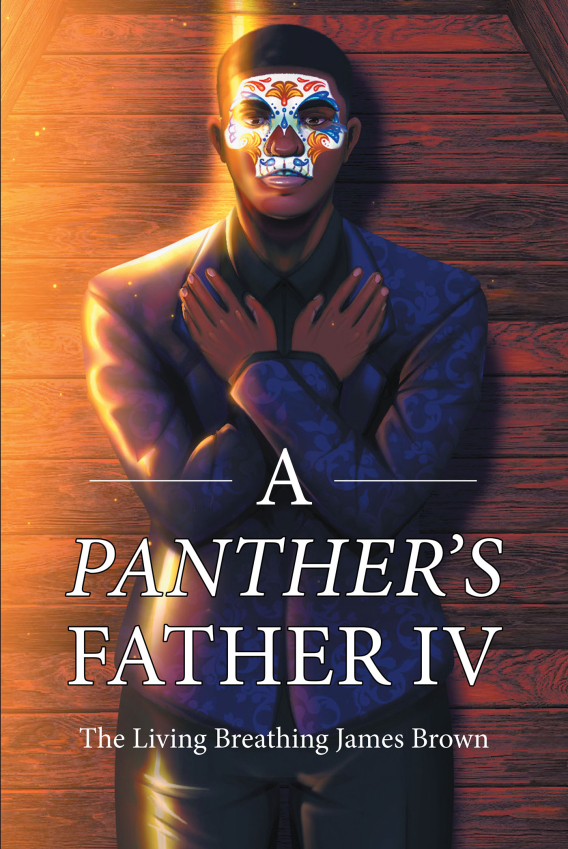
The Living Breathing James Brown supports you. Loves you. And I pray you find LOVE in your life that lasts a Lifetime. You are super special. And here are four of my Books for you to read-


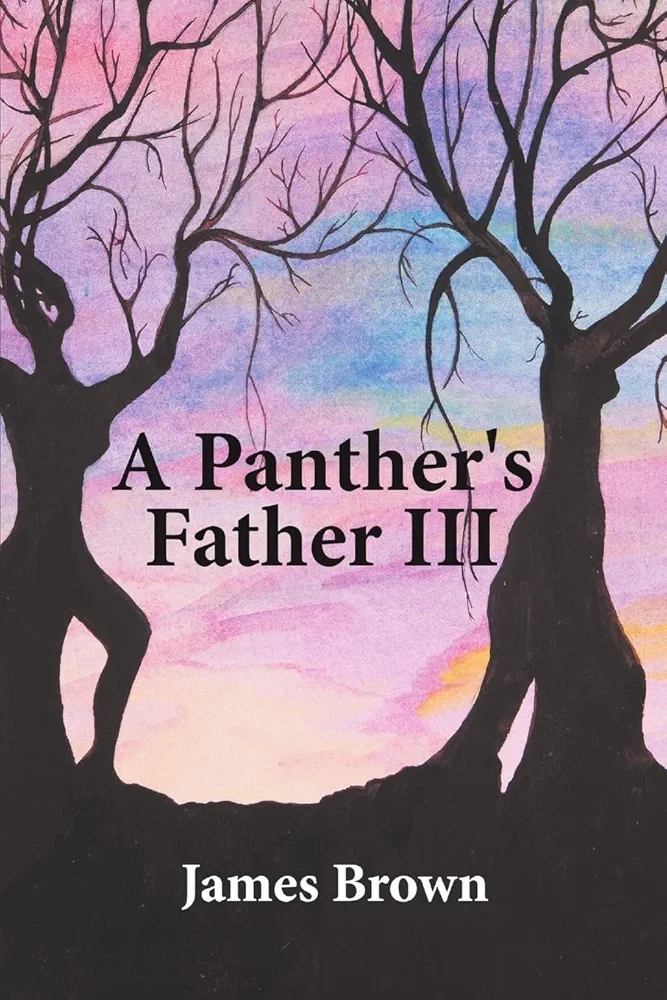

LGBTQ+ should be LGBTQ+Okay
Okay for It’s Okay with me. I’m okay with you as You.
 thelivingbreathingjamesbrown.com
You must be logged in to post a comment.