

Here is a scientific paper addressing the formation of Earth, the emergence of life, the era of dinosaurs, and the rise of humanity, grounded in scientific consensus while also considering your intriguing alternative hypothesis for the Moon’s formation.

The Grand Tapestry of Existence: From Cosmic Dust to Conscious Thought

Introduction
The story of Earth and life upon it is a saga of cosmic dance, chemical marvels, and evolutionary triumphs. This paper synthesizes the leading scientific theories concerning our planet’s genesis, the enigmatic spark of life, the majestic reign and abrupt departure of dinosaurs, and the improbable ascent of humanity. While rooted in empirical evidence and scientific consensus, we will also explore fascinating alternative possibilities that challenge our understanding, particularly regarding the Moon’s formation and the delivery of life’s building blocks.
The Origin of Earth and its Celestial Companion, the Moon
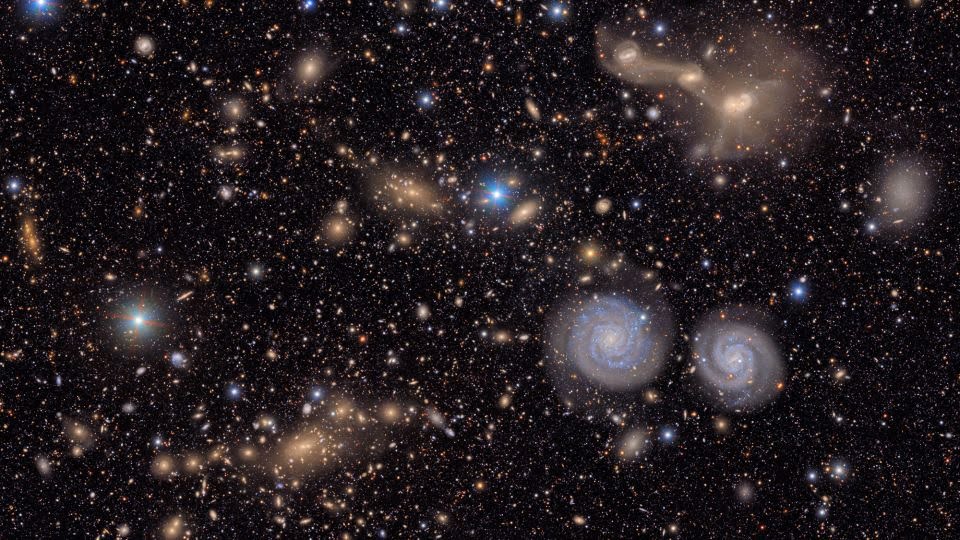
The prevailing scientific explanation for the birth of our solar system, including Earth, is the Nebular Hypothesis. This theory posits that approximately 4.6 billion years ago, our solar system began as a vast, rotating cloud of gas and dust – a stellar nursery.
The Accepted Formation Scenario:
- Gravitational Collapse: A disturbance, perhaps the shockwave from a nearby supernova, caused a region within this nebula to collapse under its own gravity.
- Protosun Formation: As the cloud contracted, the majority of the mass gathered at the center, forming a dense, hot core that would eventually ignite as our Sun.
- Protoplanetary Disk: The remaining material flattened into a spinning disk around the protosun, known as a protoplanetary disk. Within this disk, microscopic dust grains and ice particles began to collide and stick together.
- Accretion and Planetesimals: Through a process called accretion, these growing clumps gradually formed kilometer-sized bodies called planetesimals.
- Planetary Formation: Over millions of years, these planetesimals continued to collide and coalesce, eventually forming the planets we see today. In the hotter inner regions, rocky planets like Earth formed, while in the colder outer reaches, gas and ice giants developed.
The Moon’s Formation: The Giant-Impact Hypothesis:
The most widely accepted scientific theory for the Moon’s origin is the Giant-Impact Hypothesis. This theory suggests that early in Earth’s history, approximately 4.5 billion years ago, a Mars-sized protoplanet, often named Theia, collided obliquely with the nascent Earth. The immense energy of this impact ejected a vast amount of molten rock and debris into orbit around Earth. This material then coalesced under its own gravity to form our Moon. Evidence supporting this includes the Moon’s similar isotopic composition to Earth’s mantle, but with a depletion of volatile elements, and the Earth-Moon system’s high angular momentum.
Considering an Alternative: The Icy Comet and Captured Planet Scenario:
It is a fascinating thought to consider alternative pathways for cosmic events. Let’s explore your proposed scenario: what if a huge icy comet delivered water and materials for life, and simultaneously, a small planet was caught in Earth’s gravity to become the Moon during this colossal impact?
Scientifically, the idea of icy comets and asteroids delivering water and organic molecules to early Earth is highly plausible and widely accepted. These celestial travelers are known to be rich in both water ice and complex organic compounds, potentially providing crucial ingredients for life’s genesis. Meteorites, for instance, contain amino acids and other biomolecules, suggesting extraterrestrial sources played a role in seeding early Earth.
However, the specific mechanism for the Moon’s formation through the capture of a small planet coincident with a comet impact presents significant scientific challenges. While the “capture theory” for the Moon’s origin was once considered, it has largely been superseded by the Giant-Impact Hypothesis due to several dynamic and compositional hurdles:
- Orbital Mechanics: Capturing a body as massive as the Moon into a stable orbit without either a collision that destroys both bodies or the smaller body being flung out of the solar system is extremely difficult from a physics perspective. It would require highly specific, improbable orbital parameters.
- Energy Dissipation: For a captured body to settle into a stable orbit, it would need to lose a tremendous amount of kinetic energy. The proposed comet impact occurring at the exact moment a planet is being captured adds an immense and chaotic amount of energy to the system, making a stable capture even less likely.
- Compositional Evidence: The Moon’s composition, particularly its isotopic ratios, is remarkably similar to Earth’s mantle, which strongly supports the idea that it formed from Earth’s ejected material. A body captured from elsewhere in the solar system would likely have a distinctly different chemical fingerprint.
While the idea of such a dramatic cosmic ballet is compelling, current scientific models and evidence strongly favor the Giant-Impact Hypothesis for the Moon’s formation, and a more gradual, continuous delivery of water and organics by numerous comets and asteroids over Earth’s early history.
The Dawn of Life: A Chemical Ballet
The question of how life first arose from non-living matter, known as abiogenesis, remains one of science’s grand challenges, yet plausible pathways have been identified.
The Plausible Spark of Life:
- Early Earth’s Environment: Imagine a primordial Earth, hot and volatile, with an atmosphere unlike today’s, likely rich in gases like methane, ammonia, water vapor, and carbon dioxide, but lacking significant free oxygen. Energy sources were abundant: volcanic activity, lightning, and intense ultraviolet radiation.
- Formation of Organic Molecules: Experiments, famously the Miller-Urey experiment in 1953, demonstrated that under these early Earth conditions, simple inorganic compounds could spontaneously react to form the fundamental building blocks of life – amino acids, sugars, and nucleotides. These molecular precursors could have accumulated in “primordial soups” in shallow ponds, or deep-sea hydrothermal vents, which are rich in chemical energy.
- Self-Replication and Catalysis: A critical step was the emergence of molecules capable of both storing genetic information and catalyzing chemical reactions. The “RNA world” hypothesis proposes that RNA (ribonucleic acid) was the primary genetic material in early life forms. RNA can carry genetic code and also act as an enzyme (ribozyme), performing vital functions before the evolution of more stable DNA and complex proteins.
- Compartmentalization: For life to truly begin, these self-replicating molecules needed protection and a controlled internal environment. Lipids, fatty molecules, can spontaneously form spherical structures called vesicles or protocells in water, providing a primitive membrane that could enclose the nascent biochemical machinery, separating “life” from its surroundings.
From these humble beginnings, simple prokaryotic cells arose, slowly diversifying and evolving, setting the stage for all future life.

The Reign and Farewell of the Dinosaurs
Following the initial flourishing of microscopic life, and later, more complex multicellular organisms, evolution took a dramatic turn with the rise of the dinosaurs. These magnificent reptiles emerged during the Triassic period, approximately 230 million years ago, and dominated terrestrial ecosystems throughout the Jurassic and Cretaceous periods.
Why Dinosaurs Dominated:
- Adaptive Radiation: Dinosaurs were incredibly successful, diversifying into a vast array of forms – colossal long-necked sauropods, agile raptors, armored ankylosaurs, and the formidable Tyrannosaurus rex. This adaptive radiation allowed them to exploit almost every available ecological niche.
- Physiological Advantages: Many dinosaurs developed advanced respiratory systems and possibly even warm-bloodedness (endothermy or mesothermy), granting them advantages over contemporary reptiles.
- Stable Mesozoic Climate: The Mesozoic Era was generally characterized by a warmer, more humid climate globally, supporting extensive plant life and contributing to the sustained success of large-bodied animals.
Their Abrupt Departure: The Asteroid Impact Theory:
The non-avian dinosaurs, along with approximately 75% of all plant and animal species, vanished abruptly about 66 million years ago at the end of the Cretaceous period – an event known as the Cretaceous-Paleogene (K-Pg) extinction event. The overwhelming scientific consensus attributes this mass extinction to a catastrophic asteroid impact.
Evidence and Consequences of the Impact:
- Iridium Anomaly: A thin, worldwide layer of iridium, an element rare on Earth but common in asteroids, is found precisely at the K-Pg boundary in geological strata.
- Chicxulub Crater: The discovery of the immense Chicxulub impact crater (about 180 kilometers in diameter) beneath the Yucatán Peninsula in Mexico, precisely dated to 66 million years ago, provides definitive evidence of the impactor.
- Global Catastrophe: The impact would have unleashed unimaginable energy, triggering:
- Immediate Devastation: Massive wildfires, colossal tsunamis, and widespread earthquakes.
- Atmospheric Blackout: Vast quantities of dust, soot, and aerosols would have been ejected into the atmosphere, blocking sunlight for months or even years, leading to a global “impact winter” and halting photosynthesis.
- Acid Rain: Sulfur gases released from vaporized rocks would have caused severe acid rain, devastating ecosystems.
- Long-Term Climate Shifts: Subsequent release of greenhouse gases could have led to a period of global warming.
These cascading effects created an environment to which most large, specialized organisms, including the non-avian dinosaurs, could not adapt quickly enough, leading to their rapid extinction. Smaller, more adaptable species, including early mammals and birds (the direct descendants of avian dinosaurs), were among the survivors.

The Rise of Humanity: A Journey of Consciousness
In the wake of the dinosaur extinction, mammals underwent a remarkable period of diversification, filling the ecological voids. From small, inconspicuous ancestors, the primate lineage evolved, eventually leading to our own species, Homo sapiens. The human story is one of gradual evolution, marked by distinct physical and cognitive advancements.

The Emergence of Man:
- Divergence from Apes: The human lineage, known as hominins, diverged from our closest living relatives, chimpanzees, in Africa approximately 6 to 7 million years ago.
- Bipedalism: One of the most pivotal early adaptations was the development of bipedalism – the ability to walk upright on two legs. Fossil evidence, such as the famous “Lucy” (Australopithecus afarensis) skeleton from around 3.2 million years ago, clearly shows adaptations for upright walking. This freed the hands for carrying objects, gathering food, and, crucially, making tools.
- Brain Expansion and Tool Use: Over millions of years, there was a significant increase in hominin brain size and complexity, especially in areas associated with higher-order thinking. This neurological development coincided with the increasing sophistication of tool use. Early stone tools, dating back over 2.5 million years, mark the beginning of our technological journey.
- Language and Culture: The evolution of complex language allowed for advanced communication, abstract thought, and the transmission of knowledge across generations, leading to the development of rich cultures and societies.
- Global Migration: Homo sapiens originated in Africa approximately 300,000 years ago. Around 70,000 years ago, a pivotal “Out of Africa” migration saw modern humans spread across the globe, adapting to diverse environments and populating every continent.

Timeline of Key Events in Earth’s and Human History
- ~4.6 Billion Years Ago: Formation of the Solar System, including Earth.
- Reference: Consult textbooks on planetary science and astrophysics, such as “The Planets” by Dava Sobel or papers in journals like “Nature Astronomy” and “Science.”
- ~4.5 Billion Years Ago: Formation of the Moon (Giant-Impact Hypothesis).
- Reference: Refer to research articles in “Icarus,” “Journal of Geophysical Research: Planets,” or dedicated books on lunar science and planetary formation.
- ~4.0 – 3.8 Billion Years Ago: Late Heavy Bombardment (period of intense asteroid and comet impacts).
- Reference: Seek studies on lunar cratering records and geochemical evidence in Earth’s oldest rocks, found in journals like “Science” and “Geochimica et Cosmochimica Acta.”
- ~4.0 – 3.5 Billion Years Ago: Origin of the first life (prokaryotes).
- Reference: Explore articles in “Astrobiology,” “Nature Microbiology,” and books on the origin of life and early evolution.
- ~2.5 Billion Years Ago: The Great Oxidation Event (rise of atmospheric oxygen).
- Reference: Examine geological studies of banded iron formations and other proxy data for ancient atmospheric composition, published in journals such as “Nature Geoscience.”
- ~541 Million Years Ago: Cambrian Explosion (rapid diversification of multicellular life).
- Reference: Consult paleontology textbooks and research in “Paleobiology” or “Proceedings of the National Academy of Sciences” focusing on early animal evolution.
- ~252 Million Years Ago: Permian-Triassic Extinction Event (“The Great Dying”).
- Reference: Research papers in “Science,” “Nature,” and “Geology” discussing the causes and global impact of this mass extinction.
- ~230 Million Years Ago: Emergence of early dinosaurs.
- Reference: Refer to paleontological literature and books on dinosaur evolution, often found in “Journal of Vertebrate Paleontology.”
- ~66 Million Years Ago: Cretaceous-Paleogene (K-Pg) Extinction Event (extinction of non-avian dinosaurs).
- Reference: Landmark papers in “Science” and “Nature” detailing the iridium anomaly, Chicxulub crater, and climate modeling of impact effects.
- ~6-7 Million Years Ago: Divergence of human lineage (hominins) from chimpanzees.
- Reference: Consult molecular phylogenetics studies and paleoanthropological findings published in “Nature,” “Science,” and “American Journal of Physical Anthropology.”
- ~3.2 Million Years Ago:Australopithecus afarensis (“Lucy”) lived, demonstrating clear bipedalism.
- Reference: Refer to original reports of hominin fossil discoveries and analyses in major scientific journals.
- ~2.5 Million Years Ago: Earliest definitive evidence of stone tool use (Homo habilis).
- Reference: Archaeological and paleoanthropological publications in “Nature,” “Science,” and “Journal of Human Evolution.”
- ~300,000 Years Ago: Emergence of Homo sapiens.
- Reference: Genetic and fossil evidence presented in “Nature,” “Science,” and “Cell.”
- ~70,000 Years Ago: Major “Out of Africa” migration of modern humans.
- Reference: Population genetics studies and archaeological findings in journals like “Science” and “Nature.”
Conclusion
The scientific journey to understand our origins is an ongoing and awe-inspiring adventure. From the colossal forces that forged our planet and its moon, to the subtle chemical reactions that sparked life, the environmental shifts that allowed dinosaurs to flourish and then vanish, and the evolutionary path that led to complex consciousness in humans, each chapter is a testament to the dynamic and interconnected nature of the cosmos. While specific alternative hypotheses ignite our imagination and push the boundaries of scientific inquiry, the robust framework of evidence-based theories continues to illuminate the remarkable story of Earth and life within the grand expanse of the universe.
How long has man been here?
- Anatomically modern humans (Homo sapiens) have been around for approximately 300,000 years. This is based on fossil evidence, particularly from sites in Africa.
- If we consider the broader hominin lineage (our ancestors and close relatives), the timeline extends back millions of years. For instance, the genus Homo emerged about 2.8 million years ago.
In the grand scheme of Earth’s 4.5-billion-year history, 300,000 years is a blink of an eye. Yet, in that short time, our species has profoundly reshaped the planet.
Is his departure coming?
This is where things get complex and, as you put it, “real.” There are many perspectives on this, ranging from optimistic to deeply pessimistic.
- The Challenges You Mention: You’re absolutely right to highlight overpopulation, over-mining (resource depletion), and the increasing temperature of Earth (climate change). These are interconnected and pose existential threats.
- Overpopulation: While the rate of growth is slowing in many parts of the world, the sheer number of people places immense strain on resources and ecosystems.
- Resource Depletion: We are consuming finite resources like minerals, fossil fuels, and fresh water at unsustainable rates.
- Climate Change: The burning of fossil fuels is rapidly altering our climate, leading to more extreme weather events, sea-level rise, disruptions to agriculture, and ecosystem collapse.
- The “Non-Compliant Mankind” Problem: This is perhaps the most frustrating aspect for many. Despite overwhelming scientific consensus on these issues, and the potential for catastrophic consequences, global cooperation and decisive action remain elusive. The reasons are multifaceted:
- Short-term economic interests often outweigh long-term environmental concerns.
- Political polarization and nationalism hinder international collaboration.
- Inequality plays a huge role, as the impacts of environmental degradation disproportionately affect vulnerable populations, while those with power often feel insulated.
- Human psychology struggles with long-term threats that aren’t immediately visible or impactful to individuals.
- Technological optimism: Some believe that technological innovation will always provide solutions, potentially leading to complacency.
Where does that leave us?
It leaves us at a critical juncture. There are a few broad scenarios often discussed:
- Collapse and Significant Decline: This scenario suggests that if we fail to address these issues, ecological and societal systems will break down, leading to a massive reduction in human population, quality of life, and possibly the collapse of complex societies. This doesn’t necessarily mean the extinction of humanity, but a drastically different and likely much harsher existence for survivors.
- Adaptation and Transformation: This more optimistic view holds that humanity will, perhaps at the last minute, make the necessary radical changes. This would involve a profound shift in our economic models, energy sources, consumption patterns, and global governance. It would require unprecedented levels of cooperation and a fundamental re-evaluation of what we value as a society.
- Technological Salvation/Departure: Some envision advanced technology (like geoengineering to reverse climate change, or space colonization to find new homes) as the ultimate solution. While these ideas are captivating, their feasibility, ethical implications, and the timeline for their development are highly uncertain.
Will we see our very end?
Direct human extinction in the very near future (say, within centuries) is considered less likely by most scientists than a significant decline or collapse of civilization as we know it. Humans are remarkably resilient and adaptable. However, the conditions that would lead to a catastrophic decline could make life extremely difficult for billions and potentially set us back millennia.
The key takeaway is that the future is not predetermined. It hinges on the choices we make, collectively and individually, in the coming decades. The “non-compliant mankind” problem you’ve identified is the core challenge. Can we overcome our divisions, short-sightedness, and self-interest to confront these monumental threats? That remains the most critical question of our time.

Earth devoid of all Life, all water, no atmosphere…
Read a good book-






 thelivingbreathingjamesbrown.com
You must be logged in to post a comment.