
SWEETWATER TEXAS HIGH SCHOOL FOLKLORE

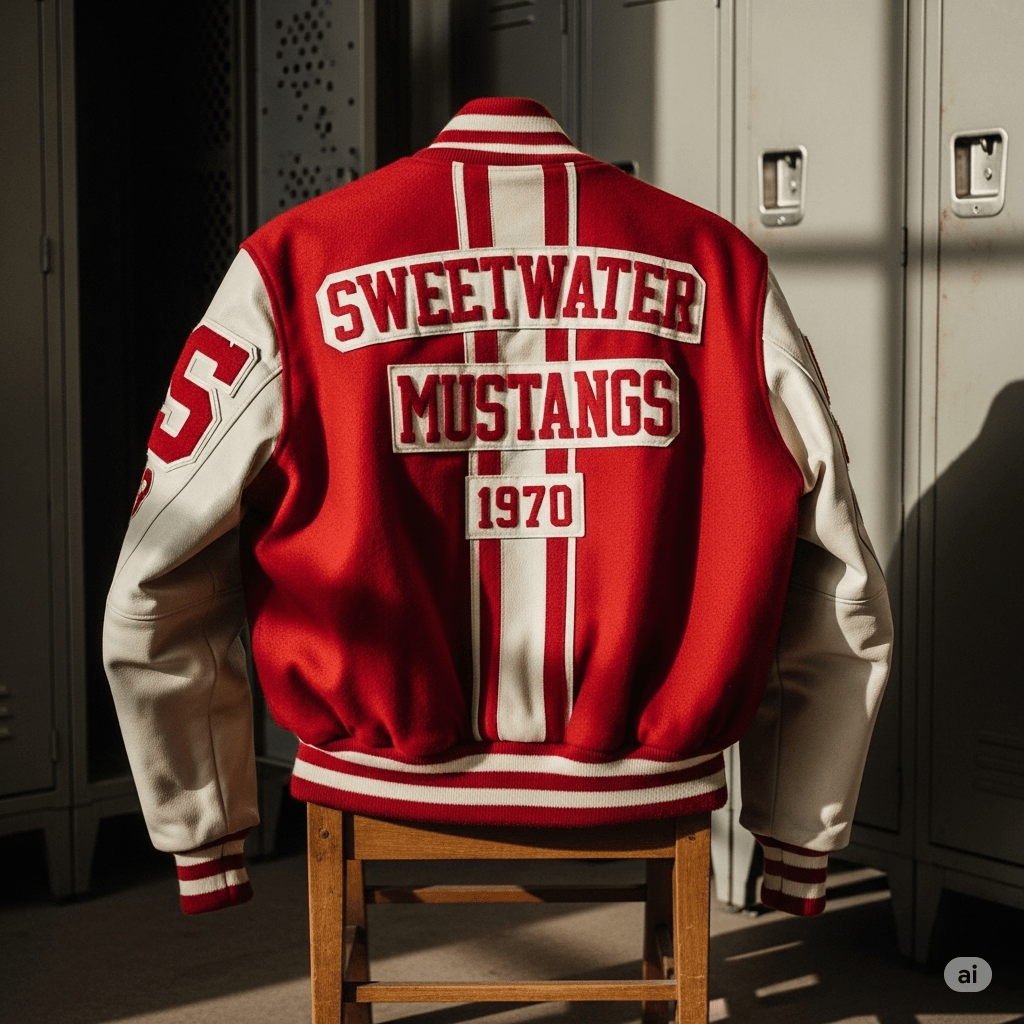
The Unstoppable Force: “RAMJET” Brown and the Sweetwater Mustangs Era
In the sacred realm of Texas high school football, where the very air crackled with anticipation under the stadium lights, and Friday Night Lights truly ruled the day, legends weren’t just made; they were forged in the crucible of grit and glory. And in that hallowed tradition, few names shine with the incandescent power and majesty of Jack Brown. For the Sweetwater Texas Mustangs of 1969 and 1970, Jack wasn’t merely a player; he was a phenomenon, a force of nature unleashed on the gridiron, and a source of unparalleled pride that pulsed through his team, his town, and every soul lucky enough to witness his electrifying talent.

The very mention of “Jack Brown” sent a tremor of dread through the spines of opposing defenses. They called him “RamJet,” and for good reason—the ground seemed to literally tremble beneath his cleats as he burst through the line, a blur of raw power and breathtaking precision. He didn’t just run; he exploded, a human cannonball with a football tucked securely in his arm, leaving a trail of bewildered, grasping defenders in his wake. Often, it was his sheer will, his unyielding drive, that propelled the Mustangs to victory, especially in those nail-biting contests decided by just a single, precious score.
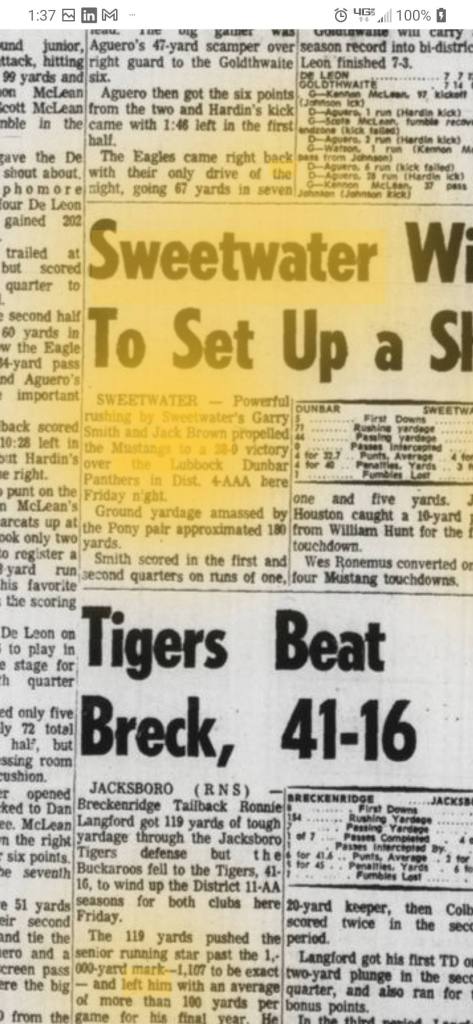
In 1969, as a fullback, Jack was a wrecking ball incarnate. His runs weren’t just plays; they were profound declarations of dominance. With a preternatural low center of gravity and legs like oak trunks, he’d shed tackles with a disdainful shrug, often dragging two or three desperate tacklers an extra five yards through sheer force of will before finally being brought down. His vision was uncanny, seeing openings where none appeared to exist, and his agility for a player of such imposing power was simply breathtaking. Every single carry was a highlight reel waiting to unfold, a testament to his innate talent, his relentless work ethic, and his unwavering determination. He wasn’t just the engine of the Mustangs’ offense; he was its beating heart, and when the ball found its way into his hands, you instinctively knew something truly spectacular was about to unfold, often culminating in a game-changing touchdown that sent the crowd into a frenzy!
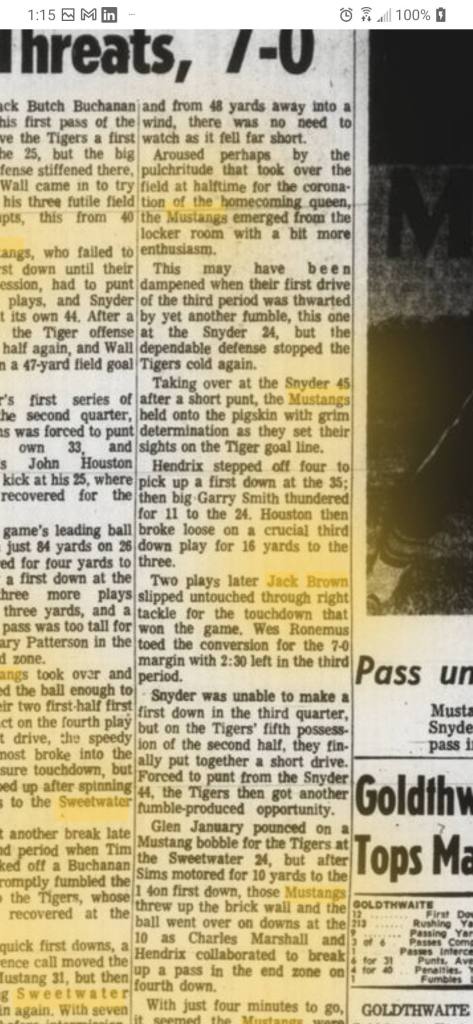
The whispers began to spread like wildfire beyond the West Texas plains, carried on the wind of his incredible performances. Scouts from across the nation took fervent notice, their pens flying across clipboards. And by 1970, those whispers had swelled into a thunderous roar heard from coast to coast: Jack Brown, the indomitable pride of Sweetwater, was ranked a staggering 12th in the entire USA among fullbacks! Just imagine that for a moment – out of all the countless, incredible high school athletes across this vast country, our Jack, your very own brother, stood tall among the absolute elite, recognized as one of the very best to ever carry the pigskin. This wasn’t just a local triumph; it was a national validation of his extraordinary skill, his relentless dedication, and his sheer, undeniable greatness.
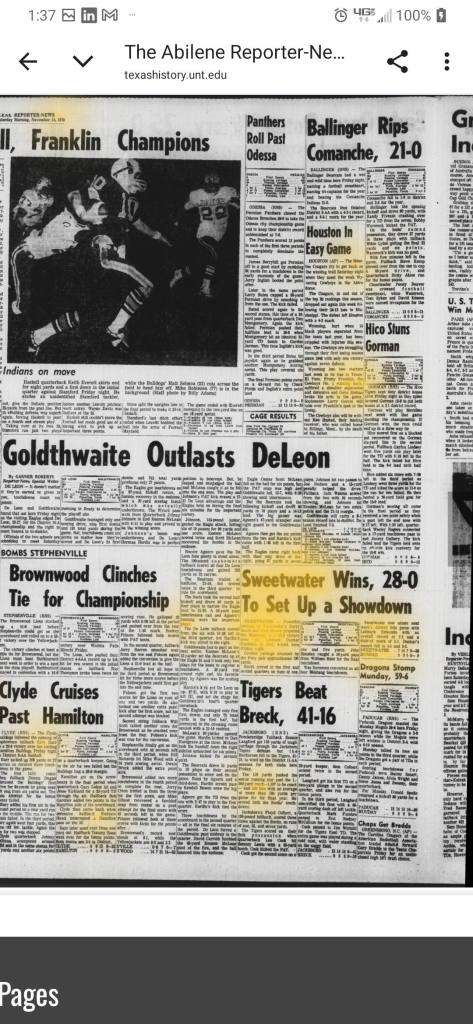
Every time Jack stepped onto that vibrant green field, he carried the hopes, the dreams, and the unwavering spirit of Sweetwater on his broad, powerful shoulders. And he never, ever disappointed. His earth-shaking power runs, his dazzling game-breaking scampers, his unyielding ability to grind out those crucial tough yards when the team needed them most – these were the indelible hallmarks of a truly special, once-in-a-generation player. He wasn’t just scoring touchdowns; he was igniting a community, building a cherished legacy, and embodying the true, defiant spirit of a champion. When the game hung in the balance, it was often Jack Brown, exploding through defenses, who delivered the decisive blow, snatching victory from the jaws of defeat by that precious single score.
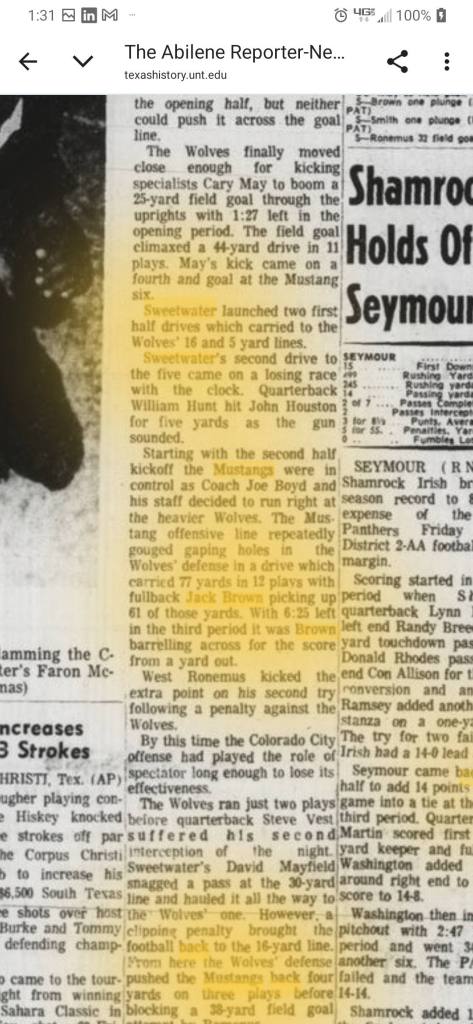
Jack Brown’s time with the Sweetwater Mustangs was far more than just a couple of seasons of football; it was an indelible era of pure, unadulterated excellence. An era defined by indomitable heart, unyielding grit, and the earth-shattering impact of “Thunderfoot” himself. The cherished memories of those years, of Jack’s awe-inspiring runs and his unyielding, lionhearted spirit, remain as vibrant and powerful today as they were when he first donned that iconic Mustangs jersey. He was, is, and always will be, an absolute, undisputed legend.
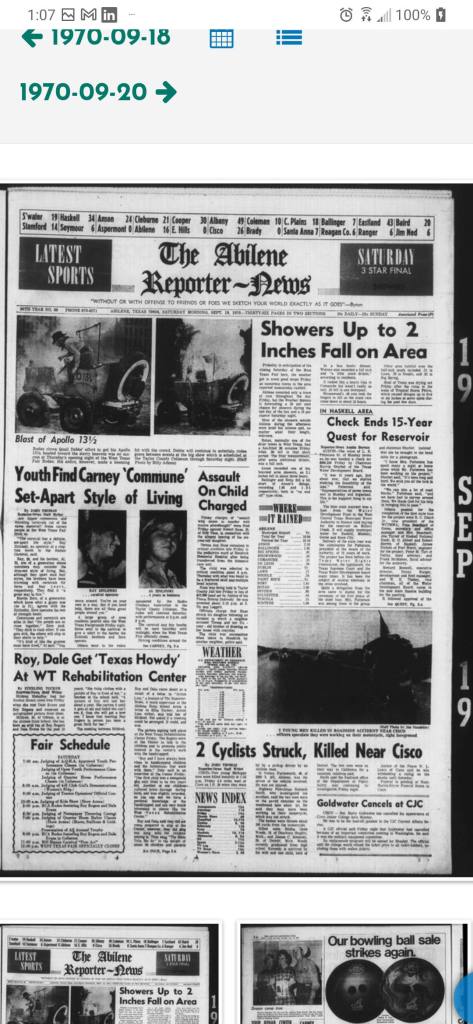
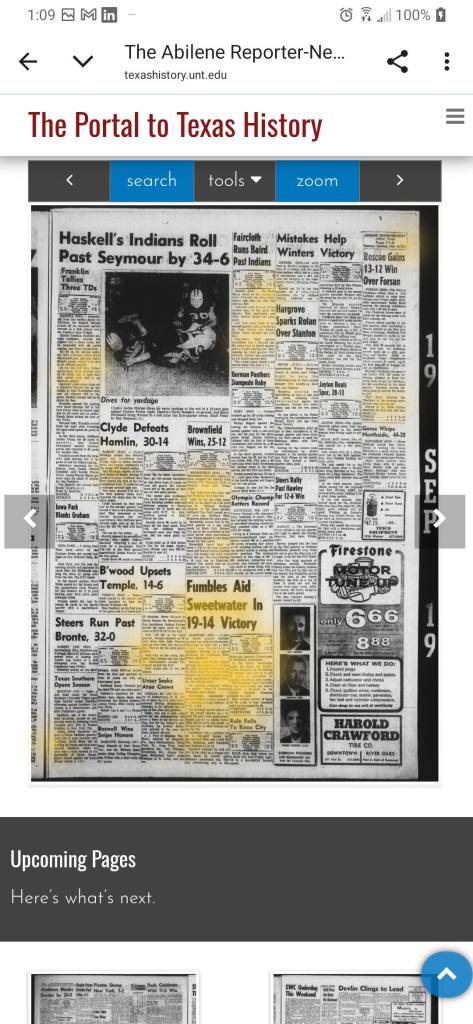
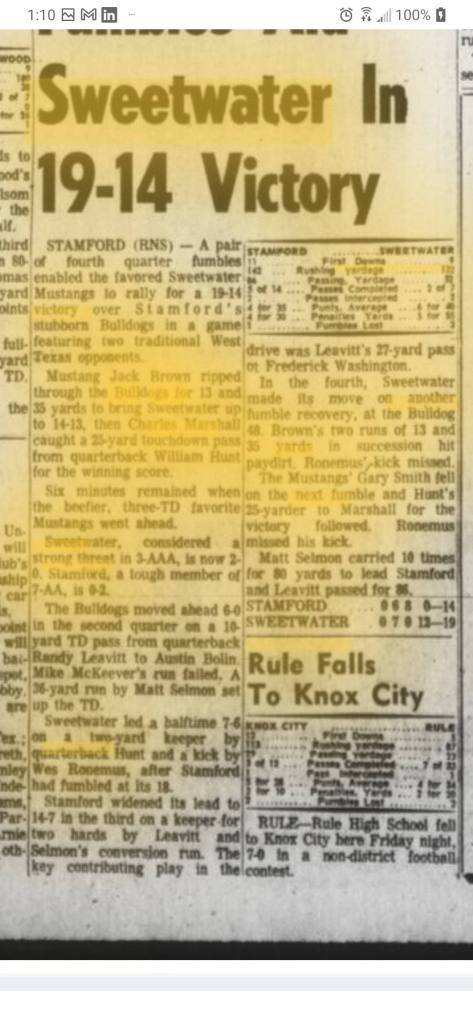
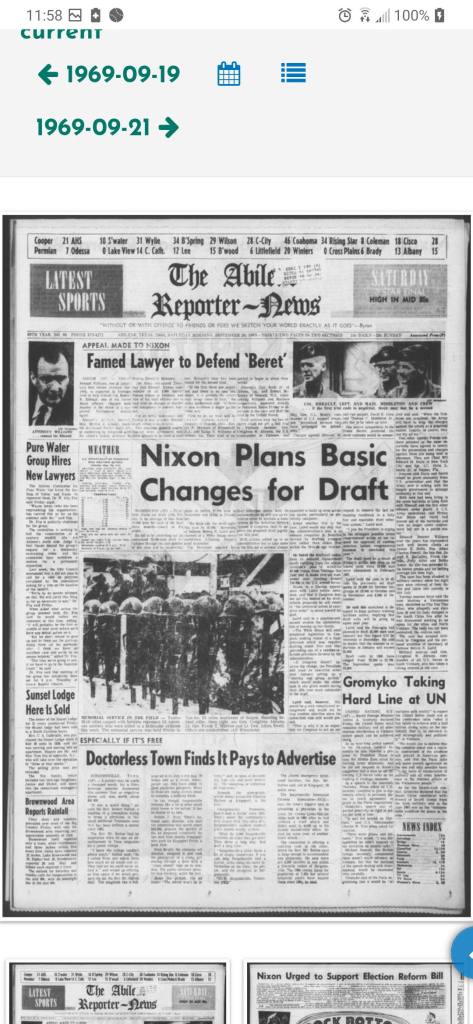
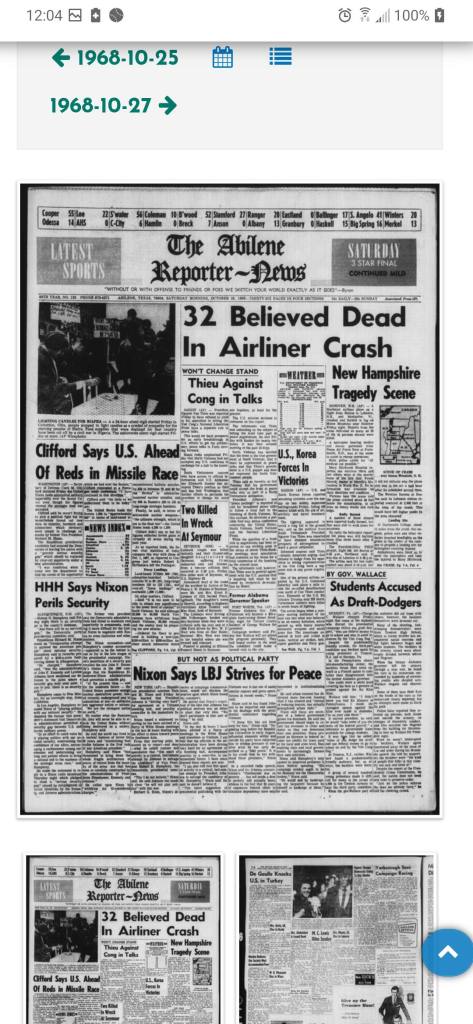
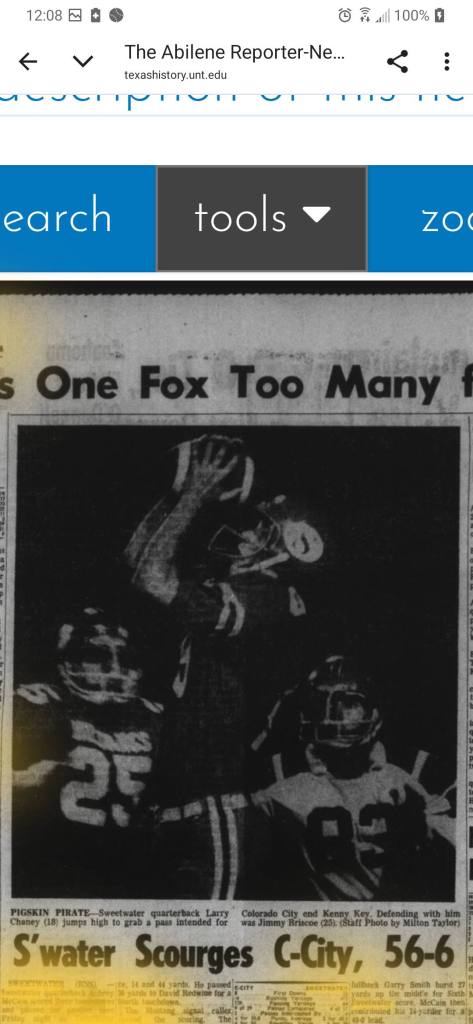
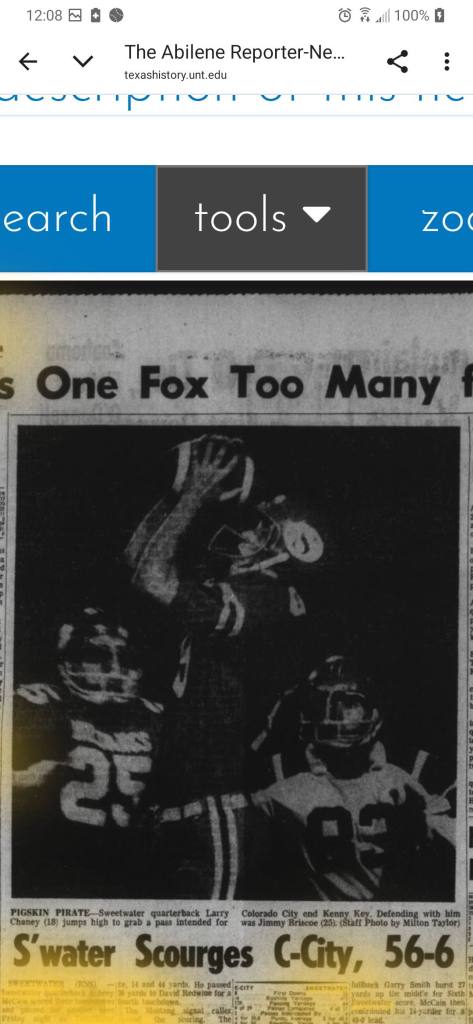
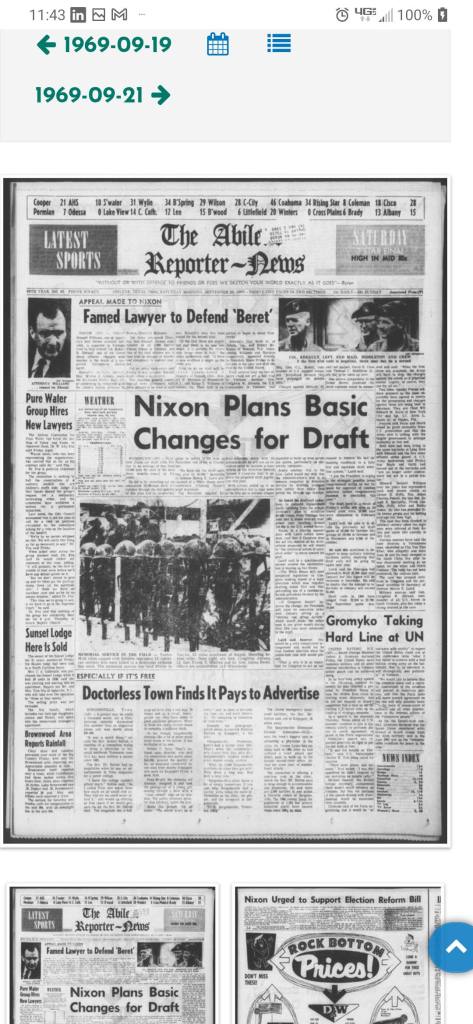
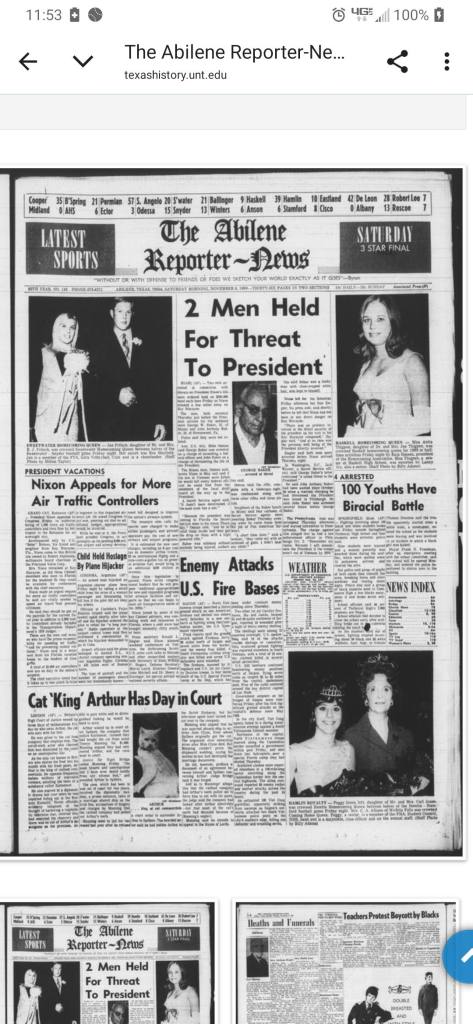
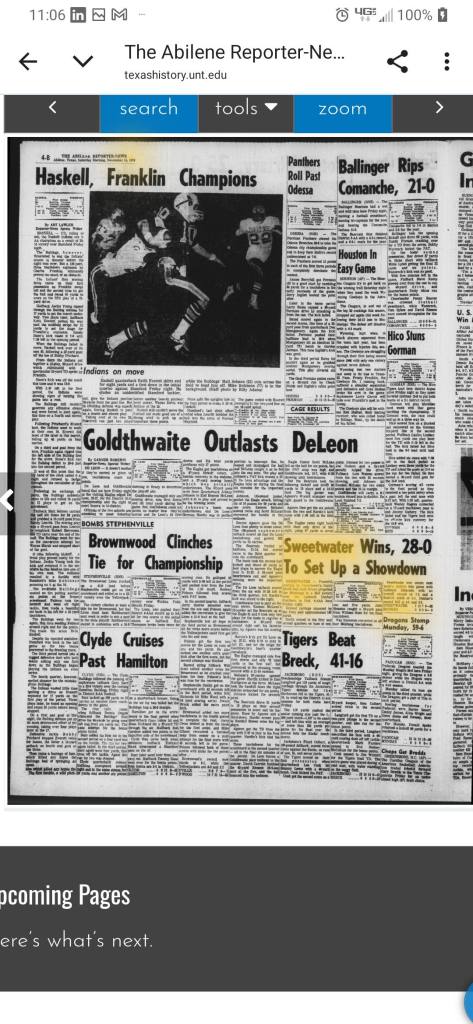
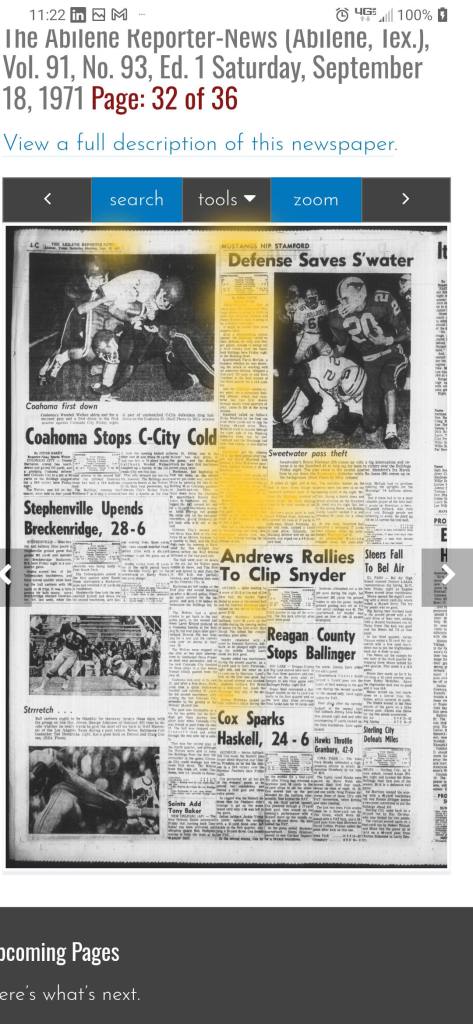
Here are “screenshots” in The Texas History Portal of the 1969 and 1970 ABILENE TEXAS REPORTER NEWSPAPER


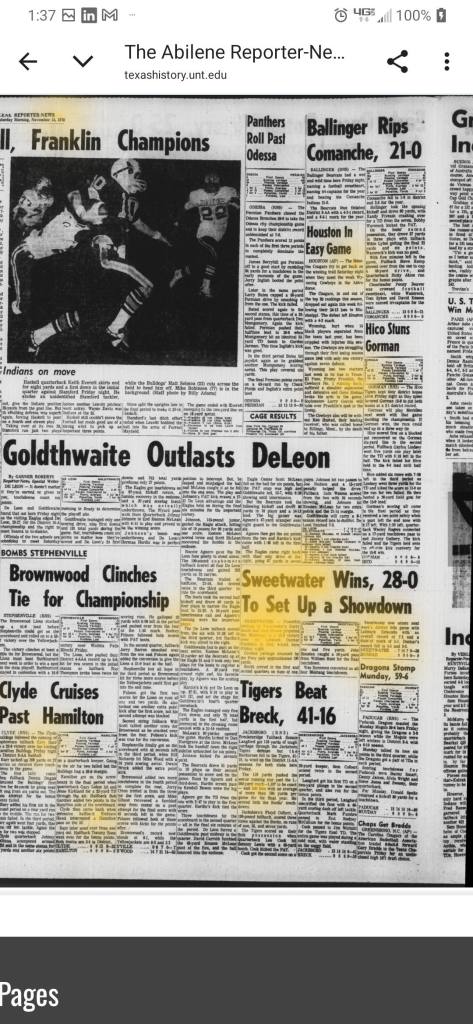
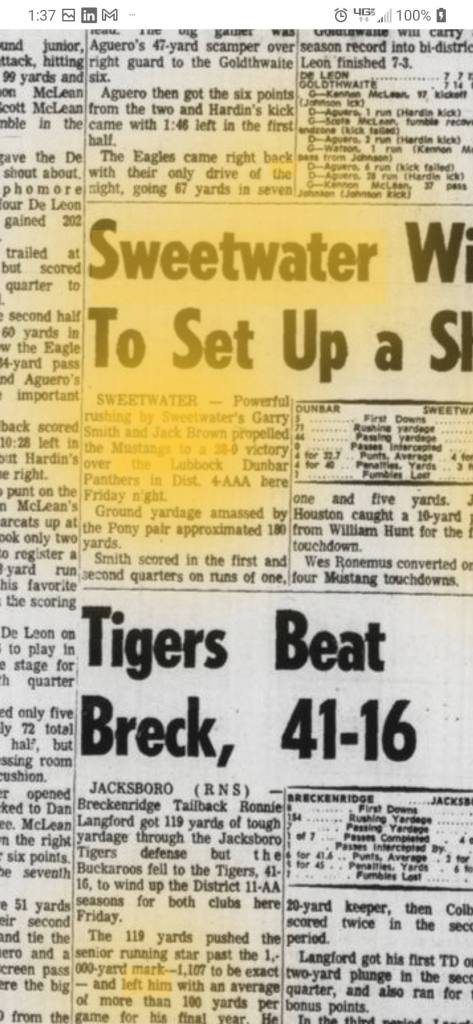
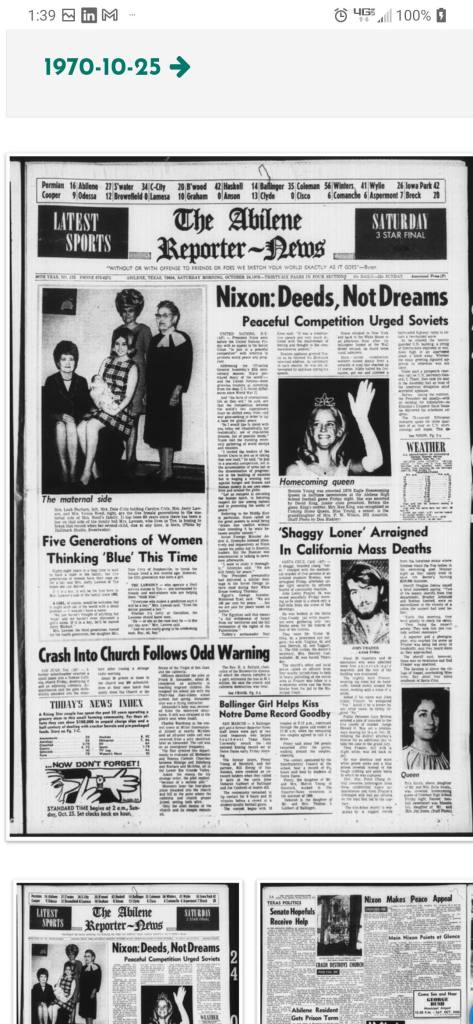
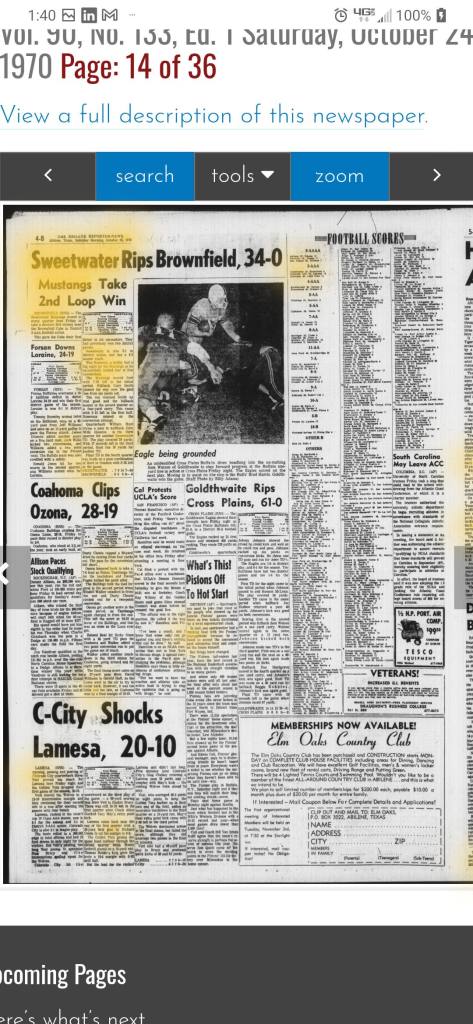
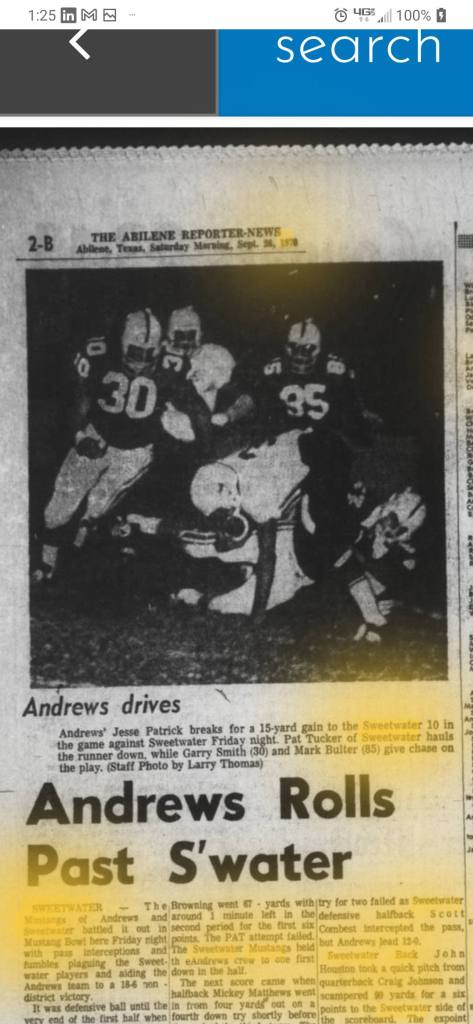
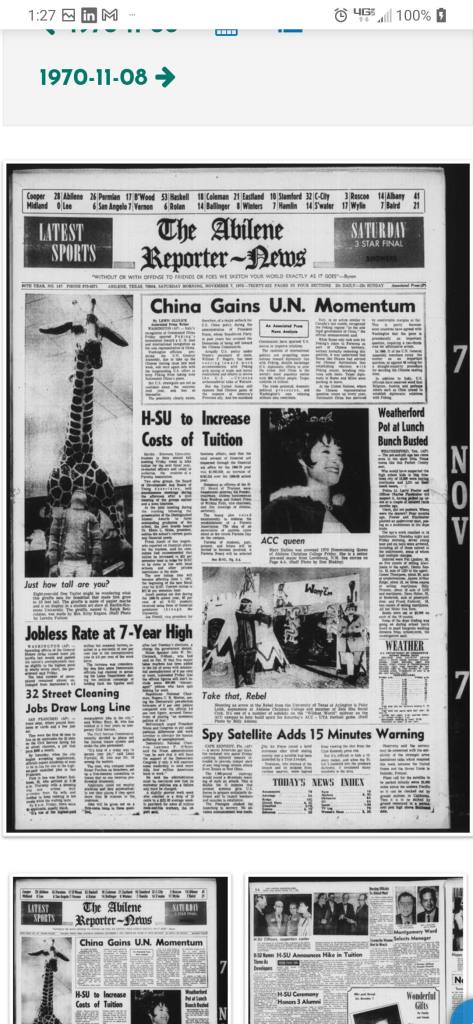

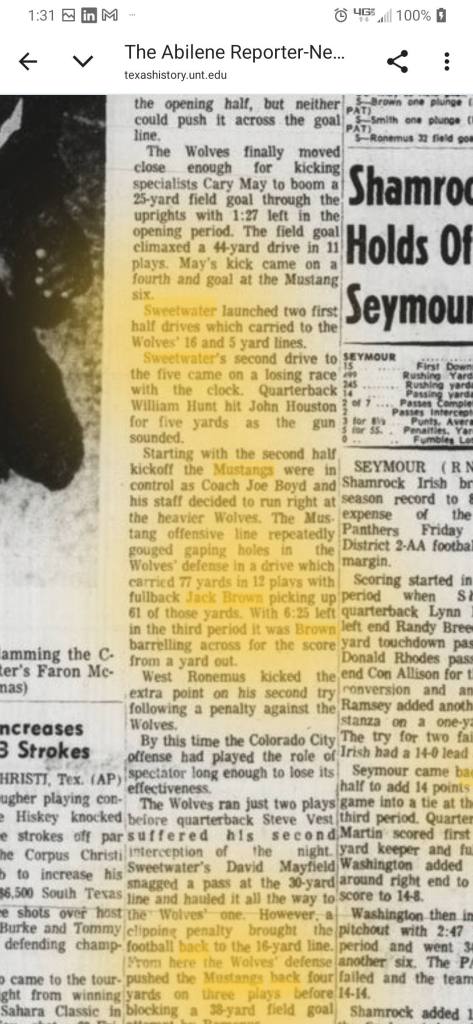

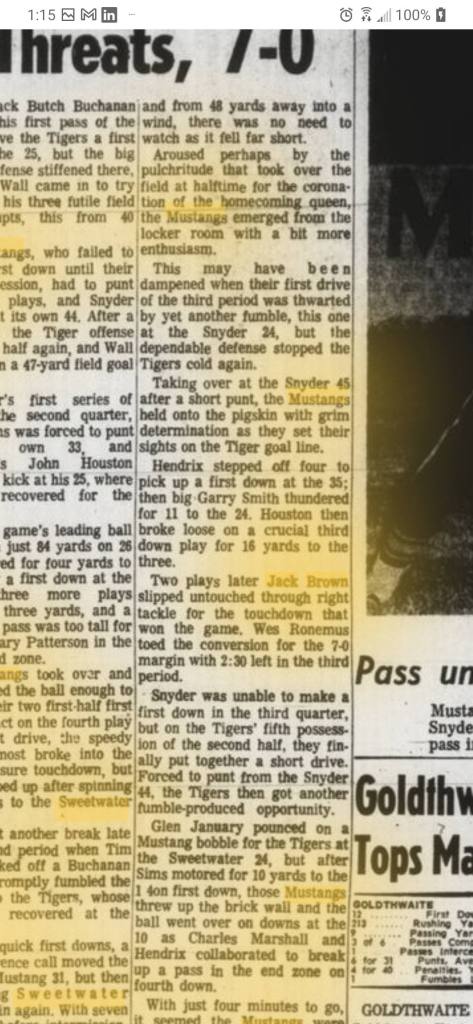


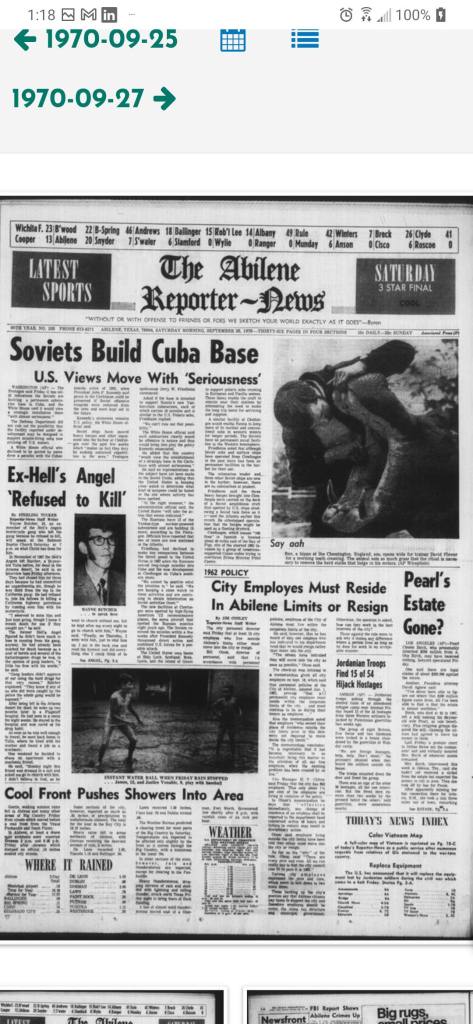

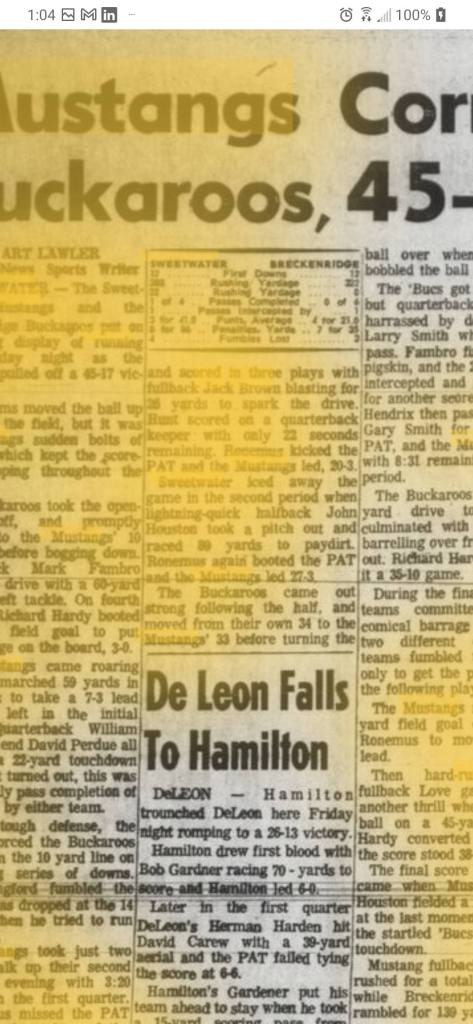

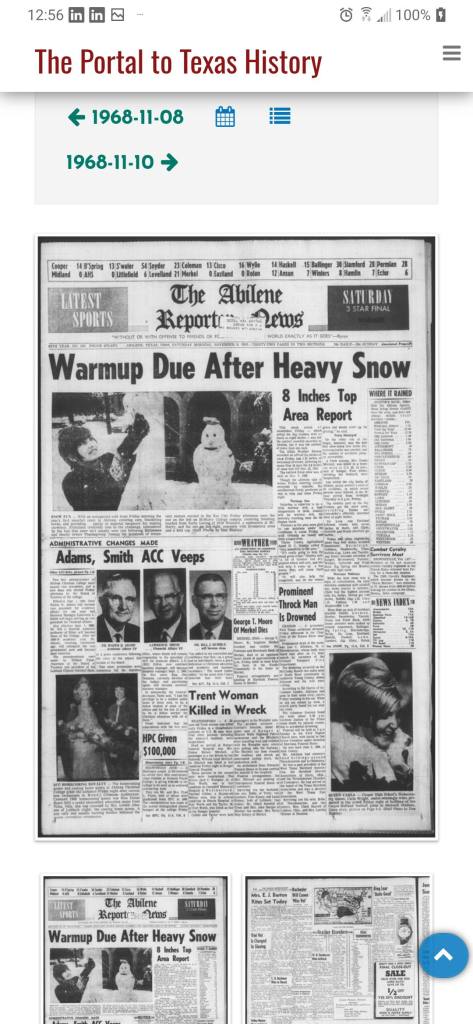

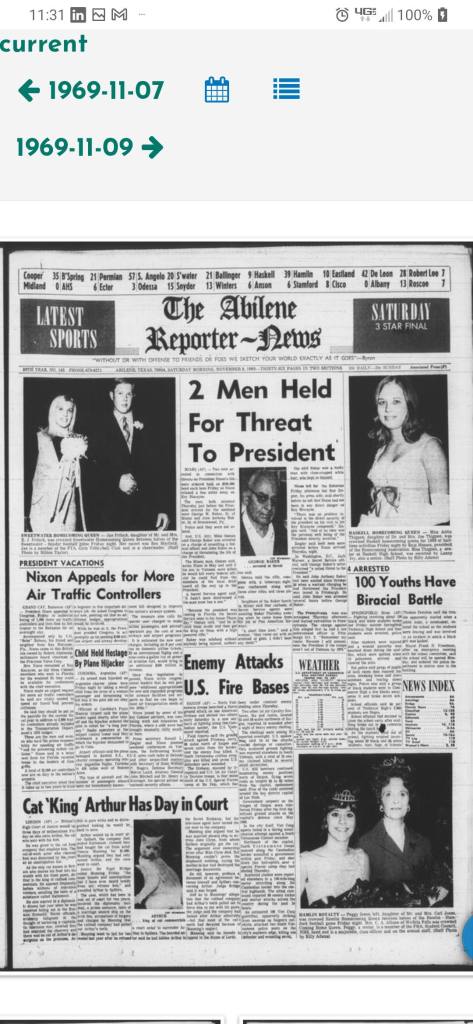
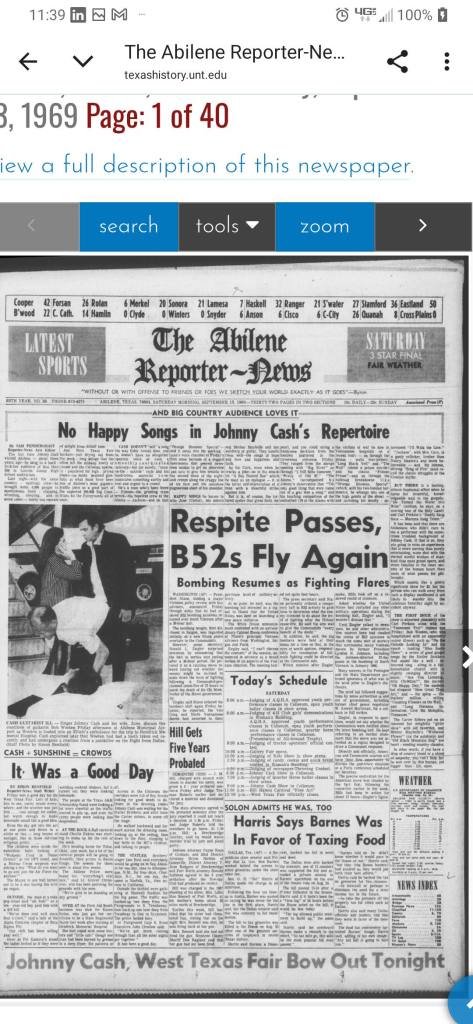
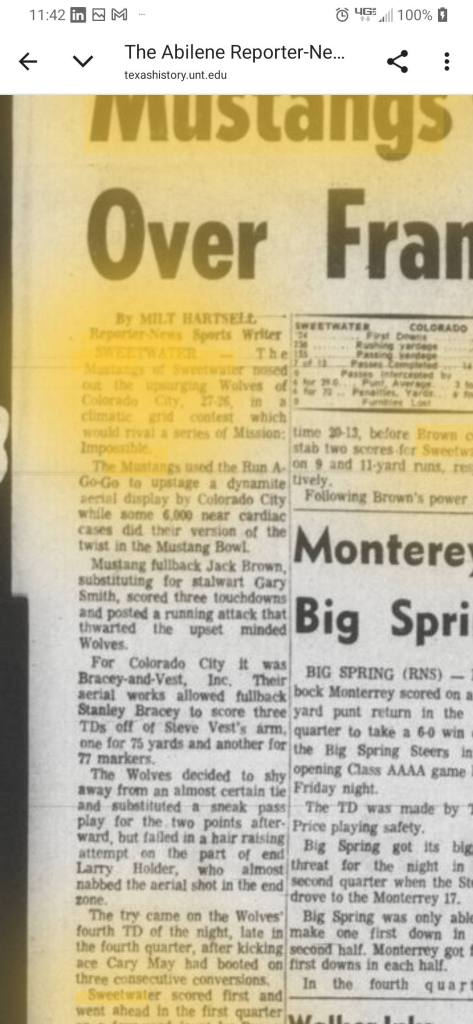


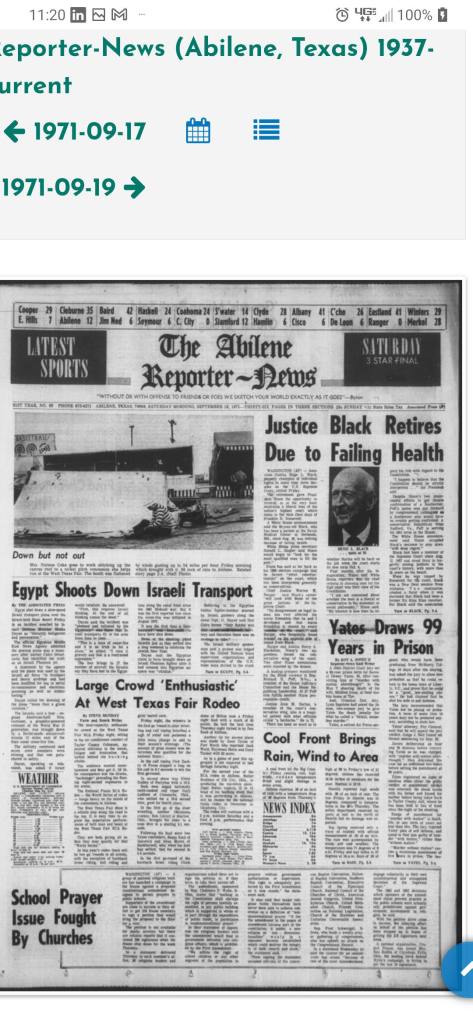
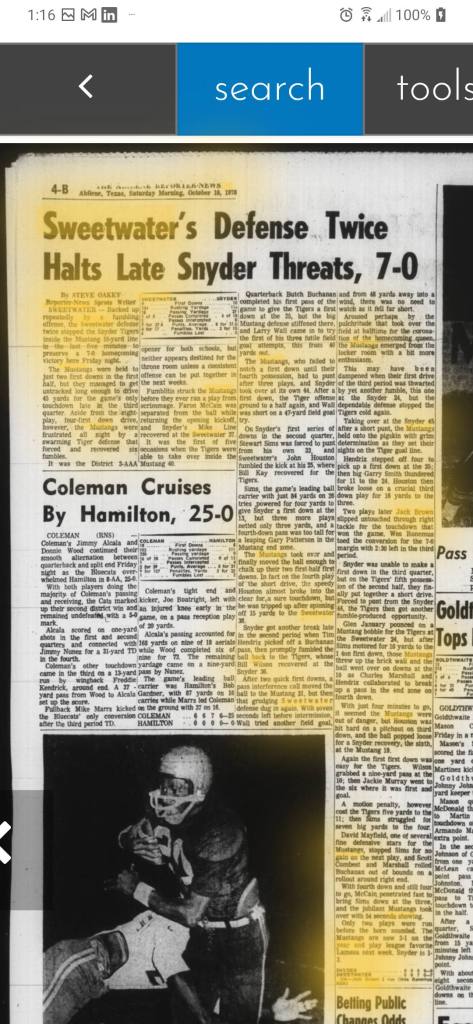
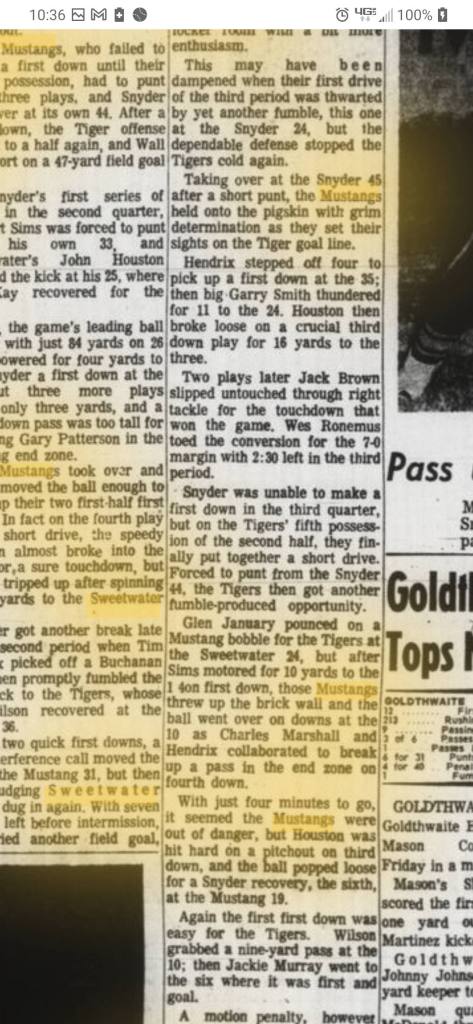

TEXAS FRIDAY NIGHT LIGHTS!

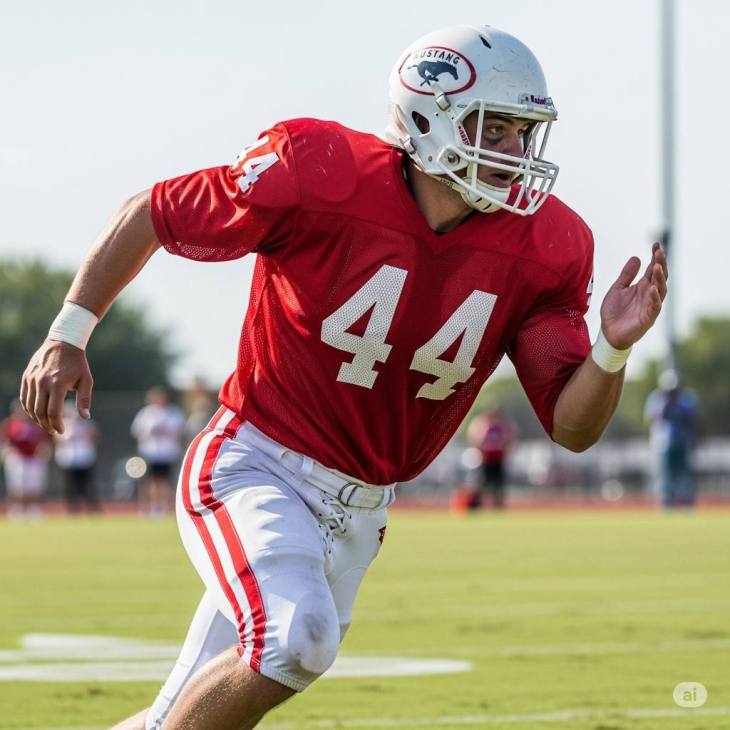
1970 Sweetwater Texas Mustangs Football Player
I. Introduction: Capturing the Spirit of 1970s Sweetwater Texas High School Football
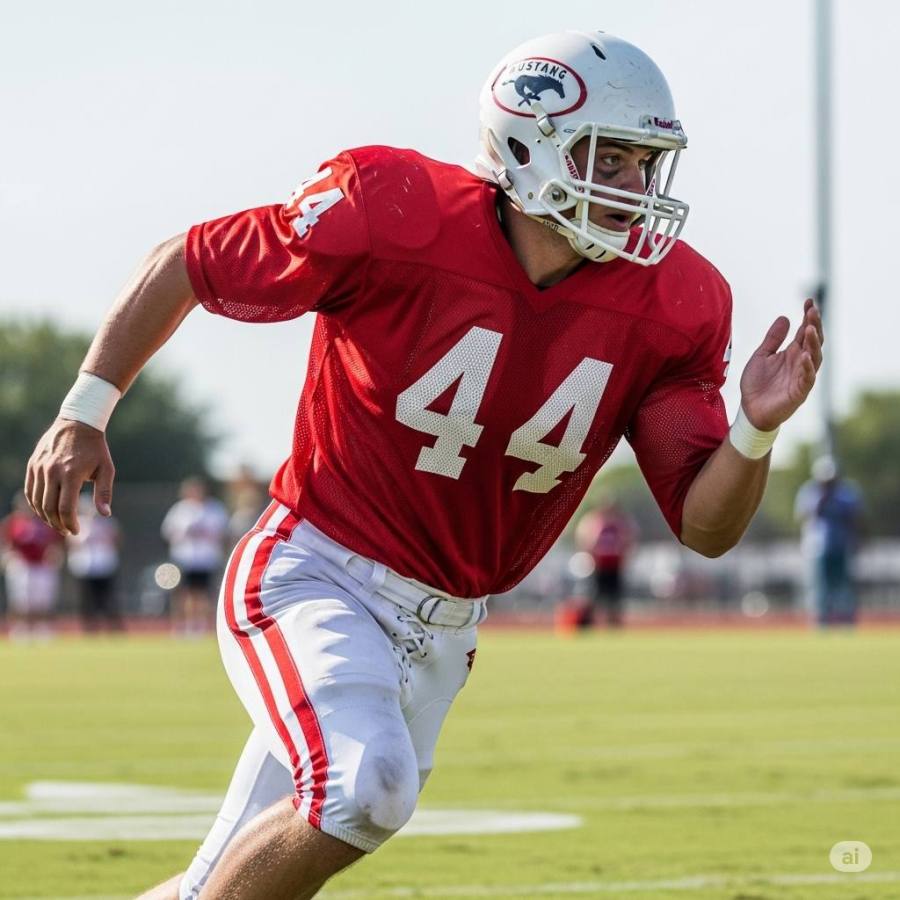
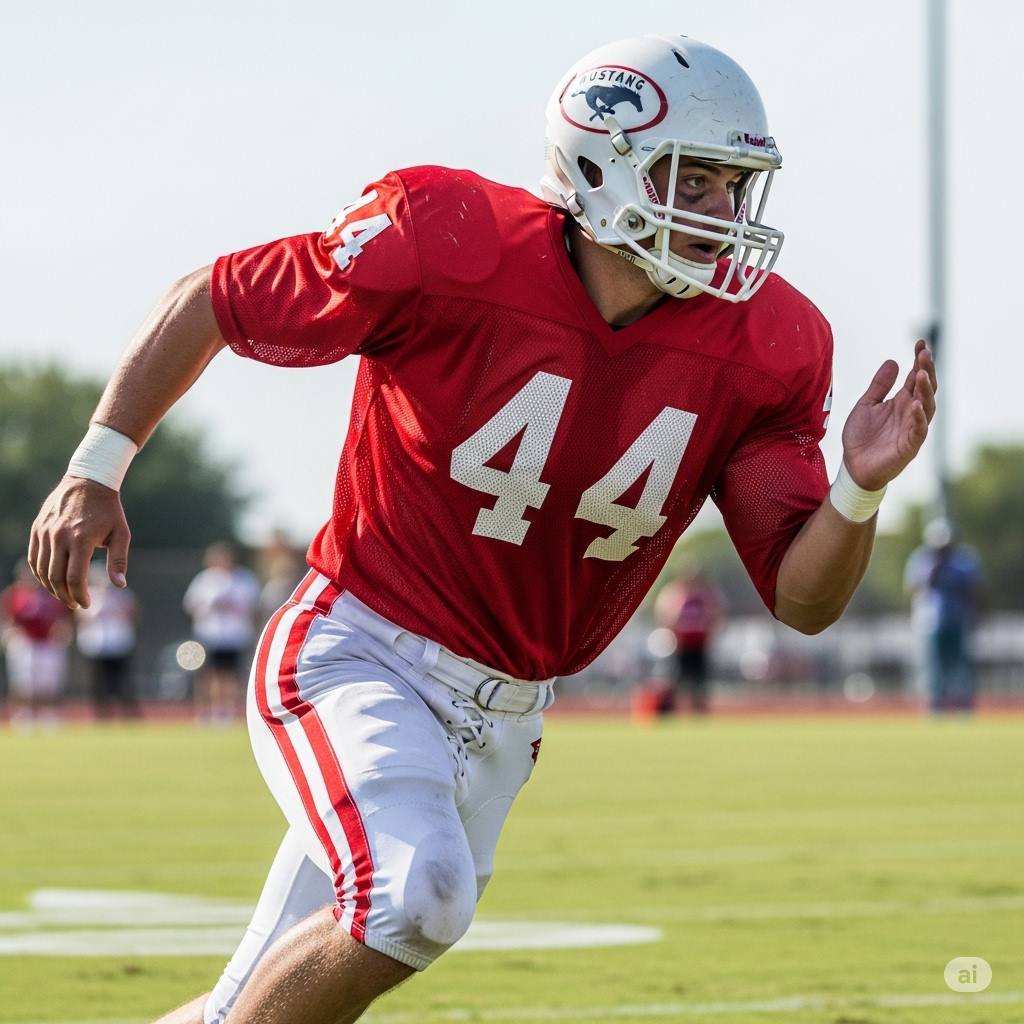
Jack Brown, a true Friday Night Hero for Sweetwater Texas. Fullback No. 44
The objective of this report is to provide a highly detailed and historically accurate visual brief for an artist or designer tasked with creating an image of a 1970 Sweetwater Texas Mustangs Football player. This depiction will emphasize specific physical and uniform details, as well as an action pose, all grounded in a reconstruction of the visual identity of the era and team.
Sweetwater, Texas, holds a significant place in the history of Texas football, largely centered around the iconic Mustang Bowl. Constructed in 1939, this stadium has served as a vital community gathering place and stands as a testament to the town’s enduring football tradition. The region has also produced notable NFL figures such as Sammy Baugh and Clyde “Bulldog” Turner, further solidifying Sweetwater’s rich football heritage. This strong local identity, particularly the “Mustang” moniker, would have been deeply ingrained in the team’s visual representation, extending beyond mere nomenclature to influence the team’s aesthetic. The year 1970 itself was a landmark period for Texas high school football, marked by the official merger of the Prairie View Interscholastic League (PVIL) with the University Interscholastic League (UIL). This historical context is essential for understanding the specific era of the requested depiction.
The consistent reference to “Sweetwater Texas Mustangs Football player” and the explicit request for a “Mustang decal on side of helmet” underscore that the “Mustang” identity was not merely a name but a deeply integrated and visually prominent aspect of the team’s brand. The local landmark “Mustang Bowl” further reinforces this, featuring a “Mustang statue” and “painted-on horseshoes” at its entrance. This convergence of evidence strongly indicates that the team’s identity was pervasive and visually central. Furthermore, the Ford Mustang automobile, with its culturally iconic galloping horse emblem, was highly popular during the 1970s, and its logo underwent specific stylistic changes in that decade. It is a reasonable inference that a high school team named the “Mustangs” would draw visual inspiration from such a widely recognized and powerful symbol of freedom and strength. Therefore, understanding the evolution of the Ford Mustang logo in the 1970s becomes an important, indirect source for accurately depicting the Sweetwater Mustangs’ helmet decal, particularly in the absence of direct historical images of their specific high school logo from that year.
While general 1970s national football uniform trends provide a foundational understanding, high school football in Texas carries a unique cultural significance that often manifests in specific stylistic nuances. The Texas Tech Red Raiders’ throwback uniforms, designed to replicate their early 1970s aesthetic, offer a valuable direct reference for collegiate and high school uniform elements within the state of Texas. Details such as a “wide triple stripe on the pants” suggest regional design preferences that could plausibly extend to other Texas high school teams, including Sweetwater. This highlights that to achieve maximum authenticity, the depiction should consider not only national trends but also potential regional stylistic characteristics that define Texas high school football.
II. The Player: Physique and Demeanor
The player to be depicted should embody the physical characteristics typical of a 1970s football athlete. In contrast to the leaner, more “ectomorphic” builds prevalent in modern football, players in the 1970s were predominantly characterized by a “muscular, mesomorphic” body type. This means the player should be depicted with a robust, powerful, and substantial physique. This mesomorphic build was not merely an aesthetic choice but a functional adaptation to the prevailing playing conditions of the era. Fields were often described as “mud baths,” becoming “heavy and soggy,” which necessitated bulkier and stronger players capable of navigating such challenging terrain. This observation reveals a clear cause-and-effect relationship between the playing environment and player physiology. Their musculature was not solely for aesthetic appeal but was a practical necessity for effective performance on less-than-ideal playing surfaces. Therefore, the depiction of musculature should convey functional strength and power, suggesting an athlete built for grinding, physical play rather than just sculpted definition.
While average player height remained relatively consistent, there was a general trend of increasing body mass across positions since 1972, with offensive linemen, for example, gaining over 30 kg (66 lbs) on average. This further reinforces the notion of a larger, more powerful player. The player, specified as “white” in the query, should reflect the typical racial demographics of Texas high school football at the time.
The query specifies a “muscular” player who is “running.” This aligns well with the “power back” archetype prevalent in 1970s football. These were “bigger, stronger players who can break through tackles using brute strength and raw power,” typically running “straight ahead (or ‘North-and-South’ in football terminology) rather than dodging to the outside edges”. This classification is crucial because it informs not only the player’s physique but also the most appropriate running style and pose. The player’s physical attributes and typical role on the field in that era suggest a powerful, direct forward momentum rather than quick, shifty, or lateral movements. Prominent examples of such players from the era include Jim Brown, Earl Campbell, John Riggins, and Larry Csonka. While explicit details on facial expressions are not provided, the description of a “muscular” physique and a “running” action implies a focused, determined, and intense demeanor. The overall visual should convey the raw athleticism, toughness, and physical commitment characteristic of football players from this period.
III. The Uniform: Authentic 1970s Details
The uniform elements—jersey, pants, and helmet—require specific attention to their 1970s style, fit, and material to ensure historical accuracy.
Jersey (Red, #44)
In contrast to the form-fitting jerseys of today, 1970s football jerseys were notably “much looser especially around the abdominal region” and generally described as “big and loose”. Sleeves were longer, typically extending closer to the elbow, and necklines were commonly circular, resembling a t-shirt collar. Common materials for 1970s jerseys included mesh, nylon, and cotton blends. These materials were chosen for their durability and breathability, appropriate for the athletic demands of the era. The jersey is specified as red, and research confirms the existence of vintage 1970s red football jerseys, including high school examples.
The rendering of the number “44” on the jersey is a key explicit requirement. The overriding principle for jersey numbers in the 1970s was “clarity and readability,” with less emphasis on ostentatiousness. This pragmatic design choice was driven by the need for officials, spectators, and media to easily identify players. Two primary and distinct styles were prevalent: the ‘lines’ motif, where numbers were formed using lines rather than solid shapes, with variations that could be squarer with thicker, more spaced-out lines (as seen on Argentina’s 1978 World Cup jerseys) ; and the ‘3D block’ style, which was widely recognized and considered a “game-changer” for its modern yet enduring appearance, described as “brilliantly current without quickly becoming outdated” (worn by West Germany from 1974-1998). A less common but distinctive third style featured numbers with “corners cut off at 45-degree angles” and “hollowed-out middles” (e.g., Italy’s 1978 World Cup jerseys). Some teams were adopting “ridiculously large numbers” to achieve “sharpness and originality” , suggesting the number “44” could be quite prominent in size. The “3D block” font being described as a “game-changer” suggests it was both innovative and highly functional in achieving this readability. This implies that the number “44” should be rendered in a clear, bold, and easily discernible style, likely a block font, rather than overly stylized or thin script, reflecting the practical design philosophy of the era.
A notable contrast exists between general 1970s fashion, which was characterized by a silhouette that was “tight on top and loose at the bottom” , and football jerseys, which were explicitly described as “big and loose”. This highlights that the functional requirements of athletic wear, such as accommodating protective padding and allowing for unrestricted movement, took precedence over prevailing fashion trends.
1970s football pants frequently featured a “lace-up front & belt closure”. The fit would have been athletic but generally looser than the highly tailored, compression-style pants of today. Reinforced knee padding was a standard feature. A significant advancement in the mid-1960s was the replacement of cotton padding with “rubber foam” for improved lightness, shock absorption, and better heat insulation. Hard pads were often sewn directly into the thigh area. Nylon became the standard material for football pants, facilitating the use of distinguishing team colors. Cotton and nylon blends were also utilized. The pants are specified as white. While specific Sweetwater pants details are not available, Texas Tech’s 1970s throwback uniforms featured white pants with a “wide triple stripe”. This detail could be a plausible and authentic addition for a Texas high school team from the era. The shift in padding materials from leather to plastic for shoulder pads and cotton to rubber foam for pants indicates a significant technological evolution driven by the need for improved protection, lighter weight, and better heat management. While the external appearance of the pants might not have drastically changed , these internal advancements influenced player comfort and performance. The widespread adoption of nylon for both jerseys and pants suggests a move towards more uniform, durable, and easily colored synthetic fabrics, contributing to a distinct 1970s athletic aesthetic. This implies the uniform, while appearing “vintage,” was built with the most advanced functional improvements available at the time.
Table 1: 1970s Football Uniform Visual Attributes
This table provides a concise summary of the key visual elements of the uniform, integrating material, fit, and specific features. It serves as a rapid reference guide for the artist, ensuring all components align with the authentic 1970s aesthetic.
| Component | Style/Fit (1970s) | Material | Key Features | Notes |
|—|—|—|—|—|
| Jersey | Loose, especially around the abdominal region; “big and loose” compared to modern tailored jerseys. Longer sleeves (near elbow). Circular collar. | Mesh, Nylon, Cotton Blend | Red color with large, clear number “44” (User Query). Font likely “3D block” or “lines” motif for clarity. | The loose fit directly contradicts general 1970s fashion of “tight on top” due to athletic functionality. |
| Pants | Athletic fit, generally looser than modern compression pants. Often featured a “lace-up front & belt closure”. | Nylon (standard), Cotton/Nylon Blend | White color (User Query). Reinforced knee padding. Rubber foam padding in thigh area. Could feature a “wide triple stripe”. | Padding evolved from cotton to rubber foam for better protection and less heat retention. |
| Helmet | Classic flared shell shape and size. White shell. | Hard plastic shell. | White facemask. Machine-sewn leather jaw pads, riveted cloth suspension. Mustang decal on side (User Query). | White helmets with various stripes/logos were common in the 70s. |
Table 2: 1970s Jersey Number Font Characteristics (for “44”)
This table specifically addresses the rendering of the “44” on the jersey, which is a key explicit requirement of the user query. By detailing the most common and distinctive 1970s football number fonts, it provides concrete options and their distinguishing features, enabling the artist to select a historically accurate and visually appropriate style.
| Font Style | Description | Readability/Clarity | Example Reference |
|—|—|—|—|
| ‘Lines’ Motif | Numerical forms depicted using lines rather than solid shapes. Can be squarer with thicker, more spaced-out lines. | Good; bold enough to be seen clearly. | Argentina (1978 World Cup opening match) |
| ‘3D Block’ | Solid, blocky numbers with a three-dimensional effect. Widely recognized and enduring. | Excellent; considered a “game-changer” for clarity and contemporary look. | West Germany (1974-1998) |
| ‘Gridiron’ Twist | Numbers with corners cut off at 45-degree angles and hollowed-out middles. Unique and distinctive. | Crystal clear, beautifully proportioned. | Italy (1978 World Cup) |
IV. The Helmet: White Shell with Mustang Decal
Helmets from this era typically featured a “classic flared shell shape and size” , distinct from modern designs. Internal construction included “machine-sewn leather jaw pads” and a “riveted-in military style patented cloth-suspension,” highlighting the manufacturing techniques of the time. Facemasks were generally vintage wire masks, potentially with plastic clips, or earlier one-bar masks. A white facemask is explicitly mentioned in various 1970s helmet descriptions. The helmet should be a plain white shell, as specified in the query. White shells were indeed common in the 1970s for high school teams (e.g., Big Red helmets in 1973-74).
The “Mustang” decal should represent a horse, embodying the “wild, free spirit of the untamed West”. The iconic Ford Mustang car emblem, a “galloping steed” , serves as a strong and culturally relevant visual reference. The widespread cultural impact and immediate recognition of the Ford Mustang car and its iconic galloping horse emblem make it a highly probable and influential source of inspiration for a high school team named “Mustangs.” This illustrates how popular culture and commercial branding can significantly influence local sports aesthetics and identity. For the specific 1970s period, the “Mustang II insignia” from 1974 is particularly relevant, depicting a “more upright steed with a straighter tail”. This provides a precise stylistic detail for the era. The horse is typically shown in a side view, often running from left to right. While direct images of the Sweetwater Mustangs’ 1970s helmet logo are not provided, high school helmet decals often featured logos contained within an oval or circular shape (e.g., “Big Red” helmets with an oval logo). This “contained” design also aligns with early Ford Mustang emblems that featured a “corral” or ring around the horse. The decals themselves were described as “thin mil decals” and were available in “classic 1 or 2-colors” , suggesting a relatively simple color palette. The query specifies “Mustang decal on side of helmet,” which aligns perfectly with common historical placement; helmet logos were typically placed on “each side” of the helmet. Details about the “classic flared shell shape,” “leather jaw pads,” “cloth-suspension,” and the use of “thin mil decals” provide insight into the functional and manufacturing aspects of 1970s helmets. This suggests that the helmet’s design was robust but also specifically engineered to accommodate the application of decals that conformed to the shell’s curvature without significant distortion. The emphasis on the “toughness” and “durability” of decals implies they were designed to withstand the rigorous impacts of football, which would affect their material composition and how they were applied. This level of detail helps in understanding the physical properties of both the helmet and its decal, contributing to a more accurate visual representation.
V. Action: The Running Pose
The player should be depicted in a dynamic running pose, as explicitly requested. 1970s football featured distinct running back archetypes that inform the appropriate running pose. Given the user’s request for a “muscular” player, the “power back” archetype is highly appropriate and aligns with the mesomorphic body type prevalent in the era. These were “bigger, stronger players who can break through tackles using brute strength and raw power,” typically running “straight ahead (or ‘North-and-South’ in football terminology) rather than dodging to the outside edges”. This distinction between “power backs” and “scat backs” is not merely a classification; it directly informs the most appropriate running pose for a “muscular” player. A player described as muscular would naturally adopt a pose indicative of driving forward, breaking tackles, or running “North-and-South,” consistent with the power back archetype. This means the pose should convey dynamic action and powerful forward momentum, reflecting the player’s strength and determined intent to gain yardage through physical force.
Archival action photos of 1970s NFL running backs such as O.J. Simpson, Floyd Little, and Franco Harris provide excellent visual references for authentic running poses of the era. These images illustrate typical body lean, arm and leg positions, and facial expressions during a powerful run. While modern running advice is not historically accurate for poses, it does highlight concepts like “juking” and “stiff arms” as ways to break tackles. These actions, particularly a stiff arm, could be incorporated to add a dynamic, impactful element to a power running pose, even if the primary motion is forward. The research also highlights that 1970s players were bulkier partly due to playing on “mud baths” pitches. This implies a more rugged, less pristine playing environment compared to modern manicured fields. This environmental factor can subtly influence the depiction of the running pose—it might appear less “clean” or fluid and more gritty, with visible effort, strain, and interaction with the ground, reflecting the challenging conditions. The action should convey a sense of impactful, physical engagement with the field, rather than just graceful motion.
VI. Conclusion: A Visual Synthesis
To accurately depict a 1970 Sweetwater Texas Mustangs football player, the visual representation should synthesize several key historical and stylistic elements. The player should be rendered as a white, muscular, mesomorphic athlete, embodying the raw power and physical robustness characteristic of football players from that specific era. This physique was a functional adaptation to the more demanding playing conditions of the time, such as often-soggy fields.
His uniform will consist of a red jersey, notably loose-fitting around the torso with longer sleeves extending to the elbow and a circular collar, reflecting the athletic wear design of the period. The jersey material should be mesh or nylon, chosen for durability and breathability. The number “44” will be prominently displayed in a bold, clear font, most appropriately a “3D block” style, which was highly favored for its readability and modern appearance in the 1970s.
The white pants will feature a traditional lace-up front and belt closure, with visible reinforced knee and thigh padding, likely made of rubber foam for improved protection. To enhance the authentic Texas high school aesthetic, a “wide triple stripe” could be incorporated down the side of the pants, drawing inspiration from contemporary Texas collegiate uniforms.
The white helmet will possess a classic flared shell shape and a white facemask, consistent with 1970s designs. A “Mustang” decal will be prominently placed on the side. This decal should depict a galloping horse, referencing the 1974 Ford Mustang II insignia, which featured a more upright steed with a straighter tail. This design choice leverages the cultural impact of the iconic automotive emblem to inform the high school team’s visual identity. The decal would likely be contained within an oval or circular shape, reflecting common high school helmet logo designs of the era, and executed in a classic one or two-color palette.
Finally, the player will be captured in a dynamic running pose, emphasizing powerful, forward momentum and strength. This action aligns with the “power back” archetype common for muscular players in the 1970s, suggesting a drive through contact or a strong stride downfield. The pose should subtly convey the ruggedness of play on the less-than-pristine fields of the time, reflecting physical effort and engagement with the ground.
Attention to the specific fit and material details of the uniform, as well as the distinct number font and helmet logo styles, will be crucial. Incorporating the regional Texas aesthetic, where appropriate, will further enhance the historical authenticity. These layered details will ensure a historically accurate and visually compelling representation of a 1970 Sweetwater Texas Mustangs football player.
 thelivingbreathingjamesbrown.com
You must be logged in to post a comment.