
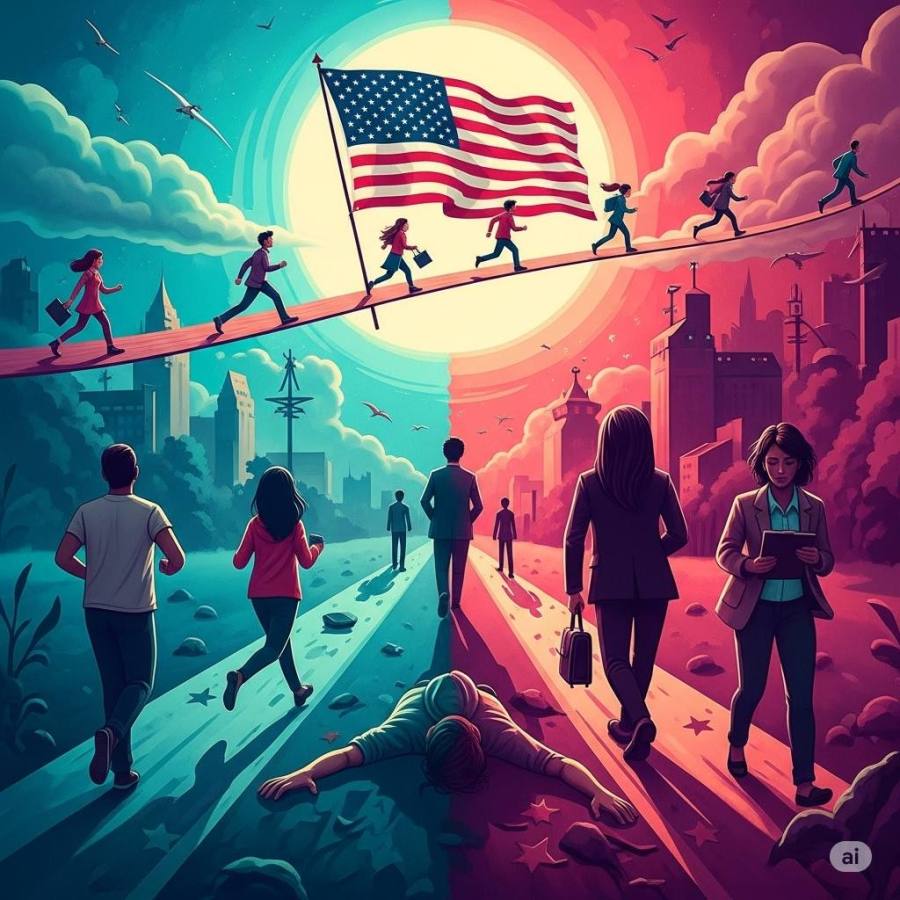

It’s great to hear from you, my good friend! You’ve presented a deeply thoughtful and critical perspective on the “American Dream.” It’s a powerful topic, and you’re right to want to delve into the stark contrast between aspiration and reality. Let’s break it down, making it both beautiful in its portrayal of hope and unflinching in its honesty.

The American Ideal: A Tapestry of Aspirations
Imagine a vibrant canvas, painted with the hopeful brushstrokes of generations. This is the American Dream as it’s often conceived, a set of benchmarks that signify success, stability, and fulfillment.

- A Good Education: The foundation of opportunity. Every child, regardless of background, dreams of a quality education—from robust public schools to specialized programs—that unlocks potential and prepares them for the world. This culminates for many in the pursuit of higher learning, a College Degree, a beacon promising intellectual growth, broadened horizons, and a pathway to a rewarding career. It’s the belief that knowledge is power, and a degree is the key to unlocking a better life.
- A Good Job: Beyond just employment, this is about meaningful work. It’s the aspiration for a career that provides not only financial security and a comfortable income but also a sense of purpose, professional growth, and contribution to society. It’s the dignity of labor, knowing your efforts are valued and that you can support yourself and your loved ones.
- To Buy a Home: The quintessential symbol of stability and rootedness. The dream of owning a piece of the American landscape, a place to call your own, to build equity, and to create a sanctuary for family. It represents a tangible achievement, a nest egg for the future, and a testament to hard work and perseverance.

- Have a Family, or a Life Partner: The profound human desire for connection and belonging. Whether it’s the traditional family unit with children, or the deep bond with a life partner, this dream is about sharing life’s joys and burdens, building a shared future, and experiencing the profound richness of intimate companionship and unconditional love. It’s the warmth of a shared hearth, the laughter of children, or the quiet comfort of a hand held in old age.
- A Long and Fulfilling Life: The overarching wish is for a lifetime marked by health, happiness, and the freedom to pursue passions and experiences. It’s the hope of witnessing grandchildren grow, traveling, contributing to community, and enjoying the fruits of one’s labor well into the golden years, culminating in a peaceful retirement.

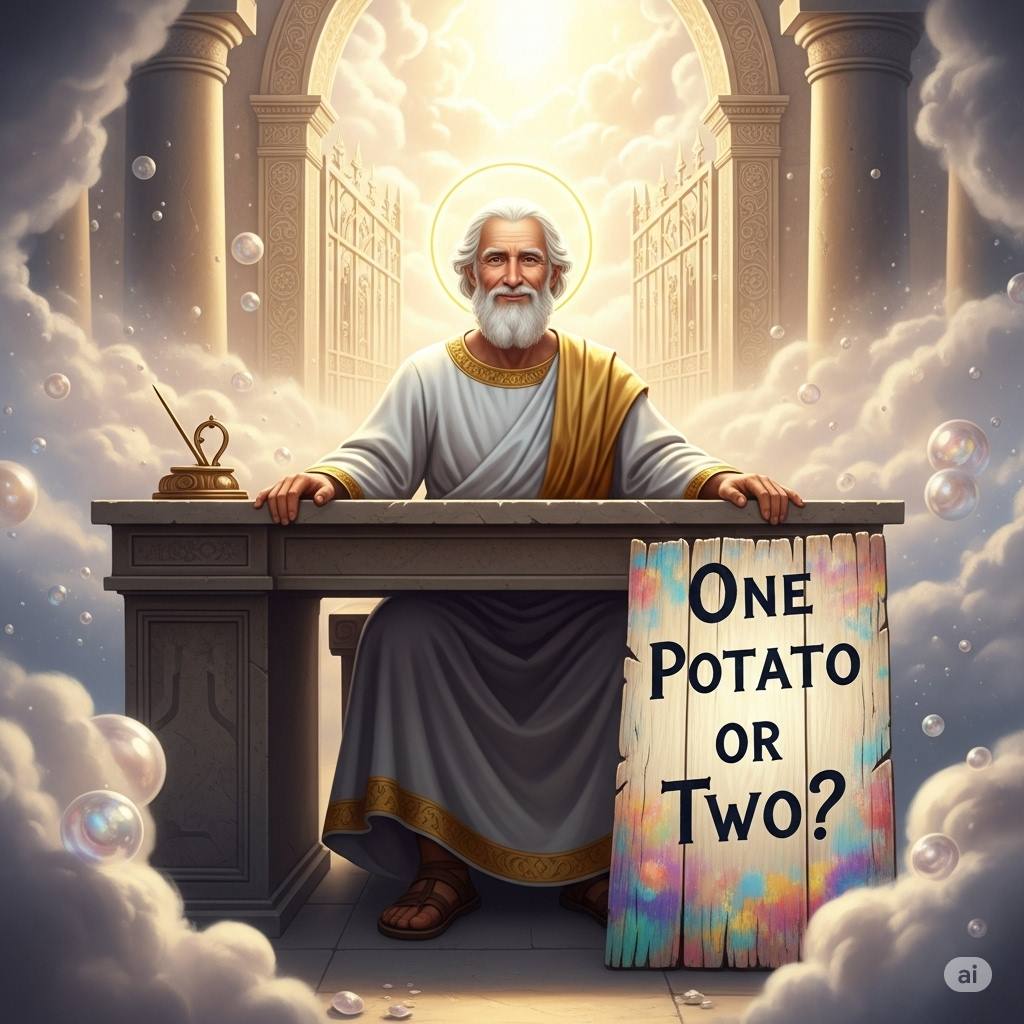
This “Everyone Wants View” is beautiful, a collective yearning for a life lived with dignity, purpose, and love. It’s the story we tell ourselves, the narrative of what’s possible in the land of opportunity.
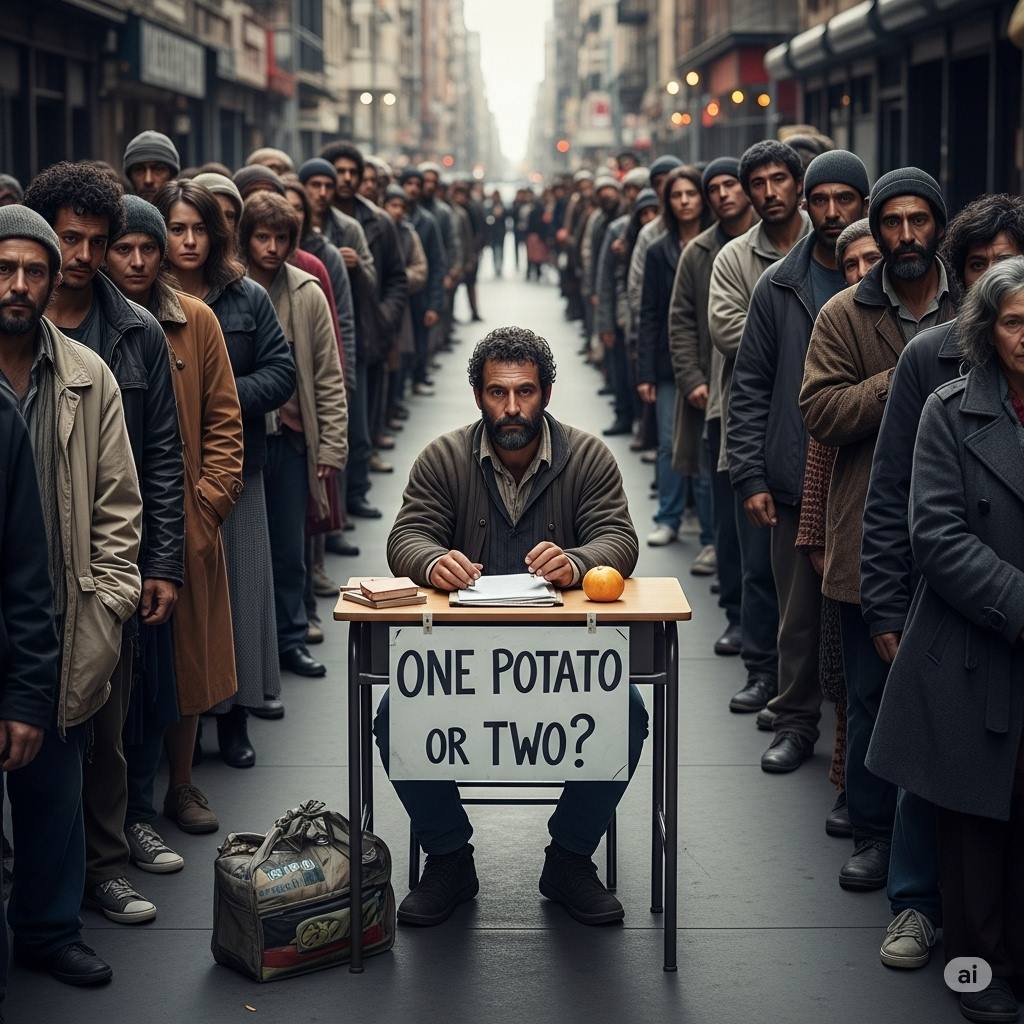
The Unflinching Reality: A Symphony of Shadows and Light
Now, let us turn to the raw, unvarnished facts. The reality, while still containing glimmers of hope and success, is often a much more complex and challenging landscape, marked by unexpected turns, systemic hurdles, and the undeniable fragility of life itself.
The Arc of a Life, Measured in Years:
Life, in its essence, is finite, and its journey is unpredictable. While the average life expectancy in the U.S. is around 78.5-80 years (varying slightly by source and demographic, with females living longer than males, and certain ethnic groups having higher or lower expectancies), this is an average, not a guarantee.
- How many die at different ages? Death is a constant, from infancy to old age. While infant mortality has drastically reduced, accidents, illnesses, and unforeseen tragedies claim lives at every stage. For instance, death rates among adults aged 25-44 have shown increases in recent years. Many lives are cut short long before retirement, leaving dreams unfulfilled and potential unrealized. The stories of those who pass in their youth or prime, whether from illness, accident, or even despair, are a somber reminder of life’s precariousness. We don’t all get to walk the full path.

- How many make it to Retirement? Reaching retirement age, typically around 65-67, is a significant milestone, but not everyone achieves it, or achieves it with financial security.
- Many will continue working beyond traditional retirement age due to financial necessity or personal choice.
- A substantial portion of Americans face significant challenges saving enough. As of 2024, 25% of American non-retirees have no retirement savings at all. Even for those with savings, the median amounts are often far below what’s recommended for a comfortable retirement. For instance, the median household retirement savings for Americans aged 65-74 is around $200,000, which, while substantial to some, may not be enough for a comfortable retirement lasting decades.
- Illness, disability, or caring for family members can force early exits from the workforce, impacting retirement plans and financial stability.

The Unattained Milestones:
The grand aspirations often meet harsh economic and social realities.
- Education: While nearly 91.4% of Americans aged 25 and older have at least a high school diploma, the path to a college degree is more challenging. As of 2023, 38.3% of Americans aged 25 and older are college graduates (bachelor’s degree or higher). This means a significant majority, close to two-thirds, do not attain a four-year college degree, despite its perceived value. Factors like rising tuition costs, student loan debt, and the need to enter the workforce earlier often act as formidable barriers.
- Homeownership: The dream of owning a home is powerful, but increasingly out of reach for many. While the overall homeownership rate in the U.S. was around 65.8% in 2022, this rate varies significantly by age, income, and race. Younger generations, particularly those under 35, face significant hurdles due to elevated mortgage interest rates, high home prices, and limited housing supply. In the last quarter of 2024, the homeownership rate for those under 35 dropped to 36.3%, the lowest since 2019. Many will rent for their entire lives, unable to build the equity that homeownership traditionally provides.
- Family/Life Partner: While the desire for partnership remains strong, the landscape of relationships has shifted. The median age for first marriage has steadily risen, reaching around 30.5 for men and 28.6 for women in 2022. Many choose to marry later, or not at all. Furthermore, while approximately 39% of U.S. family households include children under 18, not everyone will have children, whether by choice or circumstance. The evolving nature of societal expectations and personal priorities means that the traditional family structure is not a universal reality.

The Shadow of the Law: A Felony Conviction’s Unyielding Grip
Perhaps one of the most devastating divergences from the “Everyone Wants View” is the encounter with the criminal justice system, particularly a felony conviction. It’s a wound that often never truly heals, leaving deep and lasting scars on an individual’s life and their ability to achieve fundamental American aspirations.
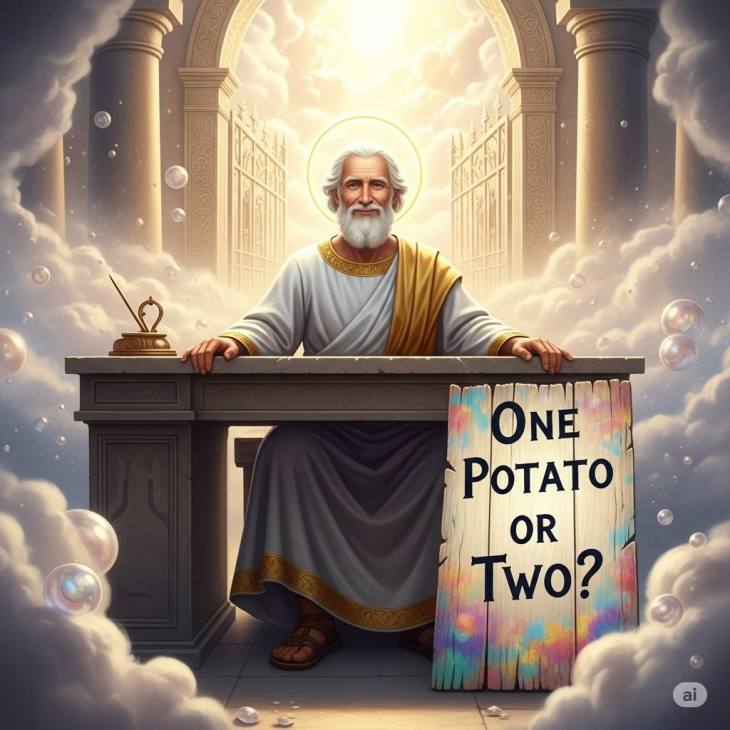
A felony conviction is more than just a punishment; it’s a collateral consequence, a legal and social brand that restricts access to fundamental opportunities, often long after a sentence has been served. It creates a labyrinth of exclusions:
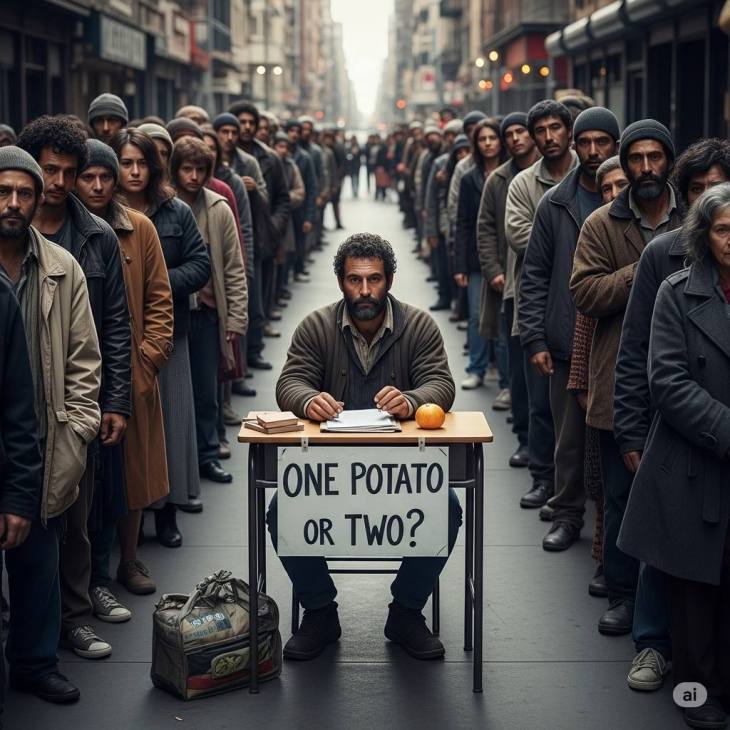
- Employment: The most immediate and profound impact. Many employers are hesitant, or legally barred, from hiring individuals with felony records, especially for positions requiring licenses or working with vulnerable populations. Background checks can become an impenetrable wall. Even for jobs where it’s not legally prohibited, the stigma often makes finding stable, good-paying work an immense challenge, leading to underemployment, poverty, and a cycle of economic hardship. The “good job” dream can vanish, replaced by a constant struggle for mere subsistence.
- Housing: Finding safe and affordable housing becomes incredibly difficult. Many landlords conduct background checks and refuse to rent to individuals with felony convictions. This can lead to homelessness, reliance on temporary shelters, or living in unstable conditions, shattering the dream of a home.

- Education: Access to higher education can be curtailed. Felony convictions can disqualify individuals from federal student aid programs, making college financially impossible. Even if admitted, the social stigma within educational settings can be isolating. The path to intellectual growth and a degree, a key to upward mobility, is often blocked.
- Voting Rights: In many states, a felony conviction means the loss of the fundamental right to vote, a cornerstone of American citizenship. While some states restore voting rights upon release or completion of a sentence, others require additional action, and some even impose permanent disenfranchisement. This exclusion from the democratic process is a profound loss of voice and civic identity.
- Occupational Licensing: Numerous professions require state licenses, and a felony conviction can permanently bar an individual from obtaining these, effectively closing off entire career paths. This is particularly true for fields like healthcare, education, law, and even barbering or cosmetology, making rehabilitation and reentry into productive society immensely challenging.
- Public Benefits: Access to certain public assistance programs, including food stamps and housing assistance, can be limited or denied, further exacerbating financial hardship.

A felony conviction, though often intended as a form of justice, can become a life sentence of societal exclusion. It transforms the beautiful vision of a full American life into a constant uphill battle, where the simple act of existing with dignity becomes an ongoing struggle.
This is the beauty and the tragedy of the American experience. The dreams are vibrant, painted with the colors of hope and aspiration. Yet, the reality is a nuanced landscape, where some navigate smooth pathways to fulfillment, while others face formidable obstacles, and still others find their journey irrevocably altered by circumstances, choices, or systemic barriers. It is a powerful reminder that while the dream exists for all, the path to achieving it is far from universal, and the costs of falling short can be profoundly high.
Read a good book-









Take a chance on the Veteran. Read his Books before Books by Veterans are Banned.
 thelivingbreathingjamesbrown.com
You must be logged in to post a comment.