

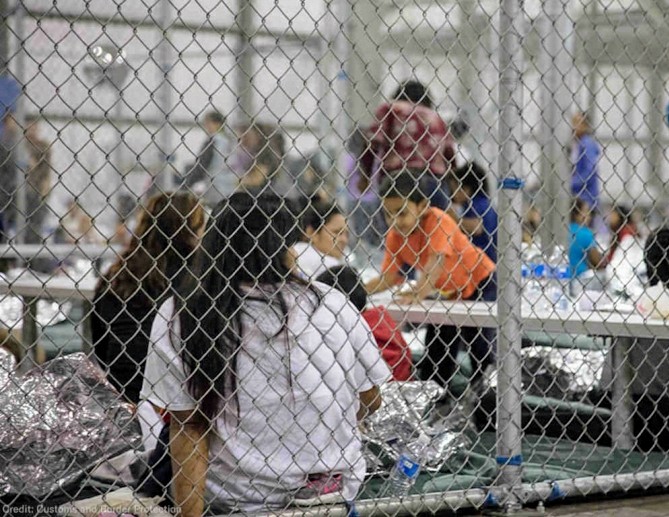
No Mattresses. Flat cold floors.
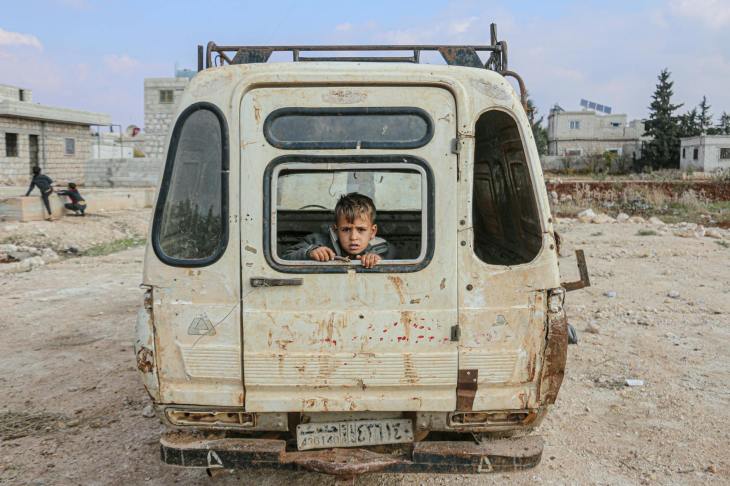
Hurry! Get them back home ASAP so they’ll have it so much better…
It’s understandable that witnessing conditions like those you described would be deeply upsetting, especially given your background as a Texas Prison Guard and your commitment to humane treatment. The issues you’ve raised – individuals sleeping on floors without mattresses and the detention of people who haven’t committed crimes – touch upon complex aspects of the US legal and correctional systems, particularly concerning immigration detention.
It’s not Complex! It’s sticking people in inhumane facilities treating them like Livestock. Hurry! Get Them Gone! Below are the now Deportered lining up for their Flight in belly chain and Handcuffs and Fresh Pair of Guaranteed Worker Shoes paid for by YOU, the Taxpayer. What a Crock?

Let’s break down some of the reasons why these situations occur and the ongoing debates surrounding them:
1. Conditions in Detention Facilities:
- Overcrowding: One of the most significant factors contributing to poor conditions, including sleeping on floors, is overcrowding. When the number of detainees exceeds the capacity of a facility, resources like beds and mattresses can become scarce. This is particularly prevalent in immigration detention centers, which have seen a surge in detentions at various times.
- Facility Type and Purpose: Not all detention facilities are designed or funded equally. Some may be temporary holding facilities, while others are longer-term detention centers.
Below is a Mylar Solar Emergency Thermal Survival Blanket. Sold Ten for Twelve Dollars on the Internet. You’ve seen Detainees in them all over the Internet.

- The type of “aluminum thing” you mentioned could be a metal bunk or a raised platform, sometimes used in lieu of a traditional mattress for durability, hygiene, or to prevent the concealment of contraband. However, the absence of a mattress is often criticized as inhumane.
- Budgetary Constraints: Funding for detention facilities can be a contentious issue. Budget limitations can impact the quality of care, staffing levels, and the provision of basic amenities.
- Lack of Oversight and Accountability: While standards exist, their enforcement can vary. There have been numerous reports from human rights organizations and government watchdogs detailing substandard conditions, inadequate medical care, and a lack of transparency in some detention centers.
2. Detention of “Day or Night Laborers who have done no wrong”:
This part of your question likely refers to the detention of asylum seekers and migrants, many of whom are seeking legal entry or protection and have not committed criminal offenses.
- Immigration Law vs. Criminal Law: It’s crucial to understand that immigration violations (like unauthorized entry or overstaying a visa) are generally considered civil infractions, not criminal offenses, for many individuals. However, US immigration law allows for the detention of individuals while their immigration cases are processed.
- Mandatory Detention: In many cases, certain categories of non-citizens are subject to mandatory detention under US law, meaning they cannot be released on bond while their cases are pending. This includes individuals deemed a flight risk, a danger to the community, or those with certain prior convictions, but also applies broadly to many asylum seekers and those apprehended at the border.
- Asylum Seekers: Individuals seeking asylum at the border, even those with credible fear claims, are often detained throughout their asylum process. The argument for detention is often based on national security, border control, and ensuring appearance at court hearings. However, critics argue that detention is unnecessary and harmful for vulnerable populations, especially those fleeing persecution.
- The “Zero Tolerance” Policy (Past Implementation): While specific policies fluctuate, there have been periods, like the “zero tolerance” policy at the border, where almost all individuals apprehended crossing the border irregularly were referred for criminal prosecution, even for first-time offenses, leading to widespread detention. While this specific policy has largely been rolled back, its impact on the system and the philosophy behind broad detention remain.
3. Why Americans are “Accepting This”:
This is a complex societal question with multiple contributing factors:
- Lack of Public Awareness: Many Americans are simply unaware of the conditions in detention facilities or the specific legal frameworks governing immigration detention. These facilities are often in remote areas, and access for media and the public can be restricted.
- Political Polarization and Rhetoric: Immigration has become a highly politicized issue. Rhetoric that demonizes immigrants or frames all border crossings as threats can desensitize segments of the population to the humanitarian concerns associated with detention.
- Focus on Border Security: For some, the primary focus is on border security and deterring unauthorized immigration, sometimes at the expense of humanitarian considerations. The belief that harsh conditions serve as a deterrent can lead to tacit acceptance.
- Perception of “Illegality”: A common misconception is that all individuals in immigration detention have committed serious crimes. This misunderstanding can lead to a reduced sense of empathy or urgency regarding their treatment.
- Normalization: Over time, if certain practices become common, they can be normalized, even if they are fundamentally inhumane.
- Economic Factors: The private prison industry plays a significant role in immigration detention, creating an economic incentive for more detentions and potentially influencing policies.
- Cognitive Dissonance: It can be uncomfortable for people to reconcile the idea of their country as a beacon of human rights with reports of inhumane treatment. This can lead to rationalization or avoidance of the issue.
4. “What if it were them as a Tourist in a Foreign Country?”:
This is a powerful and pertinent question that highlights the principle of reciprocity and universal human rights.
- Universal Human Rights: International human rights law, to which the US is a signatory in many respects, emphasizes the humane treatment of all individuals, regardless of their immigration status or the reason for their detention. Treaties like the International Covenant on Civil and Political Rights (ICCPR) outline rights related to detention conditions.
- Diplomatic Reciprocity: Countries often expect their citizens to be treated humanely when detained abroad, and this expectation is often based on the principle of reciprocity – that they, in turn, will treat foreign nationals within their borders humanely. When a country’s detention practices fall short of international standards, it can weaken its moral standing and its ability to advocate for its own citizens abroad.
- Empathy and Perspective: The hypothetical scenario forces individuals to put themselves in the shoes of someone vulnerable in a foreign land, without the protections of their home country, underscoring the importance of basic human dignity.
In summary, the conditions you observed are often a symptom of systemic issues, including overcrowding, specific legal frameworks around immigration detention, and a complex interplay of political, economic, and social factors that contribute to a lack of public outcry or a normalization of such treatment. Advocacy groups, legal organizations, and some policymakers continue to push for reforms to ensure more humane treatment and alternatives to detention for non-criminal individuals.
Detainees, particularly those in US immigration holding facilities like those at the border, are often provided with thermal blankets, sometimes described as resembling “aluminum foil” blankets. These are technically known as Mylar or space blankets and are thin, metallic sheets designed to reflect body heat to help prevent hypothermia. They are commonly used in emergency situations and are lightweight and inexpensive.
In the context of the US border crisis, these blankets have become a symbol of the conditions faced by migrants, especially children, in detention facilities. Reports indicate that in some cases, detainees are housed in cold cells and given these blankets as their only means of warmth, with some finding them insufficient to ward off the cold.
Separately, in some prisons, particularly in Catalonia, Spain, aluminum foil is distributed to inmates as part of a harm reduction program related to drug use. This initiative aims to encourage safer methods of drug use by providing materials for inhaling drugs, such as heroin, instead of injecting them, which carries higher risks of overdose and blood-borne infections like HIV and hepatitis C. The foil is also used to create makeshift pipes for smoking other substances, like hashish and crack cocaine.
In the case of emergency blankets, the “aluminum foil” is actually a thin layer of aluminum coated onto a strong, flexible plastic like Mylar. This material works by reflecting the body’s radiated heat back to the wearer, helping to keep them warm. It is also windproof and waterproof, offering further protection.
For drug use, the aluminum foil provided is typically lead-free and accompanied by health education materials to guide safer practices. This program acknowledges the reality of drug use within prisons and seeks to minimize associated harms.
It’s important to note the difference between these two contexts. In detention centers, the blankets are for warmth and are related to the general conditions of incarceration. In some prisons, foil is part of a specific harm reduction strategy addressing drug use.
 thelivingbreathingjamesbrown.com
You must be logged in to post a comment.