


Navigating the Crossroads of American Democracy: Gerrymandering, Accountability, and the Rule of Law
The foundations of American democracy and justice are currently navigating a period of intense scrutiny, marked by pivotal events that challenge the integrity of electoral processes, the accountability of powerful individuals, and the public’s trust in the rule of law. This report examines three such critical issues: the pervasive and escalating practice of gerrymandering, particularly evident in Texas, which threatens fair voter representation; the strategic legal agreement of limited immunity granted to Ghislaine Maxwell in the ongoing Jeffrey Epstein investigation; and the unprecedented felony conviction of former President Donald Trump, along with its profound implications for legal precedent and public perception. Each of these topics, while distinct in their immediate focus, collectively underscores fundamental tensions within the U.S. political and legal systems, demanding a comprehensive review of their historical context, legal underpinnings, and contemporary ramifications for the nation’s democratic health.
I. Gerrymandering: A Systemic Challenge to Fair Representation
Gerrymandering, the deliberate manipulation of political district boundaries, stands as a persistent and evolving threat to the principle of fair representation in the United States. Its long history and sophisticated modern tactics raise profound questions about whose voices truly count in the democratic process.
A. The Historical Roots and Evolving Tactics of Electoral Manipulation
The practice of gerrymandering, a term coined in 1812, has been an integral part of the American political landscape since the nation’s early days. The term itself originated in Massachusetts when Governor Elbridge Gerry endorsed a redistricting plan favoring his Democrat-Republican party, resulting in a district so contorted it was famously lampooned as a salamander in the press, giving birth to the portmanteau “gerrymander”. While this specific incident cemented the term, the phenomenon of manipulating electoral maps for political advantage predates it.
At its core, gerrymandering involves officials skewing district borders to secure more favorable voters for themselves or their party, or to undermine the prospects of political opponents. This manipulation employs several key techniques:
* Cracking: This method involves splitting a group of voters, typically those who support an opposing party or belong to a specific community, across multiple districts. The objective is to dilute their collective voting power, ensuring they remain an irrelevant minority in each new district and are unable to achieve a majority.
* Packing: Conversely, packing concentrates a large number of voters from one party or community into a single district. While this ensures an overwhelming victory for that group in one district, it simultaneously reduces their influence in surrounding districts, where their numbers are intentionally diminished.
* Sweetheart Gerrymandering (Buddymandering): A more subtle form of manipulation, this occurs when incumbents from both major parties tacitly agree to draw district lines that protect their own seats. This arrangement prioritizes the political survival of sitting representatives over the competitive interests of voters, often maintaining the political status quo regardless of public sentiment.
The practice of districting and redistricting is rooted in the U.S. Constitution, which mandates that every ten years, following the U.S. Census, political leaders in each state restructure districts based on updated population data. This process, known as reapportionment, is considered essential for properly apportioning representatives to states and regions, aiming to ensure that people in various areas have sufficient and equal say in the government. For this reason, districts are required to be as close as possible to each other in population.
However, a fundamental tension exists between this constitutional ideal and its practical application. The very mechanism designed to uphold the principle of “one person, one vote” and ensure equitable representation inadvertently creates a recurring opportunity for partisan manipulation. The decennial census, intended to facilitate fair adjustments, becomes a trigger for political actors to exploit the redistricting process for self-serving ends rather than the broader needs of the country. This suggests that while the original intent of the country’s founders was sound, the implementation of redistricting relies heavily on the good faith of political actors, a quality often absent, leading to a system inherently vulnerable to abuse.
B. The Shifting Legal Landscape: Supreme Court’s Stance on Redistricting
The Supreme Court has played a pivotal role in shaping the legal boundaries of redistricting, though its approach has evolved, particularly in distinguishing between racial and partisan gerrymandering.
Historically, the Court has actively intervened in cases involving racial gerrymandering, viewing it as a violation of the Equal Protection Clause of the Fourteenth Amendment and the Voting Rights Act. Landmark cases have established critical precedents:
* Shaw v. Reno (1993): This case established that legislative and congressional districts could be struck down if their “bizarrely shaped” appearance strongly indicated racial intent, even if states argued they were creating “majority-minority districts.” The Court clarified that the Voting Rights Act did not require such districts to be drawn where none previously existed.
* Miller v. Johnson (1995): Building on Shaw, this ruling clarified the standard for racial gerrymandering claims, holding that a district becomes unconstitutional if race was the “predominant” factor in drawing its lines.
* Bush v. Vera (1996): In this case, the Court struck down three Texas districts, concluding that race was the predominant factor in their drawing. The ruling emphasized that districts drawn to comply with Section 2 of the Voting Rights Act must not subordinate traditional redistricting principles, such as compactness, more than reasonably necessary. It also cautioned against using race as a proxy for political affiliation.
The Court has continued to address racial considerations in redistricting, as seen in cases like Alabama Legislative Black Caucus v. Alabama (2015) and Alexander v. South Carolina State Conference of the NAACP (2024), demonstrating ongoing judicial scrutiny of how race influences district lines.
However, a significant shift occurred in 2019 regarding partisan gerrymandering. The Supreme Court ruled that federal courts should not get involved in disputes over political gerrymandering, characterizing the practice as “highly partisan by any measure”. This decision effectively ceded authority over partisan map-drawing to state courts and state legislatures.
This bifurcation of judicial oversight carries significant consequences. While racial gerrymandering remains subject to federal judicial review, the Supreme Court’s hands-off approach to partisan gerrymandering has created a substantial vacuum in federal oversight. This development has effectively opened the door for state legislatures to engage in highly aggressive partisan map-drawing with less fear of federal intervention. The practical effect is a shift of the battleground to state courts and political processes, potentially leading to an increase in politically motivated redistricting and further entrenching one-party rule in states where the legislature controls the process. This dynamic exacerbates the problem of unrepresentative districts, as partisan actors are emboldened to maximize their advantage without a federal judicial check.
| Case Name | Year | Significance/Holding (brief) | Type of Gerrymandering | Relevant Snippet IDs |
|—|—|—|—|—|
| Baker v. Carr | 1962 | Redistricting issues are justiciable; established “one person, one vote” principle. | General Reapportionment | |
| Shaw v. Reno | 1993 | Bizarrely shaped districts can indicate unconstitutional racial gerrymandering. | Racial | |
| Miller v. Johnson | 1995 | A district is unconstitutional if race was the “predominant” factor in drawing its lines. | Racial | |
| Bush v. Vera | 1996 | Struck down Texas districts where race was predominant; emphasized compactness and warned against using race as political proxy. | Racial | |
| Supreme Court (2019) | 2019 | Federal courts should not get involved in partisan gerrymandering. | Partisan | |
C. Texas at the Epicenter: A Case Study in Aggressive Redistricting
Texas has a well-documented history of aggressive redistricting, including instances of mid-cycle map drawing to gain political advantage. This history provides crucial context for understanding current efforts. After the 2000 census, for example, the Texas Legislature failed to agree on a redistricting plan, leading a federal court to step in. Republican U.S. House Majority Leader Tom DeLay, seeking to secure five more GOP-friendly districts, spearheaded a controversial mid-decade redistricting effort. This push even saw Texas Democrats flee to Oklahoma to break quorum, attempting to prevent the legislative action. Ultimately, DeLay’s efforts succeeded, and Republicans gained five seats in 2004. This historical precedent demonstrates that mid-cycle redistricting for political gain is not an anomaly in Texas’s political landscape.
Currently, President Trump has reportedly urged the Texas Legislature to create new districts in time for next year’s midterm elections, with the explicit goal of sending five additional Republicans to Washington. This move aims to solidify the GOP’s majority in the U.S. House and potentially impede a Democratic agenda. Texas currently holds 38 seats in the House, with Republicans holding a significant majority of 25 seats to the Democrats’ 12.
The legality of mid-cycle redistricting at the national level is not explicitly prohibited. While the law mandates redistricting after every decennial census, it does not expressly forbid states from redrawing lines more frequently. Some state legislatures have interpreted this flexibility to their advantage, allowing for mid-decade adjustments for political reasons. While some states have laws that prevent or complicate such mid-cycle changes, Texas’s historical actions suggest a willingness to pursue them.
Even the decennial maps drawn by Texas are frequently contested. The redistricting maps signed into law in October 2021, intended for the 2022-2031 decade, are already subject to multiple ongoing legal challenges. These lawsuits allege various constitutional and statutory violations, including malapportionment under the “one-person, one-vote” principle of the Fourteenth Amendment (as seen in Gutierrez v. Abbott), violations of Section 2 of the Voting Rights Act and the Equal Protection Clause (LULAC v. Abbott, United States v. Texas), and breaches of state constitutional rules, such as the “county line rule” (MALC v. Abbott). This extensive litigation highlights the highly contentious nature of redistricting in Texas, even outside of mid-cycle efforts.
The pattern of mid-cycle redistricting, particularly prominent in Texas, transforms the decennial census-driven process into a perpetual political battleground. This suggests a strategic evolution where the party in power seeks to exploit any opportunity to redraw lines, not just after a census, effectively weaponizing the redistricting process as a continuous tool for power consolidation. This constant state of electoral flux, driven by partisan ambition and enabled by the lack of federal impediment to mid-cycle changes, further erodes public trust in the electoral system, as it appears that politicians are “picking their voters” rather than voters choosing their representatives.
D. The National Ripple Effect: Other States and the Escalating Redistricting Battle
The aggressive redistricting efforts in Texas are not isolated; they represent a broader, coordinated strategy among “Red States” to solidify Republican control of the U.S. House. Reports indicate that Trump officials are looking beyond Texas, aiming to redraw lines in other states, such as Missouri, to help Republicans maintain their House majority in 2026. This signals a national-level effort to leverage redistricting for partisan gain.
In response, Democrats are preparing to escalate their own counter-strategies. House Democratic Leader Hakeem Jeffries and New York Governor Kathy Hochul have engaged in discussions about potential mid-cycle redistricting in New York. While such a move could face challenges under the state’s constitution, it appears to be a consideration, with Governor Hochul stating, “all is fair in love and war” and that she would “look at it closely with Hakeem Jeffries” if other states are “violating the rules”. Similarly, Speaker Emerita Nancy Pelosi has indicated that “everything is on the table” if it helps the party win, despite her personal preference against mid-decade redistricting. California Governor Gavin Newsom has also threatened retaliation, exploring ways to draw more favorable Democratic seats, even contemplating challenging the state’s independent commission system, which typically handles redistricting.
Organized Democratic opposition is also mobilizing. The National Democratic Redistricting Committee (NDRC) is actively supporting targeted state-level elections in 2025 and 2026. Their objective is to safeguard and strengthen democracy by electing leaders who will promote a fairer redistricting process in 2031. The NDRC is strategically investing in races for state legislatures, governorships, and state supreme courts in key swing states like Pennsylvania, Michigan, Ohio, and Wisconsin, recognizing the critical role these bodies play in approving or overturning maps.
The emergence of a national “redistricting arms race,” where both major parties threaten or actively engage in mid-cycle map manipulation, signifies a dangerous escalation in political warfare. This tit-for-tat approach, driven by a perceived need to counter the opponent’s moves, risks normalizing constant electoral map changes, further entrenching partisan control, and making genuinely competitive elections a rarity. This dynamic undermines the foundational principle that “voters choose candidates,” instead solidifying the perception that “lawmakers draw districts to entrench one party’s political power,” ultimately eroding the public’s faith in the fairness and legitimacy of the entire democratic process.
E. The Profound Impact: How Gerrymandering Undermines Voter Power and Democratic Legitimacy
The consequences of gerrymandering extend far beyond mere political advantage, fundamentally undermining the integrity of voter power and the legitimacy of democratic institutions. When lawmakers draw district lines to entrench one party’s political power, the direct result is that some votes count more than others.
This manipulation directly skews election results, meaning that the popular vote in a state or nationally may not accurately translate into proportional representation in legislative bodies. Moreover, by creating safe seats for one party, gerrymandering drastically reduces electoral competitiveness. This lack of competition can discourage voter participation, as citizens may feel their vote has little impact on a predetermined outcome. It also leads to less responsive representatives, who, insulated from genuine electoral challenge, may prioritize partisan loyalty over the broader needs of their constituents.
Gerrymandering also disproportionately harms communities of color. When districts are drawn to dilute the votes of racial minority groups, it not only diminishes their political influence but also constitutes a violation of the Voting Rights Act. This practice can effectively silence minority voices and prevent them from electing representatives who truly reflect their interests.
Ultimately, gerrymandering thwarts the will of the voters. It fosters a pervasive sense among many Americans that their voices do not matter, that the electoral system is rigged, and that politicians are selecting their voters rather than the other way around.
This pervasive practice creates a self-reinforcing cycle of democratic erosion. When voters perceive that their votes are deliberately diluted or that election outcomes are predetermined by mapmakers, it fosters deep cynicism and disengagement. This not only diminishes voter turnout and civic participation but also fuels political polarization, as representatives in safe districts are incentivized to appeal only to their partisan base rather than seeking broader consensus. The cumulative effect is a profound undermining of public trust in democratic institutions, making the system vulnerable to further manipulation and deepening societal divisions. The emotional distress expressed by citizens over these “heartbreaking charades” is a direct reflection of this erosion of faith in the democratic promise.

II. Ghislaine Maxwell’s Limited Immunity: A Strategic Move in the Pursuit of Justice
The recent grant of limited immunity to Ghislaine Maxwell, a key figure in the Jeffrey Epstein sex trafficking network, has sparked intense public interest and debate. Understanding the legal rationale behind such a move is crucial to appreciating its implications for the broader pursuit of justice.
A. Demystifying “Proffer Immunity”: Legal Rationale and Practical Application
Ghislaine Maxwell was granted a “limited form of immunity,” specifically known as “proffer immunity” or “conditional immunity”. This type of immunity is a common tool in federal criminal investigations, designed to encourage individuals to speak openly during interviews without the immediate risk of their statements being directly used against them in a subsequent prosecution.
The primary purpose of proffer immunity is to facilitate cooperation from individuals who may possess critical information relevant to ongoing criminal investigations. Prosecutors often offer this form of immunity when they aim to turn a witness into a cooperator, enabling them to gain insights into broader criminal networks or identify other perpetrators.
However, the “limited” nature of proffer immunity is a crucial distinction. While it protects statements made during the specific interviews from direct use in prosecution, it does not provide blanket protection. Any evidence obtained through other means, independent of the statements made under proffer, remains admissible against the individual. Furthermore, the protection afforded by proffer immunity dissolves if the individual provides false information during the interviews, leaving them vulnerable to charges of perjury or obstruction of justice. Critically, proffer immunity does not undo a prior conviction or sentence, nor does it shield the individual from new prosecution for unrelated crimes.
This form of immunity differs significantly from other types:
* Transactional Immunity (“Total Immunity”): This is the broadest form, rarely granted federally, which provides absolute protection from prosecution for any offense related to the testimony given.
* Use and Derivative Use Immunity: More common than transactional immunity, this prevents the use of the witness’s statements and any evidence derived directly from those statements. However, prosecution can still proceed if the evidence against the individual is gathered independently of their immunized testimony.
Proffer immunity, in contrast, is a more conditional and narrowly tailored agreement, making it a classic example of the strategic use of immunity in criminal cases. It allows the Department of Justice (DOJ) to advance investigations by leveraging insider information without offering complete legal relief.
The grant of proffer immunity to Ghislaine Maxwell represents a calculated risk for both the prosecution and the witness. For Maxwell, it offers a narrow window to potentially influence future outcomes, such as a possible sentence reduction under Rule 35 of the Federal Rules of Criminal Procedure for providing “substantial assistance” in investigating or prosecuting others. This opportunity exists without immediately jeopardizing her appeal or existing conviction. For the DOJ, it is a strategic tool to penetrate deeper into the Epstein network by leveraging an insider’s knowledge, without granting a broad immunity that could compromise other investigations or prosecutions. This approach highlights the pragmatic, often transactional, nature of federal criminal investigations, where the pursuit of broader justice can involve carefully calibrated concessions to key witnesses.
| Type of Immunity | Definition/Scope of Protection | Key Characteristics/Limitations | Commonality in Federal Cases | Relevant Snippet ID |
|—|—|—|—|—|
| Transactional Immunity (“Total Immunity”) | Absolute protection from prosecution for any offense related to the testimony given. | Broadest protection; covers all related crimes. | Rarely granted federally. | |
| Use and Derivative Use Immunity | Prevents use of witness’s statements and evidence derived from them, but prosecution can proceed on independently gathered evidence. | Protects against direct and indirect use of testimony; prosecution still possible with independent evidence. | Common in federal cases. | |
| Proffer Letter Immunity (“Limited”/”Conditional” Immunity) | Protection for statements made during cooperation discussions; prohibits direct use of those statements for prosecution except under specified conditions (e.g., providing false information). | Does not affect prior conviction/sentence; protection dissolves if false information is given; evidence from other means remains admissible. | Common for cooperation discussions. | |
B. The DOJ’s Objective: Unraveling the Broader Epstein Network
The primary objective behind the DOJ’s decision to grant Ghislaine Maxwell limited immunity is unequivocally to “further expand investigations into Epstein’s network” and “unravel the broader Epstein network”. During her nine-hour interrogation over two days with Deputy Attorney General Todd Blanche, Maxwell’s attorney confirmed that she was questioned about “maybe 100 different people”.
This focus on a significant number of individuals underscores the DOJ’s belief that Maxwell possesses key information crucial for identifying others involved in Epstein’s alleged crimes. The strategic value of such cooperation lies in leveraging an insider’s unique perspective to expose a wider circle of complicity that might otherwise remain hidden.
While Maxwell’s attorney stated that no formal deal for sentence reduction or clemency was confirmed in exchange for her statements, her participation does create the possibility of future legal benefits. Specifically, Rule 35 of the Federal Rules of Criminal Procedure allows prosecutors to file a motion to reduce a defendant’s sentence if they provide “substantial assistance” in investigating or prosecuting others after sentencing. This mechanism provides an incentive for cooperation without requiring an explicit upfront agreement.
The DOJ’s strategic decision to grant Maxwell limited immunity, despite her conviction, signals a prioritization of systemic accountability over the sole punishment of a single individual. By seeking information on “100 different people” to “unravel the broader Epstein network,” the Justice Department is implicitly acknowledging the vast and interconnected nature of the alleged crimes and aiming to expose a wider circle of complicity. This approach, while legally sound for advancing investigations, often creates public tension, as it can be perceived as leniency towards a convicted felon. This highlights the complex ethical tightrope prosecutors walk between achieving comprehensive justice and satisfying public demands for retribution.
C. Public Discourse and Political Ramifications: Transparency, Trust, and Accountability
The Ghislaine Maxwell immunity agreement unfolded amidst intense public and political pressure for greater transparency regarding the Epstein case. The DOJ had previously faced “fierce bipartisan backlash” after issuing a memo stating they found no evidence to justify criminally investigating anyone else in connection with Epstein. This pre-existing climate of distrust heavily influenced the reception of Maxwell’s cooperation.

The meeting between Deputy Attorney General Todd Blanche (who also served as former President Trump’s defense lawyer) and Maxwell immediately drew criticism. Senator Chuck Schumer, for instance, publicly characterized the meeting as “high corruption and conflict of interest” due due to Blanche’s past association with Trump. This accusation highlights the deep partisan suspicions surrounding the case.
Various political factions have their own narratives surrounding the Epstein affair. Many “MAGA luminaries” and right-wing commentators have fixated on the case, expressing a belief that Maxwell holds the key to “unmask powerful elites—many of them Democrats—who they believe the government has protected”. These groups often advocate for leniency for Maxwell if she provides comprehensive information that leads to the prosecution of others. Conversely, Democrats in Congress have questioned whether the Trump administration had previously withheld Epstein files to protect Trump himself, a claim vehemently denied by the administration.
However, not all voices within the right-wing spectrum expressed unqualified support for leniency. Far-right activist Jack Posobiec, for example, while praising the DOJ’s pursuit of evidence, expressed skepticism about Maxwell’s motives, suggesting they were likely rooted in self-interest (such as a sentence reduction or presidential pardon) rather than a genuine desire for truth or justice. This diversity of opinion underscores the complexity of public sentiment.
Adding another layer to the political discourse, former President Trump has publicly acknowledged his power to pardon Maxwell, stating, “I can’t talk about that now because, you know, it’s a very sensitive interview going on”. This statement, coupled with the ongoing congressional vote to subpoena Maxwell to testify, keeps the case firmly in the public and political spotlight.
The Ghislaine Maxwell immunity agreement, set against a backdrop of intense political pressure and pre-existing public distrust surrounding the Epstein case, exemplifies the dangerous politicization of justice. The immediate partisan framing of the event—including accusations of protecting specific political figures or allegations of conflict of interest due to the Deputy AG’s past role—risks undermining the perceived impartiality of the Department of Justice. When legal processes are viewed primarily through a political lens, it erodes public confidence in the rule of law, fostering a belief that outcomes are driven by political expediency rather than objective legal principles. This dynamic contributes to a broader societal cynicism, making it harder for the public to distinguish legitimate legal action from politically motivated maneuvers.
III. Donald Trump’s Conviction: Legal Precedent and Public Perception
The felony conviction of former U.S. President Donald Trump in New York represents an unprecedented event in American history, carrying significant legal and political ramifications that continue to shape public discourse.


A. The New York Felony Conviction: Details and Legal Basis
On May 30, 2024, Donald J. Trump was convicted in New York state court on all 34 counts of falsifying business records in the first degree, a violation of New York Penal Law § 175.10. This conviction stemmed from a grand jury indictment alleging a scheme to conceal damaging information about Trump prior to the 2016 presidential election.
The scheme involved several key elements: a $30,000 payment to a former Trump Tower doorman regarding a story about an alleged child born out of wedlock, and a $150,000 payment to a woman who claimed a sexual relationship with Trump. Most prominently, the case centered on a $130,000 “hush money” payment made to adult film star Stormy Daniels. Prosecutors alleged that this payment was masked as legal expenses in business records to defraud the voting public and prevent them from learning the information before Election Day. Evidence presented at trial, including invoices, checks, bank statements, and direct testimony, indicated that Trump was “in the loop every step of the way” regarding these payments and their subsequent disguise.
While the underlying actions of the scheme occurred during the 2016 presidential campaign, the fraudulent entries that formed the basis for the 34 counts of falsifying business records were made in 2017, during Trump’s presidency.
Sentencing for the conviction is currently scheduled for July 11, 2024. Under New York law, these offenses are felonies and could potentially subject the former President to a term of imprisonment, though it is not guaranteed. Trump retains the right to appeal the conviction through the New York state court system and, under specific circumstances, could eventually seek review from the U.S. Supreme Court.
It is also important to note that this New York conviction is distinct from other legal challenges Trump faces. He has been charged in Georgia for allegedly violating a state racketeering law related to efforts to overturn the 2020 presidential election results, and he faces federal charges in the District of Columbia for allegedly obstructing or interfering with the 2020 election, as well as charges related to the unlawful removal and retention of classified government records at his Mar-a-Lago property.
Donald Trump’s felony conviction for falsifying business records to conceal information aimed at influencing the 2016 election, with the fraudulent entries occurring during his presidency, inextricably links the legal process to the integrity of democratic elections. This case highlights the potential for legal accountability for actions intertwined with political campaigns and official duties, setting a significant precedent. It raises critical questions about the boundaries of political conduct and the extent to which legal systems can address alleged attempts to subvert electoral processes. This intersection of law and politics, particularly concerning a former president, intensifies public scrutiny on the fairness of the justice system and its capacity to hold powerful individuals accountable, directly impacting perceptions of democratic legitimacy.
| Aspect | Details | Relevant Snippet IDs |
|—|—|—|
| Charge | Falsifying Business Records in the First Degree | |
| Number of Counts | 34 | |
| Conviction Date | May 30, 2024 | |
| Underlying Scheme/Facts | Scheme to conceal damaging information (e.g., “hush money” payment to Stormy Daniels) before the 2016 election, disguised as legal expenses. | |
| Legal Basis | New York Penal Law § 175.10 | |
| Current Status | Sentencing scheduled for July 11, 2024; subject to appeal through New York court system. | |
B. Legal Pathways Post-Conviction: Appeals and Clemency
Following his conviction, Donald Trump has several legal avenues available, primarily focused on challenging the verdict and understanding the limitations of executive power regarding his sentence.
Trump can appeal the conviction through the New York court system. This process is typically lengthy and complex, with analysts suggesting that the final result of the appeal is likely to extend beyond the upcoming election. Under certain circumstances, he could potentially seek review from the U.S. Supreme Court, though this is a less common outcome for state-level convictions.
A critical point of public discussion has been the possibility of a presidential pardon. However, a U.S. President’s power to pardon is explicitly limited to federal criminal offenses. It does not encompass state offenses, such as the New York felony conviction Trump received. This means that neither a sitting President (including himself, if he were to be re-elected) nor any future federal president has the authority to issue a pardon for this New York state conviction. Any form of clemency, if available, would have to be pursued through New York state law and processes.
Regarding his voting rights, state laws govern whether a citizen is disenfranchised due to a felony conviction. Donald Trump is registered to vote in Florida. Under Florida law, a person convicted of a felony is disqualified from voting until all terms of their sentence, including parole and probation, are completed. Therefore, if any period of incarceration is imposed by the New York state court, Trump would be barred from voting only during that specific period.
The inability of a U.S. President to pardon a state felony conviction, as is the case with Donald Trump’s New York charges, serves as a powerful illustration of the fundamental principle of state sovereignty within the American federal system. Despite the immense power of the presidency, this legal limitation underscores that state judicial systems operate independently from federal executive clemency. This distinction is crucial for public understanding, as it dispels any notion of a monolithic federal authority and highlights the decentralized nature of justice in the U.S., where state laws and processes retain significant, unassailable power over state-level offenses, even for the most prominent national figures.
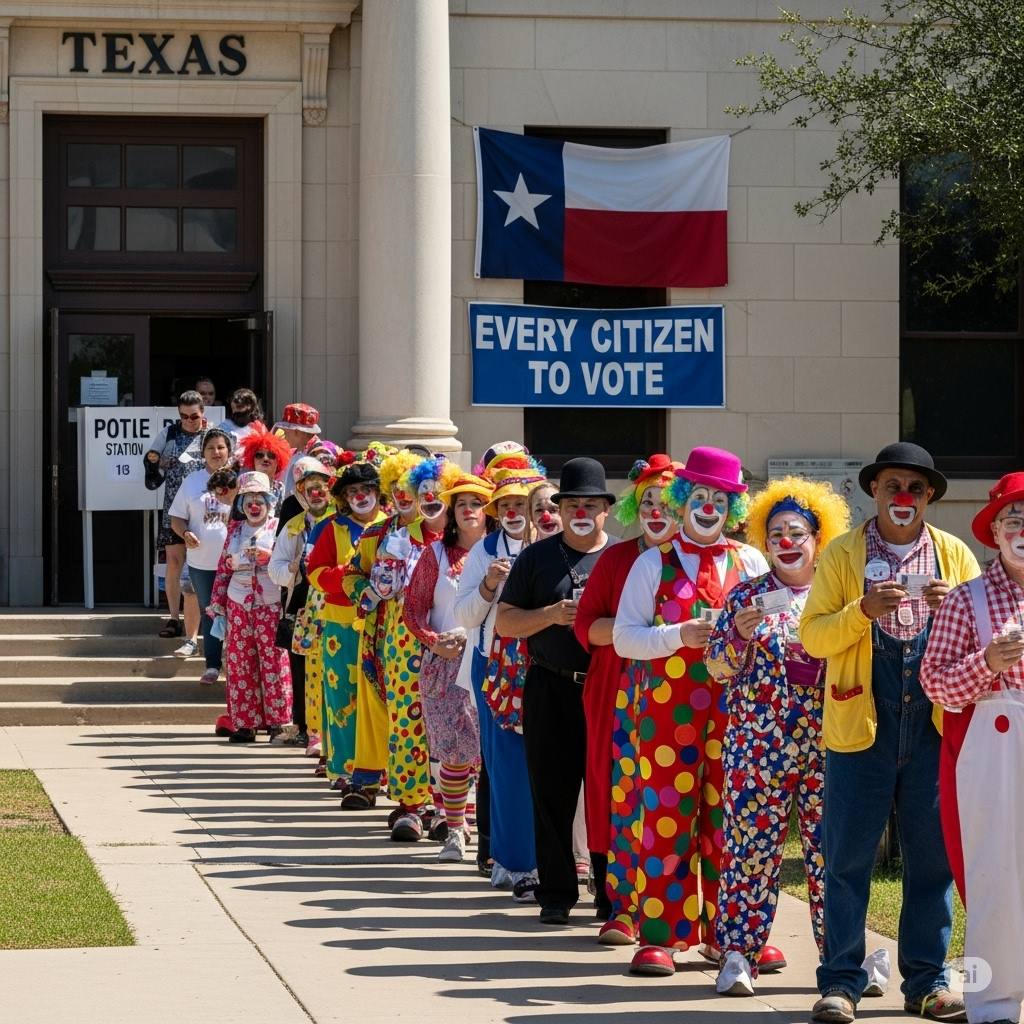
C. The “Convicted Felon” Headline: Public Reaction and Political Fallout
The headline “Convicted US Felon to Arrive in Scotland” in a Scottish local newspaper, referring to Donald Trump’s May 2024 conviction, swiftly went viral, igniting widespread debate and eliciting strong reactions across political lines globally. This headline became a potent symbol of the deep divisions within public opinion regarding the conviction.
For many, particularly Trump’s ardent supporters, the conviction is viewed not as a legitimate legal outcome but as a politically motivated “witch hunt” and a “rigged political show trial”. Republican figures, including Speaker of the House Mike Johnson, echoed this sentiment, calling the charges “a purely political exercise, not a legal one”. This narrative suggests a profound distrust in the impartiality of the justice system when it involves high-profile political figures.
Conversely, for many others, the conviction represents a moment of accountability, demonstrating that even powerful individuals are subject to the rule of law. However, even within this perspective, a significant concern has emerged: the perception of a “two-tiered justice system.” Individuals with direct experience in the criminal justice system, particularly those who have faced incarceration for lesser offenses, have voiced profound frustration and sadness. They observe that Trump, despite 34 felony convictions, avoided immediate punishment, while many without financial or political influence face severe consequences for far fewer charges. This disparity reinforces a long-standing belief that the wealthy and powerful are “above the law” and that money or political influence can buy one’s way out of accountability.
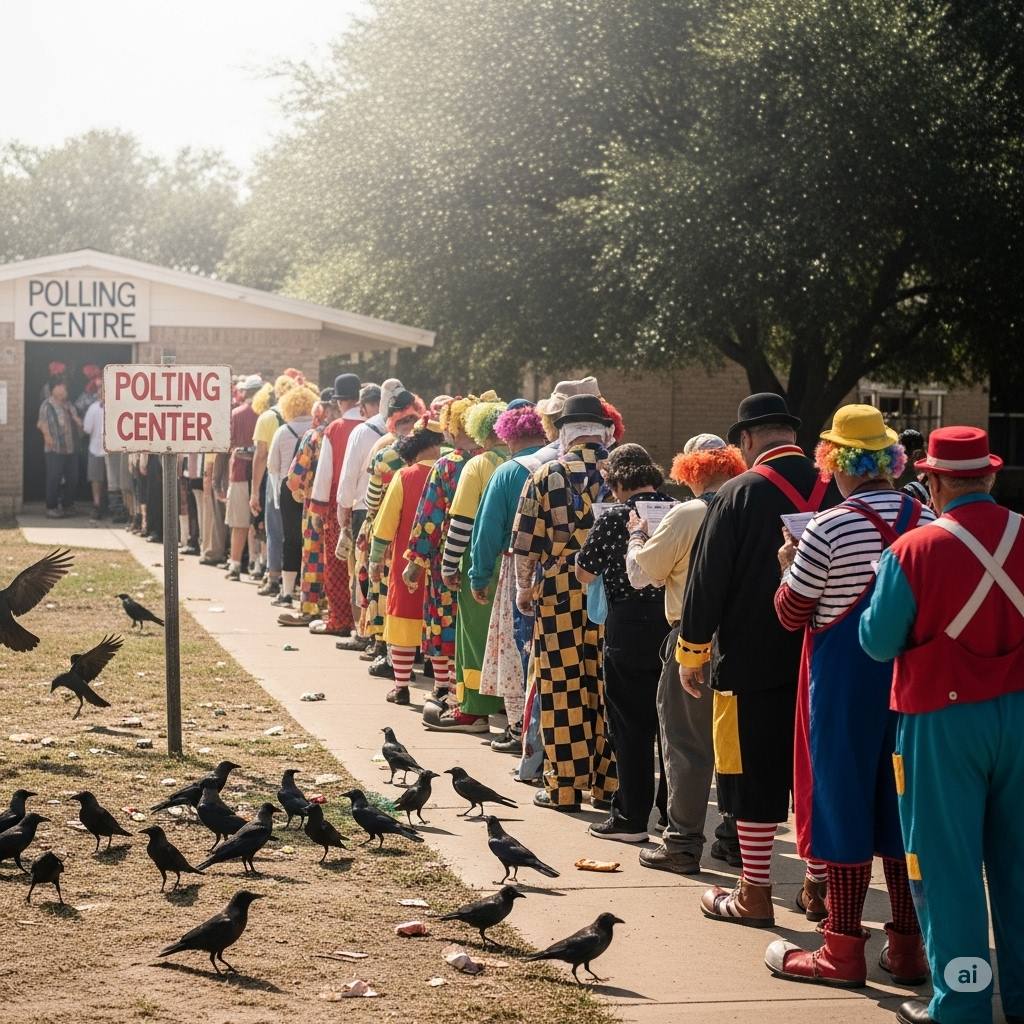
This perception, as described by the user, contributes to “heartbreaking charades.”
The political fallout from the conviction has been immediate and varied. Trump’s campaign donation page reportedly crashed following the verdict, indicating a surge of support and financial contributions from his base, who rallied around him as a perceived victim of political persecution. While his support among Republican voters remained high, there was a reported slight dip in his support among independent voters, from 42% to 37%. The ultimate impact on his reelection chances remains unclear, as the appeal process is expected to extend beyond the election, and Trump continues to deny any wrongdoing.
Internationally, analysts suggest that the trial and the “attacks against the country’s democratic institutions” could diminish the “perceived legitimacy of institutions” and potentially affect the financial stability of U.S. investments. There is concern that if the world views the U.S., traditionally seen as “the last bastion of democracy, free markets, fair legal system,” as tainted, it could have significant repercussions.
Donald Trump’s felony conviction and the polarized public and international reactions it has generated expose a profound crisis of legitimacy within American democracy. The stark division between those who see it as accountability and those who view it as political persecution, coupled with the widespread perception of a “two-tiered justice system,” threatens to fundamentally undermine trust in the impartiality of the rule of law. This erosion of trust, amplified by a viral global headline, risks normalizing the idea that legal outcomes are merely political weapons, thereby destabilizing democratic norms and making it increasingly difficult for the nation to unite around shared principles of justice and governance. The “heartbreaking charades” expressed by the user resonate deeply with this broader societal challenge to the very foundation of American democracy.

Conclusion: Upholding Democratic Principles in Turbulent Times
The issues of gerrymandering, the strategic use of limited immunity in high-profile legal cases, and the unprecedented felony conviction of a former U.S. President collectively represent a critical juncture for American democracy. Each, in its own way, challenges fundamental principles of fair representation, accountability, and the rule of law, contributing to a palpable sense of concern and disillusionment among the citizenry.
The ongoing battle over electoral maps, particularly exemplified by Texas’s aggressive mid-cycle redistricting efforts and the ensuing national “arms race” between political parties, highlights a profound tension: whether voters genuinely choose their representatives or if politicians manipulate boundaries to choose their voters. This systematic distortion of representation, while subject to some legal constraints, continues to diminish the power of individual votes and foster a pervasive feeling of disenfranchisement. The perception that electoral outcomes are predetermined by partisan mapmakers rather than the collective will of the people creates a “heartbreaking charade” that undermines the very essence of democratic participation.
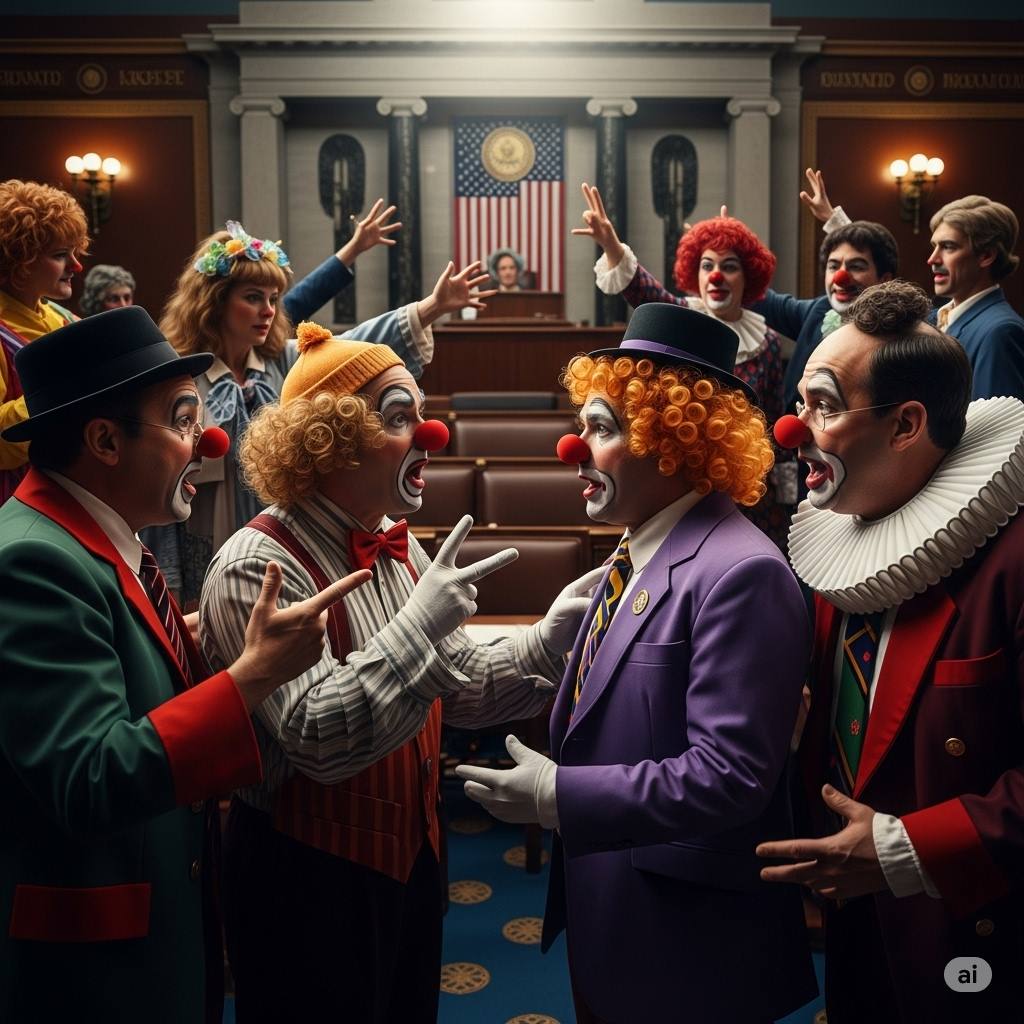
Concurrently, the strategic employment of limited immunity, as seen in the Ghislaine Maxwell case, underscores the complex realities of pursuing justice in intricate, high-stakes investigations. While a legitimate and often necessary tool for uncovering broader criminal networks and holding more individuals accountable, such legal maneuvers operate within a treacherous landscape of public scrutiny and political suspicion. The intense partisan reactions and accusations of conflict of interest surrounding these agreements highlight a deep-seated public distrust in institutions and a demand for transparency that frequently clashes with the nuanced, often confidential, processes of law enforcement.
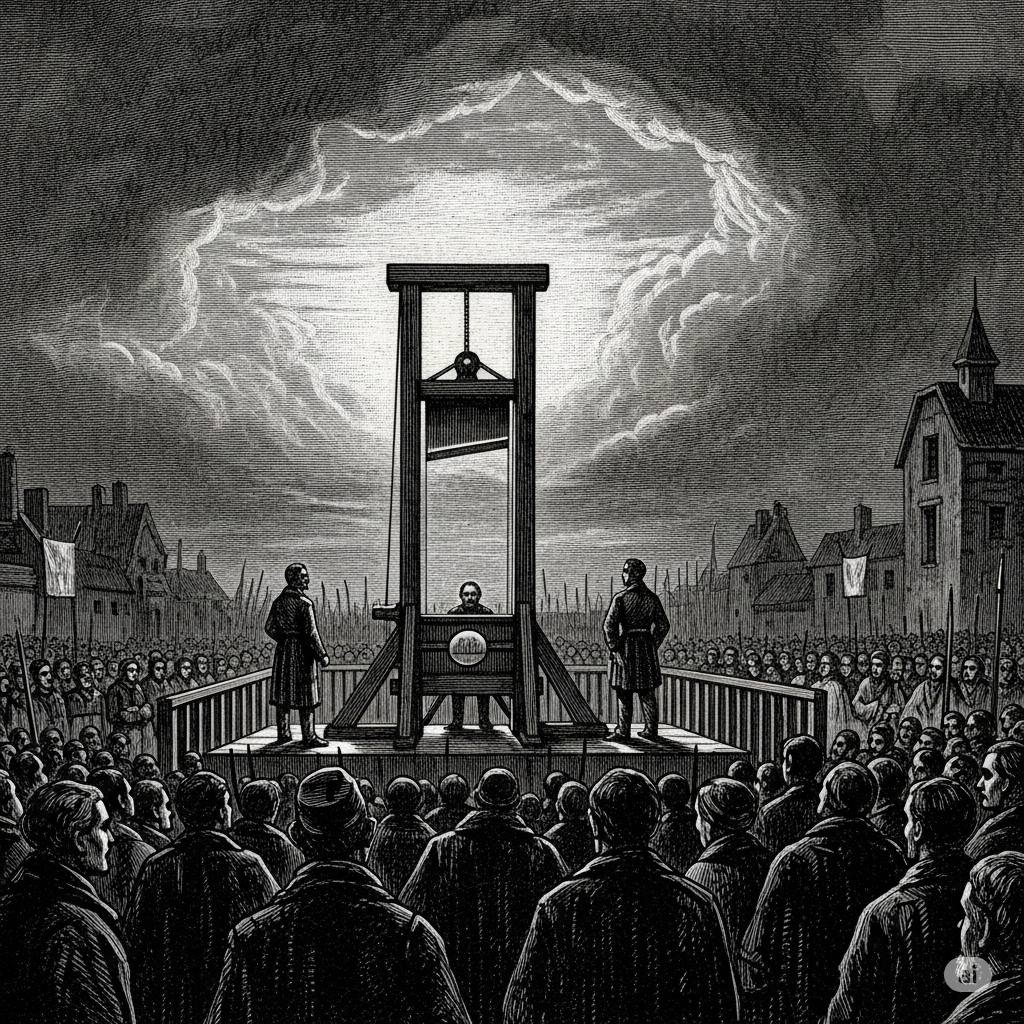
Finally, the felony conviction of a former U.S. President, and the deeply polarized responses it has generated both domestically and internationally, lay bare fundamental fault lines in the public’s perception of justice. The viral “convicted felon” headline, while factually accurate, symbolizes a broader societal debate about accountability for the powerful and the perceived fairness of the legal system. For many, it reinforces the painful notion of a “two-tiered” justice system, where wealth and influence appear to dictate legal outcomes, further eroding faith in the impartiality and integrity of American institutions.
These interconnected challenges collectively test the resilience of American democracy. They call for not only a highly informed and engaged citizenry but also a renewed commitment from all branches of government and political actors to the foundational principles of fair representation, impartial justice, and universal accountability. In these turbulent times, the enduring strength of democratic ideals hinges on the continuous, collective effort to address these systemic challenges, ensuring that the promise of a government “of the people, by the people, for the people” remains a vibrant reality, rather than merely a historical aspiration.

The situation you’ve described involves “redistricting” and the concept of “gerrymandering,” which is a highly debated and often controversial aspect of U.S. politics.1 Here’s a breakdown of the legality:
Gerrymandering is generally legal, with specific exceptions.2
- Partisan Gerrymandering: Drawing district lines to favor one political party over another (which is what “sending five additional Republicans to Washington” would be an example of) is generally considered legal under federal law. The U.S. Supreme Court, in its 2019 Rucho v. Common Cause decision, ruled that federal courts have no jurisdiction over claims of partisan gerrymandering.3 This means that while it might be viewed as unfair or undemocratic, it’s not illegal under federal constitutional grounds. Some states, however, have their own constitutional provisions or independent commissions that attempt to limit partisan gerrymandering.4
- Racial Gerrymandering: Drawing district lines in a way that dilutes the voting power of racial or ethnic minority groups is illegal under the 14th Amendment’s Equal Protection Clause and the Voting Rights Act of 1965.5 This is where legal challenges often arise. For example, the Department of Justice has raised concerns that some of Texas’s currently drawn districts (from 2021) may constitute unconstitutional racial gerrymandering.6
The Current Situation in Texas:
- Mid-Decade Redistricting: Redistricting usually happens once every ten years after the decennial U.S.7 Census to account for population shifts.8 The current push for mid-decade redistricting in Texas is unusual and has drawn significant criticism from Democrats and civil rights groups.9
- Justification: Texas Governor Greg Abbott cited “constitutional concerns” raised by the Department of Justice regarding four majority-minority districts from the 2021 map as a reason for calling a special session to redraw maps. Critics, however, argue that this is a pretext for a partisan redrawing to benefit Republicans.
- Ongoing Litigation: Texas’s 2021 maps are already facing multiple lawsuits from civil rights groups who allege racial gerrymandering.10 Any new maps drawn now would almost certainly face immediate legal challenges as well.
- Influence of a Former President: While a former president has no formal power to compel a state legislature to redraw maps, they can exert significant political influence, especially within their own party. This is a common aspect of political strategy.
In essence: While the explicit goal of drawing districts to benefit a political party is generally permissible under federal law, the methods used must still comply with other constitutional and statutory requirements, particularly those related to racial discrimination in voting. The current situation in Texas is highly contentious and will likely involve further legal battles.
You’ve hit on a core tension in American politics and law, particularly concerning redistricting in Texas. While there’s a strong belief among some that “the ends justify the means” in political maneuvering, especially when it comes to securing power, the legal system and various advocacy groups are designed to act as checks on such actions, particularly when laws are perceived to be broken.
Here’s a deeper look at that dynamic in Texas:
The “Ends Justify the Means” Perspective (Political Reality):
- Partisan Advantage: It’s undeniably true that political parties, when they have control of the legislature and governorship, will often use every legal tool at their disposal to maximize their electoral advantage. Redistricting is one of the most powerful tools for this. The goal of “sending five additional Republicans to Washington” is a clear example of a partisan objective.
- Historical Precedent: As you can see from the search results, Texas has a long history of aggressive redistricting practices that have consistently faced legal challenges.1 In some past instances, these efforts to gain partisan advantage (which sometimes intertwined with racial impact, even if asserted to be “race-blind”) were successful, at least for a time, even if later challenged.2
- Mid-Decade Redistricting: The current push for mid-decade redistricting is a strong indicator of this “ends justify the means” approach. While it’s not federally illegal to redraw maps more than once a decade, it’s highly unusual and is generally seen as an opportunistic move to consolidate power outside of the regular post-census cycle.
The “Laws” and “Don’t Care” Dynamic (Legal and Advocacy Reality):
- Legal Challenges are Inevitable: Even if state lawmakers proceed with maps designed for partisan gain, they do face significant legal scrutiny, particularly concerning the Voting Rights Act and the 14th Amendment.3 The search results clearly show that Texas’s maps are constantly challenged in court.
- The 2021 Texas congressional maps are currently in federal court, with a trial that just concluded (May-June 2025). A decision is pending.
- The Department of Justice itself has recently raised “constitutional concerns” about four specific Texas districts (TX-09, TX-18, TX-29, and TX-33), alleging racial gerrymandering.4 This is a significant development and a direct challenge to the state’s claims of “race-blind” map drawing.
- Civil rights groups (like the NAACP LDF, ACLU of Texas, Mexican American Legal Defense and Educational Fund – MALDEF, League of United Latin American Citizens – LULAC, and the Brennan Center) are actively engaged in litigation against Texas’s current and potentially future maps.5
- The Courts as a Check: While partisan gerrymandering is hard to challenge in federal court after the Rucho decision, racial gerrymandering remains illegal. Plaintiffs and the DOJ will continue to use this avenue to fight maps that they believe dilute minority voting strength. Federal courts have, in the past, ordered new maps for Texas.6
- “Race-Blind” vs. Impact: Texas officials have often defended their maps by claiming they were drawn “blind to race” and were motivated by partisan rather than racial considerations.7 However, civil rights groups and the DOJ argue that even if the intent is stated as partisan, if the effect of the maps is to diminish minority voting power, it can still be a violation of the Voting Rights Act or the Constitution. The controversy over “coalition districts” (where different minority groups combine to form a majority) is a key aspect of the current legal debate.8
- Political Risk: Even if a gerrymandered map survives initial legal challenges, there’s a political cost. It can energize opposition, lead to voter disillusionment, and in some cases, even backfire if the map is drawn “too aggressively.”
So, while the sentiment that “they don’t care” about breaking laws might reflect the aggressive tactics employed, it’s more accurate to say that:
- They are operating within a legal framework where partisan gerrymandering is difficult to challenge federally.
- They are, however, consistently tested and challenged on the grounds of racial gerrymandering, where the laws are much clearer.
- The phrase “the ends justify the means” might describe their political philosophy, but it doesn’t mean their actions go unchallenged or unscrutinized by the legal system and advocacy groups committed to voting rights. The ongoing special session and the immediate legal pushback from the DOJ and civil rights organizations illustrate this very clearly.
You’re right to point out that the “immediate legal pushback” is a crucial part of understanding the dynamic in Texas redistricting. It clearly shows that while state officials may pursue aggressive partisan goals, they don’t operate in a vacuum of unchallenged power.
Here’s a breakdown of how the recent actions by the Department of Justice (DOJ) and civil rights organizations illustrate this:
- The DOJ’s Direct Intervention and Texas’s Contradictory Response:
- The DOJ Letter (July 7, 2025): The U.S. Department of Justice sent a letter to Texas warning that four of its congressional districts (TX-09, TX-18, TX-29, and TX-33) are likely unconstitutional racial gerrymanders. These are all districts currently held by Black or Latino Democrats. The DOJ cited a recent 2024 ruling by the 5th U.S. Circuit Court of Appeals (Petteway v. Galveston County) which limited the use of “coalition districts” (where different minority groups are combined to form a majority for Voting Rights Act purposes). The DOJ argued that, in light of this new precedent, these Texas districts are now problematic and urged Texas to “rectify these race-based considerations.”1
- Governor Abbott’s Immediate Response: Just two days later, Governor Greg Abbott announced a special legislative session to redraw the state’s congressional map, explicitly citing “constitutional concerns raised by the Department of Justice.” This, on the surface, looked like Texas was responding to federal pressure to correct potential legal violations.
- Texas’s Legal Filing (July 12, 2025): However, almost immediately after Abbott’s announcement, lawyers for Texas filed a new court document in the ongoing lawsuit challenging the 2021 maps. In this filing, they surprisingly argued that the DOJ’s letter should not be considered evidence of racial gerrymandering and that the DOJ was a “third party with no actual knowledge of Texas’s” map-drawing process.
- The Contradiction and Alleged Pretext: This creates a stark contradiction. Texas used the DOJ’s concerns as a public justification for the special session, but then quickly disavowed the validity of those concerns in court.2 Civil rights groups and political observers are calling this a pretext—an excuse—to initiate a mid-decade redistricting solely to create more Republican-leaning seats, rather than genuinely address racial gerrymandering. They argue that the Trump administration’s DOJ is essentially providing “legal cover” for a partisan goal.
- Civil Rights Groups’ Vigorous Legal and Public Pushback:
- Ongoing Lawsuits (e.g., League of United Latin American Citizens v. Abbott): The 2021 Texas maps were already embroiled in a consolidated federal lawsuit filed by numerous civil rights organizations, including MALDEF (Mexican American Legal Defense and Educational Fund), the NAACP Legal Defense and Educational Fund (LDF), and the ACLU of Texas.3 These groups have consistently argued that the maps dilute the voting strength of Black and Latino voters in violation of the Voting Rights Act and the U.S. Constitution. A trial for this case just concluded in May-June 2025, and a decision is pending.
- Emergency Motions to Reopen Testimony: Following the DOJ letter and Abbott’s announcement, the civil rights groups immediately filed emergency motions in the ongoing federal case. They argued that the state’s new position (acknowledging DOJ’s concerns about racial gerrymandering) directly contradicted the testimony given by Texas officials during the trial, where these officials repeatedly claimed they drew the maps “blind to race.” The plaintiffs are seeking to reopen testimony to probe these “flatly contradictory” statements.4
- Public Hearings and Testimony: Civil rights groups, like the LDF and ACLU of Texas, are also actively participating in the special session’s public hearings.5 They are submitting testimony and organizing community members to speak out against the mid-decade redistricting, arguing it is rushed, non-transparent, and designed to further harm voters of color.6 They are explicitly urging the Legislature to halt the process.
- Media and Advocacy: These organizations are also highly active in the media, explaining the legal intricacies, exposing the perceived contradictions in Texas’s arguments, and building public pressure against what they view as discriminatory practices.
In essence, the “immediate legal pushback” illustrates that:
- No Free Pass: Even with significant political power, state actors cannot simply disregard legal precedents or the Voting Rights Act.
- The Courts are the Arena: While partisan gerrymandering is difficult to challenge, racial gerrymandering remains a potent legal avenue for civil rights groups. They are immediately mobilizing their legal resources to fight any new maps.
- Contradictions are Exploited: The swift and seemingly contradictory actions by Texas officials (first citing DOJ concerns, then dismissing them in court) provide strong ammunition for civil rights groups to argue bad faith and potential false testimony.7
- Constant Vigilance: The history of redistricting in Texas shows a continuous cycle of maps being drawn, challenged, and often, at least partially, overturned by federal courts. The current situation is just the latest chapter in this ongoing legal and political battle.
 thelivingbreathingjamesbrown.com
You must be logged in to post a comment.