

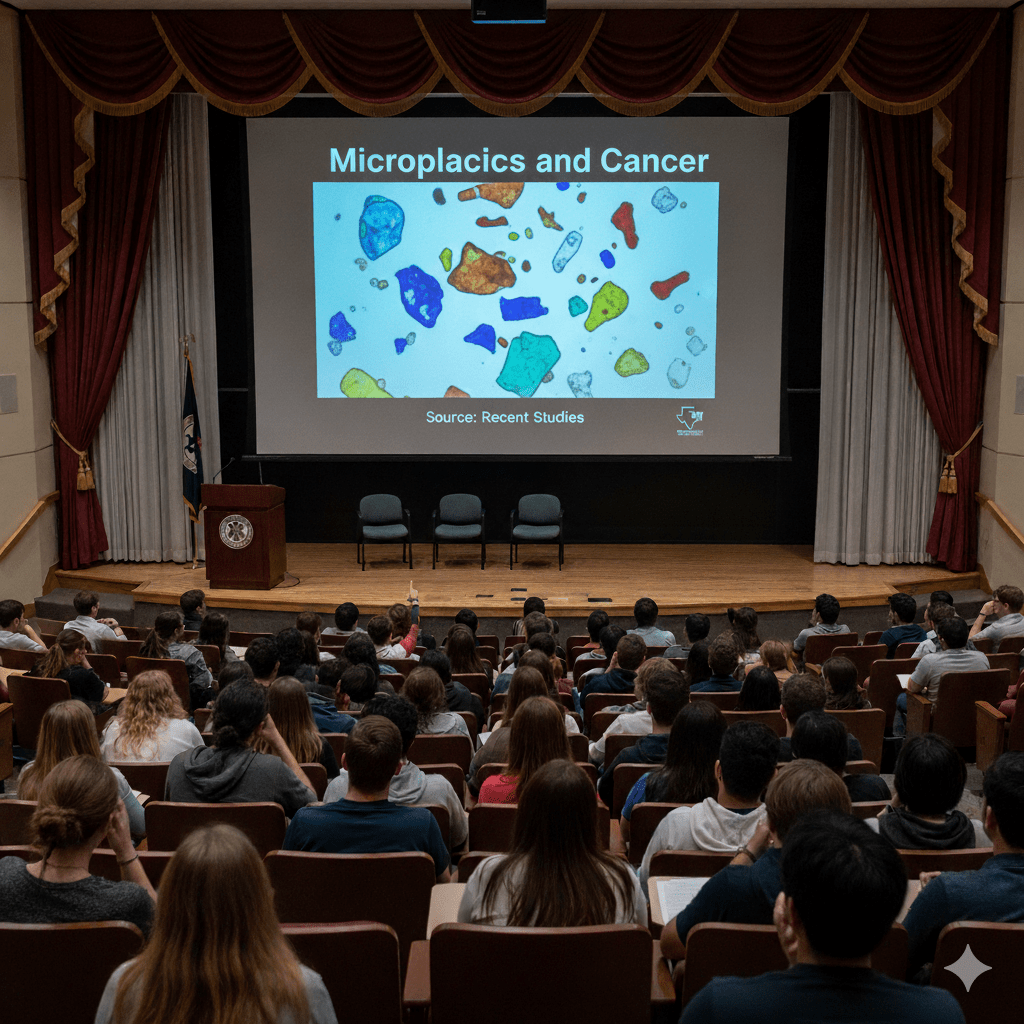
An Assessment of the Microplastic Crisis: Health, Environmental Impacts, and the Path Forward
Microplastic pollution has emerged as one of the most pressing and complex challenges of our time, transcending a simple environmental problem to become a direct threat to human health and planetary systems. While the scientific community is still in the early stages of understanding the full scope of this crisis, the existing evidence paints a compelling and urgent picture.
The Link Between Microplastics and Human Health
The idea that microplastics could affect our health is not just theoretical; it’s grounded in a growing body of scientific evidence. Microplastics, and their even smaller counterparts, nanoplastics, are now found in virtually every corner of the Earth, including within the human body.
How We’re Exposed and How They Get In
Human exposure to microplastics occurs primarily through the air we breathe and the food and water we consume. The sheer scale of this exposure is illustrated by the estimate that the average person may ingest the equivalent of a credit card’s worth of plastic each week. Recent studies have also documented the presence of microplastics in an expanding list of human tissues and organs, including the blood, lungs, brain, testicles, and placenta, indicating that these particles can cross the body’s protective biological barriers.
Biological Mechanisms of Harm
Scientists are now exploring the biological mechanisms by which these particles may cause harm. Microplastics are not just inert—they can act as a physical and chemical vector for a range of health issues.
- Chronic Inflammation: The physical presence of microplastics can cause mechanical irritation, triggering an immune response and chronic inflammation. This is a significant concern because chronic, low-grade inflammation is a known risk factor for various diseases, including heart disease and certain cancers.
- Genotoxicity: Research has shown that microplastics and the chemicals they carry can damage DNA and alter gene expression, a process known as genotoxicity. This is a critical point because DNA damage is a fundamental step in the development of cancer.
- Endocrine Disruption: Plastics are made with and adsorb a cocktail of chemicals, including endocrine-disrupting chemicals (EDCs) like BPA and phthalates. These EDCs can interfere with the body’s hormonal systems, which can lead to a host of problems, including hormone-sensitive cancers and reproductive issues.
Is There a Link to Cancer?
While a direct, causal link between microplastics and cancer in humans has not yet been definitively established, the evidence is strong enough to warrant serious concern. The U.S. National Cancer Institute and other researchers are actively investigating this relationship. Recent reviews suggest a “suspected link” to lung and colon cancers, and a landmark study published in the New England Journal of Medicine in March 2024 provided alarming correlational data.
The study found that patients with microplastics in the plaque of their arteries had a 450% higher risk of heart attack, stroke, or death over a three-year period compared to those who did not. While this does not prove causation, the magnitude of the increased risk has been described by experts as an “alarm that needs to be taken seriously.”
The Glass vs. Plastic Dilemma
The question of whether we should return to using glass containers is a complex one, pitting personal health against environmental impact. The answer is not as simple as it seems.
- The Case for Glass (Personal Health): From a personal health standpoint, glass is the superior choice. It’s an inert, non-porous material that doesn’t leach harmful chemicals like BPA or phthalates into food, even when heated. For microwaving or storing acidic and oily foods, glass offers a clear safety advantage.
- The Case for Plastic (Environmental Impact): A deeper look at the full Life Cycle Assessment (LCA) of each material reveals a significant environmental trade-off. Glass is far more energy-intensive to produce and, due to its heavy weight, dramatically increases carbon emissions during transportation. For example, a single-use plastic bottle can weigh as little as 40 grams, compared to an 800-gram glass bottle of the same size. Multiple LCAs have concluded that a plastic system can have a lower overall carbon footprint than a comparable glass system.
The most effective solution isn’t to make a binary choice between glass and plastic, but rather to prioritize longevity and reuse. By using either material for as long as possible, we can significantly reduce its environmental footprint. For consumers, the best strategy is to make strategic choices: use glass for heating and long-term storage of food, and hand-wash all plastic containers to prevent wear and tear.
Is It “Man’s Worst Pollution Ever?”
The statement that microplastic pollution may be “man’s worst pollution of the Earth ever” is a powerful reflection of the problem’s unique severity. While other pollutants have caused immense harm, microplastics are distinct due to their ubiquity and their powerful connection to other crises.
The Intertwined Crisis with Climate Change
Microplastic pollution is not a standalone problem; it is fundamentally intertwined with the global climate crisis, creating a dangerous feedback loop.
- Production and Incineration: The entire lifecycle of plastic—from its origin as a fossil fuel to its final disposal—is a significant source of greenhouse gas (GHG) emissions. The plastic industry accounted for 3.4% of global GHG emissions in 2019.
- Interference with Carbon Sinks: Once in the environment, microplastics actively hinder the planet’s natural ability to mitigate climate change. They can interfere with the ocean’s “biological carbon pump,” a crucial process that stores vast amounts of carbon by disrupting the phytoplankton and zooplankton that drive it.
This interconnectedness—where the production of plastic contributes to climate change, and the resulting pollution then interferes with the very systems designed to absorb carbon—is what makes microplastic pollution such a uniquely pervasive and potentially catastrophic threat.
The Path Forward: A Global Call to Action
To address this crisis, the solution cannot be limited to individual consumer choices. It requires systemic change on a global scale.
- Policy and Regulation: The current regulatory landscape is fragmented. However, a major step forward is the ongoing negotiation of a global, legally binding treaty to end plastic pollution at the United Nations. This treaty aims to address the full lifecycle of plastic, though key negotiations are still underway.
- Future Research: Significant knowledge gaps remain. Scientists are still working to standardize research methods to better understand how long microplastics stay in the human body, whether certain types of plastic are more harmful, and what the long-term health effects of exposure are.
Ultimately, the solution to the microplastic crisis lies in a unified, urgent, and ambitious response from policymakers, industry leaders, and consumers. The evidence is clear: this is a multifaceted crisis that demands a holistic approach to reduce unnecessary plastic, improve waste management, and create a legally binding framework to protect both human health and the planet.
Sources used in the report
timesofindia.indiatimes.comMicroplastic risk: Are you eating plastic? 7 common kitchen items that are secretly full of microplastics (health hazards to know) Opens in a new window epa.govMicroplastics Research | US EPA Opens in a new window weforum.orgMicroplastics: Are we facing a new health crisis – and what can be done about it? Opens in a new window sinoglass.comGlass vs Plastic Storage Containers: Which is Best for Food Safety – SINOGLASS Opens in a new window timesofindia.indiatimes.comMicroplastics in the womb: What we know about risks to unborn … Opens in a new window med.stanford.eduMicroplastics and our health: What the science says Opens in a new window foodandwaterwatch.orgFood for Thought: Microplastics Are a Macroproblem Opens in a new window pmc.ncbi.nlm.nih.govMicroplastics in the Food Chain – PMC Opens in a new window news.stanford.eduWhat’s the deal with microplastics, the material that ‘never goes away’? | Stanford Report Opens in a new window plasticpollutioncoalition.orgWhat are Endocrine-Disrupting Chemicals? – Plastic Pollution Coalition Opens in a new window frontiersin.orgMicroplastics and human health: unveiling the gut microbiome disruption and chronic disease risks – Frontiers Opens in a new window academic.oup.comP1239 Microplastics are associated with biomarker of intestinal inflammation in a pilot analysis of the PLANET Study | Journal of Crohn’s and Colitis | Oxford Academic Opens in a new window pjoes.comDose-Dependent Genotoxicity and Gene Expression Induced by Oral Exposure to PVC-MPs in Mus musculus Opens in a new window researchgate.netGenotoxicity of Microplastics on Living Organisms: Effects on Chromosomes, DNA and Gene Expression – ResearchGate Opens in a new window mdpi.comEndocrine Toxicity of Micro- and Nanoplastics, and Advances in Detection Techniques for Human Tissues: A Comprehensive Review – MDPI Opens in a new window niehs.nih.govNew Research Highlights the Problem of Microplastic Pollution | GEH Opens in a new window mdpi.comFate and Removal of Microplastics from Industrial Wastewaters – MDPI Opens in a new window cancer.ucsf.eduMicroplastics in the Air May Be Leading to Lung and Colon Cancers Opens in a new window globalhealthnow.orgThe Macro Impacts of Microplastics | Global Health NOW Opens in a new window foodpackagingforum.orgMicroplastics early ’25 science round-up: presence in humans and health impacts Opens in a new window carawayhome.comPlastic, Ceramic, or Glass: Which Food Storage Container Is Right for You? | Caraway Opens in a new window napcor.comPET Life Cycle Assessment Report 2023 – NAPCOR Opens in a new window mdpi.comComparative Life Cycle Assessment of Two Different Packaging … Opens in a new window futuretracker.comGlass, Plastic, or Aluminium? Exploring the environmental impact of beverage containers Opens in a new window hhc.earthFood containers: glass or plastic? – Hedgehog Opens in a new window unep.orgEverything you should know about microplastics – UNEP Opens in a new window epa.govImpacts of Plastic Pollution | US EPA Opens in a new window news.mongabay.comMicroplastics pose risk to ocean plankton, climate, other key Earth systems – Mongabay Opens in a new window researchgate.net(PDF) Role of Microplastics in Global Warming and Climate Change: A Review Opens in a new window ciel.orgPlastic & Climate: The Hidden Costs of a Plastic Planet – Center for International Environmental Law | CIEL Opens in a new window pubs.acs.orgpubs.acs.org Opens in a new window pubs.acs.orgMicroplastics and Soil Greenhouse Gas Emissions: A Critical Reflection on Meta-Analyses | Environmental Science & Technology – ACS Publications Opens in a new window pmc.ncbi.nlm.nih.govMicroplastics in environment: global concern, challenges, and controlling measures – PMC Opens in a new window mp-1.itrcweb.orgRegulatory Context – Microplastics – ITRC Opens in a new window state.govPlastic Pollution – United States Department of State Opens in a new window worldwildlife.orgPlastics | Initiatives – WWF Opens in a new window congress.govInternational Agreement on Plastic Pollution: Negotiations … Opens in a new window worldwildlife.orgGlobal Plastics Treaty | Pages | WWF Opens in a new window Thoughts
 thelivingbreathingjamesbrown.com
You must be logged in to post a comment.