
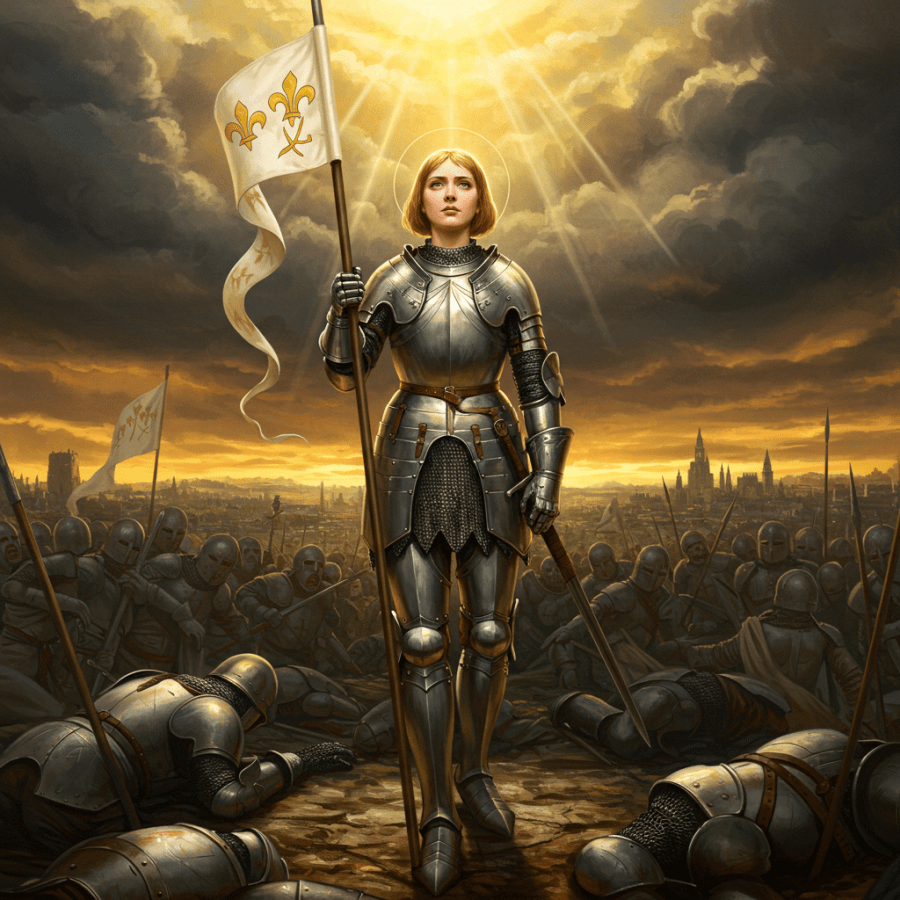
Here is a fantastic reimagining of the story, elevating the mythical elements and dramatic tension.
The Divine Spark of Orléans
For six long months, the great city of Orléans lay slowly suffocating under the iron fist of the English army. The French had lost all hope. Their king, Charles, was a forgotten figure, denied his crown and commanding a broken, demoralized remnant huddled behind crumbling city walls. They had known no victory for years, only a steady, crushing march toward total annihilation. The men had long since stopped looking to the heavens, convinced their prayers were met with only the cold silence of a god who had abandoned them.
But in the distant village of Domrémy, a young girl had been listening. Her name was Joan, and she heard not silence, but a symphony of divine voices—the clarion call of the Archangel Michael, the gentle counsel of Saint Catherine, and the fiery resolve of Saint Margaret. They were not a whisper, but a command: to reclaim France and restore its rightful king. Their divine purpose was not a suggestion, but an order etched into her soul.
When Joan arrived at the French court, she was a figure of scorn. She was a peasant girl in a world of lords and generals, with no education and no experience in the art of war. But her conviction was a force of nature, a flame that could not be extinguished. She did not speak of military tactics or battle plans; she spoke of a divine will so absolute it transcended all logic. She would not lead with a sword, for she would not take a life, but with a banner of pure white silk, emblazoned with the lilies of France and the holy name of Jesus. With no other hope left to them, the weary French leaders, against all reason and the counsel of their peers, surrendered to her impossible demand.
She rode to Orléans in armor that gleamed like a star, a beacon of impossible hope against the gray shroud of despair. To the soldiers, she was a living miracle. She did not command, she inspired. Her words were not orders, but sacred verses that spoke to the deepest part of their souls, reminding them of God’s grace and their holy purpose. For the first time in years, the French looked up. They saw a sign in her unwavering gaze, a promise that their destiny was not defeat but a divine victory.
On the battlefield, the clash of steel was as fierce as ever, but the French spirit was utterly transformed. Joan’s banner was everywhere at once, a pulsing heart of courage that drew them forward. The English, so certain of their conquest, were suddenly on the defensive, bewildered by the impossible fury and renewed conviction of their enemies.
As the French surged forward, a great wind, which had been blowing steadily against them all day, suddenly and violently reversed direction. It whipped at the English lines, tangling their standards and casting a blinding curtain of dust into their faces. A great cry went up from the French troops: it was God’s breath, a tangible sign of divine intervention. They stormed the English forts, pushing them back with a fury born of sacred faith.
In a matter of days, the utterly impossible had happened. The Siege of Orléans was broken. The English had retreated, and the city was free. For the French, it was not an ordinary victory; it was a miracle, a visible act of God’s favor delivered by a simple peasant girl who had listened when no one else would. She had not come to fight, but to remind a nation that its fate was not in the hands of men, but in the hands of a higher power. With that faith reignited, the French began their long, slow march toward a total victory.
It was nothing short of Divine Intervention…
Now read another book of hope-


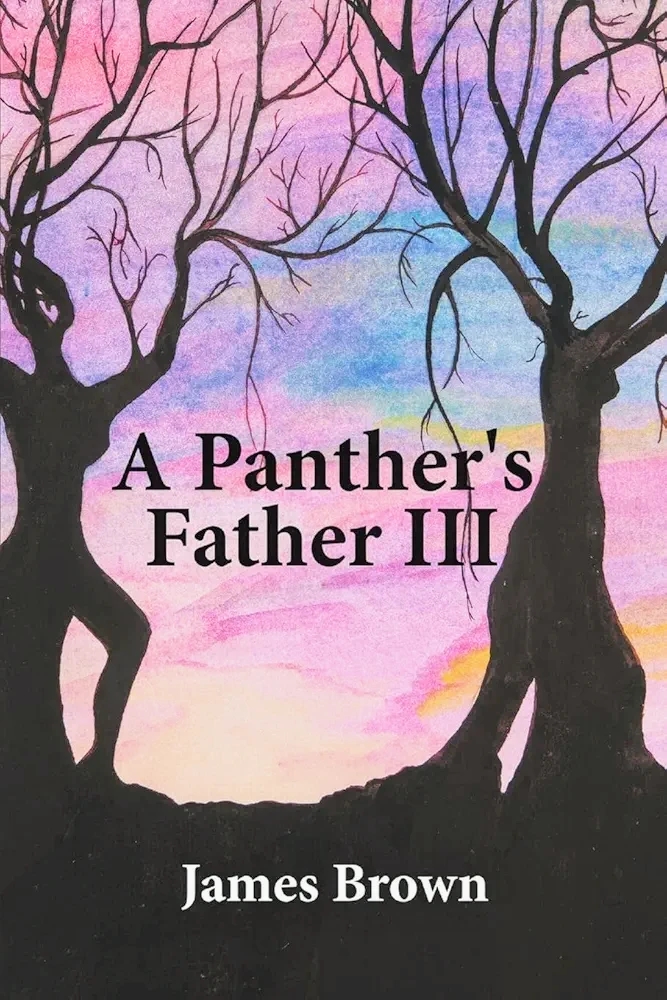
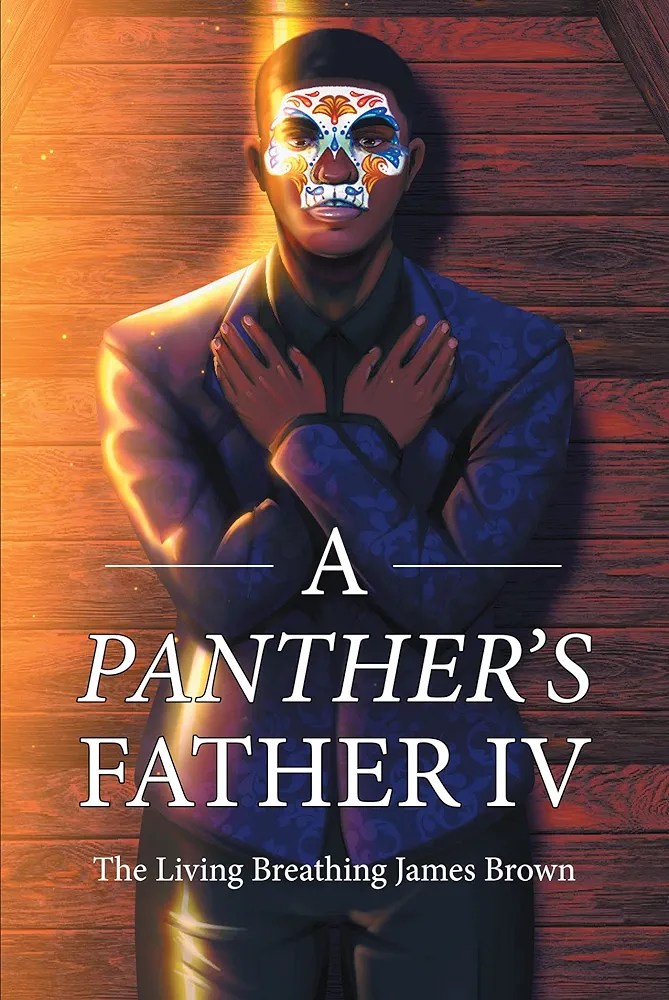

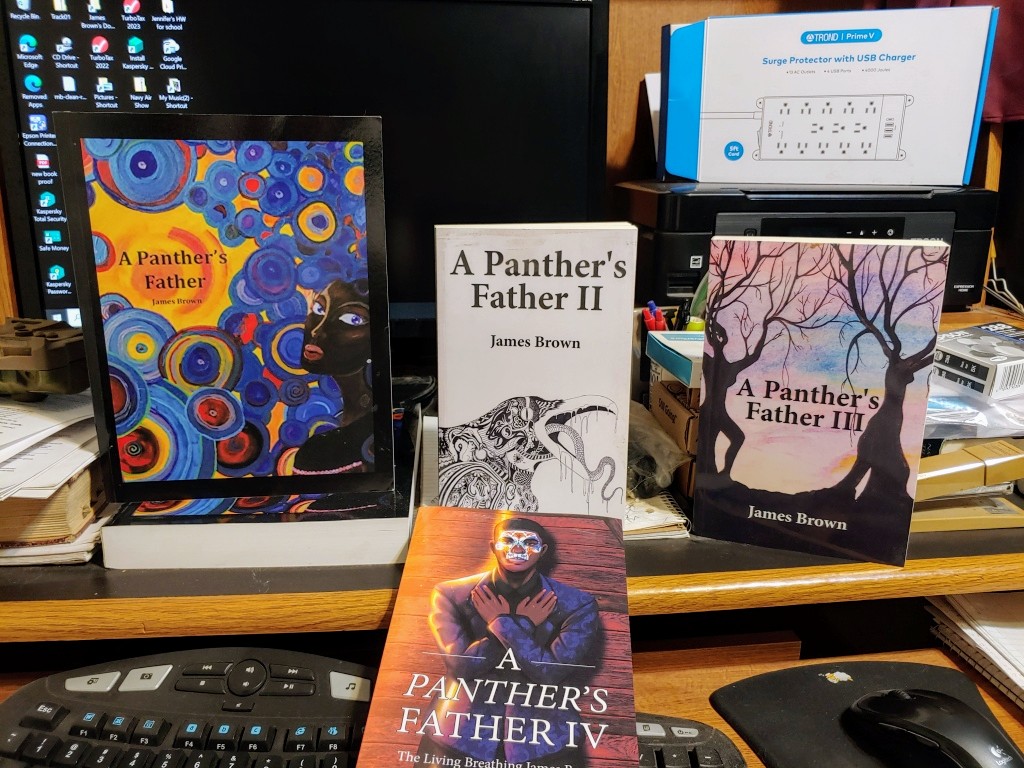
 thelivingbreathingjamesbrown.com
You must be logged in to post a comment.