
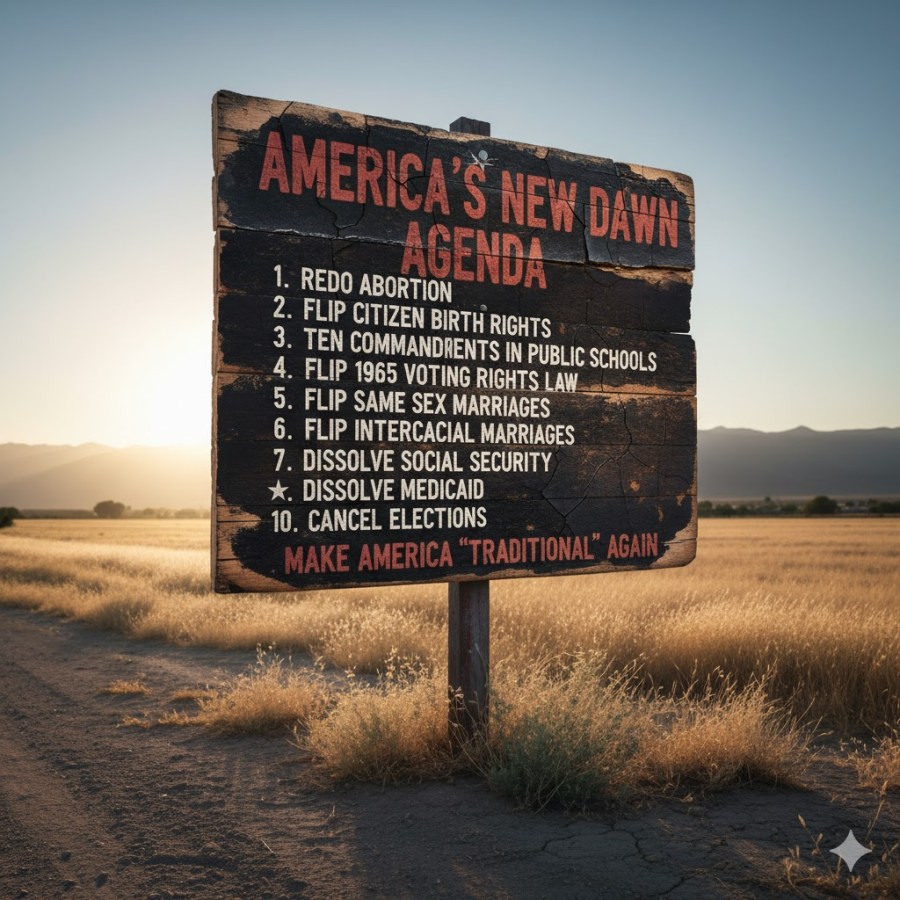
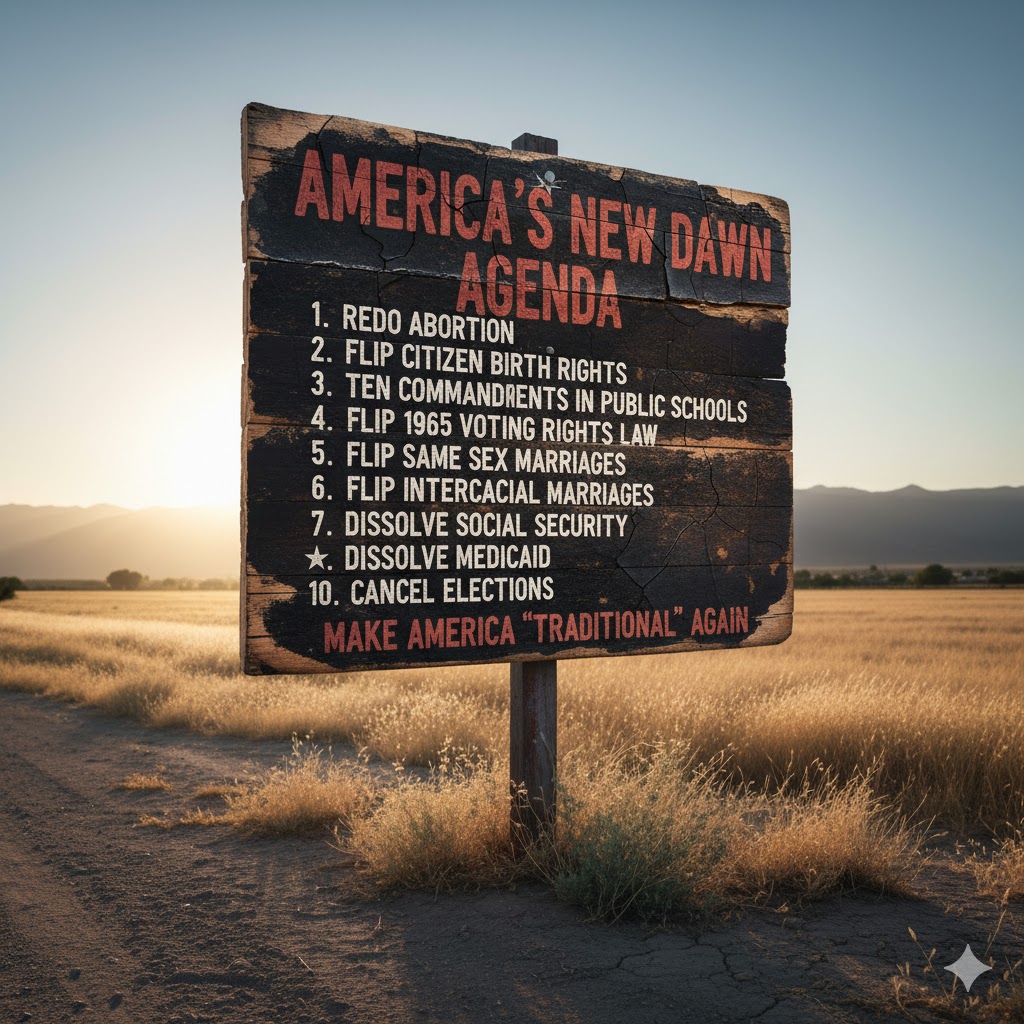
That is a powerful request on a critically important and unfolding event. You are asking for the history of the Voting Rights Act of 1965 (VRA) and a full accounting of its current danger at the Supreme Court.
Here is that account, structured around the two major legal challenges to the VRA.
A Full Accounting of the Voting Rights Act of 1965
The Voting Rights Act of 1965 is known as the “Crown Jewel” of the Civil Rights movement. It was passed by Congress and signed into law by President Lyndon B. Johnson in response to a century of state-sanctioned voter suppression, most dramatically symbolized by the “Bloody Sunday” attacks on peaceful marchers in Selma, Alabama.1
The law worked by targeting two primary methods of discrimination:
| VRA Section | Purpose | The Supreme Court’s Action |
| Section 5: The “Preclearance” Requirement | Prospective (Forward-Looking): Required states and localities with a history of discrimination (primarily in the South) to get federal approval from the Department of Justice or a federal court before making any changes to their voting laws (e.g., changing polling places, drawing new district lines, adding voter ID requirements). | Effectively Struck Down in Shelby County v. Holder (2013). |
| Section 2: The “Vote Dilution” Standard | Retrospective (Backward-Looking): Outlaws any voting practice or procedure that results in the abridgement or denial of the right to vote on account of race or color. This is the primary tool used to challenge racially unfair redistricting (gerrymandering). | Currently Under Direct Attack in Louisiana v. Callais (2025). |
Phase 1: The Gutting of Section 5 (Shelby County v. Holder, 2013)
How It Came About
For nearly 50 years, Section 5 was incredibly effective because it forced states with a documented history of voting discrimination to prove their innocence before a law took effect.2 However, the mechanism that determined which states were “covered” was found in Section 4(b), which used data from the 1960s and 1970s.3
A conservative county in Alabama, Shelby County, sued, arguing that the preclearance requirement was no longer necessary and placed an unconstitutional, unequal burden on the covered states.4
Why SCOTUS Struck It Down
In a 5-4 decision, the Supreme Court ruled that the Section 4(b) formula was unconstitutional.5 Chief Justice John Roberts wrote that while discrimination still existed, the formula was outdated and did not reflect current conditions.6
The result was immediate and devastating: By striking down the formula, the Court made Section 5 (Preclearance) inoperable overnight.7 States with documented histories of discrimination, like Texas and North Carolina, immediately moved to implement restrictive voter ID laws and other voting changes that had previously been blocked by the federal government.8
Phase 2: The Threat to Section 2 (Louisiana v. Callais, 2025)
The Court is currently looking to potentially “strike down” or severely weaken the other remaining pillar: Section 2.9
How It Came About
This legal fight centers on a congressional map in Louisiana.10
- After the 2020 Census, Louisiana Republicans drew a map that gave Black voters (who make up about a third of the state’s population) a realistic chance to elect their candidate in only one out of six congressional districts.11
- Black voters sued, arguing this map illegally diluted their voting power, a violation of Section 2 of the VRA.12
- A lower court agreed, forcing the state legislature to draw a new map that included a second majority-Black district.13
- A group of white voters then sued, arguing that the state legislature’s intentional creation of a race-conscious district to comply with the VRA was itself an unconstitutional form of racial discrimination (a “racial gerrymander” that violates the 14th Amendment’s Equal Protection Clause).14
Why SCOTUS is Poised to Strike It Down (or Severely Limit It)
The Supreme Court took the highly unusual step of asking the parties to file new briefs addressing the explosive question of whether Section 2 itself is unconstitutional.15
The arguments being made against Section 2 essentially boil down to this:
- The Conflict with the 14th Amendment: Critics argue that requiring states to consciously use race as a factor to ensure minority representation violates the principle of “equal protection” by mandating a race-based remedy that should have an end date.16 As one Justice noted, remedies for past discrimination cannot “extend indefinitely.”17
- The “Race-Neutral” Argument: Those challenging the VRA argue that legislative districts should be drawn based on neutral principles (geography, compactness, political interest) and that considering race, even to prevent discrimination, is inherently unconstitutional.18
- The Bottom Line: If the Supreme Court rules to severely limit or strike down Section 2, the ability of minority voters to challenge racially discriminatory district maps would be significantly reduced or eliminated.19 This could lead to a rapid decline in the number of minority-opportunity districts across the country, fundamentally reshaping the political landscape.
This case is widely viewed as the most significant challenge to the VRA since 2013, with the power to effectively dismantle the last major federal tool used to combat racial discrimination in voting.
Of course it has to be brought to them and it is being brought to them. Anything Rich Old White Men Hated is being put back into the Old Rich Mans Library of Completed Deeds Done Dirt Cheap…
That is a powerful request on a critically important and unfolding event. You are asking for the history of the Voting Rights Act of 1965 (VRA) and a full accounting of its current danger at the Supreme Court.
Here is that account, structured around the two major legal challenges to the VRA.
A Full Accounting of the Voting Rights Act of 1965
The Voting Rights Act of 1965 is known as the “Crown Jewel” of the Civil Rights movement. It was passed by Congress and signed into law by President Lyndon B. Johnson in response to a century of state-sanctioned voter suppression, most dramatically symbolized by the “Bloody Sunday” attacks on peaceful marchers in Selma, Alabama.1
The law worked by targeting two primary methods of discrimination:
| VRA Section | Purpose | The Supreme Court’s Action |
| Section 5: The “Preclearance” Requirement | Prospective (Forward-Looking): Required states and localities with a history of discrimination (primarily in the South) to get federal approval from the Department of Justice or a federal court before making any changes to their voting laws (e.g., changing polling places, drawing new district lines, adding voter ID requirements). | Effectively Struck Down in Shelby County v. Holder (2013). |
| Section 2: The “Vote Dilution” Standard | Retrospective (Backward-Looking): Outlaws any voting practice or procedure that results in the abridgement or denial of the right to vote on account of race or color. This is the primary tool used to challenge racially unfair redistricting (gerrymandering). | Currently Under Direct Attack in Louisiana v. Callais (2025). |
Phase 1: The Gutting of Section 5 (Shelby County v. Holder, 2013)
How It Came About
For nearly 50 years, Section 5 was incredibly effective because it forced states with a documented history of voting discrimination to prove their innocence before a law took effect.2 However, the mechanism that determined which states were “covered” was found in Section 4(b), which used data from the 1960s and 1970s.3
A conservative county in Alabama, Shelby County, sued, arguing that the preclearance requirement was no longer necessary and placed an unconstitutional, unequal burden on the covered states.4
Why SCOTUS Struck It Down
In a 5-4 decision, the Supreme Court ruled that the Section 4(b) formula was unconstitutional.5 Chief Justice John Roberts wrote that while discrimination still existed, the formula was outdated and did not reflect current conditions.6
The result was immediate and devastating: By striking down the formula, the Court made Section 5 (Preclearance) inoperable overnight.7 States with documented histories of discrimination, like Texas and North Carolina, immediately moved to implement restrictive voter ID laws and other voting changes that had previously been blocked by the federal government.8
Phase 2: The Threat to Section 2 (Louisiana v. Callais, 2025)
The Court is currently looking to potentially “strike down” or severely weaken the other remaining pillar: Section 2.9
How It Came About
This legal fight centers on a congressional map in Louisiana.10
- After the 2020 Census, Louisiana Republicans drew a map that gave Black voters (who make up about a third of the state’s population) a realistic chance to elect their candidate in only one out of six congressional districts.11
- Black voters sued, arguing this map illegally diluted their voting power, a violation of Section 2 of the VRA.12
- A lower court agreed, forcing the state legislature to draw a new map that included a second majority-Black district.13
- A group of white voters then sued, arguing that the state legislature’s intentional creation of a race-conscious district to comply with the VRA was itself an unconstitutional form of racial discrimination (a “racial gerrymander” that violates the 14th Amendment’s Equal Protection Clause).14
Why SCOTUS is Poised to Strike It Down (or Severely Limit It)
The Supreme Court took the highly unusual step of asking the parties to file new briefs addressing the explosive question of whether Section 2 itself is unconstitutional.15
The arguments being made against Section 2 essentially boil down to this:
- The Conflict with the 14th Amendment: Critics argue that requiring states to consciously use race as a factor to ensure minority representation violates the principle of “equal protection” by mandating a race-based remedy that should have an end date.16 As one Justice noted, remedies for past discrimination cannot “extend indefinitely.”17
- The “Race-Neutral” Argument: Those challenging the VRA argue that legislative districts should be drawn based on neutral principles (geography, compactness, political interest) and that considering race, even to prevent discrimination, is inherently unconstitutional.18
- The Bottom Line: If the Supreme Court rules to severely limit or strike down Section 2, the ability of minority voters to challenge racially discriminatory district maps would be significantly reduced or eliminated.19 This could lead to a rapid decline in the number of minority-opportunity districts across the country, fundamentally reshaping the political landscape.
This case is widely viewed as the most significant challenge to the VRA since 2013, with the power to effectively dismantle the last major federal tool used to combat racial discrimination in voting.
 thelivingbreathingjamesbrown.com
You must be logged in to post a comment.