

Nothing! Absolutely NOTHING prepared me for ELLIS
“THE SNAKEPIT” and it’d Bite the Best at anytime, any second could be your Last.
But God got me thru it. And Thank You Heavenly Father. Thank you Jesus.

At night the skeletons of the Dead danced in the Windows of the Building. An eerie glow could be seen on their faces.
In 1978, the
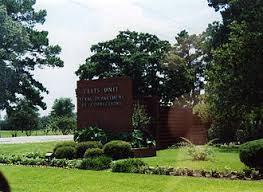
Ellis Unit in Riverside, Texas, was a maximum-security prison housing Texas’ male death row. Conditions were considered exceptionally harsh and brutal, even for the Texas Department of Corrections (TDC), which was widely condemned for inmate abuse and neglect. The systemic failures at Ellis and other TDC facilities came into focus with the 1978 trial of the landmark prison reform case, Ruiz v. Estelle.
Overview of conditions
- Location and design: The Ellis Unit was situated in Walker County, near Huntsville. It was designed to be the strictest prison in the state, with harsh conditions and extreme heat.
- Convict labor: Despite the abolition of chain gangs, hard labor in agricultural fields, particularly picking cotton, was standard for inmates. Guards on horseback, armed with rifles, would supervise the field workers.
- “Building Tender” system: This inmate-led system was how order was maintained at the facility. Physically powerful “building tenders” brutally enforced discipline and controlled other inmates in exchange for privileges from the administration. This system was later dismantled by a court order, leading to a period of gang violence.
- Abuse and brutality: Inmates were routinely subjected to severe physical abuse by guards and the building tenders. Testimonies from the 1978 Ruiz trial included horrific accounts of brutality, with one lawyer describing it as “obtained by fear”.
- General neglect: Poor living conditions, overcrowding, inadequate healthcare, and poor food were rampant throughout the Texas prison system. Inmates lived in squalor, and basic health and safety codes were not enforced.
- Death row: At the time, Ellis housed the state’s male death row. While privileges at the time were described as “reasonable… within security confines,” with access to some recreation and work, conditions and privileges for condemned inmates declined over the years.
The Ruiz v. Estelle trial (1978–1979)
- Trial proceedings: In October 1978, a federal trial began in a lawsuit filed years earlier by inmate David Resendez Ruíz. The trial examined systemic abuses across the TDC and took a full year to complete, with 349 witnesses providing testimony.
- News blackout and strike: In the fall of 1978, hundreds of inmates at multiple Texas prisons, including Ellis, staged a work stoppage in solidarity with the Ruiz case. In October 1978, TDC Director W.J. Estelle imposed a news blackout on reports of the strike. During this time, riots broke out at other facilities, and dozens of inmates and guards were injured.
- Key outcome: Though the final judgment with sweeping reforms came in 1980, the 1978 trial phase is what first publicly exposed the unconstitutional conditions at Ellis and throughout the TDC. Federal Judge William Wayne Justice ultimately found that the conditions amounted to cruel and unusual punishment.
News and media coverage
- Texas Monthly article (December 1978): Journalist Bruce Jackson published an in-depth article, “Hard Time,” in Texas Monthly that described the daily work and harsh realities of prison life at the Ellis Unit during this pivotal year.
- New York Times article (November 1978): A report from The New York Times highlighted the work strike and brutal conditions documented in the ongoing trial, including an account of an inmate being severely beaten and mauled by dogs during an escape attempt.
What jobs did inmates do at Ellis Unit in 1978?
Were there other notable events at Ellis in 1978?
How did the building tender system work?
Ellis Unit – Wikipedia

Wikipedia
Hard Time – Texas Monthly

Texas Monthly
 thelivingbreathingjamesbrown.com
You must be logged in to post a comment.