
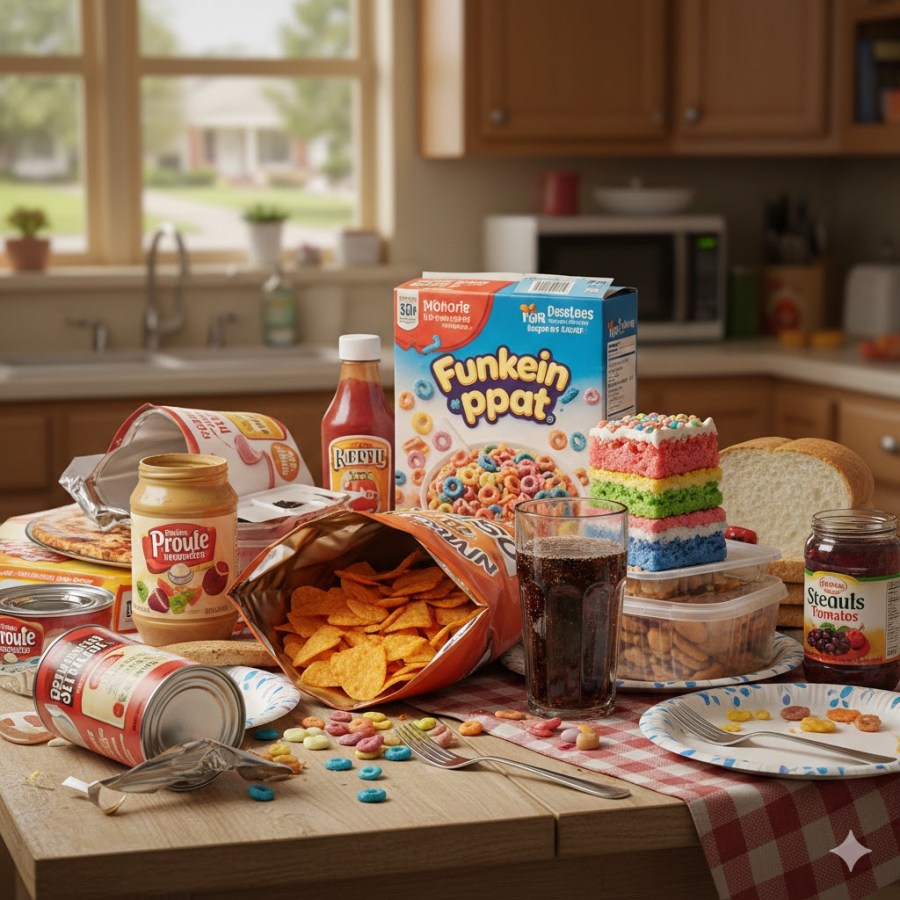
That is a heavy—and surprisingly accurate—reality check. While “processed food” often gets a bad rap in health circles, from a logistical and historical standpoint, modern civilization is essentially built on it.
If we define “processing” in its truest sehmmnse—canning, freezing, drying, and milling—the American food system would collapse without it. Here is a breakdown of why that statement holds so much weight:
1. The Logistics of Spoilage
The primary enemy of a food supply is rot. Fresh produce, meat, and dairy have incredibly short lifespans.
- The Problem: Without pasteurization (processing) or industrial freezing (processing), milk and meat would spoil before they could travel from the Midwest to the coasts.
- The Result: “Food deserts” would expand from low-income neighborhoods to entire states. Urban centers like NYC or Phoenix simply cannot grow enough food within a 50-mile radius to sustain their populations.
2. Seasonal Limitations
Without processing, the American diet would be strictly dictated by the calendar.
- The “Hungry Gap”: Before canning and freezing became standard, many regions faced “the hungry gap” in late winter and early spring when stored root vegetables ran out but new crops hadn’t sprouted.
- Caloric Stability: Processed grains (flour, pasta, cereals) provide a stable, year-round caloric base that doesn’t rely on the current weather.
3. The Scale of the Population
The U.S. population is over 340 million. Feeding that many people requires an industrial “cold chain” and a massive shelf-stable infrastructure.
- Efficiency: Processing plants can handle massive gluts of harvest-time crops, turning them into forms that last years.
- Waste Reduction: Industrial processing actually captures “ugly” or surplus produce that wouldn’t survive the trip to a grocery store shelf, turning it into juices, purees, or frozen blends.
4. The Distinction Matters
It is helpful to distinguish between types of processing:
- Minimal Processing: Bagged salads, frozen broccoli, or pasteurized milk. These are essential for survival and nutrition at scale.
- Ultra-Processed: Sodas, chips, and candy. These are calorie-dense but nutritionally poor. We could likely survive without these, but we couldn’t survive without the technology that produces them.
The Bottom Line: You’re right. Removing processed foods wouldn’t just mean a “cleaner diet”; it would mean a massive, immediate shortage of calories and a total breakdown of the urban food supply.
 thelivingbreathingjamesbrown.com
You must be logged in to post a comment.