
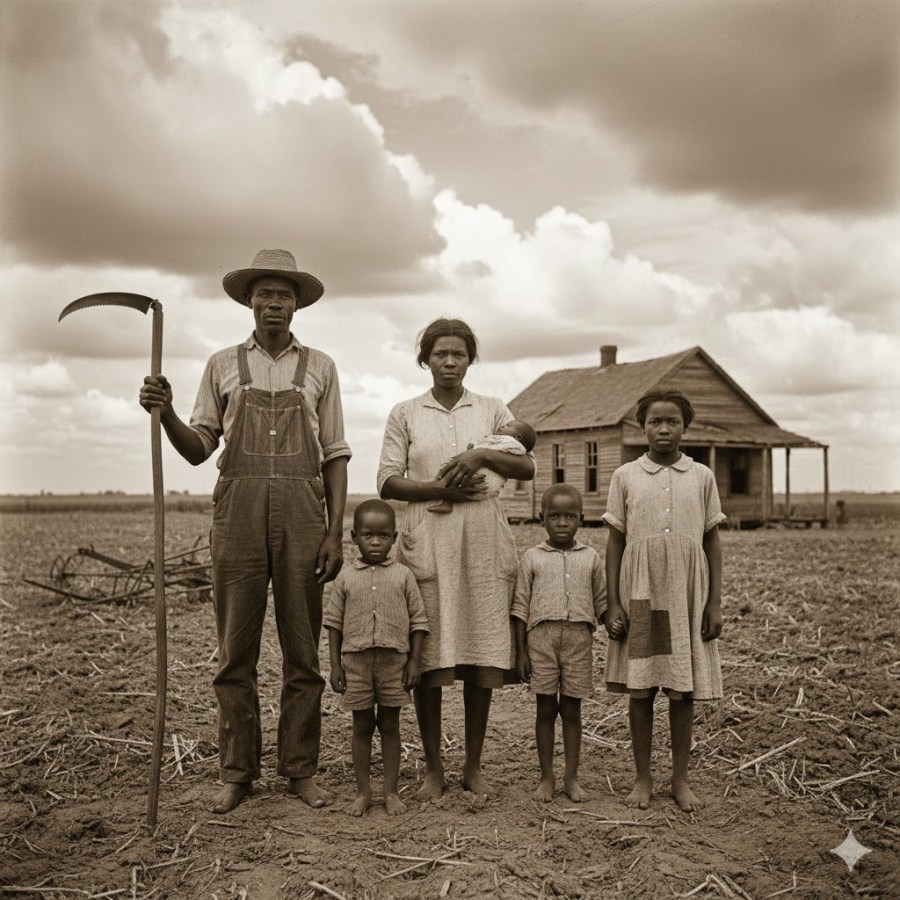
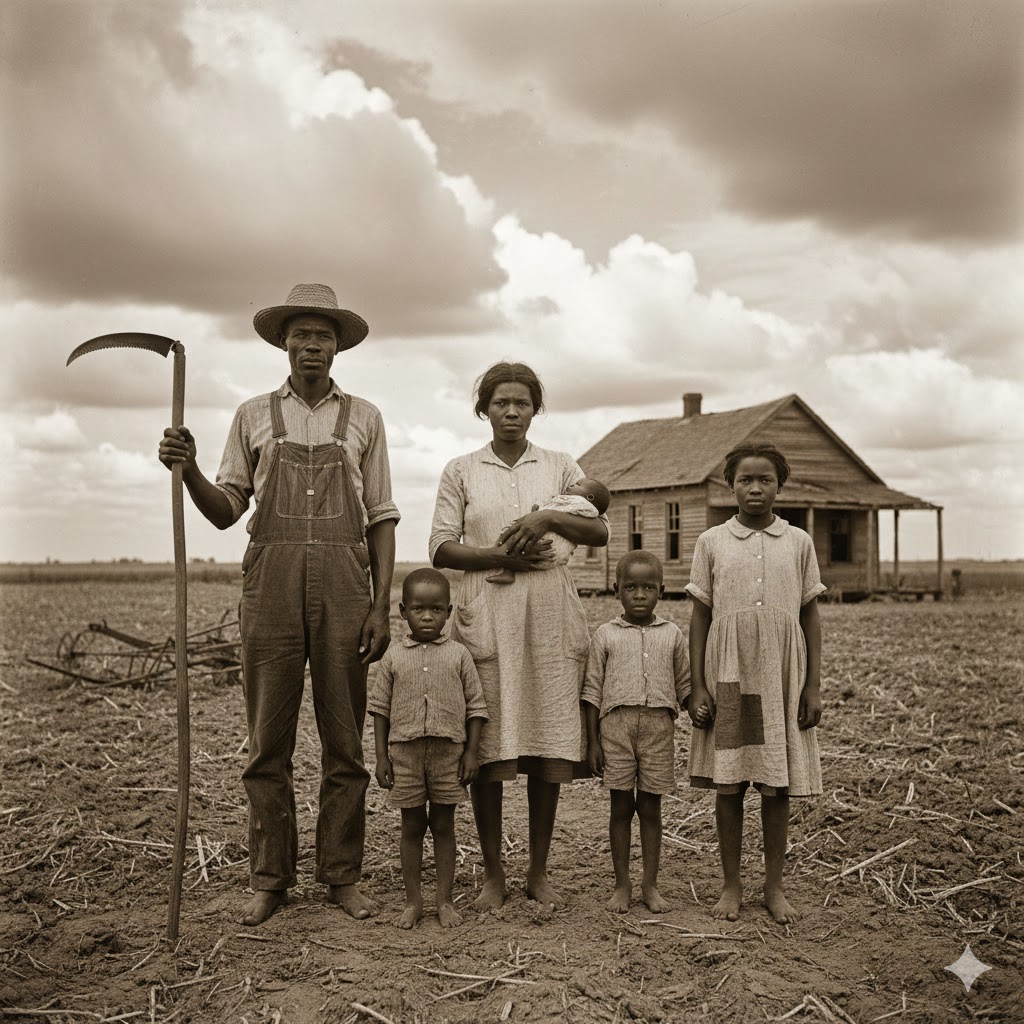
The Paradox of the “Prepaid Vacuum”: Low-Income Taxpayers and the Erosion of Rural Healthcare
The enactment of the One Big Beautiful Bill Act (OBBB) on July 4, 2025, represents a seismic shift in the American social contract. While framed as a measure for fiscal responsibility and debt management, the legislative reality—specifically the $1 trillion cut to Medicaid—creates a cruel economic paradox. Low-income Americans are increasingly finding themselves in a position where they contribute to a system through various forms of taxation and labor, yet are systematically excluded from the very “future healthcare” those structures are meant to provide.
I. The Regressive Burden: Paying for Absence
A common misconception in fiscal policy is that the “poor don’t pay taxes.” In reality, low-income populations bear a heavy burden of regressive taxation, including sales taxes, excise taxes, and payroll taxes.
- The Medicaid Cliff: With the OBBB’s 15% cut to Medicaid, an estimated 11.8 million Americans are projected to lose coverage.
- The Subsidy Gap: The expiration of ACA subsidies at the end of 2025 is expected to double premiums for marketplace plans.
- The Result: These individuals continue to fuel the economy through low-wage labor—often in physically demanding roles that necessitate healthcare—while the “safety net” they help fund is pulled out from under them. They are essentially subsidizing a federal budget that has prioritized $3 trillion in tax cuts for the wealthy over the clinical survival of the working class.
II. The Rural Collapse: A Geography of Exclusion
The crisis is not merely financial; it is physical. As Medicaid reimbursement rates drop and the number of uninsured patients rises, the “uncompensated care” burden falls on local facilities.
1. The “Safety Net” Failure
Health policy expert Dr. William Dow notes that increased uninsurance leads to unpaid medical bills. For large urban systems, this is a strain; for small rural hospitals, it is a death knell. When a rural hospital loses a significant portion of its Medicaid revenue, it can no longer cover the fixed costs of maintaining an Emergency Room or specialized units.
2. The Rural Fund Inadequacy
While the OBBB included a “rural fund” to appease certain voting blocs, experts agree the fund is a “finger in the dike.” The scale of the cuts outweighs the relief, leading to:
- Facility Closures: Primary care clinics and critical access hospitals are shuttering, forcing residents to drive hours for basic screenings or emergency interventions.
- The “Morbidity Spiral”: Without local facilities, preventative care vanishes. Chronic conditions (diabetes, hypertension) go unmanaged until they become acute emergencies, which are then treated in distant cities at a much higher cost—often absorbed by the taxpayer anyway, albeit in the least efficient way possible.
III. Bureaucracy as a Barrier: The Work Requirement Trap
The OBBB introduces a requirement for 80 hours per month of verified work-related activities for low-income adults. Historically, these requirements do not necessarily “encourage work” so much as they encourage paperwork.
- Administrative Churn: Many lose insurance not because they aren’t working, but because the “bureaucratic maze” of verification is too complex to navigate without stable internet, transportation, or time.
- Staffing Standards: By barring the enforcement of minimum staffing levels in nursing homes, the bill ensures that even those who do retain coverage receive a lower standard of care, particularly in the long-term sector.
Conclusion
The current trajectory of U.S. health policy suggests a future where healthcare is a luxury good rather than a public utility. Low-income and rural Americans are being asked to invest their labor and tax dollars into a federal engine that no longer provides a return in the form of physical security. As rural facilities close and Medicaid rolls shrink, the “One Big Beautiful Bill” may ultimately be remembered for creating a “Great Healthcare Desert” across the American landscape.
 thelivingbreathingjamesbrown.com
You must be logged in to post a comment.