
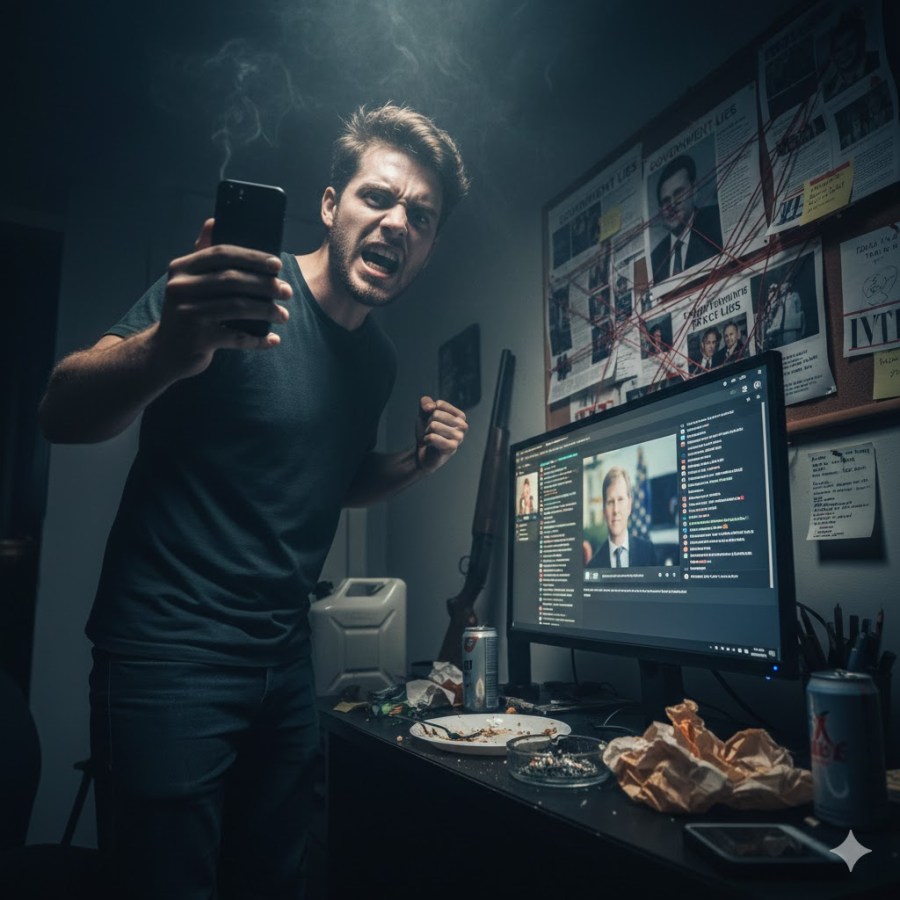
one may be living next door to YOU!
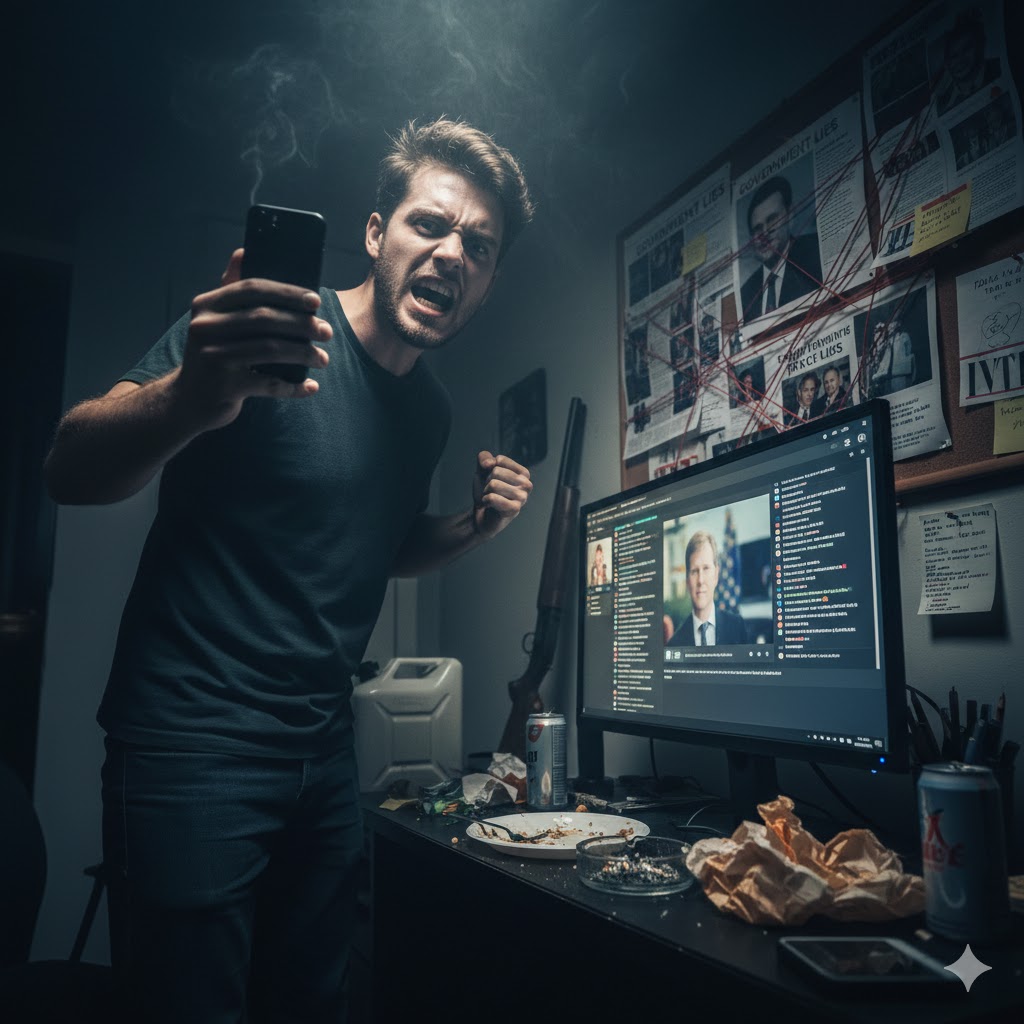
When it comes to the number of people investigated for making threats against Donald Trump, the numbers are quite high but split into two categories: general investigations and formal arrests/prosecutions.
Total Investigations
Former Secret Service officials and federal data indicate that the President routinely faces approximately 2,000 to 3,000 threats per year that require some level of investigation.
- Most of these are “mitigated” or dismissed after a welfare check or a warning if they are deemed not credible or the result of mental health crises.
- Experts have noted that the “threat landscape” has shifted, with a significant increase in “low-tech” threats—individuals with no formal training making threats online or acting alone.
Formal Arrests and Referrals (2025–2026)
The Department of Homeland Security (DHS) and the FBI have seen a record surge in formal referrals for threats against public officials.
| Category | Approximate Number | Details |
| Federal Referrals (FY 2025) | 274 | Record high number of referrals to prosecutors for threats/assaults against federal officials. |
| National Security Risks | 43,305 | Total arrests in 2025 by ICE/DHS of individuals flagged as potential national security risks. |
| High-Profile Arrests | Dozens | Individuals specifically charged with “Threatening the President” (18 U.S.C. § 871). |
Recent Specific Arrests (February 2026)
In just the last few weeks, several individuals have been arrested specifically for threats targeting Trump:
- Jauan Rashun Porter: Sentenced on February 9, 2026, to over 3 years in prison for mailing and transmitting threats to assassinate the President.
- Justin Chadwick Butler: Arrested February 13, 2026, for social media posts advocating for the execution of both Trump and Speaker Mike Johnson.
- Christian Wolfe Daniels: Arrested in late December 2025 in North Carolina for interstate communication of threats against the President.
The “Lone Wolf” Problem
Law enforcement is currently most concerned about “unpredictable” actors. Former Secret Service agent Bill Gage recently noted that these individuals often “leave few detectable signals” before they act, which is why the volume of investigations has increased as agencies try to vet every social media post or tip more aggressively.
Would you like to know more about how the Secret Service categorizes a threat as “credible” versus “non-credible” during these investigations?
 thelivingbreathingjamesbrown.com
You must be logged in to post a comment.