
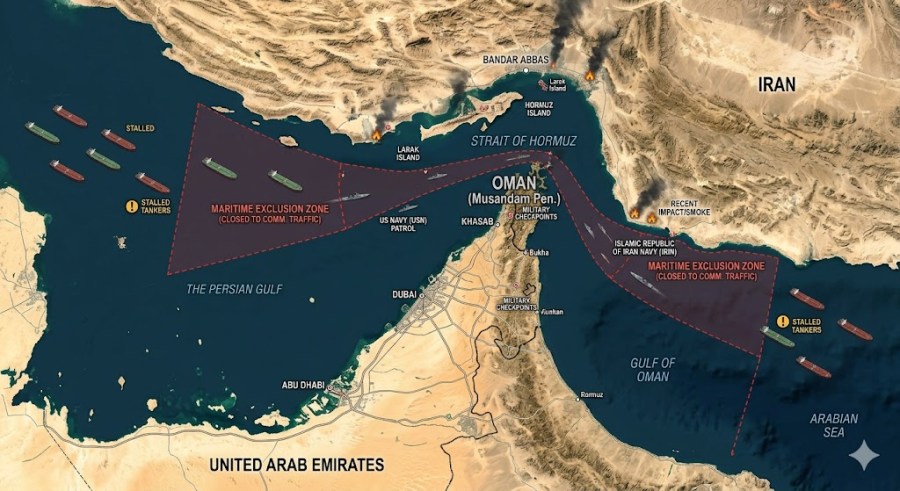
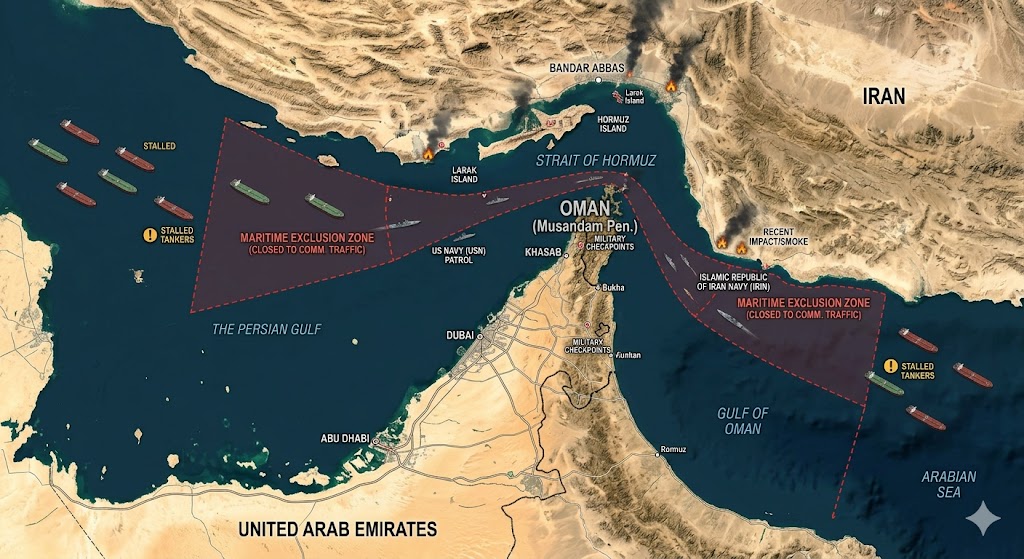
As of March 2026, the United States and Israel are currently engaged in a significant military conflict with Iran, known as Operation Epic Fury. The war began on February 28, 2026, following a massive wave of nearly 900 airstrikes.
The situation is highly volatile, and the following is a breakdown of the administration’s stated motivations, the international community’s perspective, and an assessment of the conflict’s potential duration.
1. The Role of “Feelings” and Imminent Threat
White House Press Secretary Karoline Leavitt has explicitly used the phrase “feeling based on fact” to describe President Trump’s decision-making process.
- The Administration’s View: The White House argues that the President had a “good feeling” that an Iranian attack on U.S. assets was imminent (within a 3-to-7-day window). They contend this feeling was backed by the “cumulative effect” of Iran’s nuclear progress, its ballistic missile buildup, and its status as a state sponsor of terrorism.
- The Intelligence Debate: While the administration cites “imminent threats,” critics in Congress—such as Representative Tim Kennedy—have noted that no specific intelligence of a planned Iranian strike has been shared with lawmakers. This has led to domestic debate over whether the war is a “preemptive” defense or a “war of choice.”
- Strategic Objective: The President has stated the goal is to “annihilate” Iran’s missile industry and ensure they “never have a nuclear weapon,” while openly calling for the overthrow of the Iranian regime.
2. Global Perspectives: What Nations Are Saying
The world is deeply divided over the legitimacy and necessity of the strikes.
| Group/Nation | Stance | Key Statements |
| United Kingdom, France, Germany | Cautious / Critical | Condemned Iranian retaliation but called for a resumption of diplomacy. PM Keir Starmer stated he does “not believe in regime change from the skies.” |
| Russia & China | Strong Condemnation | Both nations have condemned the strikes as a violation of Iranian sovereignty and called for an immediate halt to military action. |
| Middle Eastern Allies | Caught in Crossfire | Nations like the UAE, Saudi Arabia, and Jordan have condemned Iranian retaliatory strikes on their soil but have generally remained silent on the initial U.S. strikes. |
| Australia & Canada | Supportive | These nations have expressed open support for the U.S. and Israeli operation. |
| Spain & Italy | Strongly Opposed | Spain has refused to allow U.S. forces to use its bases, citing international law violations. |
3. Truthful Assessment of War Duration
Estimating the length of this conflict is difficult because it has already escalated beyond a “limited strike” into a regional war.
- Iran’s Resilience: The Islamic Revolutionary Guard Corps (IRGC) has claimed they can sustain an “intense war” at the current pace for at least six months. Despite the death of Supreme Leader Ali Khamenei in the initial strikes, the regime has quickly consolidated under a new leadership structure (a triumvirate including Mojtaba Khamenei).
- U.S. Confidence: President Trump has stated, “We’re winning the war by a lot,” suggesting the administration expects a relatively swift collapse of the regime.
- Economic Toll: The war is costing the U.S. an estimated $890 million to $1 billion per day. With the Strait of Hormuz effectively closed, global oil prices are rising, and the economic pressure on both the U.S. and its allies may dictate the war’s timeline more than military success alone.
- The “Quagmire” Risk: Military analysts warn that while the U.S. can destroy infrastructure from the air, achieving “regime change” or a total end to the missile threat often requires a protracted engagement. If the Iranian regime does not collapse internally as the White House hopes, the conflict could settle into a months-long war of attrition.
Current Status (March 11, 2026)
The war is currently entering its third week. While the U.S. and Israel have severely damaged Iran’s command structure, Iran’s retaliatory strikes continue to hit regional oil infrastructure and U.S. bases.
Would you like me to look into the specific economic impacts of the Strait of Hormuz closure on global markets?
As of March 11, 2026, the closure of the Strait of Hormuz has triggered what economists are calling the most significant energy shock in decades. With roughly 20% of the world’s oil and 20% of its Liquefied Natural Gas (LNG) normally passing through this narrow channel, the effective blockade has sent ripples far beyond the Persian Gulf.
Here is a truthful assessment of the economic fallout currently unfolding:
1. Energy Markets: The $100 Barrel Returns
Since the conflict began on February 28, oil prices have experienced extreme volatility, driven by both the physical blockade and reports of Iranian naval mines in the water.
- Price Spikes: Brent crude surged from roughly $70 to a peak of $126 per barrel on March 8. While it has recently “settled” around $90–$100, analysts at the EIA predict it will remain above $95 for at least the next two months.
- The “Gas Pump” Effect: In the U.S., national average gas prices have jumped from under $3.00 to $3.58 per gallon in just ten days. In Europe and Asia—which are far more dependent on Middle Eastern imports—the price increases are even more severe.
- LNG Crisis: QatarEnergy has declared force majeure on its shipments. This is devastating for nations like Pakistan, which relies on Qatar for 40% of its energy, and for European nations still recovering from previous energy crises.
2. The Invisible Crisis: Global Food Security
Perhaps the most overlooked impact is on fertilizer. About 33% of the world’s fertilizer supply (specifically urea and ammonia) passes through the Strait.
- Timing: The closure coincides with the peak spring planting season in the Northern Hemisphere.
- Consequences: A shortage of fertilizer today leads to lower crop yields tomorrow. Experts warn this could cause a “cascading effect” of food price inflation globally, hitting the Global South (specifically Sudan, Somalia, and Sri Lanka) the hardest.
3. Shipping and Logistics: The Long Way Around
The Strait isn’t just “blocked” by ships; it’s blocked by risk.
- Insurance Collapse: War-risk insurance premiums for the region have increased 12-fold. Many insurers have canceled coverage entirely for any vessel entering the Gulf, making it economically suicidal for ship owners to attempt the passage.
- The Cape of Good Hope: Major shipping giants like Maersk and Hapag-Lloyd have suspended all transits through the Strait and the Red Sea. They are now rerouting ships around the southern tip of Africa.
- Extra Time: Adds 10–14 days to the journey.
- Extra Cost: Adds roughly $1 million in fuel per ship.
- Consumer Impact: Maersk’s CEO has warned that these costs—roughly $200 extra per container—will be passed directly to consumers, affecting the price of everything from electronics to clothing.
4. Economic “Winners” and Losers
The war is creating a sharp divide in global economic stability:
| The “Clobbered” (Importers) | The “Resilient” (Exporters) |
|---|---|
| Asia: China, Japan, India, South Korea (80% of Hormuz oil goes to Asia). | North America: The U.S. and Canada (High domestic production buffers the supply hit). |
| Europe: Faces high heating and industrial costs. | Norway: Benefiting from soaring European demand for non-Middle Eastern gas. |
| Pakistan/Fragile States: Facing potential total grid collapse and unrest. | Russia: Seeing increased revenues from its own oil exports as global prices rise. |
Final Assessment
The global economy is currently in a “nightmare scenario” that many hoped to avoid. If the U.S. Navy cannot successfully clear the Strait of mines and secure it for commercial traffic within the next 3 to 4 weeks, the IMF warns of a global recession risk and an additional 0.8% increase in global inflation.
Would you like me to track the current status of U.S. Navy efforts to de-mine the Strait and see if any tankers have successfully broken the blockade?
As of March 11, 2026, the naval standoff in the Strait of Hormuz has entered an intense and dangerous new phase. While the U.S. Navy is actively working to break the blockade, the situation remains a “de facto” closure for commercial shipping.
1. U.S. Navy Status: The Hunt for Mines
The Pentagon and U.S. Central Command (CENTCOM) have shifted focus from neutralizing Iran’s missile batteries to clearing the waterway itself.
- The “Mine War”: On March 10, the U.S. destroyed 16 Iranian mine-laying vessels in a single day. Intelligence reports suggest Iran has been using small, “dark” fast-boats—each carrying up to three mines—to saturate the narrowest parts of the Strait.
- De-mining Efforts: Specialist mine-countermeasure (MCM) ships and underwater drones are currently operating under heavy air cover to sweep the shipping lanes. President Trump has issued an ultimatum: “Remove the mines immediately, or face consequences at a level never seen before.”
- Blockade Runners: Success has been extremely limited. Since March 2, only two to seven large tankers (mostly part of Iran’s own “ghost fleet”) have successfully transited. For Western commercial tankers, the Strait is effectively impenetrable because insurance companies have completely withdrawn coverage, and the risk of being struck by a “suicide drone” or mine is considered near 100%.
2. Impact on Europe: The Double Squeeze
Europe is facing a dual crisis: a massive spike in prices and a looming threat to its physical energy security as it attempts to refill storage for next winter.
Fuel Costs (Oil & Diesel)
- Price Shock: Brent crude hit $126 per barrel earlier this week. For European drivers, this has translated to a roughly 15% to 20% increase in petrol and diesel prices at the pump in just ten days.
- The Diesel Crisis: Europe is particularly vulnerable to diesel shortages. With Middle Eastern refineries cut off, “cracks” (the profit margin on refining diesel) have surged by 200%. This is driving up the cost of trucking and shipping within the EU, which will likely lead to higher grocery prices within weeks.
LNG and Natural Gas
- The Qatar Factor: This is Europe’s biggest “pain point.” Qatar provides roughly 15% to 20% of the world’s LNG, and 100% of it is currently trapped behind the blockade.
- Price Spikes: The European benchmark gas price (Dutch TTF) surged 55% last week, reaching its highest level since the peak of the 2022 energy crisis.
- Competition with Asia: Because Asian countries (Japan, Korea, China) are even more dependent on the Strait, they are “outbidding” European utilities for the few remaining LNG cargoes available from the U.S. and West Africa.
Availability and Storage
- Inventory Levels: EU gas storage currently sits at about 30% capacity. Normally, March is when Europe begins the “refill season.” If the Strait remains closed for more than 30 days, analysts warn that Europe will enter next winter with dangerously low reserves, potentially forcing mandatory energy rationing for heavy industry in Germany and Italy.
- The “Norway Out”: Norway has increased production to its absolute maximum, but it can only replace a fraction of the lost Middle Eastern volume.
Summary Table: European Outlook
| Sector | Immediate Impact (1–2 Weeks) | Sustained Impact (1 Month+) |
| Electricity | 20% increase in wholesale prices. | Potential for industrial brownouts. |
| Heating Gas | High bills; storage withdrawals spike. | Mandatory “Demand Reduction” (rationing). |
| Diesel/Gasoline | Prices at €2.00+ per liter in many regions. | Supply shortages at some stations. |
| Economy | Inflationary “hiccup.” | High risk of a Eurozone recession. |
Truthful Assessment
While the U.S. Navy is successfully destroying the boats laying the mines, the physical clearing of the water takes time. Shipping companies will not return to the Strait until it is declared 100% safe, which may not happen for weeks. For Europe, this means the high prices you see today are likely just the beginning of a very expensive spring.
Would you like to monitor the next “Gas Coordination Group” meeting in Brussels to see if the EU officially triggers its emergency rationing protocols? And how this Oil and LNG Gas is hurting Europe?
As of March 11, 2026, the naval standoff in the Strait of Hormuz has entered an intense and dangerous new phase. While the U.S. Navy is actively working to break the blockade, the situation remains a “de facto” closure for commercial shipping.
1. U.S. Navy Status: The Hunt for Mines
The Pentagon and U.S. Central Command (CENTCOM) have shifted focus from neutralizing Iran’s missile batteries to clearing the waterway itself.
- The “Mine War”: On March 10, the U.S. destroyed 16 Iranian mine-laying vessels in a single day. Intelligence reports suggest Iran has been using small, “dark” fast-boats—each carrying up to three mines—to saturate the narrowest parts of the Strait.
- De-mining Efforts: Specialist mine-countermeasure (MCM) ships and underwater drones are currently operating under heavy air cover to sweep the shipping lanes. President Trump has issued an ultimatum: “Remove the mines immediately, or face consequences at a level never seen before.”
- Blockade Runners: Success has been extremely limited. Since March 2, only two to seven large tankers (mostly part of Iran’s own “ghost fleet”) have successfully transited. For Western commercial tankers, the Strait is effectively impenetrable because insurance companies have completely withdrawn coverage, and the risk of being struck by a “suicide drone” or mine is considered near 100%.
2. Impact on Europe: The Double Squeeze
Europe is facing a dual crisis: a massive spike in prices and a looming threat to its physical energy security as it attempts to refill storage for next winter.
Fuel Costs (Oil & Diesel)
- Price Shock: Brent crude hit $126 per barrel earlier this week. For European drivers, this has translated to a roughly 15% to 20% increase in petrol and diesel prices at the pump in just ten days.
- The Diesel Crisis: Europe is particularly vulnerable to diesel shortages. With Middle Eastern refineries cut off, “cracks” (the profit margin on refining diesel) have surged by 200%. This is driving up the cost of trucking and shipping within the EU, which will likely lead to higher grocery prices within weeks.
LNG and Natural Gas
- The Qatar Factor: This is Europe’s biggest “pain point.” Qatar provides roughly 15% to 20% of the world’s LNG, and 100% of it is currently trapped behind the blockade.
- Price Spikes: The European benchmark gas price (Dutch TTF) surged 55% last week, reaching its highest level since the peak of the 2022 energy crisis.
- Competition with Asia: Because Asian countries (Japan, Korea, China) are even more dependent on the Strait, they are “outbidding” European utilities for the few remaining LNG cargoes available from the U.S. and West Africa.
Availability and Storage
- Inventory Levels: EU gas storage currently sits at about 30% capacity. Normally, March is when Europe begins the “refill season.” If the Strait remains closed for more than 30 days, analysts warn that Europe will enter next winter with dangerously low reserves, potentially forcing mandatory energy rationing for heavy industry in Germany and Italy.
- The “Norway Out”: Norway has increased production to its absolute maximum, but it can only replace a fraction of the lost Middle Eastern volume.
Summary Table: European Outlook
| Sector | Immediate Impact (1–2 Weeks) | Sustained Impact (1 Month+) |
| Electricity | 20% increase in wholesale prices. | Potential for industrial brownouts. |
| Heating Gas | High bills; storage withdrawals spike. | Mandatory “Demand Reduction” (rationing). |
| Diesel/Gasoline | Prices at €2.00+ per liter in many regions. | Supply shortages at some stations. |
| Economy | Inflationary “hiccup.” | High risk of a Eurozone recession. |
Truthful Assessment
While the U.S. Navy is successfully destroying the boats laying the mines, the physical clearing of the water takes time. Shipping companies will not return to the Strait until it is declared 100% safe, which may not happen for weeks. For Europe, this means the high prices you see today are likely just the beginning of a very expensive spring.
Would you like me to monitor the next “Gas Coordination Group” meeting in Brussels to see if the EU officially triggers its emergency rationing protocols?
The European Union is indeed in a state of high alert. As of today, Wednesday, March 11, 2026, the European Commission has intensified its coordination to prevent a repeat of the 2022 energy crisis.
1. When is the Next Meeting?
The Oil and Gas Supply Coordination Groups are scheduled to meet tomorrow, Thursday, March 12, 2026, in Brussels.
This is an “ad hoc” emergency session called specifically to address the $100+ per barrel oil price and the total halt of Qatari LNG shipments through the Strait of Hormuz. While a regular meeting was originally set for March 26, the rapid escalation of the conflict forced this earlier date.
2. Will Emergency Rationing Be Triggered?
As of this moment, the EU has not officially triggered the “Union Alert” level that mandates gas rationing. However, the tone from Brussels has shifted significantly in the last 48 hours:
- Current Status (Pre-Alert): The Commission states that supply is “guaranteed for the moment” because EU gas storage is at roughly 30%–35% capacity, and member states hold 90 days of emergency oil reserves.
- The “March 12” Agenda: Tomorrow’s meeting will determine if the “prolonged closure” threshold has been met. If the U.S. Navy cannot guarantee a safe corridor by next week, the Commission is expected to move from “monitoring” to “active intervention.”
- The Rationing Trigger: Under the Save Gas for a Safe Winter framework (which was made permanent in 2024), a mandatory 15% reduction in gas consumption can be triggered if there is a “substantial risk of a severe gas shortage.”
3. How This Affects Fuel and Gas in Europe
If the blockade continues and the meeting tomorrow signals an emergency, here is the truthful impact on your costs and availability:
Natural Gas and LNG (The “Winter Prep” Crisis)
- Availability: Europe is currently in its “injection season,” where it must buy gas to fill tanks for next winter. With the Strait closed, Europe is losing about 2 billion cubic meters (bcm) of LNG per month from Qatar.
- Cost: Wholesale gas prices have already doubled since the start of the war (Feb 28). If rationing is triggered, prices will decouple from reality as countries scramble to outbid each other for American and Norwegian gas.
- Rationing: Heavy industries (chemicals, steel, glass) would be the first to face mandatory “brownouts” or production halts to preserve gas for home heating and hospitals.
Oil and Diesel (The “Transport” Crisis)
- Availability: While Europe doesn’t buy much oil directly from Iran, it is heavily reliant on the refined products (like diesel) that come from mega-refineries in Saudi Arabia and Kuwait—all of which are currently trapped.
- Cost: You should expect petrol/diesel prices to stay at or above €2.10–€2.30 per liter in the coming weeks.
- Strategic Reserves: One outcome of tomorrow’s meeting may be the first coordinated release of Strategic Petroleum Reserves (SPR) by EU nations to artificially lower the price at the pump.
Truthful Summary
The EU is currently “putting on a brave face” to prevent market panic, but tomorrow’s meeting is the real moment of truth. If they announce a coordinated release of oil stocks or the “Union Alert” for gas, it is a signal that they do not believe the Strait will be reopened anytime soon.
Would you like me to provide a summary of the official decisions made at tomorrow’s Brussels meeting as soon as the briefing concludes?
I am monitoring this and will follow up on what my AI finds as soon as results are explained. Europe is gonna suffer from Trump’s War with Iran.
 thelivingbreathingjamesbrown.com
You must be logged in to post a comment.