
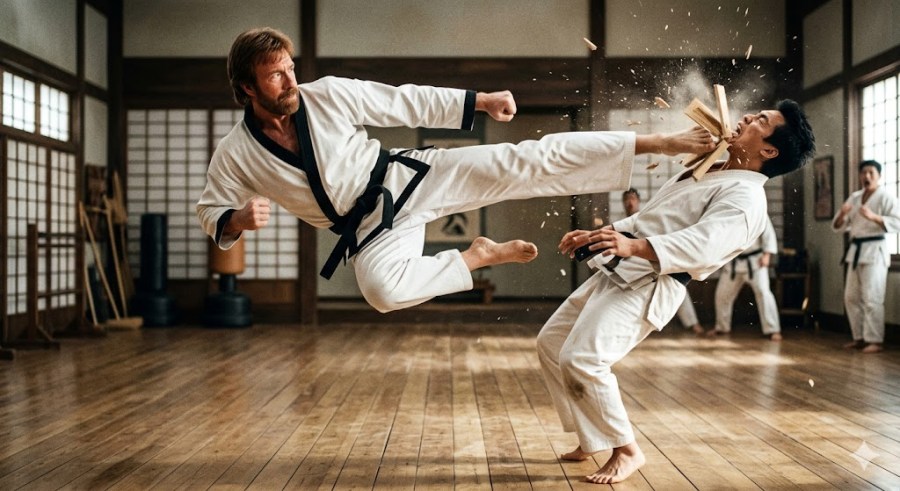
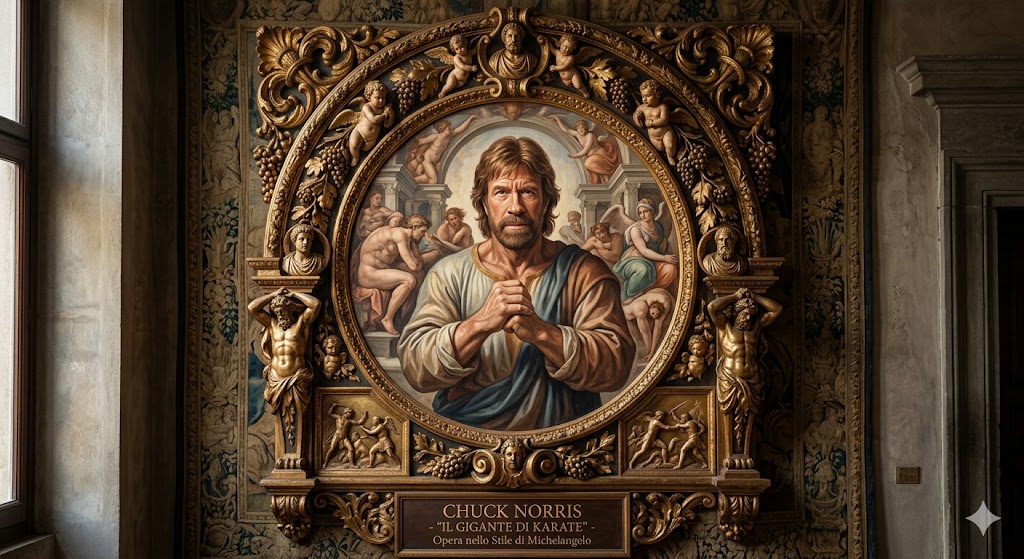
To understand the legend of Chuck Norris is to understand a figure who transcended the silver screen to become a pillar of American resilience. He was not merely an actor; he was a symbol of unyielding strength during a period of profound national uncertainty.
The Genesis of a Warrior
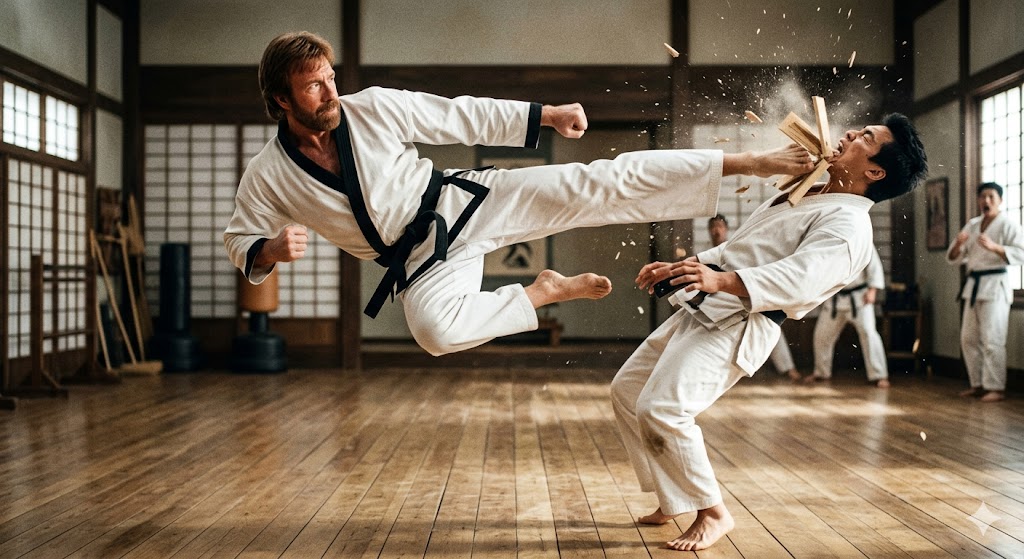
Before he was a cinematic icon, he was a man who mastered the physical self. Rising through the ranks of the martial arts world, he secured the World Professional Middleweight Karate Championship title in 1968 and held it for six consecutive years. His movements were defined by a precision that seemed to defy the limits of human kinesiology.
When he faced Bruce Lee in the Coliseum in Way of the Dragon (1972), it wasn’t just a movie scene; it was a clash of titans. That battle remains the gold standard of martial arts cinema, showcasing a man whose power was matched only by his discipline.
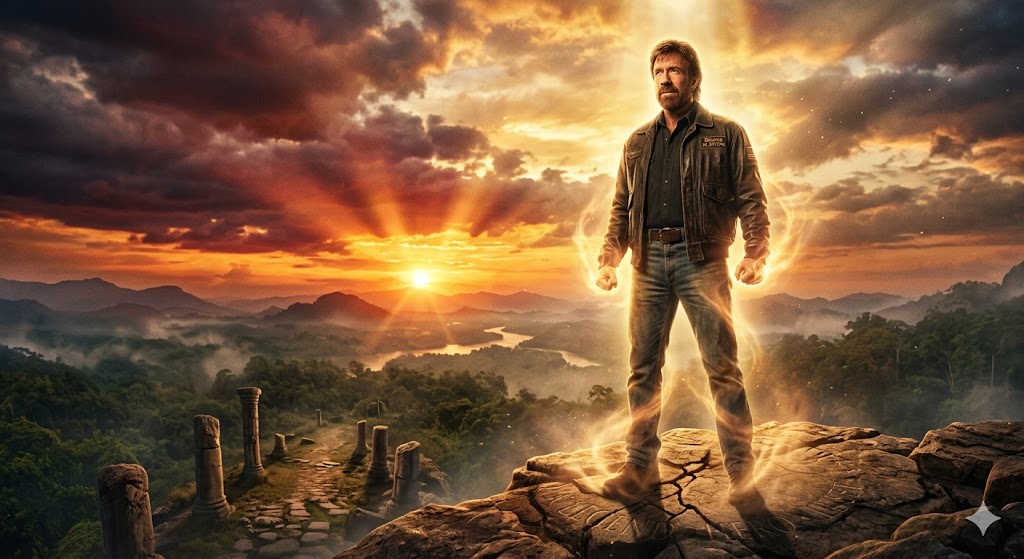
The Healing Hero of the Vietnam Era
In the wake of the Vietnam War, a “haunting emptiness” settled over the American psyche. The nation grappled with the pain of unresolved conflict and the lingering, agonizing uncertainty regarding those left behind. Chuck Norris stepped into that void.
Through the Missing in Action series, he provided a form of cultural catharsis. He became the avatar of the American soldier—invincible, silent, and deeply principled. He went into the jungles where others could not, bringing a sense of justice and closure to a wounded public. He didn’t just play a hero; he carried the weight of a generation’s hope on his shoulders.
A great many Americans feared American Soldiers had been left behind at the end of the Vietnam War. Or were still imprisoned. Chuck Norris helped all of us feel better and a great Hero went to save them. Chuck was bigger than Life when America needed a Hero. He was America’s Hero by the very way he exemplified his Life.
The Supernatural Aura
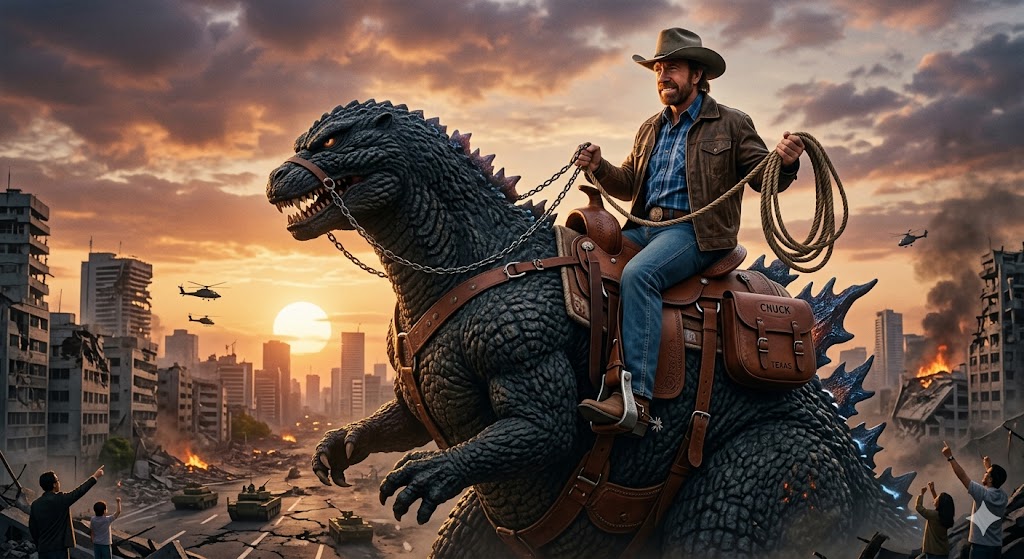
As the years passed, the man and the myth merged. The “Chuck Norris Facts” phenomenon wasn’t just internet humor; it was a modern-day folklore that recognized his perceived omnipotence. In the collective imagination, he became a force of nature:
- The Unstoppable Force: It was said that time waits for no man, unless that man is Chuck Norris.
- The Protector: He didn’t just fight; he stood as a sentry against the “volatile” elements of the world.
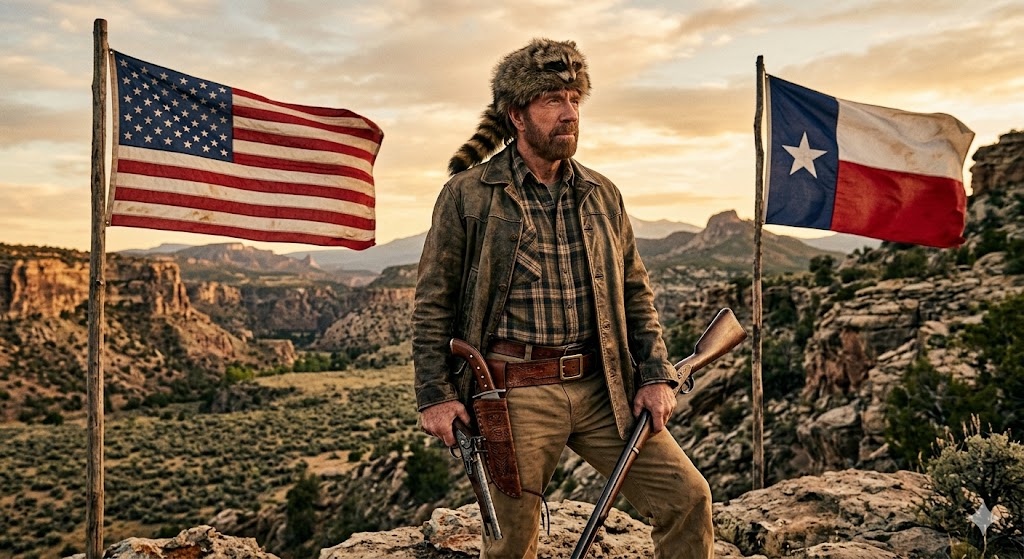
- The Moral Compass: Through Walker, Texas Ranger, he spent nearly a decade personifying a rugged, frontier justice that prioritized the weak and the forgotten.
A Legacy Written in Granite
To lose a figure of such gravity is to feel a shift in the foundation of the culture. When we speak of him now, we speak of a man who embodied the “achiever” spirit—a man who took the scars of a difficult era and turned them into a legacy of strength.
He was the hero who stayed behind to fight when the world felt like it was moving on. He was the one who reminded us that even in the darkest jungle, one man with enough conviction could find his way home. We didn’t just watch him; we believed in him. And in believing in him, we found a way to believe in ourselves again.
God Bless you Chuck Norris and your Family…
Here’s some more info-
https://en.wikipedia.org/wiki/Chuck_Norris
https://en.wikipedia.org/wiki/Chuck_Norris_filmography
Chuck Norris was an American actor and martial artist. He appeared in a number of action films, such as The Way of the Dragon, in which he starred alongside Bruce Lee, and was The Cannon Group‘s leading star in the 1980s.[1][2] He played the starring role in the television series Walker, Texas Ranger.

 thelivingbreathingjamesbrown.com
You must be logged in to post a comment.