
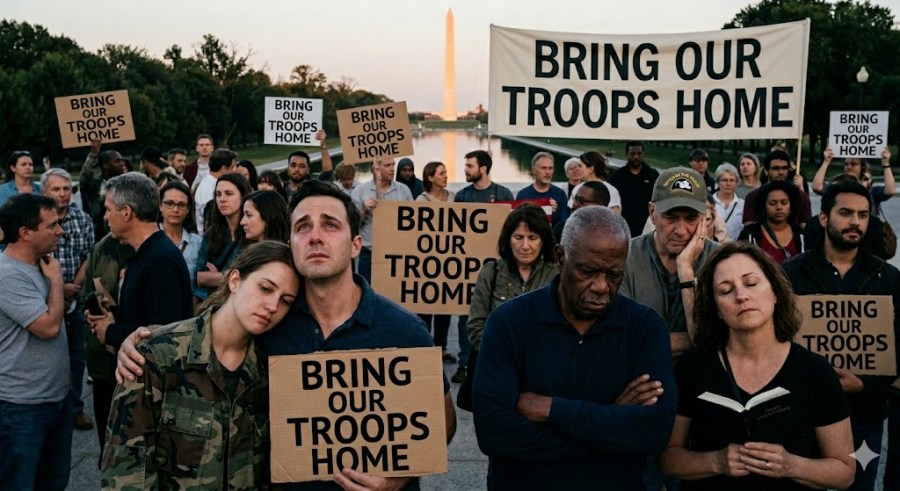
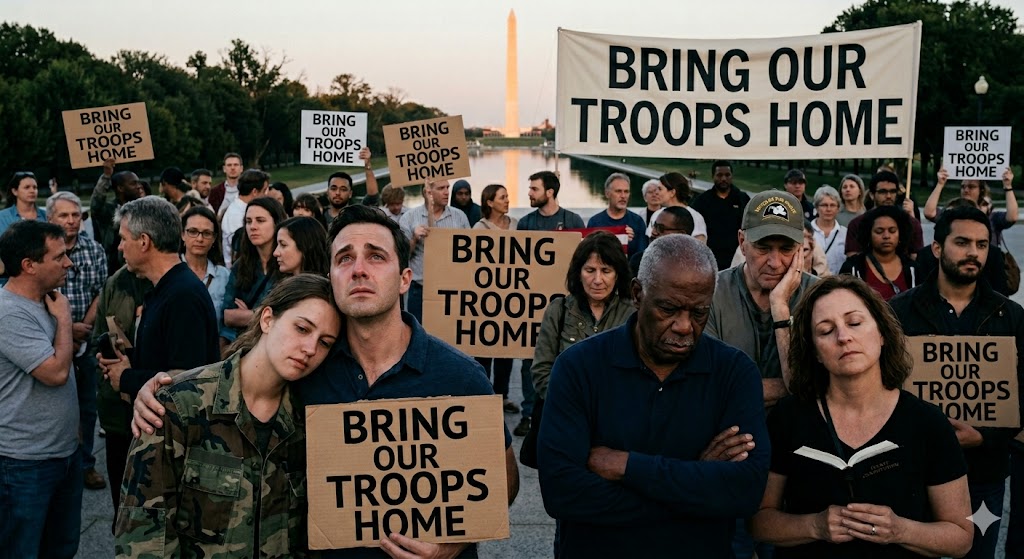
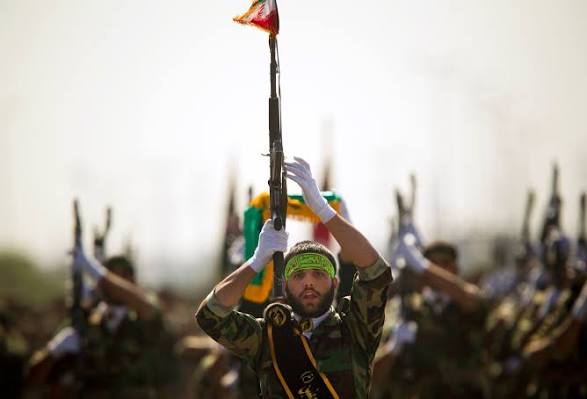
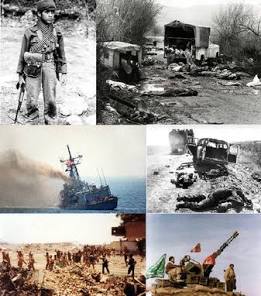
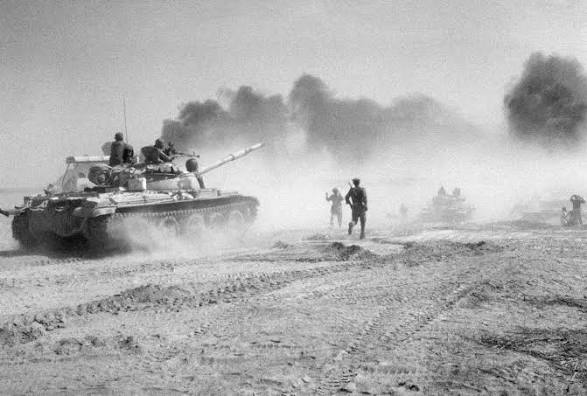
A complete history of Iraq and Iran War! By studying it, America could learn that Iran will NEVER surrender. Iran is deep in Islamic Revolution Ideology and human rights take back seat to the directions of the Revolutionary Leaders.
View all
The Iran-Iraq War (1980–1988) was a brutal eight-year conflict sparked by Iraq’s invasion of Iran on September 22, 1980, following territorial disputes and fear of revolutionary Shia expansionism. Saddam Hussein sought to exploit post-revolution chaos in Iran, but the war stalemated into trench warfare and massive casualties—totaling over one million deaths—before ending in a 1988 UN-brokered ceasefire with no change in borders. 
Causes of the Conflict
- Territorial Disputes: Iraq wanted full control of the Shatt al-Arab waterway, a vital shipping lane.
- Revolutionary Fears: Iraqi President Saddam Hussein feared that Iran’s 1979 Islamic Revolution would inspire Iraq’s majority Shia population to revolt.
- Political Opportunity: Hussein believed Iran was weak due to internal instability and purges of its military officers following the revolution.
YouTube +4
Key Phases of the War
- 1980: The Invasion: Iraq launched a surprise air attack on Iranian bases followed by a ground invasion of western Iran.
- 1981–1982: Iranian Counter-offensive: Iran, rallying national support, halted the invasion and began to retake their territory, pushing Iraqi forces back across the border by June 1982.
- 1982–1987: Stalemate & Attrition: The war turned into a stalemate similar to World War I, featuring trench warfare, barbed wire, and human wave attacks by Iran.
- 1984-1988: The Tanker War: Both sides began attacking oil tankers in the Persian Gulf to disrupt each other’s economy, eventually leading to U.S. naval involvement.
Britannica +4
Key Aspects and Tactics
- Chemical Weapons: Iraq heavily used chemical weapons, including mustard gas, against Iranian troops and Iraqi Kurdish civilians.
- Halabja Massacre (1988): A devastating chemical attack on the Kurdish town of Halabja killed over 5,000 civilians.
- Foreign Involvement: Several nations supported Iraq with funds and weapons to prevent an Iranian victory, including Arab states, the U.S. (who provided intelligence), and the Soviet Union.
YouTube +1
End of the War (1988)
- Ceasefire: Exhausted financially and militarily, Iran accepted a UN-brokered ceasefire in July 1988.
- Aftermath: The war resulted in over one million fatalities and caused massive economic destruction in both countries.
- Lasting Impact: The conflict led to further regional instability, setting the stage for Iraq’s subsequent invasion of Kuwait.
Lumen Learning +4
The war is viewed as a definitive event for the modern Middle East, solidifying the Islamic Republic’s control in Iran and marking the start of a long-term decline in Iraq’s military power.
how did America get in the seat of all hate by Iran


+6
Iran’s deep-seated animosity toward the U.S. largely stems from the 1953 CIA-backed coup that overthrew its democratic leader to support the Shah, followed by decades of US sanctions, support for Saddam Hussein during the Iran-Iraq war, and the 1979 revolution’s anti-Western ideology, exacerbated by recent confrontations
. 
Key historical and political catalysts for this conflict include:
- 1953 Coup: The CIA/British intelligence orchestrated the removal of Iran’s Prime Minister Mohammad Mosaddegh, supporting Shah Mohammad Reza Pahlavi for 26 years.
- 1979 Iranian Revolution: The revolution replaced the pro-Western Shah with an Islamic Republic, resulting in the 444-day hostage crisis where 52 Americans were held at the US embassy in Tehran.
- Iran-Iraq War Support: The US assisted Saddam Hussein’s Iraq during its eight-year war with Iran, causing deep resentment.
- 1988 Air Incident: The US Navy mistakenly shot down an Iranian passenger jet, killing 290 civilians, which worsened tensions.
- Nuclear Accords and Sanctions: Decades of US sanctions, coupled with the US withdrawal from the 2015 nuclear deal and the 2020 killing of General Qassem Soleimani, have cemented Iran’s designation of the U.S. as a primary enemy.
YouTube +6
The narrative is framed in Iran as “Death to America,” a sentiment driven by perceived American interference and regional support for Iran’s enemies
list all sanctions by america in iran history copyright free i can use


+6
U.S. sanctions on Iran, initiated in 1979, constitute a long-running, public-domain economic and financial embargo aimed at Iran’s nuclear program, terrorism sponsorship, and human rights violations
. Key actions include asset freezes, bans on Iranian oil/petrochemicals, banking restrictions, and bans on foreign investment in Iran’s energy sector. 
Key Historical & Ongoing U.S. Sanctions (Public Domain):
- 1979–1980: First sanctions following the Iran hostage crisis, including freezing Iranian assets.
- 1984: Designation of Iran as a state sponsor of terrorism, triggering prohibitions on aid and defense exports.
- 1995–1996: Comprehensive trade embargo banning almost all bilateral trade and investment by U.S. companies (Executive Orders 12957 and 12959) and the Iran-Libya Sanctions Act.
- 2005 (EO 13382): Targeting entities involved in nuclear proliferation.
- 2010 (CISADA): Comprehensive Iran Sanctions, Accountability, and Divestment Act: Broadened sanctions to banking, insurance, and shipping sectors.
- 2012–2013: Intense targeting of Iran’s oil exports and central bank to pressure nuclear negotiations.
- 2015: Sanctions lifted under the Joint Comprehensive Plan of Action (JCPOA).
- 2018–2020 (Re-imposition): Following U.S. withdrawal from the JCPOA, sanctions were re-imposed, targeting oil, shipping, financial institutions, and specific industries like steel and mining.
- 2020 (UN Snapback): U.S. asserted re-imposition of all UN sanctions, including arms embargoes.
- 2022–Present: Ongoing sanctions targeting petrochemical, petroleum sales, and drone manufacturing/proliferation
how much in money have the sanctions cost Iran


+5
Sanctions have cost Iran an estimated
$1.2 trillion in economic damages between 2011 and 2023, according to Iranian economic analysts. These measures have significantly impacted the economy, resulting in over $1,200 in lost per capita income annually for Iranian citizens. The sanctions have primarily targeted oil exports, forcing Iran to sell crude at 50-60% discounts. 
Key Impacts of Sanctions on Iran:
- Total Economic Damage: Estimates place the total economic damage around $1.2 trillion over the 12-year period from 2011–2023.
- Oil Export Disruptions: While Iran continues to export oil, primarily to China, sanctions have forced them to sell at significant discounts, often utilizing a “ghost fleet” of tankers to bypass restrictions.
- Income Reduction: The loss of income equates to approximately $14,000 per capita in lost revenue over 12 years.
- Humanitarian Impact: Sanctions have severely restricted access to specialized medicine and health treatments due to the withdrawal of international firms from trade with Iran.
ایران اینترنشنال +3
While some reports suggest that intermittent easing of sanctions can free up billions for Tehran, the long-term cumulative effect of the sanctions has severely hindered Iran’s economic growth and crippled its ability to sell oil at market value.
https://www.iranintl.com/en/202406244025
Iran’s Chamber of Commerce, says sanctions have inflicted approximately $1.2 trillion in damages on the country between 2011 and 2023.
In comments published on Monday in Tehran’s Shargh daily, Selahvarzi discussed the economic opportunities lost in Iran due to the sanctions. His remarks came just days before Iran’s presidential election, where a victory for a hardline candidate could potentially prolong the stalemate in Iran’s nuclear negotiations with global powers.
Saying that the issue of sanctions has not received much attention during the election campaign, Selahvarzi estimated that the lost per capita income for each Iranian due to sanctions over the 12-year period is around $14,000. In other words, each Iranian has lost an average of $1,202 annually due to the sanctions.
Selahvarzi did not specify the official sources of these figures. He explained that the estimates were based on comparisons with “several countries similar to Iran.” He likely compared Iran’s GDP and real per capita income with the averages of these countries, attributing the differences to the impact of the sanctions.
Dang. That’s a ton of money. But the sanctions have not produced anything fruitful. The terrorism Iran spreads is a wanted apparition of opposition against The WEST and Against Israel. After Trump’s War, the Hate will have tripled.
Trump and Hegseth are the last two men in America that I’d ever put in charge of any Major War.
Together, Trump and Hegseth represent the convergence of hubris and inexperience, with the potential to steer the United States into its own Teutoburg moment of ancient Rome.
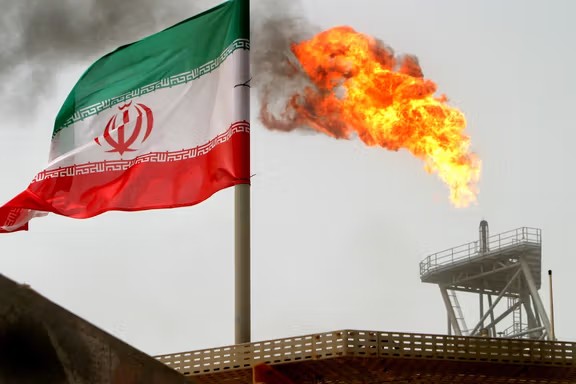
Teutoburg moment of ancient Rome.


+9
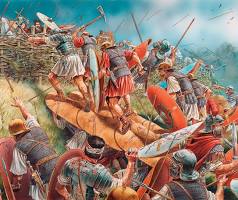
The Battle of the Teutoburg Forest (9 AD) was a defining disaster for ancient Rome, where three legions (XVII, XVIII, XIX) under Publius Quinctilius Varus were annihilated by Germanic tribes led by Arminius. This ambush in northern Germany halted Roman expansion eastward, setting the Rhine River as the border. 
Key Aspects of the Teutoburg Disaster:
- The Trap: Arminius, a trusted ally of Rome, betrayed Varus, leading the army into a narrow, muddy defile in the Teutoburg Forest, making the legions unable to defend themselves effectively.
- Casualties: Approximately 15,000–20,000 Roman soldiers were killed, and the three legions were lost, never to be re-established.
- Aftermath: Emperor Augustus was deeply shaken, with reports of him wandering his palace crying, “Varus, give me back my legions!”.
- Long-Term Impact: The victory ensured that Germania remained independent from Rome, establishing a lasting divide between Romanized and Germanic cultures in Europe.
- Site: The battle is believed to have occurred near modern-day Kalkriese, Germany.
Wikipedia +7
This event represents a massive psychological and military turning point, proving that the Roman Empire was not invincible and defining the northern limit of their power.
 thelivingbreathingjamesbrown.com
You must be logged in to post a comment.