
People, People, People, what have we allowed amongst ourselves? Is it the beginning of the End? Is the Serpent’s Head poking thru?
A Contradiction in Terms: America’s Embrace of Freedom and Its Paradoxical Book Banning
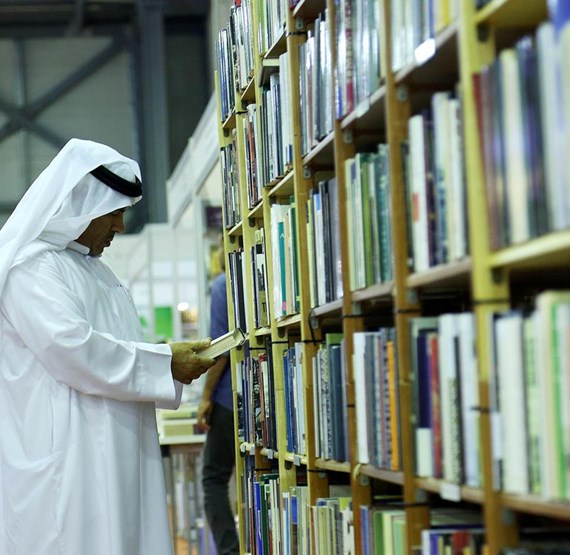
In the heart of the bustling Sharjah International Book Fair, amidst a vibrant tapestry of literary cultures from across the globe, a paradoxical irony unfolds. While the fair celebrates the boundless creativity and diversity of human expression with 2008 Publishers and from over 108 Countries, a dark shadow falls from the Land of the Free, where voices are being silenced and books are being banned. America, the Land of the Free. Or less free?
The United States, a nation that prides itself on its founding principles of liberty and self-determination, has in recent years embarked on a troubling journey of literary censorship. And the rest of the World, which has always admired America, now looks upon America from another viewpoint. Books that explore themes of race, gender, sexuality, and social justice are being removed from school libraries and classrooms, their pages deemed too controversial, too unsettling, for the eyes of young minds. Books tgat were embraced with vigor from generations past are having their legacy erased. Freedoms they fought to see, are eroding. Have eroded.
This wave of book banning has not gone unnoticed at the Sharjah International Book Fair. Fairgoers from around the world express bewilderment and dismay at the sight of America, a country once heralded as a beacon of free speech, now turning its back on the very essence of literary freedom.
The juxtaposition of America’s book banning practices with the Sharjah International Book Fair’s open-armed embrace of diverse literature highlights a fundamental contradiction. While the fair celebrates the power of words to bridge cultures and foster understanding, America’s actions suggest a fear of open dialogue, a retreat into intellectual isolation.
The reasons cited for book banning in America vary, often rooted in concerns about protecting children from sensitive or controversial topics. However, these arguments often mask a deeper fear of confronting uncomfortable truths about America’s own history and social fabric. By silencing voices that challenge the status quo, America risks perpetuating a narrative of sanitized history and unchallenged privilege. But is it white privilege?
The Sharjah International Book Fair, in contrast, stands as a testament to the transformative power of literature. By providing a platform for diverse voices and perspectives, the fair fosters empathy, understanding, and a deeper appreciation for the richness of human experience.
In a world grappling with division and intolerance, the Sharjah International Book Fair offers a beacon of hope, a reminder that literature has the power to bridge divides, heal wounds, and illuminate the path towards a more just and inclusive world.
America’s book banning practices, on the other hand, serve as a stark warning of the dangers of suppressing free speech and silencing diverse voices. By rejecting the open exchange of ideas, America risks stifling its own intellectual growth and perpetuating a cycle of ignorance and intolerance.
The contrast between the Sharjah International Book Fair’s celebration of literary freedom and America’s descent into censorship underscores the importance of safeguarding the right to read and the freedom to engage with diverse perspectives. Literature, in all its forms, is a vital tool for understanding the world around us, for challenging our assumptions, and for expanding our horizons. Silencing these voices is akin to dimming the light of knowledge and progress.
As the Sharjah International Book Fair continues to shine as a beacon of literary freedom, America must grapple with its own paradoxical stance on free speech. Will it choose to embrace the power of literature to foster understanding and challenge injustice, or will it retreat further into a self-imposed intellectual isolation? The choice America makes will not only shape its own literary landscape but also determine its place in the global community of readers and thinkers.


You must be logged in to post a comment.