
BE SMART! BE SAFE!
Get ready all of you Eclipse Watchers! It’s about to take place! Get Happy. Get your Eclipse Party Ready! Every one will want to watch this Historical Event. Take Precautions that you and your friends and family are safe and smart! The 2024 eclipse promises to be a spectacular event. I hope you have a safe and enjoyable time capturing it!
Most of this was written by Google’s Gemini AI. Images too!
Going Cheap?
If you have a second pair of solar eclipse glasses, you can use them as a filter to cover the camera lens on your phone, Benton says. It will protect your phone’s camera from possible damage from long exposure to direct sunlight and give you a more dramatic shot. This is what I’m gonna do and am going to get it on my cell phone today, ready for tomorrow.
Above site has an excellent interactive Image of Eclipse Path from NASA.
(The space agency warns, however, that you should never look through a camera or binoculars while wearing eclipse glasses over your eyes, as the rays will become concentrated and “burn through the filter.”)
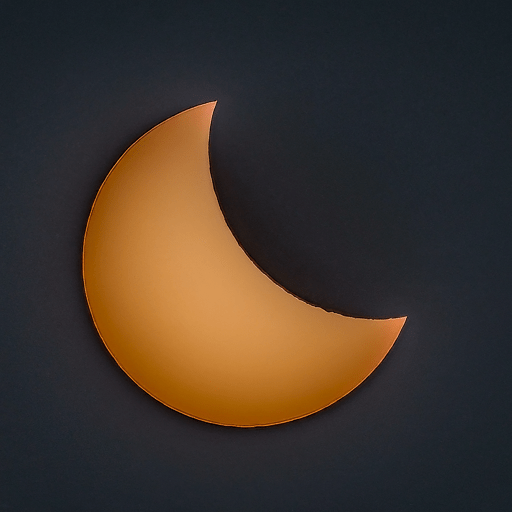
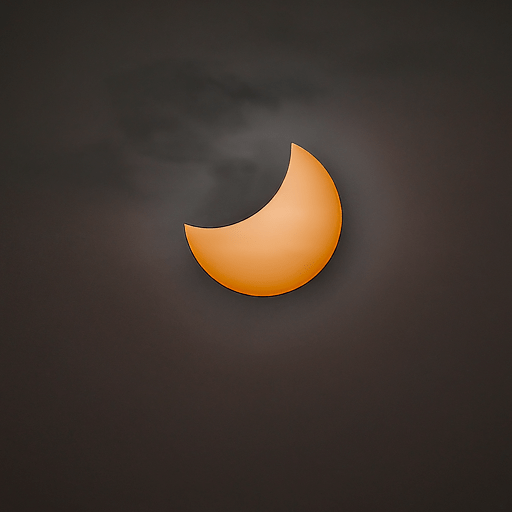
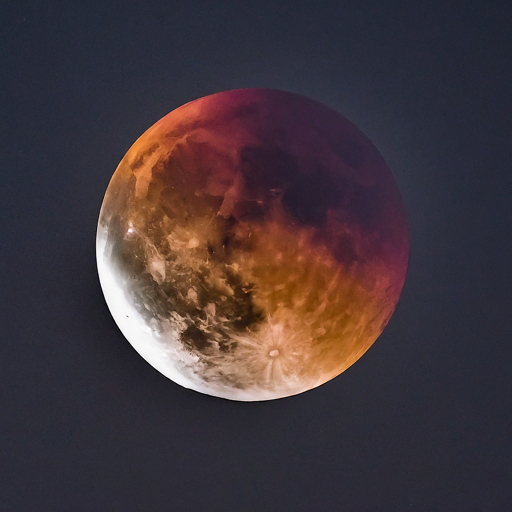
Never look directly at the sun through your camera lens, even with the filter attached.
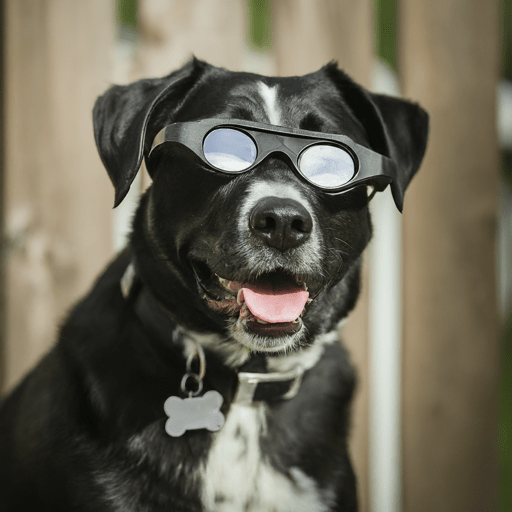
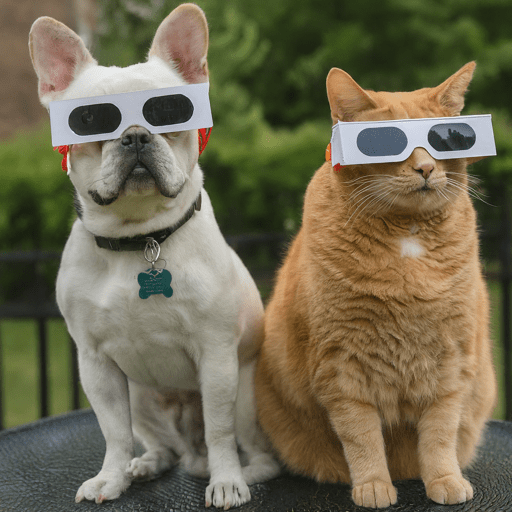
Bryan, Texas and College Station, Texas are in Central Standard Time. So, adjust the Time with where you will be! But Get Ready and PROTECT YOUR EYES and Your Skin. If you are gonna watch all of it, Don’t get Sunburned or allow your family to get Sunburned or get your Eyes Injured.
- Have Eclipse APPROVED Dark Glasses.
- Have a Proper Sunscreen Lotion on your Skin.
The 2024 solar eclipse in Bryan, Texas will begin at 12:23 PM and end at 3:02 PM, with totality lasting from 1:40 PM to 1:44 PM, depending on location. The partial phase will begin at 12:20:03 (CDT), and mid-eclipse will begin at 13:40:01 (CDT).
Never look directly at the sun through your camera lens, even with the filter attached.
Wanna read that again?
The 2024 solar eclipse in Bryan, Texas will begin at 12:23 PM and end at 3:02 PM, with totality lasting from 1:40 PM to 1:44 PM, depending on location. The partial phase will begin at 12:20:03 (CDT), and mid-eclipse will begin at 13:40:01 (CDT).
To protect your eyes during a solar eclipse, it’s crucial to wear certified solar viewing glasses or use a solar filter on telescopes or binoculars. These glasses or filters should meet the ISO 12312-2 safety standard. Don’t look directly at the sun without proper eye protection, even during partial phases.
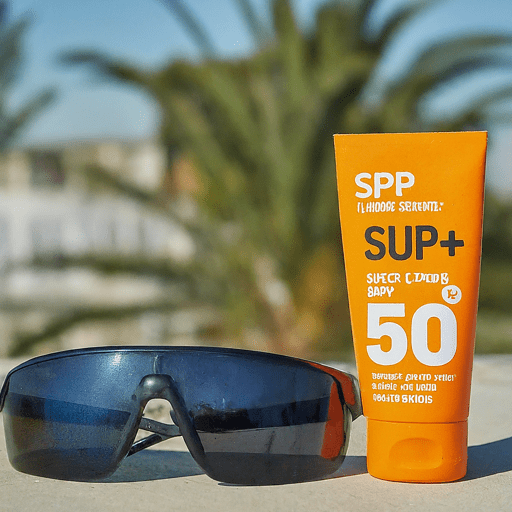
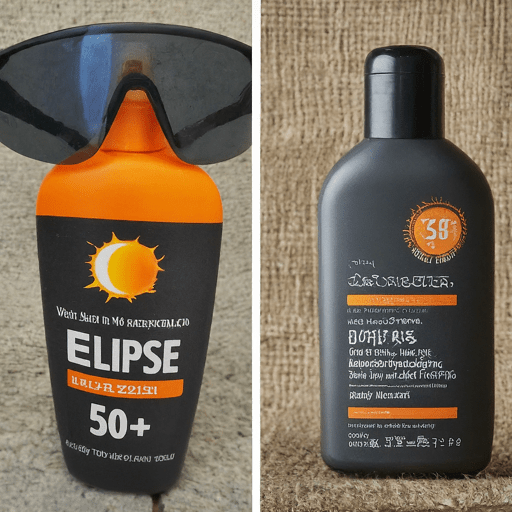
For your skin, wear sunscreen with a high SPF, protective clothing, and a wide-brimmed hat to shield yourself from harmful UV rays. If you plan to be outside for an extended period, consider seeking shade periodically and staying hydrated.
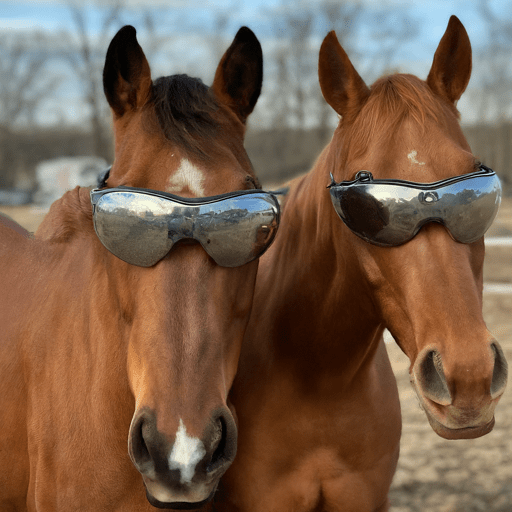
Never look directly at the sun through your camera lens, even with the filter attached.
Here’s how to protect your eyes and skin during the solar eclipse in Bryan, Texas:
Eyes
- Safe Solar Eclipse Glasses: Look for glasses with an ISO 12312-2 filter label. These filters meet international safety standards for direct sun viewing. Here are some things to keep in mind when buying eclipse glasses:
- Certification: Make sure the glasses have a label indicating they meet the ISO 12312-2 international safety standard.
- Scratches or Damage: Inspect the glasses for any scratches or defects on the filter. Damaged filters are not safe.
- Source: Purchase your glasses from a reputable vendor, like a science store, optical shop, or eclipse viewing organization.
- Do not:
- Look at the eclipse with regular sunglasses, even multiple pairs.
- Use homemade filters or look indirectly through binoculars, a telescope, or a camera.
Skin
- Sunscreen: Apply broad-spectrum sunscreen with SPF 30 or higher to all exposed skin at least 15 minutes before heading outside.
- Reapply: Reapply sunscreen every two hours, or more often if you’re sweating or swimming.
- Clothing: Wear protective clothing, such as a hat, long sleeves, and pants, to cover exposed skin.
- Seek Shade: Especially during the peak hours of the eclipse (12:23 PM to 3:02 PM), try to find shade whenever possible.
Additional Tips:
- The period of totality, when the sun is completely covered by the moon, is very brief in Bryan, Texas (from 1:40 PM to 1:44 PM). Only during this short window is it safe to look at the eclipse without any filters.
- Even during totality, it’s best to take caution and look away for short periods.
- For a safe and enjoyable experience, consider watching a live stream of the eclipse online or on TV.
Wanna take pictures of the Eclipse?
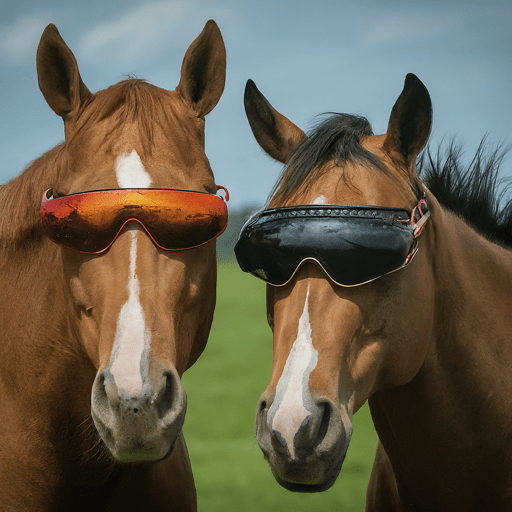
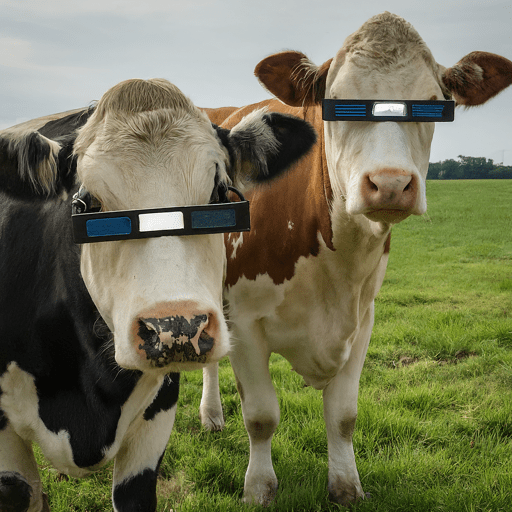
Capturing a great photo of the 2024 solar eclipse requires specific gear and preparation. Here’s a breakdown:
Essential Gear:
- Camera: A DSLR or mirrorless camera with manual controls is ideal.
- Telephoto Lens: Aim for at least 200mm focal length, the longer the better for zooming in on the sun.
- Solar Filter: Crucially important! Get a solar filter specifically designed for your camera lens. Using a regular filter or looking through the lens without a filter will damage your camera sensor.
- Tripod: A sturdy tripod is essential for sharp photos, especially when using a telephoto lens.
- Remote Shutter Release (Optional): Minimizes camera shake during long exposures.
- Spare Battery and Memory Card: Extra battery life and storage will be helpful.
- Eclipse Glasses: Remember, these are for your eyes, not the camera!
Safety First:
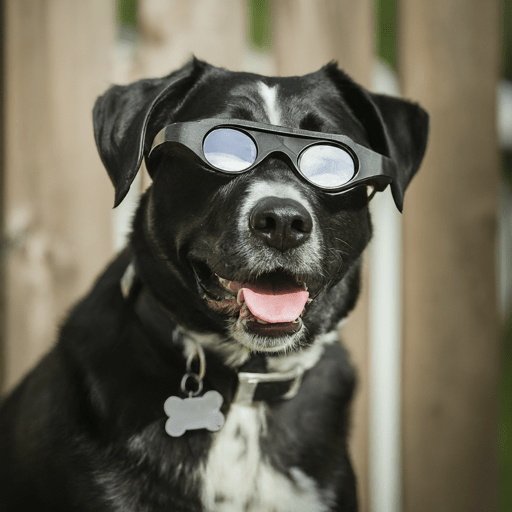
- Never look directly at the sun through your camera lens, even with the filter attached.
Shooting the Eclipse:
- Partial Phases: During the partial eclipse (before totality), keep the solar filter on your lens. You can practice bracketing exposures (taking multiple shots at different exposure settings) to find the optimal balance for capturing the crescent sun.
- Totality: Briefly remove the solar filter only during totality, the short period where the moon completely covers the sun. This is your chance to capture the sun’s corona, the faint outer atmosphere.
- Focus: Manual focus is recommended for the eclipse, as autofocus might struggle with the bright sun. Pre-focusing on a distant object before the eclipse can help.
- Settings: Experiment with different shutter speeds and apertures to get the desired detail and exposure. A neutral density filter might also be helpful to manage the sun’s brightness during totality.
Additional Tips:
- Practice beforehand: Set up your camera and lens with the solar filter attached to get comfortable with the equipment and settings before the eclipse.
- Research totality timing: Knowing the exact timeframe for totality in your location will help you be prepared to remove and replace the solar filter at the right moments.
- Enjoy the experience! Capturing the eclipse is exciting, but don’t forget to take a moment to witness this incredible celestial event with your own eyes (using safe eclipse glasses of course!).
Here are some resources that you might find helpful:
- How to photograph the total solar eclipse on April 8 2024: https://m.youtube.com/watch?v=5qG4ixSa_9s
- Solar Eclipse Photography Tutorial & Tips: https://www.youtube.com/watch?v=gJEOHJ_Qf9g

 thelivingbreathingjamesbrown.com
You must be logged in to post a comment.