
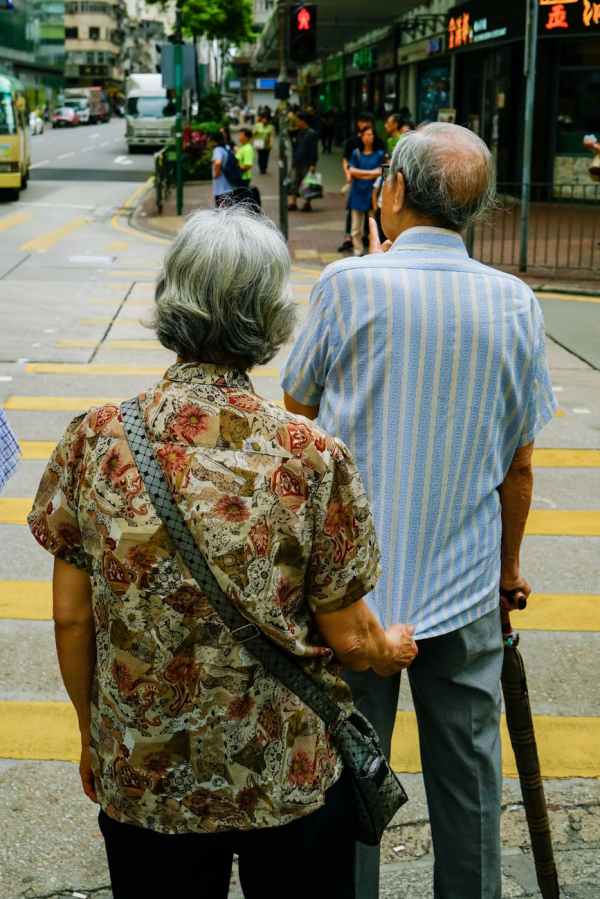



The Epistemological Shift from Participation to Spectatorship in Late Adulthood: An Examination of Cognitive Decline and Societal Perception
Abstract
This paper explores the profound transformation that individuals undergo as they transition from active participants in societal discourse to passive spectators in the autumnal phase of their lives, generally observed around the ages of 60 to 75. By examining the neurocognitive implications of aging and the resultant socio-cultural perception of the elderly, this discourse seeks to elucidate the intricate dynamics of age-related decline in agency and engagement. The analysis positions the elderly not merely as passive observers but as repositories of wisdom and lived experience, urging society to reconsider its often-patronizing view of older adults.
Introduction
Aging, a quintessential aspect of the human experience, often evokes a duality of reverence and repugnance. As individuals navigate their later years, a salient phenomenon is the cognitive and physical decline that accompanies advanced age. This gradual degeneration not only impacts their ability to engage in societal participation but engenders a transformation into spectators—individuals who observe the unfolding of life rather than actively partake in its myriad experiences. Through a critical examination of literature and sociological paradigms, this paper endeavors to illuminate the existential plight of the aging demographic, advocating for a shift in societal perceptions towards a more empathetic understanding of their experiences.



Theoretical Framework
The notion of spectatorship can be rooted in epistemological theories that delineate knowledge acquisition and subjective experience. As articulated by Merleau-Ponty (1962), the embodied experience of the individual is paramount in shaping one’s understanding of the world. However, as cognitive faculties wane, the capacity for lived experience diminishes, leading to a voyeuristic existence—one characterized by observation devoid of participation. This shift engenders a poignant irony: the wisdom accrued over decades becomes an assent to silence, as physical and mental agility are supplanted by a deferential passivity.





Cognitive Decline and Its Implications
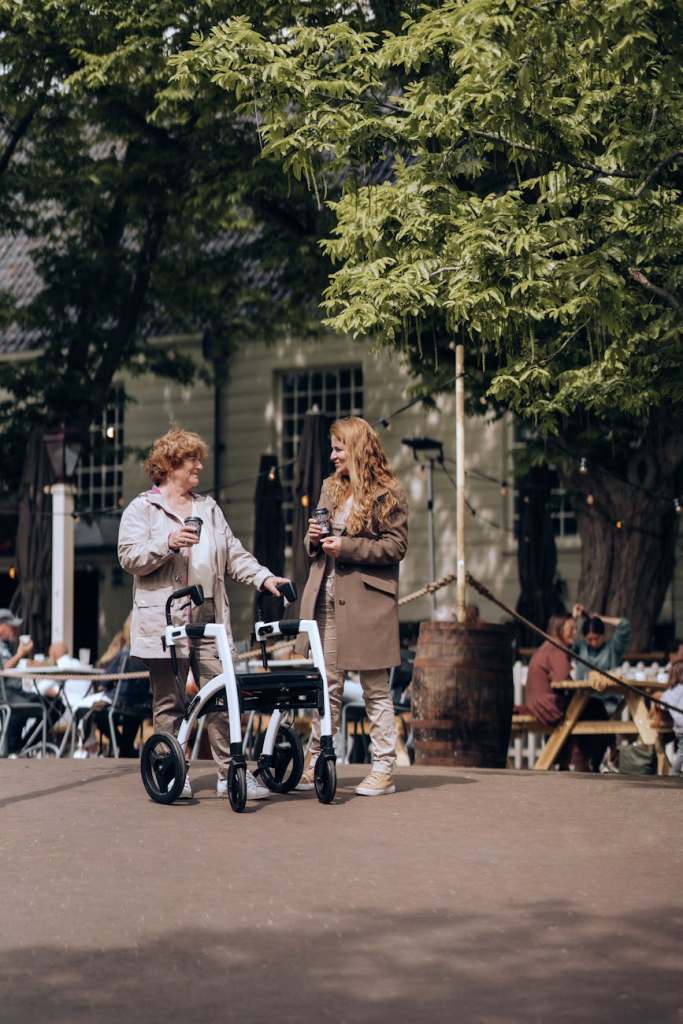
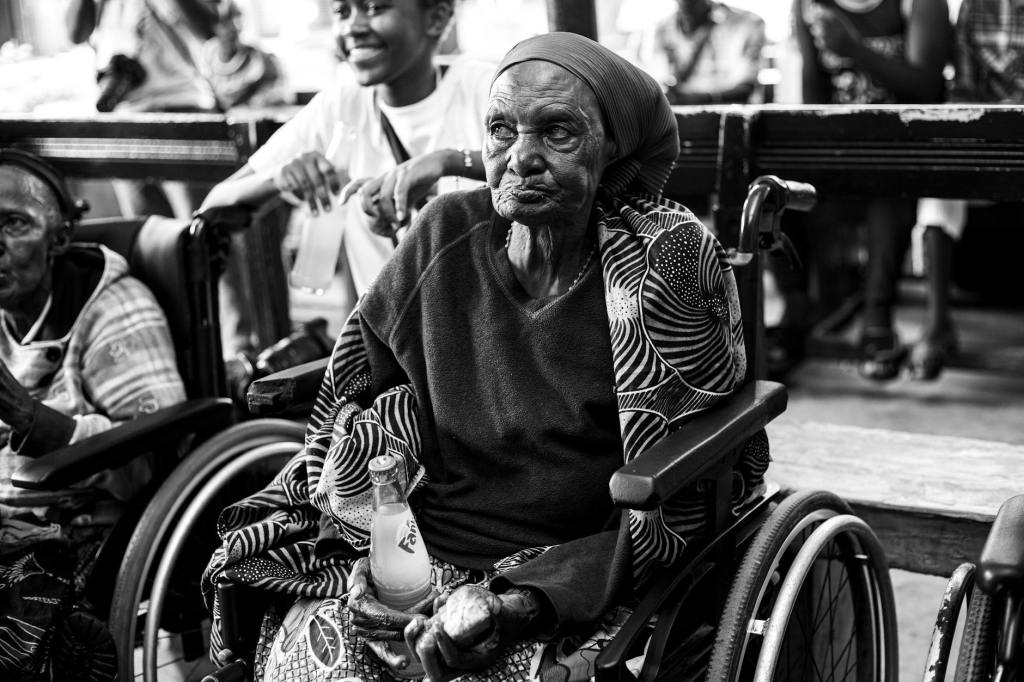
Neurological studies delineate the multifaceted nature of cognitive decline, encompassing diminished neuroplasticity, impaired executive functioning, and memory lapses (Salthouse, 2010). Such cognitive deficits precipitate an involuntary relinquishment of roles once filled with vigor and ardor. For many, the realization of their transformed status evokes feelings of disenfranchisement, as they become cognizant of their transition from actors to mere observers. The lived experiences of older adults thus become a tapestry rich in narratives yet largely unvoiced, as societal structures increasingly marginalize their contributions and insights.





Societal Perceptions of the Elderly
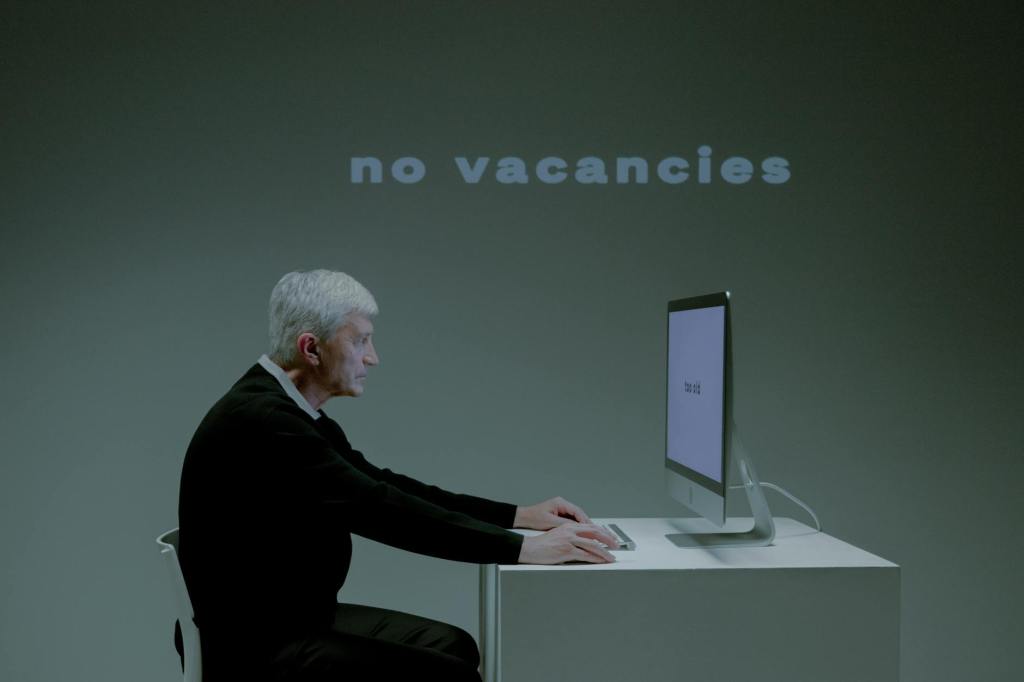
The societal construct surrounding aging often perpetuates a derogatory dichotomy, wherein older adults are perceived as burdensome relics of a bygone era. This ageism, as typified in the works of Butler (1969), fosters an environment wherein the elderly are relegated to the periphery, their voices muted by the din of a youth-centric culture. Such perception not only detracts from the invaluable insights that the elderly possess but also exacerbates feelings of isolation and worthlessness among individuals who have devoted their lives to various forms of participation.


Empathy for the Elderly Experience
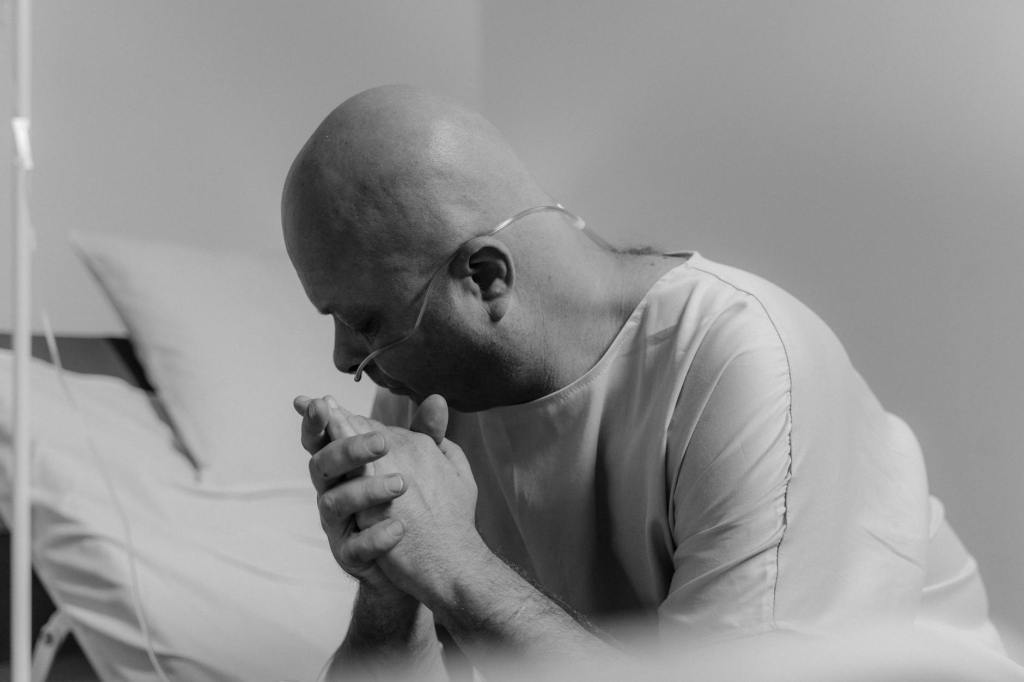
It is imperative to cultivate a nuanced understanding of the elderly experience, recognizing that their transition to spectatorship is not inherently devoid of value. Rather, it can provide a unique vantage point from which to observe the complexities of human behavior and societal evolution. The elderly embody a historical continuum through which societal norms, values, and practices can be scrutinized and understood. Thus, the task emerges not merely as an acknowledgment of their condition but as a call to appreciate and harness their experiential wealth.


Conclusion
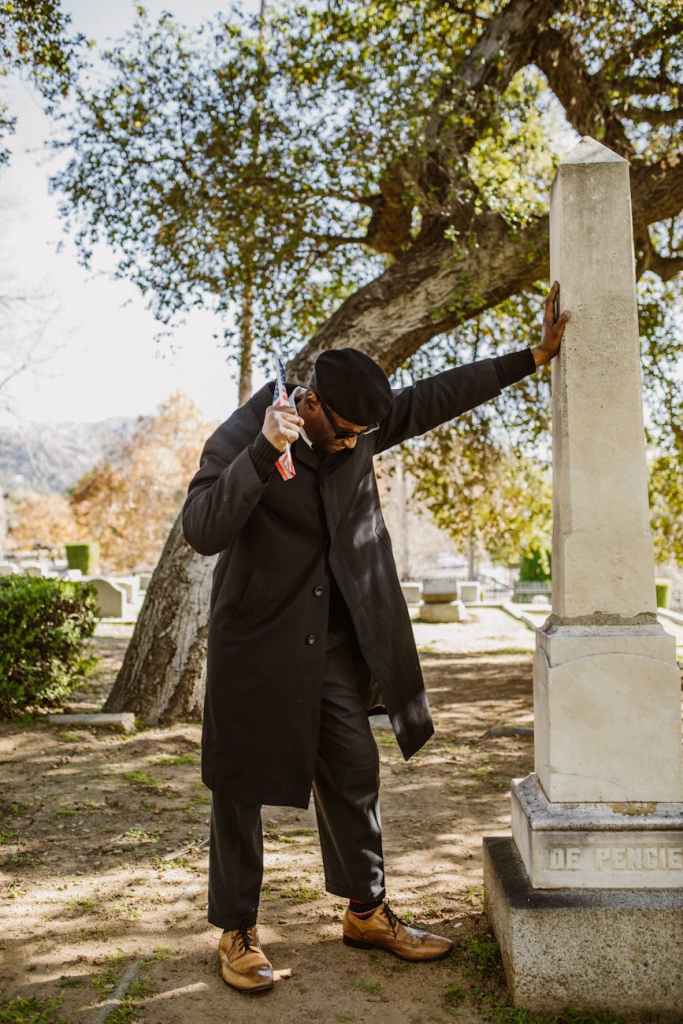
In summation, the transformation from participant to spectator as an individual ages represents a significant psychosocial transition laden with both cognitive and emotional ramifications. Through fostering an attitude of empathy and recognition toward the elderly, society can begin to dismantle the barriers that inhibit meaningful engagement. By valuing the wisdom of those who have traversed life’s multitude of experiences, we can enrich our collective understanding and foster a more inclusive environment for all generations.
References
- Butler, R. N. (1969). Age-ism: Another Form of Bigotry. The Gerontologist, 9(4), 243-248.
- Merleau-Ponty, M. (1962). Phenomenology of Perception. Routledge.
- Salthouse, T. A. (2010). Extent and Remediation of Cognitive Aging. American Psychological Association.
This scholarly composition aims to encapsulate the multifaceted experiences of aging individuals, urging readers to approach the elderly not merely as spectators, but as integral components of our societal fabric imbued with invaluable wisdom and perspective.
 thelivingbreathingjamesbrown.com
You must be logged in to post a comment.