
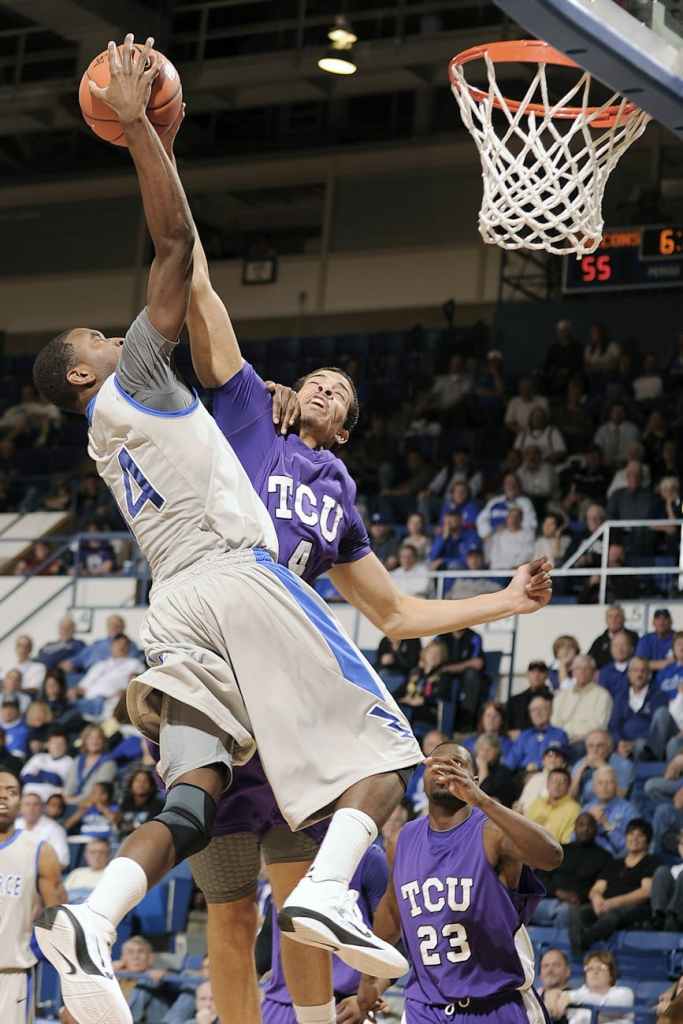
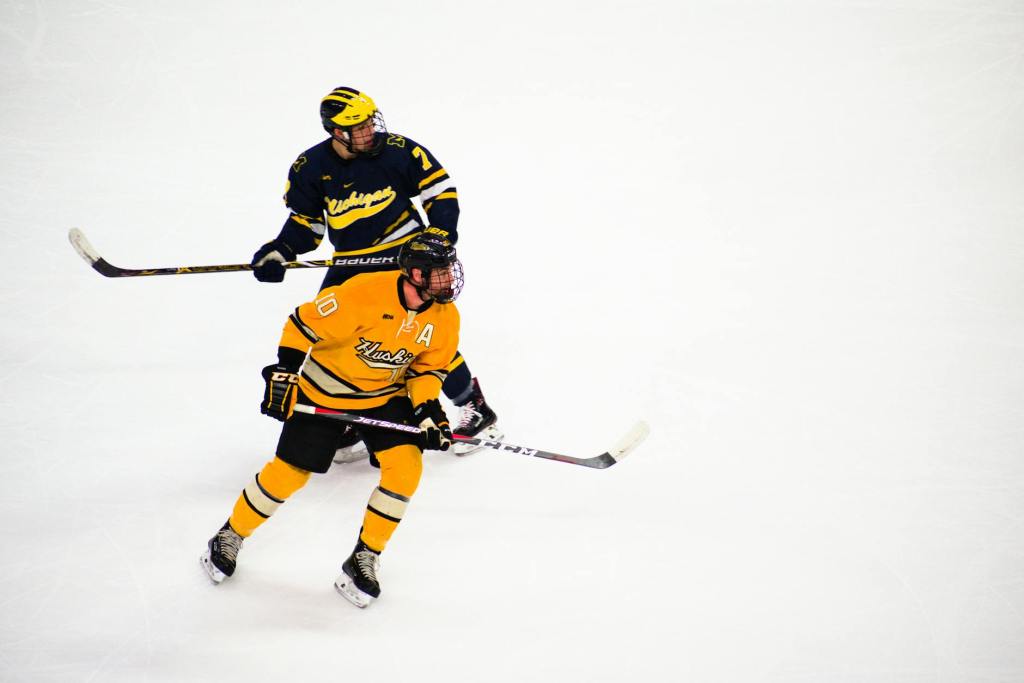
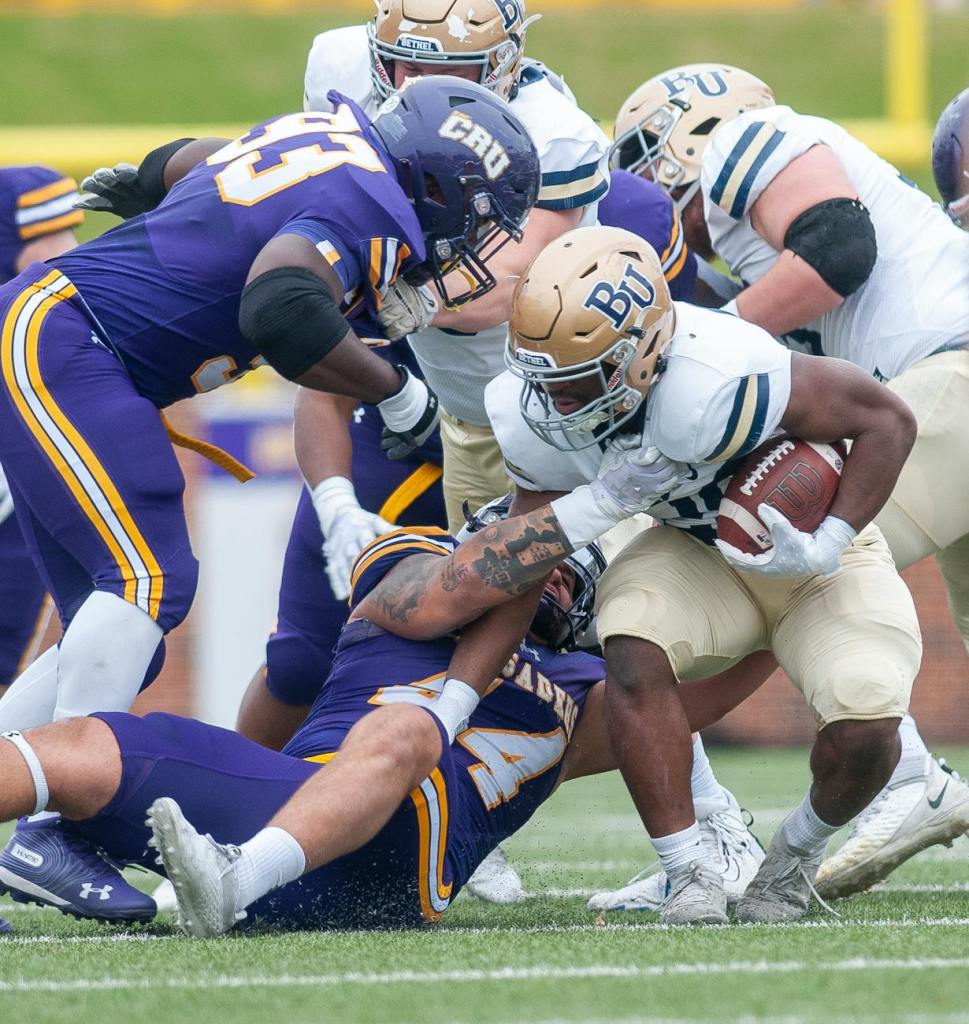
According to recent NCAA settlement details, athletes will be able to receive back pay dating back to 2016 as part of the settlement, meaning former college athletes who played from that year onwards are eligible to receive a share of the $2.78 billion payout for lost Name, Image, and Likeness (NIL) opportunities that were not allowed until 2021.
Who will get NCAA settlement money?
Athletes who played from 2016 onward are covered in the settlement. The biggest payouts from the $2.8 billion-fund will likely go to football players, and the largest individual amount could be as high as $1.85 million.
Key points about the backpay:
- Eligibility:Former athletes who played in Division 1 college sports from 2016 onwards are eligible to claim a portion of the settlement.
- Distribution:The money will be distributed based on factors like sport played, conference, and level of competition, with Power 5 football and men’s basketball players likely receiving the largest share.
- Payment timeline:The first installments of the backpay are expected to be distributed around May 2025, following final approval of the settlement.
“House v. NCAA,” “Hubbard v. NCAA,” and “Carter v. NCAA” are all class action lawsuits filed against the National Collegiate Athletic Association (NCAA) by college athletes, alleging that the NCAA’s rules prohibiting athletes from profiting off their name, image, and likeness (NIL) violated antitrust laws; these cases culminated in a landmark settlement where the NCAA agreed to pay roughly $2.8 billion in damages to former and current athletes, allowing them to receive compensation for NIL opportunities they were previously denied.
Key points about each case:
- House v. NCAA:This lawsuit, considered the primary case in the settlement, was brought by former athletes challenging the NCAA’s restrictions on NIL compensation, seeking damages for lost earning potential due to the inability to capitalize on their fame while playing college sports.
- Hubbard v. NCAA:Led by former college football player Chubba Hubbard, this case focused on the NCAA’s rules regarding education-related benefits and financial rewards that athletes could receive directly from schools, arguing that the restrictions were unfair and violated antitrust laws.
- Carter v. NCAA:This lawsuit further amplified the claims against the NCAA’s NIL restrictions, adding additional plaintiffs and potentially strengthening the arguments against the association’s rules.
Key aspects of the settlement:
- Large payout:The NCAA agreed to distribute approximately $2.8 billion to eligible athletes across all three cases, with the majority going to football and men’s basketball players.
- Back pay for past athletes:The settlement covers athletes who played from 2016 onwards, allowing them to receive compensation for lost NIL opportunities during that period.
- Revenue sharing model:The settlement may also include a new revenue-sharing model that allows schools to directly compensate athletes for their NIL usage.
- The settlement does not resolve the patchwork of state laws, many of which may conflict with the settlement. These laws will need to be preempted by federal legislation in order for the settlement to be effective.
- The settlement does not address ongoing efforts to designate student-athletes as employees under state and federal labor and employment laws. These efforts by the NLRB and plaintiffs’ attorneys pose a direct threat to both the sustainability of sports programs (especially for non-revenue generating ones) and to the baseline of support provided to all athletes.
Unresolved Issues
While approval of the settlement would be a significant step forward, there would still be pending issues to be addressed that highlight the continuing need for federal legislation. These issues include:
- The settlement does not resolve the patchwork of state laws, many of which may conflict with the settlement. These laws will need to be preempted by federal legislation in order for the settlement to be effective.
- The settlement does not address ongoing efforts to designate student-athletes as employees under state and federal labor and employment laws. These efforts by the NLRB and plaintiffs’ attorneys pose a direct threat to both the sustainability of sports programs (especially for non-revenue generating ones) and to the baseline of support provided to all athletes.
The NCAA and the Power Five conference schools will pay the $2.78 billion in damages to student-athletes in the House v. NCAA settlement:
- Back payThe NCAA and schools will pay former athletes back over 10 years through reductions in their revenues. The biggest payouts will likely go to football players, with the largest individual amount being as high as $1.85 million.
- Revenue sharingSchools will be able to share more than $20 million annually with their athletes.
The settlement covers athletes who played from 2016 onward. Division I athletes who competed in the NCAA from June 15, 2016 – Sept. 15, 2024 are eligible to apply for a claim through collegeathletecompensation.com. The claim period ends Jan. 31, 2025.
The settlement is expected to transform college sports by allowing schools to pay players. Final approval for the deal is expected sometime next year.


You must be logged in to post a comment.