
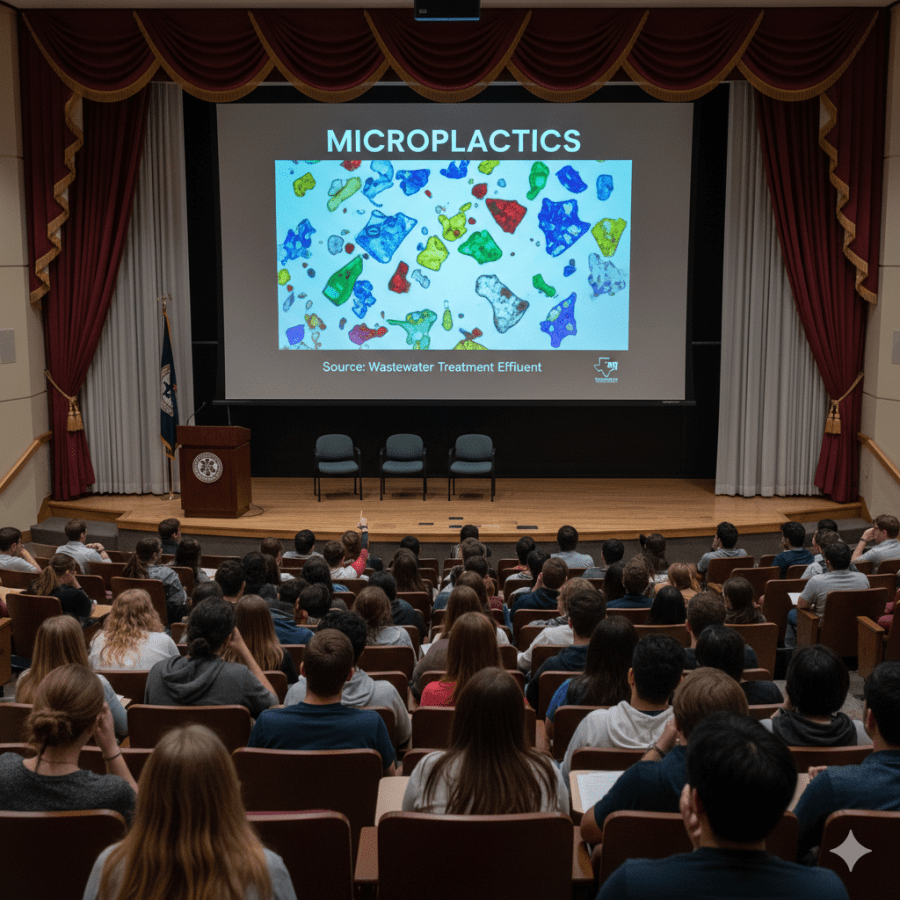
The Invisible Contaminant: A Comprehensive Report on the History, Pollution, and Biological Impacts of Microplastics
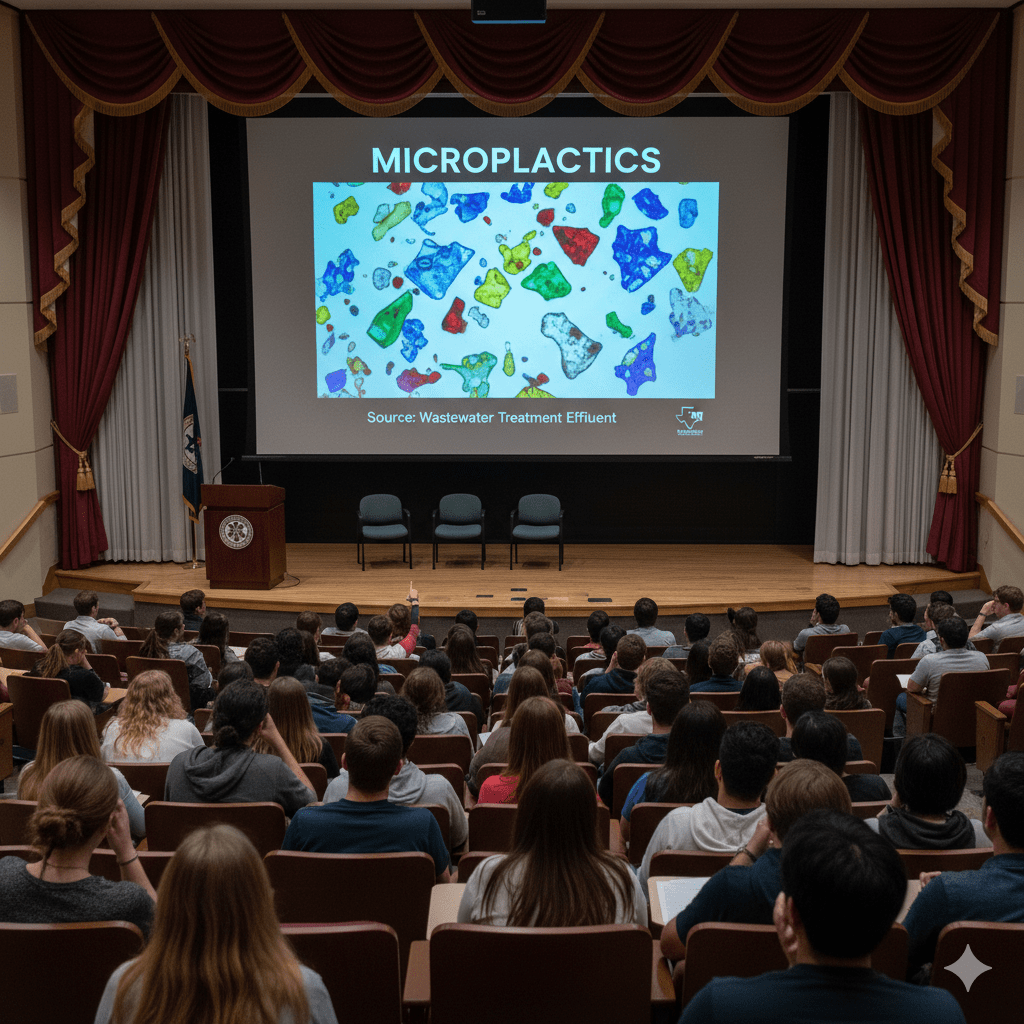
I. Executive Summary
Microplastic pollution represents a profound and pervasive global crisis, transitioning from a visible issue of macroscopic litter to an insidious threat at the microscopic and molecular level. These synthetic solid particles, defined as ranging in size from 1 μm to 5 mm, are now recognized as ubiquitous environmental contaminants. The problem stems from two main sources: primary microplastics, which are manufactured to be small, and secondary microplastics, which are formed from the fragmentation of larger plastic debris.
The ecological ramifications are widespread and severe. Microplastics infiltrate every ecosystem, from the highest mountains to the deepest oceans, causing physical harm to aquatic and terrestrial organisms and acting as vectors for other toxic chemicals. However, the most alarming dimension of this crisis lies in its direct and escalating threat to human health. Microplastics have been detected in virtually every human organ and fluid, including the blood, liver, lungs, and heart. Disturbing new evidence shows their accumulation in the human placenta, meconium, and breast milk, suggesting that individuals are now being “born pre-polluted”.
At the cellular level, microplastics and their associated chemical additives are linked to profound biological disruptions. Research points to mechanisms of harm that include the induction of oxidative stress, mitochondrial dysfunction, and direct DNA damage, with effects that are both size- and dose-dependent. The compounding nature of this pollution, where particles become more toxic as they degrade, underscores the urgency of the problem.
This report synthesizes the current scientific understanding of microplastics, from their historical origins and modes of environmental transport to their specific impacts on human health, with a particular focus on the developing fetus. It concludes that while individual actions are important, a comprehensive solution requires a multi-faceted approach, including global policy, technological innovation, and a fundamental shift in our collective relationship with plastic to mitigate what may be an impending public health tipping point.
II. Introduction: The Age of Plastic and the Rise of a New Contaminant
The Problem in Scope: Defining Microplastics
Microplastics (MPs) are a category of contaminants defined as “synthetic solid particles or polymeric matrices, with regular or irregular shape and with size ranging from 1 μm to 5 mm”. This definition distinguishes them from larger plastic debris, or macroplastics, which are typically defined as being larger than 5 mm. A critical subset of microplastics are nanoplastics (NPs), which are smaller than 1 µm (or 1000 nm) and are often too small to be seen by the human eye. The minuscule size of nanoplastics is particularly concerning to researchers because it grants them a higher degree of mobility and bioavailability, enabling them to cross biological barriers and infiltrate cells with relative ease, a capability that larger microplastics do not necessarily possess.
The widespread presence of these particles, with their diverse range of sizes, densities, and chemical compositions, poses a significant challenge for researchers. There is not a single, universal method for their characterization and quantification, which has historically complicated the establishment of standardized monitoring programs and risk assessments. Nevertheless, the consensus among the scientific community is that these microscopic fragments have become a globally important class of contaminants.
A Brief History of Plastic and Microplastic Research
The history of microplastic pollution is inextricably linked to the history of plastic production itself. The large-scale commercial development of thermoplastics, such as polyethylene, began with the advent of World War II in 1939 as an alternative to natural rubber, which was in short supply. Large-scale production in the late 1970s drastically reduced the cost of these polymers, leading to their widespread adoption in a myriad of new applications, from automobiles to personal care products.
While plastic production was accelerating, the first subtle signs of a hidden problem began to emerge. In the 1970s, marine scientists conducting net tows to sample plankton and neuston communities in various locations, including the North Sea and the Northwestern Atlantic, began to notice the presence of small plastic fragments and fibers. At the time, these fragments were merely noted as a curiosity, not yet understood as a systemic threat. Early patents for microbeads in personal care products appeared in the late 1960s, though they did not become a regular feature in commercial products until the 1990s, where they were touted as an innovative replacement for natural abrasives like ground pumice and apricot pits.
The pivotal moment in the scientific understanding of this issue occurred in 2004 when a publication first used the term “microplastic” to describe microscopic fragments of plastic debris. This publication is widely credited with marking the formal beginning of the field of microplastics research, leading to a surge of dedicated scientific inquiry that has since confirmed their presence in every ecosystem on the planet.


You must be logged in to post a comment.