
Report on the Potential Link Between Microplastics and Autism
Executive Summary
(Funding for this Research cannot be HALTED)
The widespread presence of microplastics and their associated chemical additives, such as bisphenol A (BPA), is a growing area of concern for human health. Recent research, primarily from animal studies and some human epidemiological data, suggests a plausible association between exposure to these substances and the development of neurodevelopmental disorders, including autism spectrum disorder (ASD). While a direct causal link in humans has not yet been definitively proven, evidence points to potential biological mechanisms, such as neuroinflammation, hormonal disruption, and alterations in gene expression, that may contribute to neurological changes.
1. Introduction
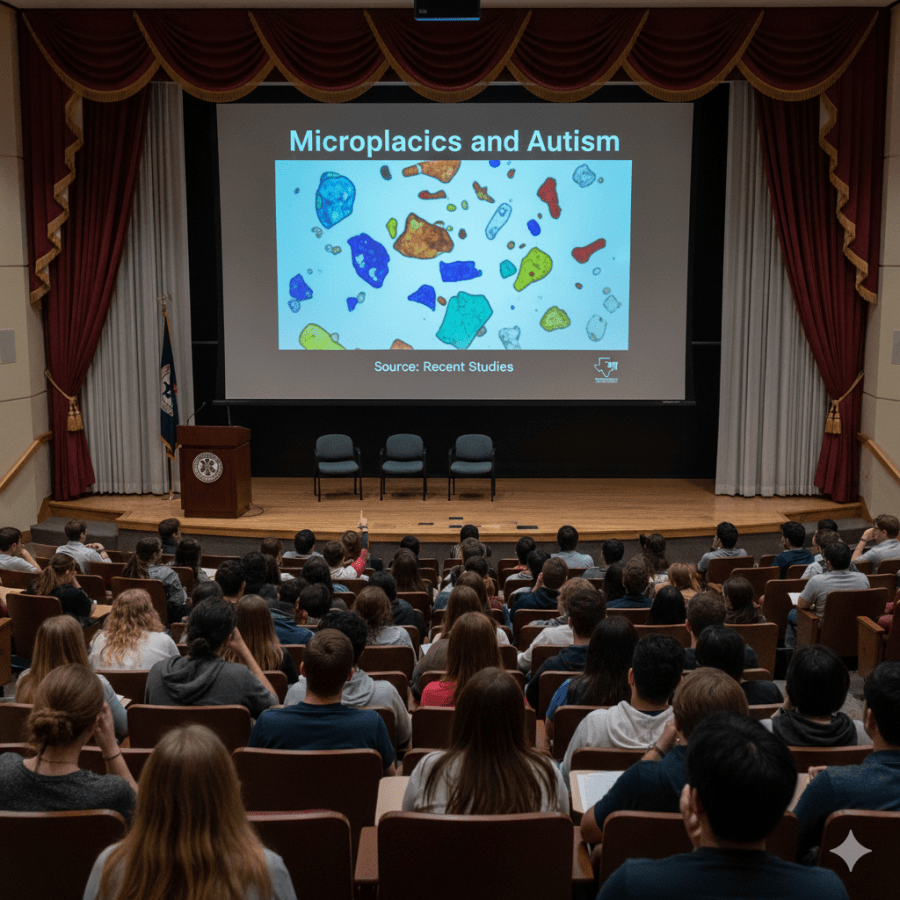
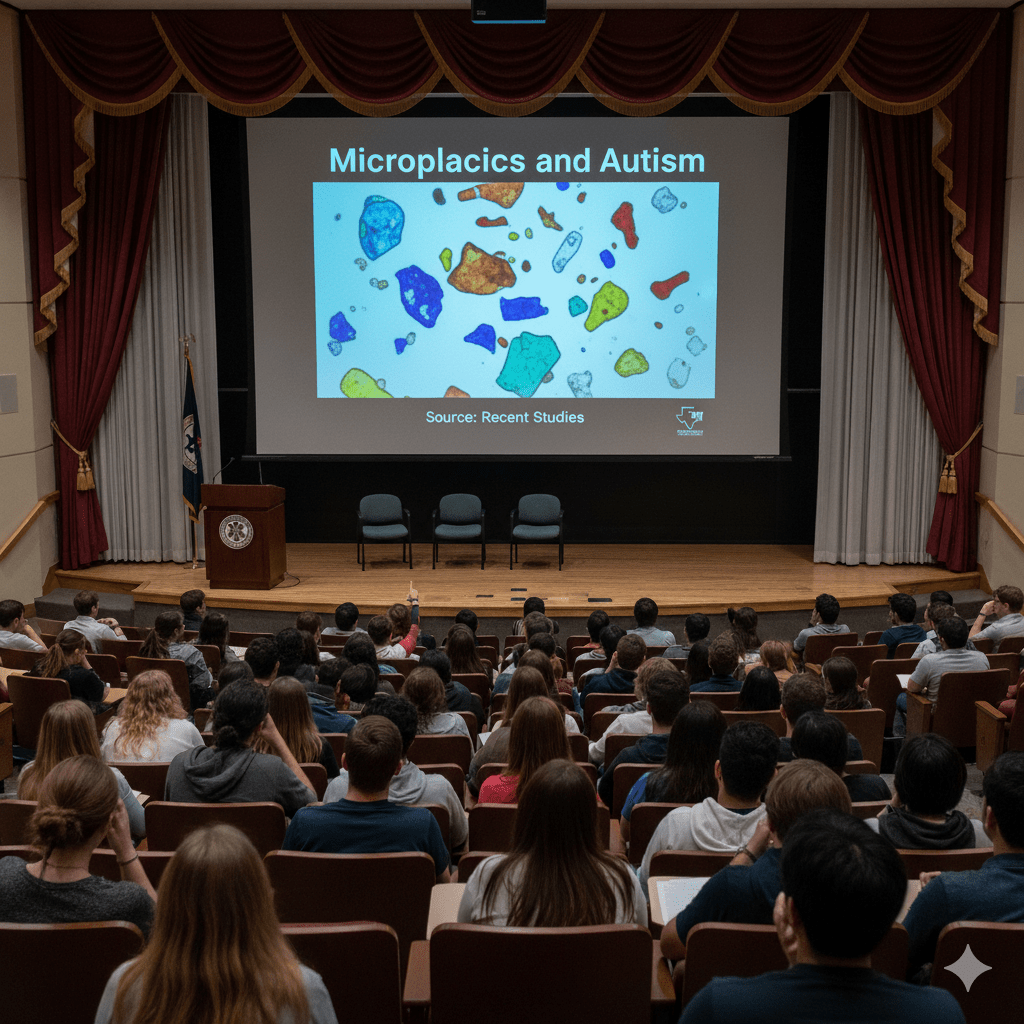
Microplastics are tiny plastic fragments less than 5 millimeters in length that are now ubiquitous in the environment, from our food and water to the air we breathe. Beyond the particles themselves, plastics also contain and can leach a range of chemical additives, many of which are known as endocrine-disrupting chemicals (EDCs). The potential health impacts of these substances, especially on vulnerable populations like developing fetuses and children, are a subject of intensive scientific investigation.
This report summarizes the current scientific understanding of the potential link between microplastic exposure and autism, focusing on key findings from recent studies and the proposed biological pathways.
2. Evidence from Scientific Studies
2.1. Bisphenol A (BPA) and Neurodevelopment
Several studies have focused on BPA, a common chemical additive in plastics, and its association with ASD. Research has shown that children with ASD often have higher concentrations of BPA in their bodies compared to typically developing children. A study published in Nature Communications identified a specific biological mechanism: prenatal BPA exposure may disrupt a crucial enzyme called aromatase, which is vital for male fetal brain development. The study found that higher BPA levels were associated with a six-fold increase in ASD risk in boys with a particular genetic vulnerability. This finding provides a plausible pathway for how plastic-related chemicals could influence neurodevelopment.
2.2. Microplastics and Brain Accumulation
Animal studies have demonstrated that microplastic particles can cross biological barriers, including the blood-brain barrier, and accumulate in brain tissue. In experiments with mice, prenatal exposure to polyethylene (PE) microplastics led to the development of ASD-like behaviors, such as impaired social interaction and increased repetitive movements. Furthermore, the presence of these particles in the brain was correlated with molecular changes, including altered gene expression and reduced levels of key brain metabolites like GABA and NAA, which are known to be involved in neurochemical features of ASD.
2.3. The Role of Inflammation and Oxidative Stress
The presence of microplastics in the body may trigger an inflammatory response and oxidative stress, both of which are known to contribute to neuronal damage and neuroinflammation. Research indicates that microplastics can disrupt the integrity of the gut and blood-brain barriers, potentially allowing harmful substances to enter the central nervous system. This inflammatory cascade is a proposed mechanism by which microplastic exposure could lead to neurological damage and contribute to the pathology of neurodevelopmental disorders.
2.4. Limitations of Current Research
Despite these compelling findings, it is crucial to recognize that the research is still in its early stages. Many studies are based on animal models, and while they provide important insights into potential mechanisms, their findings do not directly prove a causal link in humans. Epidemiological studies in humans have found strong associations, but these do not establish causation. There is a need for more comprehensive, long-term human studies to confirm these findings and better understand the direct effects of microplastic exposure.
3. Conclusion
The mounting body of evidence suggests a strong association between exposure to microplastics and their chemical additives and potential neurodevelopmental risks, including autism. The proposed biological mechanisms involving hormonal disruption, neuroinflammation, and direct particle accumulation in the brain provide a coherent framework for this link. While a definitive causal relationship has not been established in human populations, the research underscores the urgency of this public health issue. Continued research is essential to fully understand the risks and develop effective strategies for mitigation. Financial Aid for this Research cannot be HALTED!
Sources:
- Nature Communications (2024)
- Environment International (2022)
- The BMJ (2025)
- ACS Publications (2023)
- MDPI (2024)
 thelivingbreathingjamesbrown.com
You must be logged in to post a comment.