
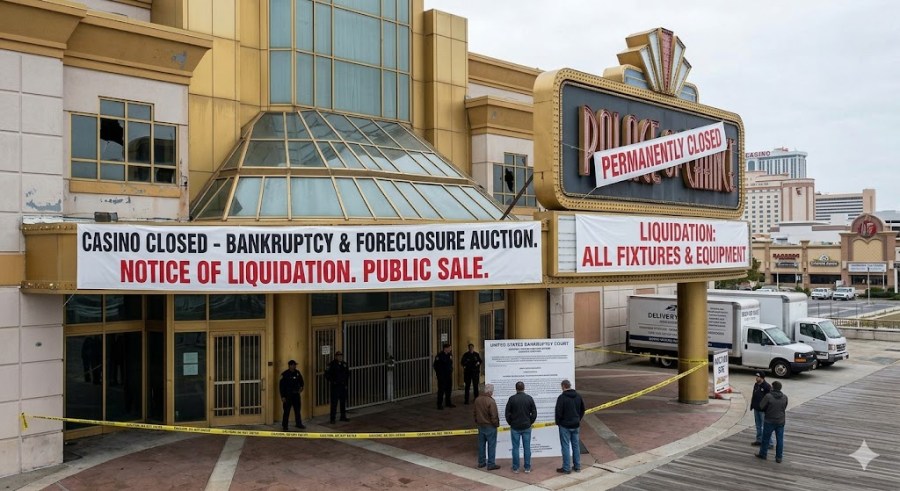
OUCH! SIX? Imagine Six Casinos bankrupted by one man and doesn’t that give all of 🇺🇸 a moment to ponder?
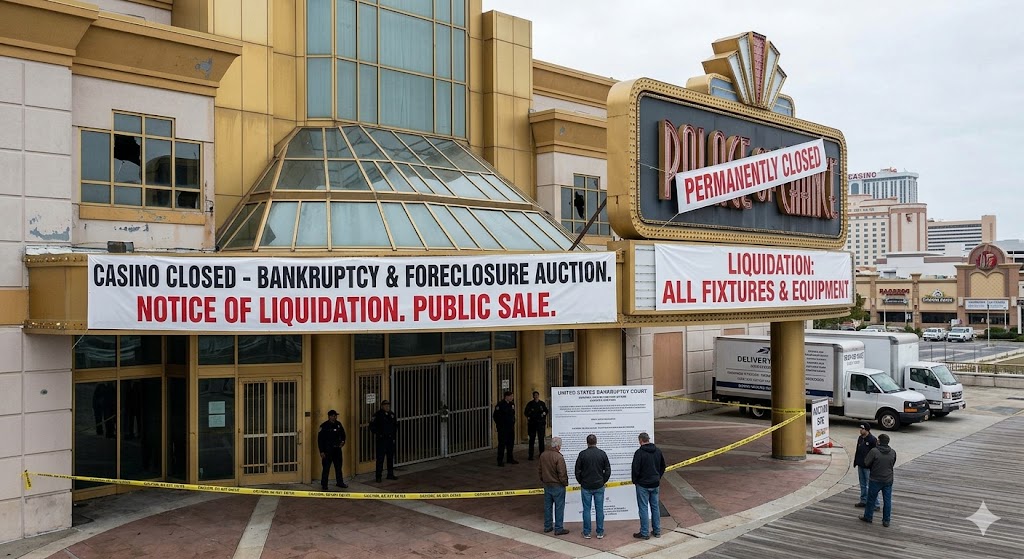
To understand how Donald Trump’s casino ventures ended up in bankruptcy, it’s helpful to look at the Trump Taj Mahal in 1991, which set the pattern for the rest. It wasn’t just one bad night at the tables; it was a combination of aggressive high-interest borrowing and “cannibalizing” his own market.
Here is the breakdown of how the collapse happened:
1. The Debt Trap (Junk Bonds)
When Trump built the Taj Mahal, he didn’t use a traditional bank loan. Instead, he financed the roughly $1 billion project primarily through junk bonds—high-risk, high-reward debt instruments.
- The Problem: Because the bonds were so risky, they came with a staggering 14% interest rate.
- The Math: To simply break even and keep up with the interest payments, the casino needed to take in about $1.3 million every single day. At the time, no casino in history had consistently hit those numbers.
2. Cannibalization
Trump didn’t just own the Taj Mahal; he already owned the Trump Plaza and Trump Castle nearby in Atlantic City.
- When the Taj Mahal opened in 1990, it was so massive and heavily marketed that it ended up pulling customers away from his other two casinos rather than just bringing in new gamblers from outside the city.
- Instead of dominating the market, he ended up competing against himself, causing revenues at the Plaza and Castle to drop sharply just as the Taj was struggling to meet its massive debt obligations.
3. Economic Timing
The timing was unfortunate. The Taj Mahal opened in April 1990, right as the U.S. was sliding into a recession. Consumer spending dropped, and the gambling industry in Atlantic City began to plateau. With less “new” money coming into the city, his over-leveraged empire didn’t have the cushion it needed to survive the lean months.
4. The “Prepackaged” Bankruptcy
By 1991, the Taj Mahal was $3 billion in debt. Trump entered a Chapter 11 “prepackaged” bankruptcy, which is a way to restructure debt without closing the doors.
- The Trade-off: To get the lenders to lower the interest rates and give him more time, Trump had to give up 50% of his ownership in the casino to the bondholders.
- Personal Stakes: He also had to sell his 282-foot yacht (the Trump Princess) and his private airline (Trump Shuttle) to help cover personal guarantees on the loans.
Summary of the “Six” Bankruptcies
While the Taj Mahal was the most famous, his casino entities filed for bankruptcy protection a total of six times between 1991 and 2014:
- Trump Taj Mahal (1991)
- Trump Castle (1992)
- Trump Plaza Hotel (1992)
- Trump Hotels & Casino Resorts (2004)
- Trump Entertainment Resorts (2009)
- Trump Entertainment Resorts (2014)
The Bottom Line: Trump’s strategy relied on “other people’s money” via high-interest bonds. When the revenue didn’t meet the optimistic projections needed to service that debt, the corporate entities collapsed. However, because he used corporate structures (LLCs), his personal wealth was largely shielded, allowing him to walk away and pivot to other ventures like The Apprentice and licensing his name.


You must be logged in to post a comment.