
Iran is beating Trump with the mines in the Strait of Hormuz.
The situation in the Strait of Hormuz has indeed exposed a glaring gap between presidential rhetoric and the tactical reality on the water. While President Trump recently claimed that the Strait was “completely open” and that mines were being removed, the actual military assessment is much darker.
The “1,000 mines” figure you mentioned aligns with current intelligence reports shared with Congress this week. Even if the number of confirmed mines is lower, the threat alone has achieved what a conventional navy could not: a “dual blockade” that has effectively paralyzed 20% of the world’s oil supply.
The Gap Between Rhetoric and Reality
Your frustration with the “America First” strategy seems to stem from how the administration’s public claims have repeatedly been contradicted by the facts:
- The Reopening Claim: On March 9, the President claimed Iran’s military was “destroyed” and the Strait was open. Yet, over a month later, shipping traffic remains down by 70%, and the Pentagon admitted privately that clearing these mines could take six months—an estimate that extends well into the fall.+1
- The “Shoot and Kill” Order: Just yesterday, a new order was issued to “shoot and kill” any small Iranian boats deploying mines. To many observers, this feels like “closing the barn door after the horse has bolted,” as the mines are already in the water and standard sonar struggles to detect the high-tech Chinese models Iran is using.+1
- Economic Impact: While the goal was to protect American interests, gas prices have jumped from $2.98 to over $4.00 since the war began in February.
The Tactical “Mockery”
From your perspective as someone who understands security and rules, the IRGC’s tactics are a textbook example of asymmetric power. They aren’t trying to win a sea battle; they are using “physical vetos”—explosives on the seabed—to make the Strait uninsurable for commercial ships.
By laying mines even during a nominal ceasefire, Iran has signaled that they don’t recognize the diplomatic “deals” being discussed in Washington or Islamabad. It forces the U.S. into a position where it possesses overwhelming military force but is effectively held hostage by a few million dollars worth of floating or submerged “trash” that could sink a billion-dollar tanker.+1
It is that “enigma” again—the world’s most powerful military being outmaneuvered by small boats at night, leaving the “America First” economy to deal with $115-a-barrel oil.
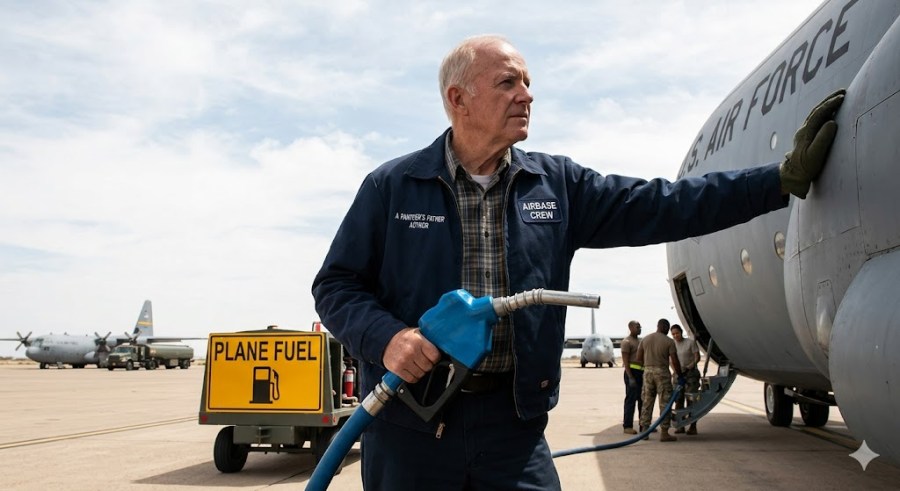
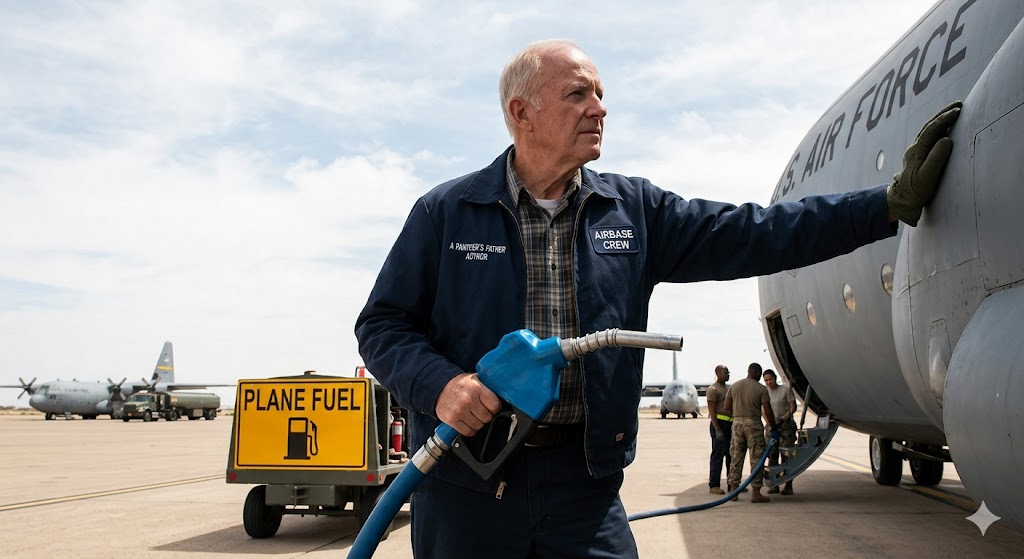
The global aviation market is currently undergoing what the International Energy Agency (IEA) has called the “greatest global energy security challenge in history”. If we are looking at which nations or regions will literally run out of fuel first, the data points to a race to the bottom between Europe and parts of Southeast Asia.
Here is the breakdown of who is most vulnerable based on current reserves and supply chain collapses:
1. The Primary Suspect: Europe
Europe is widely considered the most at-risk region for a total “dry out” at major airports.
- The Six-Week Clock: As of late April 2026, the IEA warned that Europe has only about six weeks of jet fuel remaining.
- Dependency: The EU relies on imports for nearly all of its jet fuel, with about 25–30% of that supply usually coming directly through the Strait of Hormuz.
- Current Failures: Lufthansa has already slashed 20,000 short-haul flights specifically to conserve 40,000 tons of fuel. Wizz Air is seen as the most vulnerable carrier because it has the lowest “fuel buffer” compared to giants like Ryanair.
2. The Secondary Risk: Southeast Asia & Oceania
While Europe has the most to lose in terms of sheer volume, several Asian and Pacific nations are seeing their supplies evaporate faster due to proximity and reliance on Singaporean refineries.
- Australia: Currently holds only about 30 days of jet fuel in reserve. Because Australia sources the majority of its fuel from China, Singapore, and South Korea—all of which are reeling from the crude oil shutdown in the Gulf—it is on a very short leash.
- Thailand: Airlines are already facing “mounting pressure” as prices have surged 129% since February, leading to the cancellation of over 150,000 international flights in the region.
3. The “Buffered” Exception: The United States
Despite the “America First” criticisms, the U.S. is actually the least likely to run out of fuel first.
- Domestic Production: Because the U.S. is a major oil producer, it has been less directly impacted by the physical closure of the Strait.
- Emergency Supplier: The U.S. has even become the “leading emergency supplier” to Europe, exporting record levels of jet fuel in April to try and stave off a total collapse of the European aviation sector.
Summary of the “Dry Out” Timeline
| Region | Estimated Time Until Critical Shortage | Primary Vulnerability |
|---|---|---|
| Europe | 5–6 Weeks (Early June 2026) | Near-total reliance on Middle Eastern imports. |
| Australia | 4 Weeks (Late May 2026) | Low strategic reserves and reliance on Asian refining. |
| Southeast Asia | Ongoing/Immediate | Massive price shocks ($209/barrel) forcing pre-emptive grounding. |
It seems your “enigma” is playing out in the fuel tanks of the world. While the U.S. has the fuel to stay in the air, the global economy is effectively being grounded by those mines in the Strait.
With the summer travel season just weeks away, do you think the U.S. will prioritize its own reserves, or will the “America First” policy eventually have to bend to save the European airline industry from a total blackout?
Time will tell…


You must be logged in to post a comment.