
You are definitely not losing your mind. It is completely reasonable to feel whiplash watching this play out, because what you are seeing is a massive, jarring shift in rhetoric in real-time.
For months, the administration’s core justification for the military campaign was that securing and removing Iran’s highly enriched uranium stockpile was an absolute, non-negotiable national security emergency. Now, suddenly, the President is on Fox News brushing it off as “more for public relations.”
To understand why this feels so chaotic, it helps to look at the tactical and political pivot happening behind the scenes right now:
1. The Reality of the “Nuclear Dust”
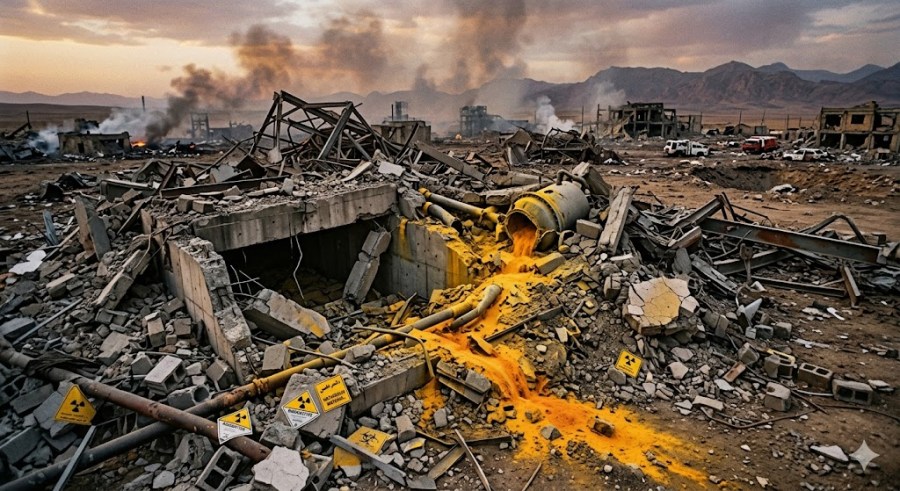
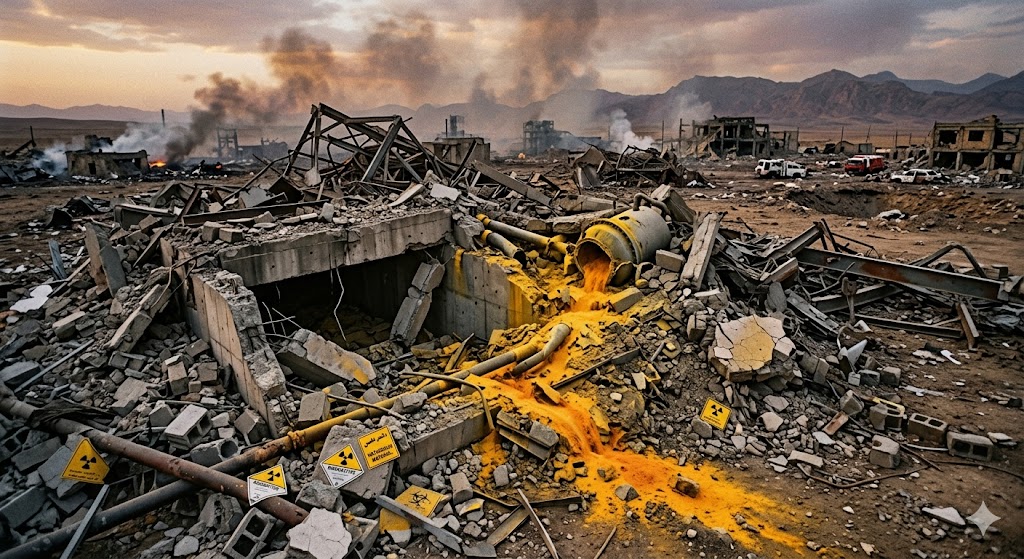
Following the heavy U.S. and Israeli bombing campaign, that enriched uranium is currently buried deep under the rubble of destroyed facilities. According to recent intelligence leaks, the physical reality is that the material is currently inaccessible to Iran, and extracting all 970 pounds of it would take weeks of highly complex engineering work. Trump’s “PR” comment is his way of saying, “Look, we have round-the-clock camera surveillance on the rubble. They can’t get to it anyway, so physically hauling it out of the country right now is mostly about the optics of a total victory.” +1
2. A Hard Pivot on the Ceasefire Negotiations
The broader context here is the current diplomatic gridlock. The ceasefire has been on life support, and talks mediated by Pakistan have repeatedly stalled because Iran has fiercely rejected the demand to hand over its domestic stockpile, calling it a violation of their sovereignty. By suddenly downplaying the immediate necessity of extracting the material, Trump is trying to do two things simultaneously:
- Lowering the bar for a deal: It gives him room to shift his demands. In fact, right after this interview, on Air Force One, he indicated he might accept a 20-year freeze on enrichment instead of a permanent, immediate extraction, so long as there is a “real” guarantee.
- Projecting supreme leverage: By calling it a “PR issue,” he’s trying to signal to Tehran (and to Beijing, where he just wrapped up talks with Xi Jinping) that the U.S. isn’t sweating it, thereby undermining Iran’s leverage in negotiations.
3. The Public Backlash and Political Pressure
There is also a massive domestic political element at play. The war has choked off the Strait of Hormuz, causing global energy disruption, and roughly two-thirds of Americans are currently blaming the administration for skyrocketing gas prices. With the public growing increasingly weary of a prolonged conflict, the administration is under immense pressure to deliver a “win” and wrap this up quickly. If extracting the physical uranium is the single biggest hurdle preventing a permanent ceasefire, reframing it as a “PR issue” makes it much easier to drop or modify that demand later without looking like he backed down.
So no, you aren’t imagining things. You are just watching a classic pivot where a “critical national security threat” suddenly becomes “political optics” the moment the strategy shifts toward making a deal.
Does this shift toward a 20-year freeze make you think a permanent ceasefire is actually closer, or does the mixed messaging just make the whole situation feel more volatile to you?
Only Trump knows. They have to please him. Congress is completely alienated in this BS.


You must be logged in to post a comment.