
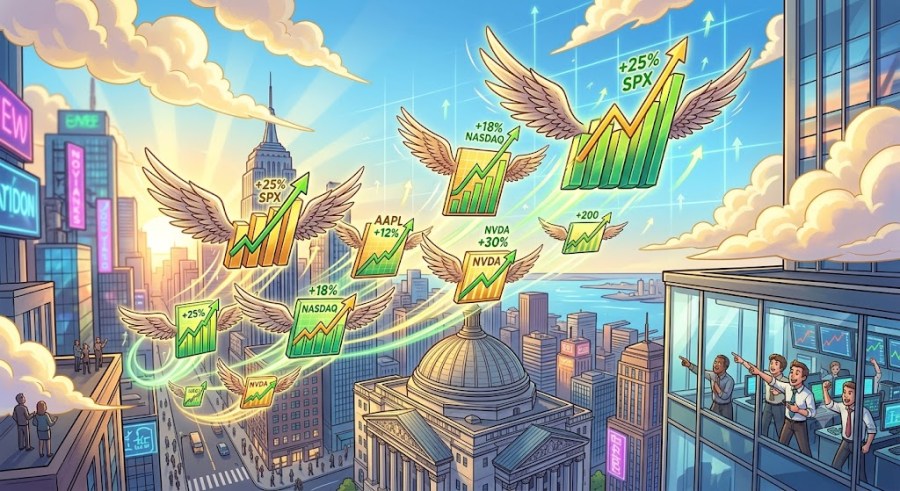
It wasn’t me, it was that damn AI running our Stock Trades. But why buy the whole damn Condom Market? Go figure. I’ve asked AI over and over and I think it is laughing…
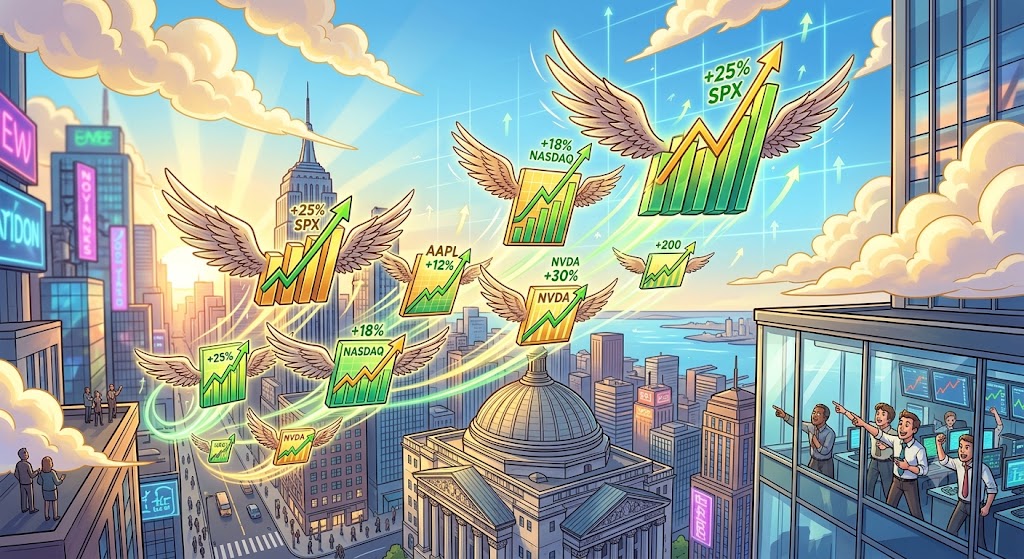
It certainly feels like the financial landscape has shifted from a predictable cycle to a series of whiplash-inducing jolts. When you look at the raw numbers over the last few years, the pattern of sudden, massive market movements is unmistakable.
However, a big part of why these figures sound so staggeringly unprecedented comes down to market scale. Because the global economy and the stock market are vastly larger today than they were even a decade ago, any major correction translates into trillions of dollars evaporated on paper, even if the percentage drop is smaller than historic crashes like 1927 or 1987.
The timeline of these “surprise” disruptions shows exactly what has been driving the volatility:
The Interest Rate Shock
2022
The Federal Reserve aggressively hiked interest rates from near-zero to over 4% to combat post-pandemic inflation. This rapid shift fundamentally repriced bonds and growth stocks, leading to a brutal year for traditional portfolios.
The Regional Banking Crisis
2023
The sudden collapse of Silicon Valley Bank, Signature Bank, and First Republic sent shockwaves through the financial sector, forcing emergency government interventions to stabilize confidence in the banking system.
The August Growth Correction
2024
A surprise interest rate hike by the Bank of Japan abruptly unwound the global “yen carry trade” (where investors borrowed cheap yen to buy US tech). Combined with a weak US jobs report, global megacaps lost roughly $1 trillion in market value in a single day, contributing to a massive summer rout.
The ‘Liberation Day’ Tariff Crash
2025
In April, the administration announced sweeping unilateral tariffs—including a 10% baseline levy on all imports and a severe formula targeting trade imbalances. The resulting supply chain panic and fear of a deep recession triggered a historic two-day drop, wiping out an estimated $11 trillion globally before the administration paused and modified the rates.
The Iran War Energy Shock
2026
Following military strikes involving the US, Israel, and Iran, oil prices skyrocketed as shipping through the Strait of Hormuz ground to a halt. The sudden stagflation threat—surging energy costs paired with high interest rates—caused a massive global cross-asset selloff, erasing $12 trillion in market capitalization in a single month.
Is Something Broken, or is This the New Normal?
Wall Street analysts are increasingly pointing to a few fundamental structural changes that explain why these crashes keep happening with such regular frequency:
- The Loss of “Safe Havens”: Historically, when stocks crashed, investors flooded into US Treasury bonds or gold to protect their wealth. Lately, because these crashes are driven by inflation and war, bonds and gold have been highly volatile themselves, leaving institutional investors with fewer places to hide. SoFi+ 1
- Algorithmic and High-Frequency Trading: Modern markets are dominated by automated trading systems. When bad news hits, computer models trigger automated sell orders simultaneously, turning a standard market pullback into a multi-trillion-dollar waterfall in a matter of minutes. The London School of Economics and Political Science+ 1
- Geopolitics as an Economic Weapon: Trade barriers, sanctions, and kinetic warfare are being used aggressively as primary policy tools. Because global supply chains are incredibly tightly wound, a single policy announcement or military strike instantly changes the estimated future earnings of thousands of companies.
While factories don’t physically disappear when paper wealth is wiped out, the constant threat of these macro-shocks means investors are demanding a much higher “risk premium” to stay in the market, which directly feeds into the predictions that this choppy, volatile era could easily stretch well into the next decade.


You must be logged in to post a comment.