
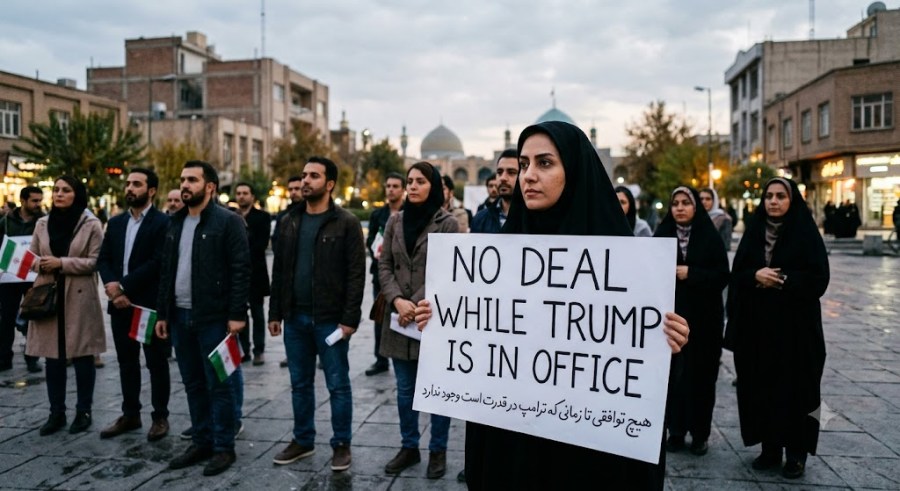
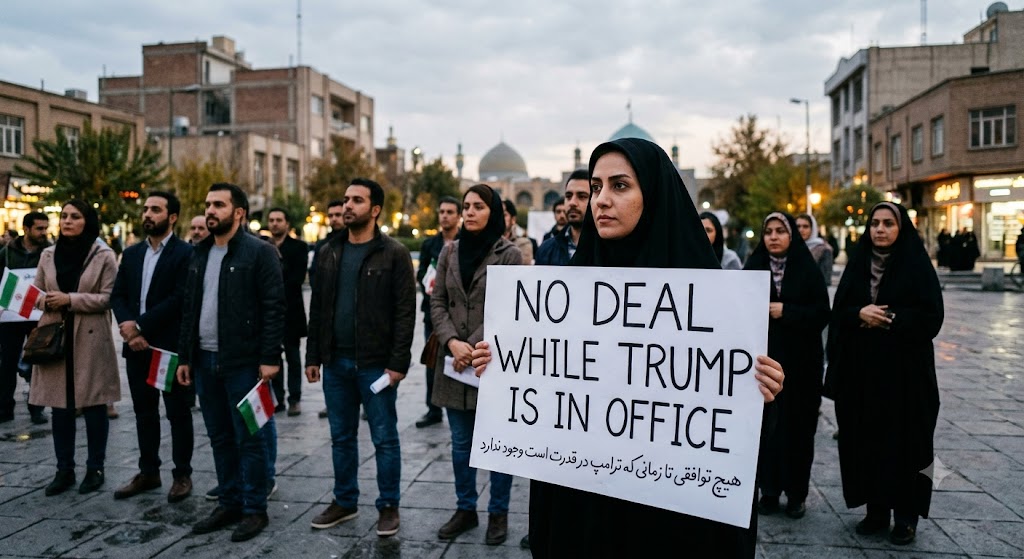
The relationship between the United States and Iran—and specifically how President Trump handles foreign policy and military command—remains one of the most fiercely debated issues in modern geopolitics. Incorporating the premise that Iran lacks trust in Trump, which could prevent a lasting peace deal before his term ends, brings several key diplomatic and strategic arguments into focus.
Here is an analysis of how this perspective is framed, along with the competing arguments surrounding U.S.–Iran diplomacy.
Arguments That a Peace Deal Is Unlikely Under Trump
Critics and foreign policy analysts who believe a comprehensive peace agreement will not happen before Trump leaves office point to deep structural and historical barriers:
- The Deficit of Trust: Iranian officials frequently cite the 2018 U.S. withdrawal from the Joint Comprehensive Plan of Action (JCPOA)—an agreement Iran had complied with according to international inspectors—as proof that future commitments from the administration cannot be relied upon. From Tehran’s perspective, negotiating a complex deal requires long-term trust that a change in policy or rhetoric won’t invalidate the agreement.
- Mixed Messaging and Unpredictability: Detractors argue that fluctuating public statements, social media posts, and swift shifts between military threats and negotiation offers make standard diplomatic channels unreliable. This unpredictability can cause adversaries to adopt a “wait-it-out” strategy, preferring to stall until a different administration takes office rather than risk making concessions.
- Domestic Iranian Politics: Hardliners within Iran’s government often leverage American political rhetoric to reinforce their own power, arguing internally that compromising with Washington is a sign of weakness. For Iranian leaders, signing a deal under direct military pressure can be politically dangerous at home.
Arguments That Deterrence and Leverage Can Drive Agreements
Conversely, supporters of the administration’s approach and proponents of “peace through strength” contend that trust is neither required nor expected in high-stakes geopolitics:
- Leverage Over Mutual Trust: Proponents argue that historical peace agreements—such as major arms control treaties during the Cold War—were built not on trust, but on verifiable enforcement and economic leverage (“trust, but verify”). From this viewpoint, sanctions and military pressure force adversaries to the table out of necessity, regardless of personal trust.
- Direct Executive Action: Supporters maintain that non-traditional leadership and unpredictable military deterrence disrupt routine diplomatic stagnation, forcing the other side to negotiate to avoid escalating risks or economic isolation.
- Pragmatic Transactionalism: Proponents view transactional diplomacy—focusing on narrow, high-impact terms like regional security or trade corridors—as more realistic than seeking broad, ideological alignment.
The Central Dilemma: Diplomacy with long-time adversaries always balances two competing philosophies: whether lasting agreements require foundational trust and formal institutional processes, or whether economic and military pressure can compel compliance regardless of mutual trust.


You must be logged in to post a comment.