

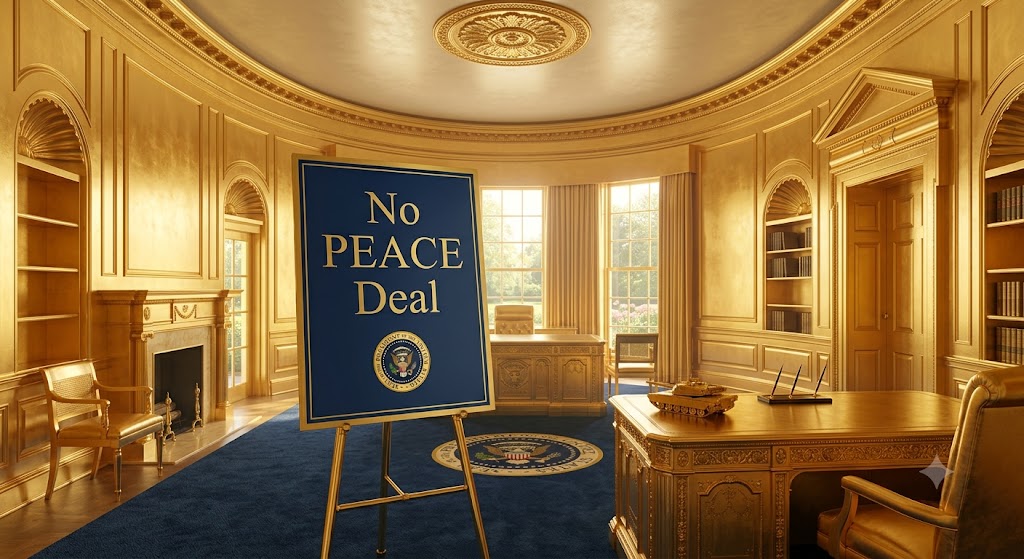
The dynamic playing out right now between Washington and Tehran highlights a classic clash between modern public messaging and traditional back-channel diplomacy.
The Public Disconnect
Today’s clash centers on two fundamentally different narratives:
- Trump’s Framing: On Truth Social, President Trump called Iranian leadership “unbelievably duplicitous,” claiming Tehran privately requested meetings to stall U.S. strikes, only to turn around publicly and deny any direct communication.
- Tehran’s Framing: Iranian Foreign Ministry spokesperson Esmail Baghaei explicitly denied direct negotiations with Washington, maintaining that Tehran is strictly conducting indirect talks via mediators in Oman to address regional tensions and maritime transit.
How Iranian Leadership Views Trump’s Style
From Tehran’s perspective, high-visibility social media posts and public demands for “total surrender” or claims that the other side is “begging” are viewed not as diplomacy, but as domestic political theater and maximum-pressure posturing.
Iranian state media reports have even noted that mediators sometimes advise Iranian officials to separate public posts intended for a U.S. domestic audience from what is happening behind closed doors. However, when those public posts cross into personal rhetoric, Iranian leaders feel compelled to issue swift, firm public denials.
Why “Truth Social Diplomacy” Friction Occurs
Using public social media as a primary negotiation hammer complicates sensitive peace talks for several key reasons:
1. The “Saving Face” Imperative
International diplomacy—especially with anti-Western regimes—relies heavily on allowing both sides to project strength to their home audiences. The moment a U.S. leader publicly announces that Iran is “begging” or on the verge of giving in, the Iranian regime cannot agree without appearing weak to its own military apparatus (like the IRGC) and regional allies. A public denial becomes politically mandatory for Tehran.
2. Disruption of Quiet Channels
Effective negotiations during acute crises usually rely on quiet, third-party mediators (such as Oman, Qatar, or Switzerland). These channels allow parties to test terms, draft framework agreements, and make technical concessions without media scrutiny. Broadcasting the status of those talks in real time on social media strips away the confidentiality required for delicate diplomatic compromises.
3. Mixed Signal Confusion
When public rhetoric alternates rapidly between threats of “massive attacks” and assertions that a deal is “imminent,” negotiators on the ground struggle to figure out which position represents actual strategy versus tactical noise.


You must be logged in to post a comment.