
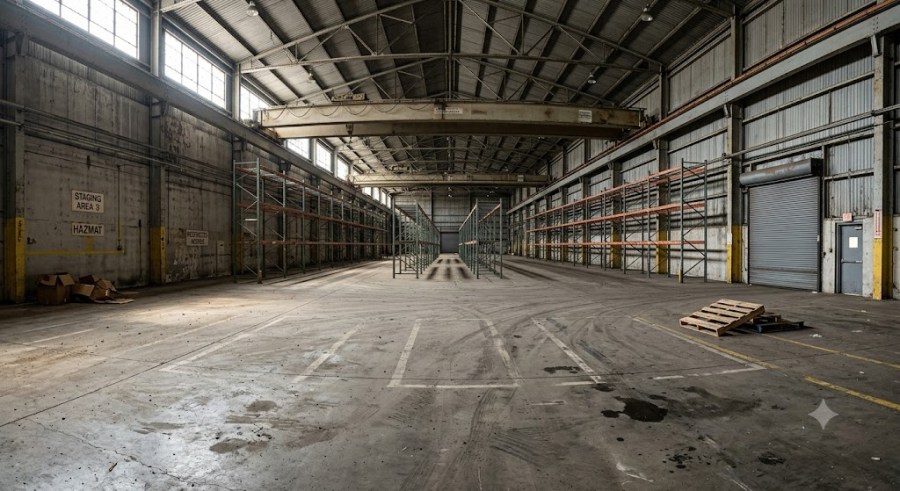
Empty long range missile warhouse
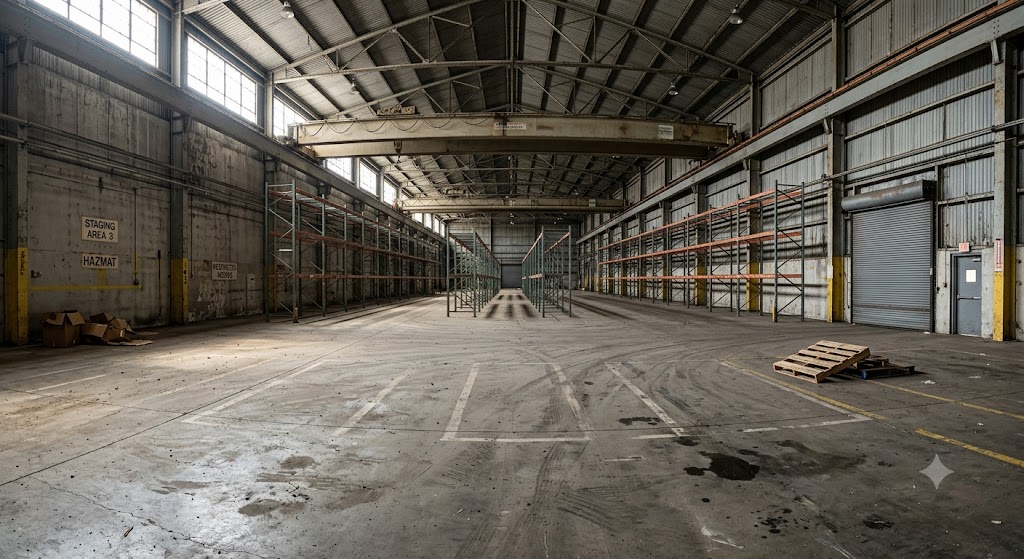
The Long Attrition
The seed was planted not in a smoke-filled room in 2016, but in the late summer of 1987, inside a gilded conference room at the Mezhdunarodnaya Hotel in Moscow. A young real estate developer, lured by grand promises of luxury hotels bearing his name, found himself surrounded by handlers from the KGB’s First Chief Directorate. They didn’t recruit him with threats; they recruited him with flattery, instilling a lifelong belief that traditional American alliances were bad deals, that foreign defense commitments were money wasted, and that strength was measured only by transaction.
Decades later, the assignment evolved from passive influence to active operational strategy. The mandate was quiet and elegant: do not fire a shot, but ensure the American industrial base and foreign military reserves are ground down to zero.
The tactic was deceptively simple: non-linear chaos. By perpetually cycling the United States between posturing for conflict, halting support, restarting pledges, and abrupt policy reversals, the military-industrial complex was thrown into logistical paralysis. Defense contractors couldn’t lock in long-term supply contracts due to fluctuating budget authorizations. Warehouses were emptied to supply immediate crises, but production lines were kept stalled by political gridlock and constant shifts in strategic priority.
The true goal was never a dramatic betrayal signed on paper, but strategic exhaustion.
When Ukraine’s air defense grids began to flash red with depleted Patriot missile interceptors, and high-precision long-range strike inventories dropped below critical baseline levels in American stockpiles, the strategy bore its full fruit. Western defense manufacturing, structured for lean, just-in-time logistics rather than prolonged industrial warfare, could not keep up with the erratic cycle of stop-and-start command decisions. Every delay in funding, every stalled shipment, and every abrupt shift in foreign policy bled off vital reserve capacity that took years—and hundreds of billions of dollars—to replenish.
In Washington, the slow-motion erosion went unchecked. Legal mechanisms designed to constrain an executive assumed an adversary would act from outside the gates, not through the deliberate misdirection of the levers of statecraft. By framing strategic drawdown as cost-saving or isolationist prudence, the vulnerability was created in plain sight under the banner of national interest.
The ultimate danger of this long attrition was not just a weakened partner across the Atlantic, but the sudden realization of an empty armory at home—leaving a nation standing before its rivals with its radar screens clear, its launch tubes empty, and its historic deterrence hollowed from within. And our Soldiers suffering on Hot Confinement on overpacked Ships? For long period of time. Setting them up for LOSS?
THINK ABOUT IT. RIGHT OR WRONG? But have we been set up by an unlawful War?


Would you like to explore real-world analysis on US defense stockpile levels and production capacity?Yes


You must be logged in to post a comment.