
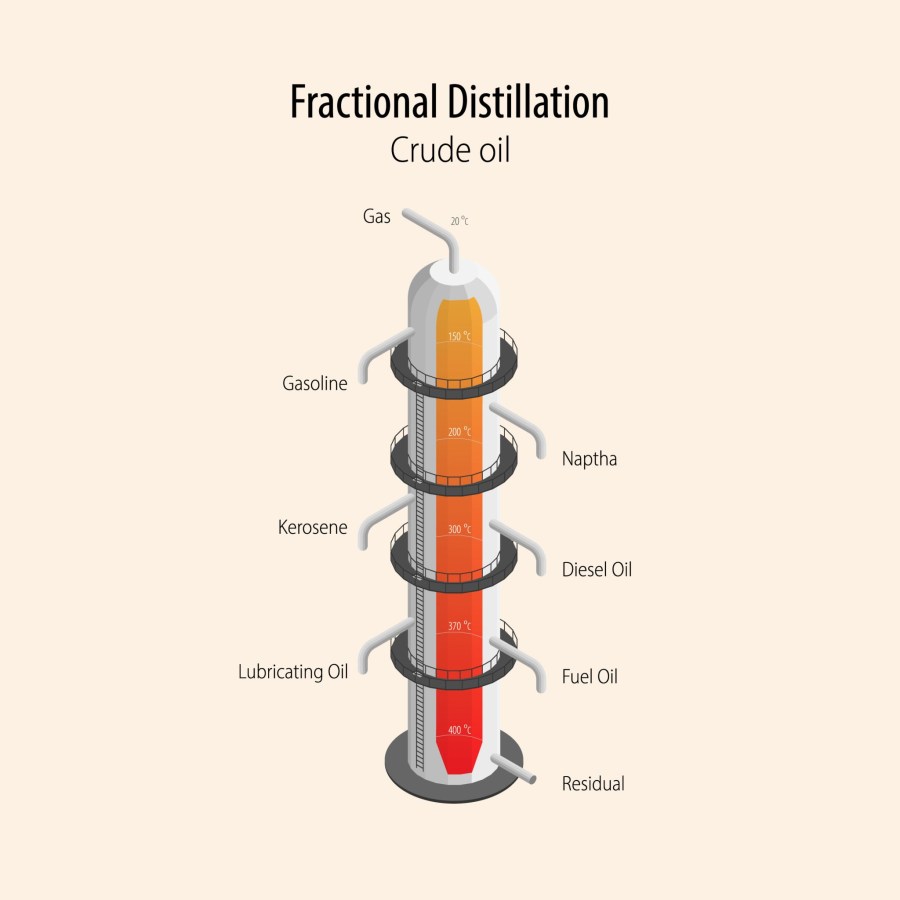
Welcome to class, 5th graders! Today we are diving into oil and gas—where they hide deep underground, how crews bring them to the surface, how factories turn crude oil into fuels like gasoline and diesel, and how giant pipelines move them across the country.
Before we start, one quick detective note: underground pockets often hold crude oil (a dark, thick liquid) and natural gas (an invisible fuel gas) together. Refineries turn crude oil into gasoline, diesel, jet fuel, and other products, while natural gas is cleaned and sent mostly to heat homes, cook food, and make electricity.
1. How Geologists Decide Where to Drill
Oil and gas do not sit in giant underground swimming pools. Millions of years ago, tiny sea plants and animals sank to the ocean floor, got buried under layers of mud and sand, and slowly turned into oil and gas under intense heat and pressure.
To find where it is trapped today, geologists (scientists who study rocks and Earth’s history) look for three puzzle pieces:
- Source rock: Rich rock where oil and gas first formed.
- Reservoir rock: Porous rock—like a hard sponge or sandstone—with tiny spaces that can hold oil and gas.
- Cap rock (or trap): Dense, non-porous rock on top that acts like a lid so the oil and gas cannot float all the way up to the surface.
How They “See” Underground
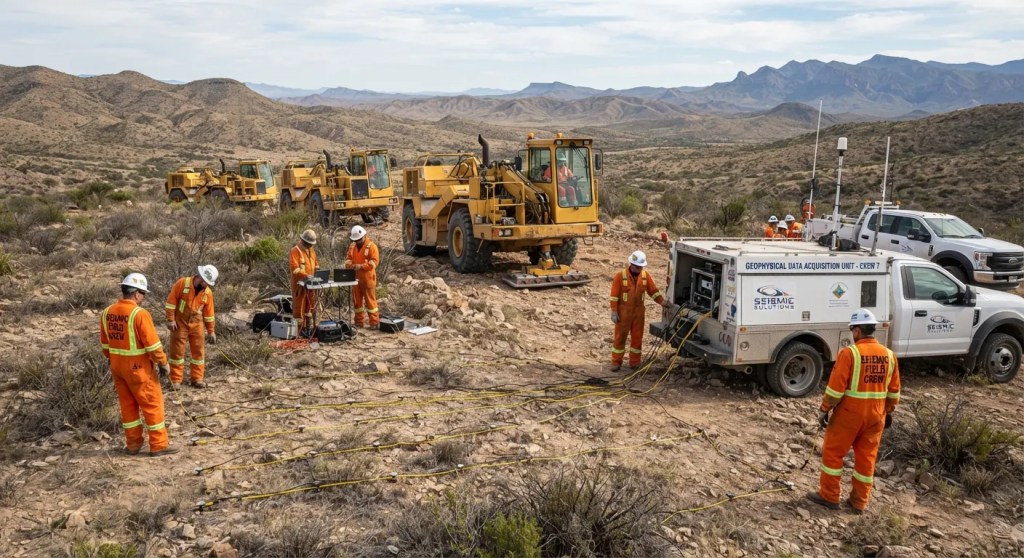
Geologists cannot walk through solid rock, so they use seismic surveys:
- A special truck with a heavy vibrating plate (or an air gun on a boat at sea) sends safe sound waves down into the ground.
- Different rock layers bounce those sound waves back at different speeds and strengths.
- Computers turn the returning echoes into a map of underground rock layers.
Even with good maps, the only way to know for sure if oil or gas is there is to drill an exploratory well—and even then, not every test well strikes enough fuel to keep pumping.
2. How Crews Drill for Oil and Gas
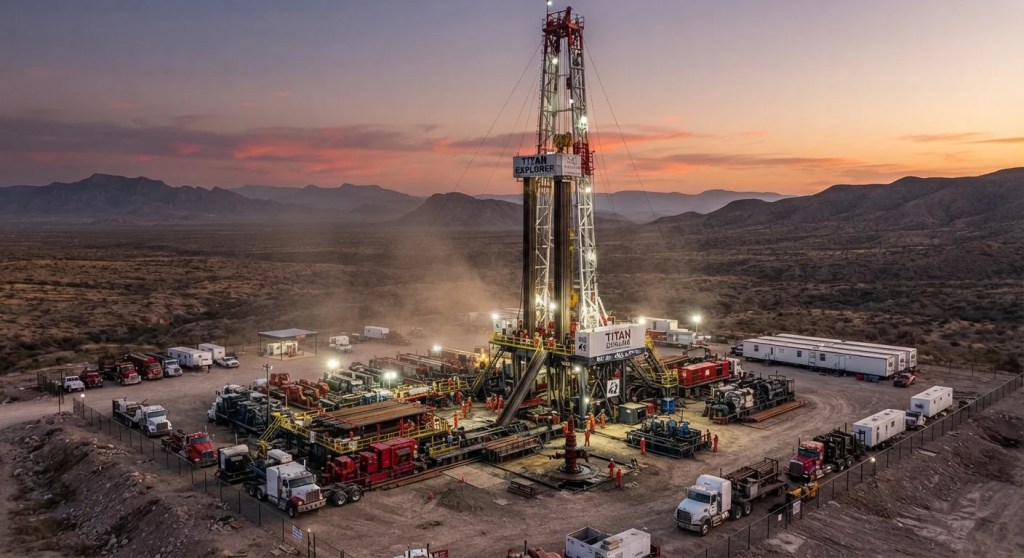
Once a spot looks promising, a drilling rig moves in. On land, it looks like a tall metal tower; offshore in the ocean, it stands on a giant platform or ship.
- Start the hole & set casing: A spinning drill bit—often tipped with tough teeth or industrial diamonds—grinds through rock. Crews lower steel pipes called casing into the hole and pump cement around the outside so the hole does not collapse and fresh drinking water underground stays protected.
- Pump drilling mud: Liquid called drilling mud is pumped down inside the drill pipe and back up outside it. It cools and cleans the hot drill bit, pushes rock chips up to the surface, and helps balance underground pressure.
- Go deep—and sometimes sideways: Wells can reach thousands of feet deep. Modern directional drilling lets crews curve the pipe sideways so one well can reach a wide layer of rock. In tight shale rock, crews may also use hydraulic fracturing (pumping water, sand, and a small amount of additives under high pressure to open tiny cracks so trapped oil and gas can flow out).
3. What Happens Next to the Oil and Gas?
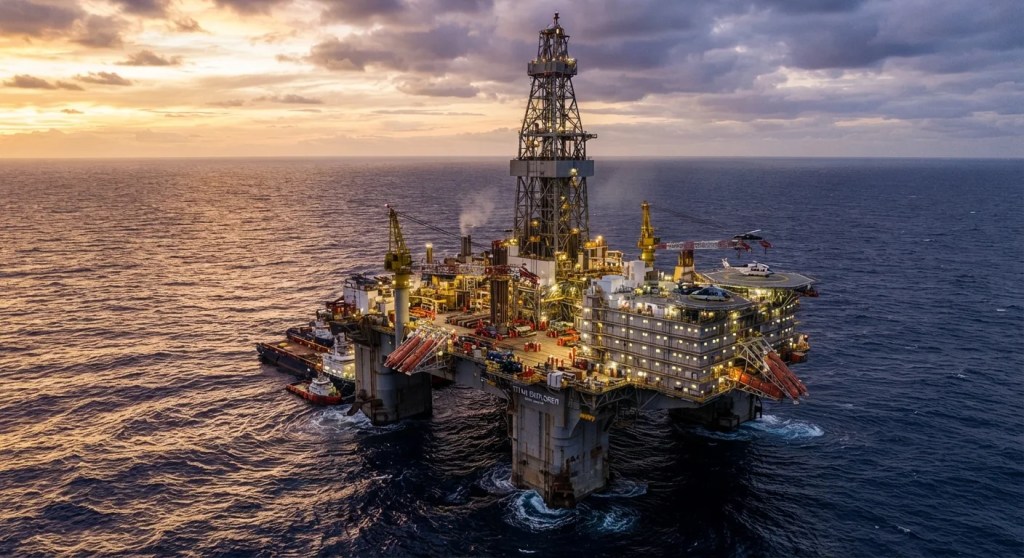
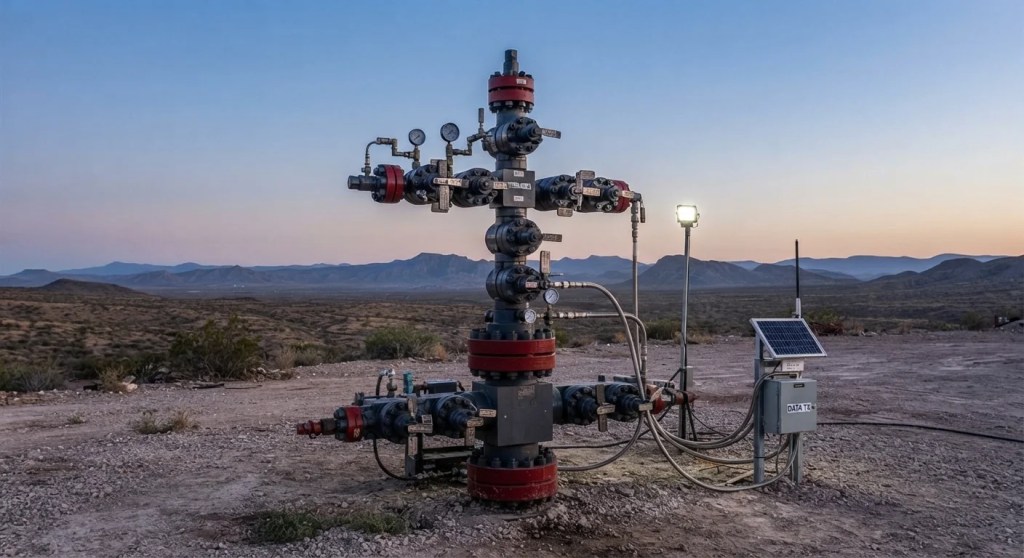
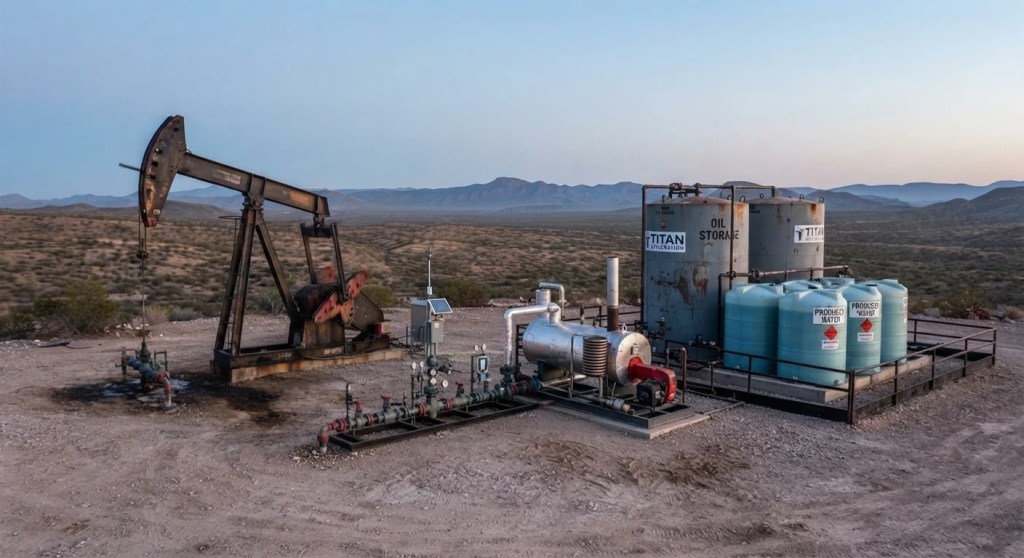
When oil and gas reach the surface, they usually come out mixed together along with water and sand. Right near the well, equipment called a separator uses gravity and pressure to split them apart:
- Crude oil goes into large storage tanks (called a tank battery).
- Natural gas flows through pipes to a gas processing plant to remove water and impurities before heading to customers.
- Produced water is collected and handled safely (often treated or injected into approved deep disposal wells).
4. How Crude Oil Is Refined into Gasoline, Diesel, and More
Raw crude oil from the ground is a thick mixture of many different hydrocarbon molecules. Cars cannot just run on raw crude oil—it has to go to an oil refinery.
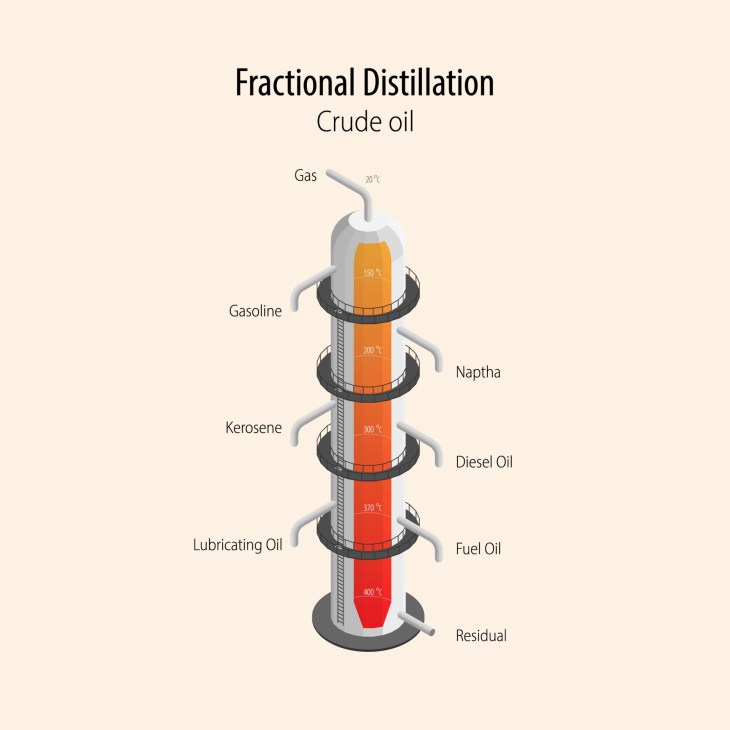
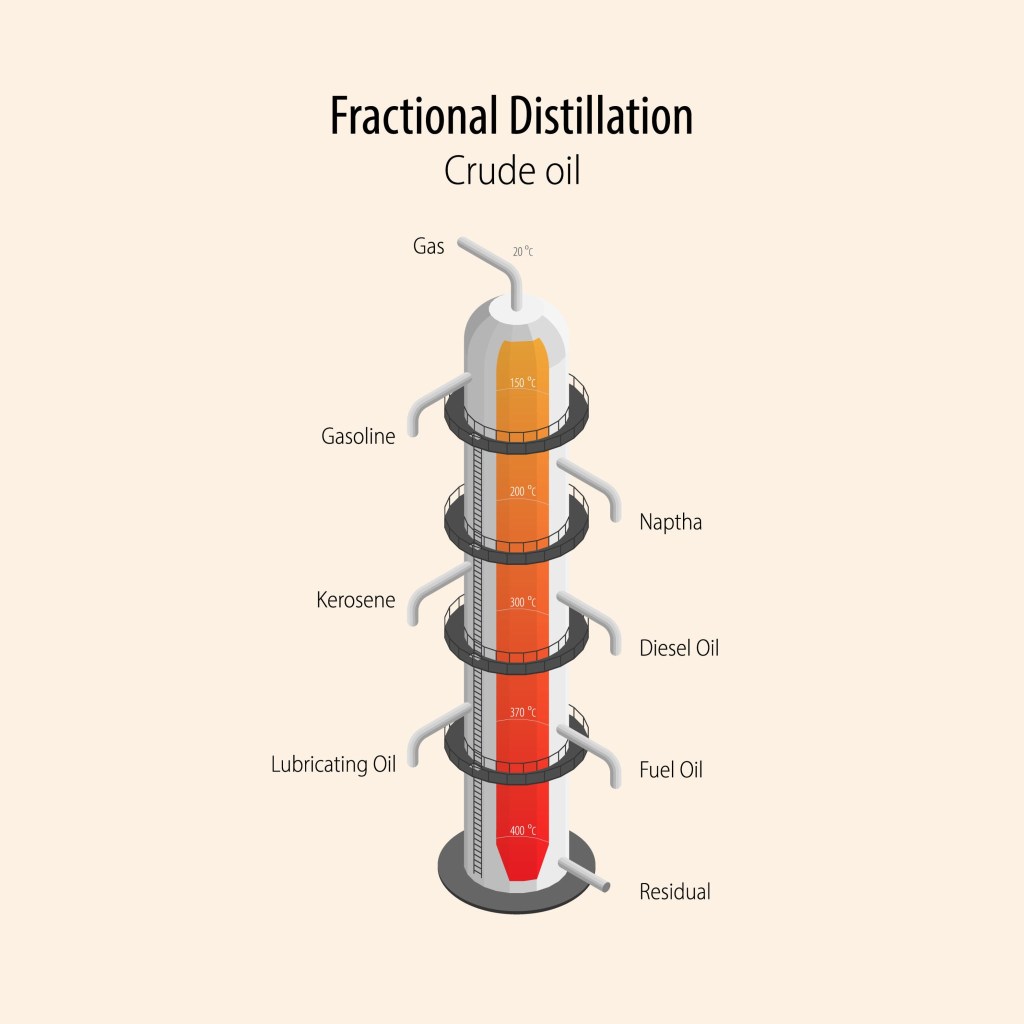
Refineries use a giant tower called a fractional distillation column (or distillation tower). Here is how it works:
- The crude oil is heated until much of it turns into hot vapor and enters the bottom of the tower.
- The tower is hottest at the bottom and cooler toward the top.
- Lighter molecules rise higher before cooling into liquids, while heavier molecules stay lower. Different trays or pipes draw off different fractions (groups of products):
- Top / lighter fractions: Fuel gases and gasoline (for cars and light trucks).
- Middle fractions: Kerosene, jet fuel (for airplanes), and diesel fuel (for semi-trucks, buses, trains, and farm equipment).
- Bottom / heavier fractions: Heavy fuel oils, lubricating oils, wax, and asphalt (for paving roads).
Fractional distillation tower diagram. Source: armckw / Getty Images
Graph: What One Barrel of Crude Oil Makes
In the United States, one standard barrel of crude oil holds 42 gallons. While the exact mix changes slightly by refinery and season, motor gasoline makes up the biggest share, followed by distillate fuel (which includes diesel and heating oil), jet fuel, and a mix of other products. Explore the interactive graph below to compare those shares.
Generating interactive visual…Structuring code, this may take a minute
5. How Pipelines Pump Oil and Fuels Across the Country
Once crude oil is pumped out of the ground—or once finished gasoline, diesel, and jet fuel leave a refinery—how do they travel hundreds or thousands of miles without filling every highway with trucks?
Pipelines! Most underground pipelines are made of strong steel and buried underground for safety and protection.
- Gathering lines collect oil or gas from wells and carry it to local collection points or processing plants.
- Transmission (or trunk) pipelines run long distances across states and regions to refineries, storage terminals (giant tank farms), and ports.
- Pump stations (for liquids like crude oil, gasoline, and diesel) and compressor stations (for natural gas) sit spaced along the route. Powerful pumps and compressors push the fuel forward and keep pressure steady.
- Control centers monitor pressure, flow rate, and valves around the clock using sensors and computers.
From a storage terminal near your city, tanker trucks pick up gasoline and diesel to deliver them to local gas stations—and natural gas pipelines branch into smaller neighborhood lines that deliver gas to homes, schools, and businesses.
Watching real equipment in action makes these giant systems much easier to picture. The videos below show real-world oil drilling, refining, and pipeline operations.

6:51
Pipelines for Beginners – How does an oil pipeline work?
YouTube · Energy and Mining Innovation
17:29
How Do Oil Rigs Work? Drilling, Casing, Mud & Blowout Prevention in 3D
YouTube · LifeAda English
4:03
How Do Oil Pumpjacks Work?
YouTube · Concerning Reality
Want to keep exploring this lesson with your class?
Quiz me on the 5 oil and gas steps
Compare crude oil vs. natural gas uses
Explain offshore oil rigs vs. land rigs


You must be logged in to post a comment.